
AI Staircase Design: How to Plan a Stairwell, Landing and Stair Wall You Love
A practical guide to staircase design: choose a style, a runner, handrail and balusters, light the stairs, dress the stair wall and make use of the landing, then preview the options on a photo of your own staircase with AI.
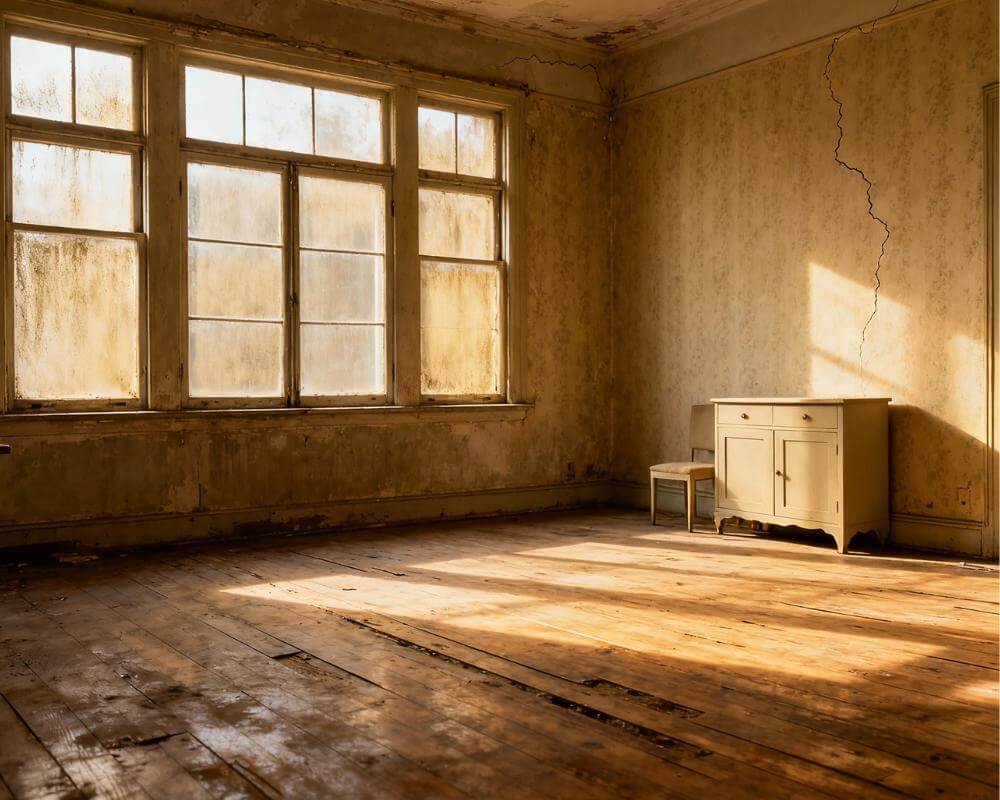
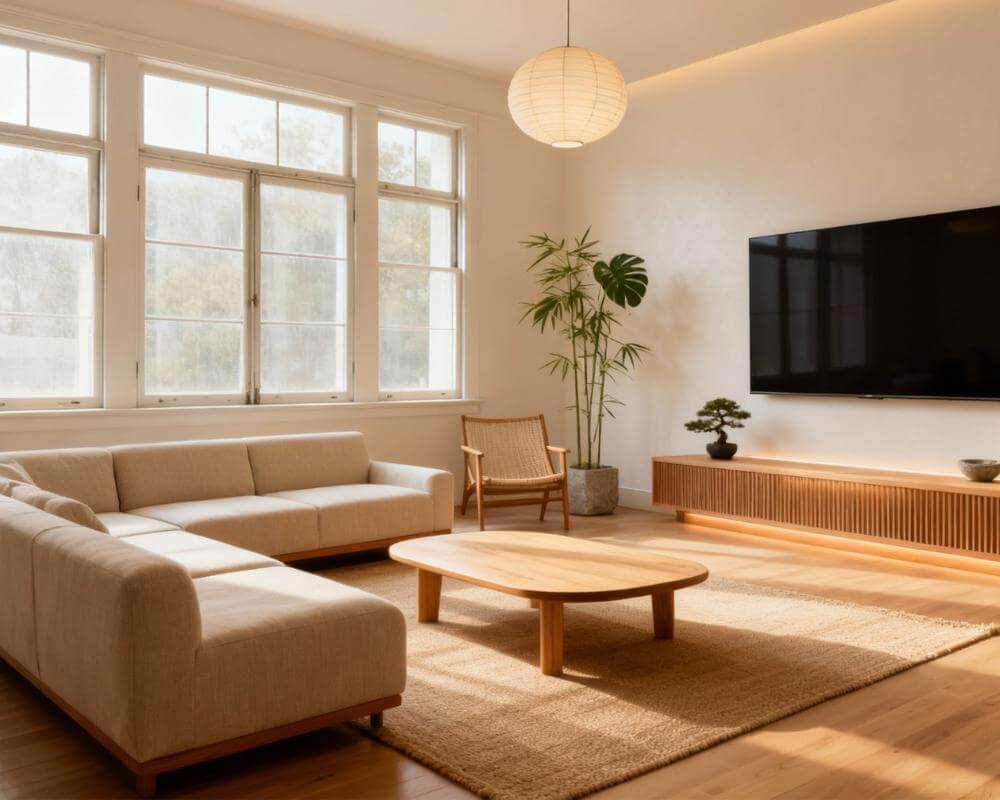
How do you make a staircase look intentional instead of like the part of the house you just walk through? Stairs are one of the first things people see when they come in and one of the most-used parts of the home, yet they are often the last to be designed. DecorAI is an AI interior design app that lets users transform photos of existing rooms into realistic redesign concepts, so you can try a new finish, runner, wall treatment or light on a photo of your own staircase before you buy a single roll of carpet or a tin of paint.
This guide covers how to read the staircase you have, the choices that change its look most, how to light and dress the stair wall, how to use a landing, and how to preview it all with AI. It also covers the part a picture cannot do: stairs are a safety-critical part of the building, so structural and safety decisions belong with a qualified professional.
Key Takeaways
- Start with what you can change cheaply. Paint, a runner, lighting and wall decor transform a staircase far more than most people expect, without touching the structure.
- Treat the stairs, wall and landing as one space. The handrail, the stair wall and the light above should work together rather than be chosen separately.
- Light matters as much as looks. A well-lit stairwell is easier and more pleasant to use, so plan the lighting early.
- Preview before you commit. DecorAI can show a finish, a runner or a different mood on your own staircase photo, so you can compare options first.
- A preview is not a safety check. Treads, rise, handrails and balusters are regulated for good reason. Changes to the structure need a qualified professional and a check of your local rules.
- Try DecorAI on a photo of your staircase.
What Should You Look at Before You Redesign a Staircase?
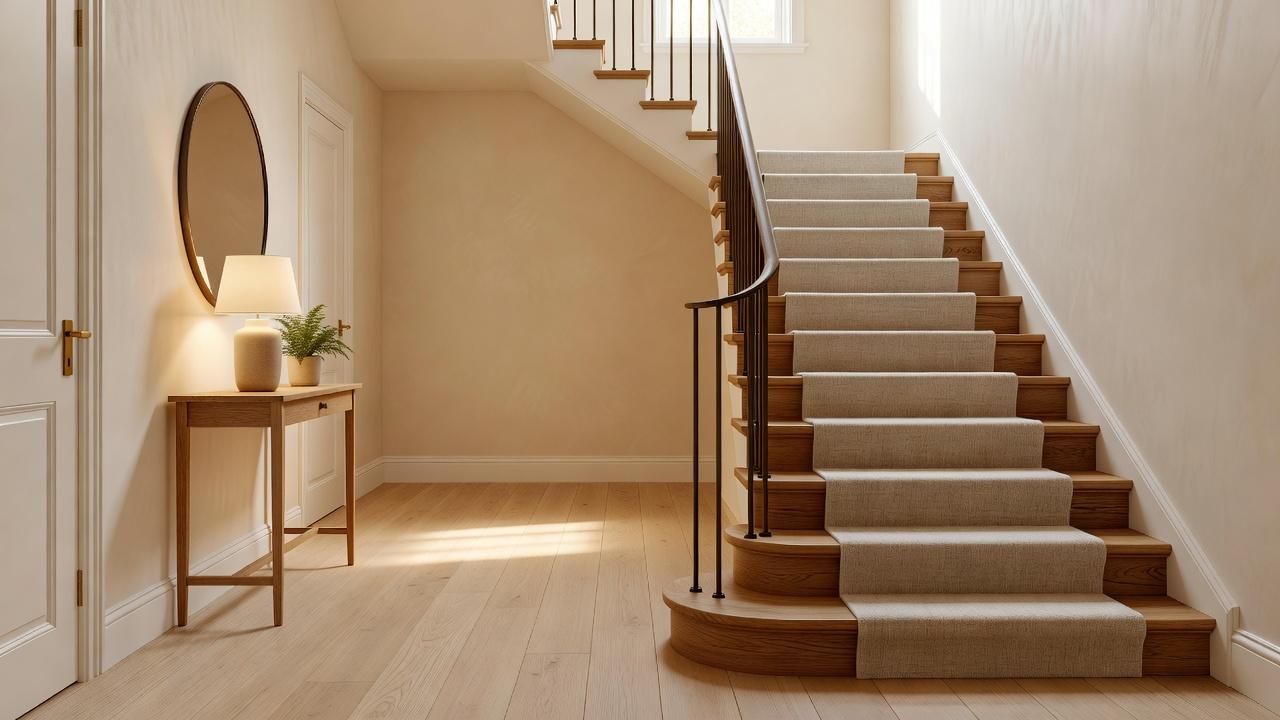
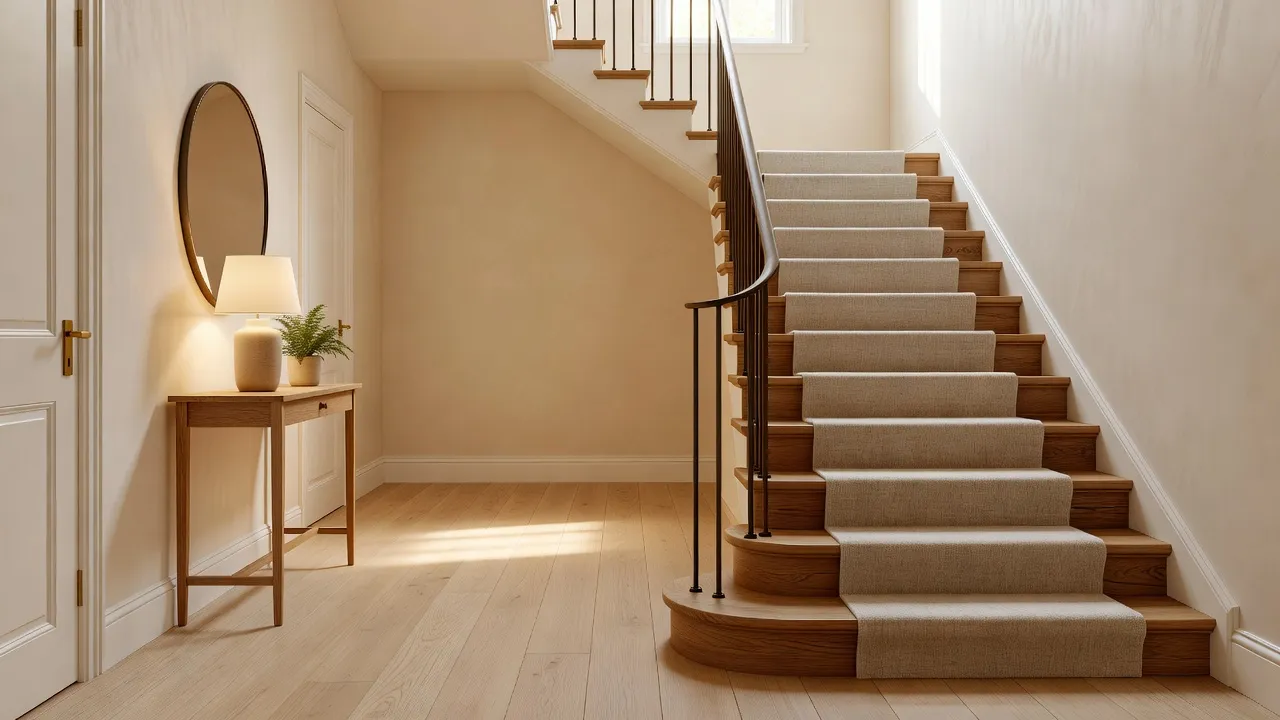
A staircase is made of several parts that each carry some of the look: the treads and risers, the handrail, the balusters or panelling beside the stairs, the wall, the ceiling above and the landing. Before choosing anything, stand at the bottom and the top and notice what dominates. Is it a dark, heavy handrail? Worn carpet? A blank wall that goes on forever? A dim stairwell with a single bare bulb?
The goal is usually to change the one or two things that dominate and let the rest support them. That keeps the project affordable and the result calm. If the staircase is part of an entrance, our guides to entryway and foyer design and hallway design show how to treat the spaces around it so the whole route feels consistent.
How Do You Photograph a Staircase for AI?
Stairs are awkward to photograph, so a little care pays off.
- Shoot from the bottom, looking up, or from the top looking down, standing far enough back to see several steps, the handrail and the wall.
- Keep the camera level. A tilted phone makes the lines of the stairs lean and confuses the result.
- Use daylight and switch on the lights. Even light with no harsh shadows gives the AI the most to work with.
- Take a second photo of the landing and one of the wall alongside the stairs if you want to plan them separately.
- Move shoes and clutter first, or remove them in the app afterwards.
Our guide to photographing your room for AI design covers framing and lighting in more detail. Only upload photos you took yourself, or that you have permission to edit.
Which Staircase Style Suits Your Home?
The best style is usually the one that matches the rest of the house, so look at the rooms the staircase connects. Here are the combinations people reach for most often.
- Warm and classic. Natural oak treads, white risers and a wooden handrail suit traditional and transitional homes.
- Modern and light. A slim dark metal handrail, pale treads and plain walls keep the stairwell airy and are a good fit for Scandinavian and minimalist rooms.
- Colourful. Painted risers, a bold runner or a deep wall colour make the stairs a feature, which works well in eclectic and maximalist homes.
- Calm and natural. Soft neutrals, woven textures and plenty of daylight suit Japandi and wabi-sabi interiors.
If you are unsure, upload the staircase photo and generate it in two or three directions to compare. Our guide to choosing an interior design style can help you narrow the list first.
How Do You Choose a Runner, Paint and Finish?
These are the changes that make the biggest visual difference for the smallest amount of work.
- A runner. A narrow strip down the middle adds colour, softness and sound absorption, and leaves a border of wood visible on each side. Choose a plain or subtly patterned weave in a colour that appears elsewhere in the hall.
- Painted risers. White risers make oak or dark treads look crisp and brighten a narrow stairwell.
- Wall colour. A light, warm tone makes a narrow stairwell feel wider, while a deeper colour can make a long wall feel cosy and deliberate.
- The handrail and balusters. Repainting a dated handrail or balusters changes the whole mood. Dark and slim feels modern, while white and wooden feels classic.
A photo preview is an excellent way to compare two or three of these side by side. Keep in mind that a screen shows colour and mood, not how a surface feels underfoot. Order a sample, tape it to the stair, and look at it in morning and evening light. Our guide to AI interior design colour schemes explains how to build a palette that holds together.
How Can You Dress the Stair Wall?
A long, blank stair wall is a missed opportunity, and a gallery of framed pictures is the classic way to use it. The most reliable approach is to let the frames follow the angle of the stairs, with the same distance from the rail or the treads all the way up.
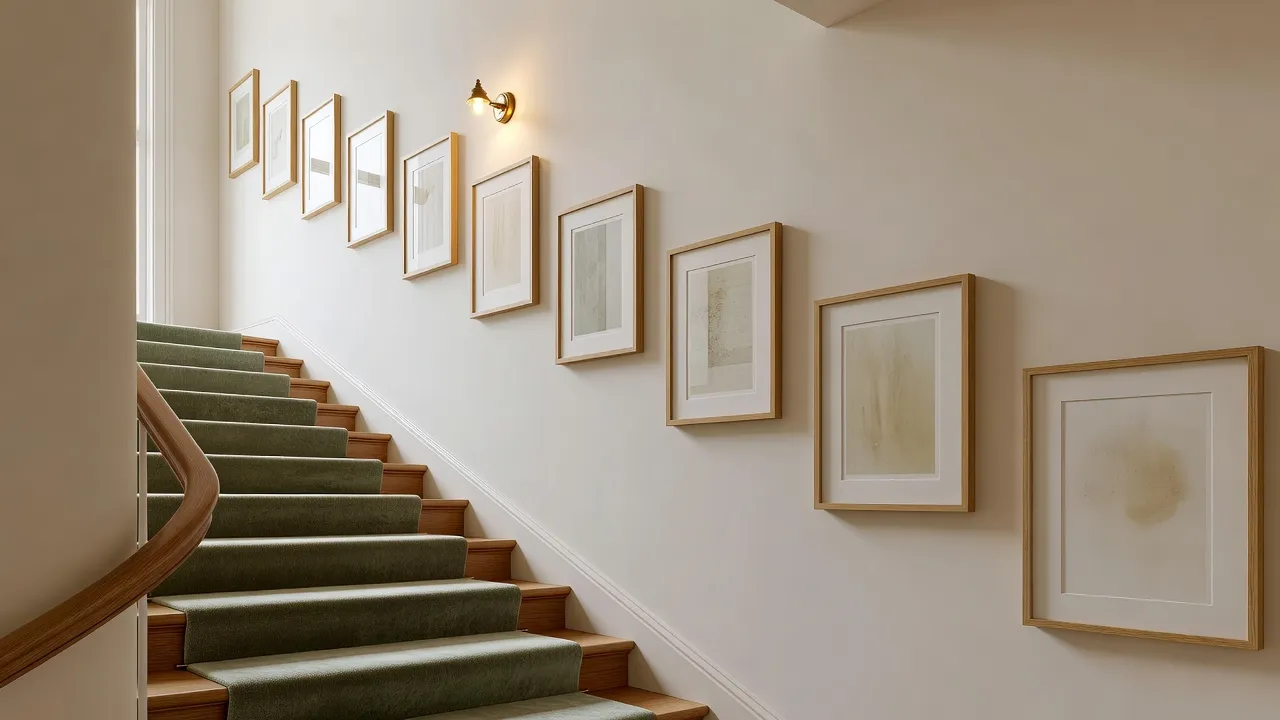
- Repeat one element. The same frame colour or the same mat keeps a mixed set of pictures looking tidy.
- Follow the slope. Keep the centre of each frame at a consistent height above the tread below it.
- Mind the elbow room. Avoid anything that sticks out at shoulder height on a narrow stair.
- Try before you drill. Previewing a layout on the photo saves a lot of holes in the plaster.
Our gallery wall planning guide goes into spacing and layout in more detail.
See Your Staircase in a New Light
Upload a photo of your stairs and try a new runner, wall colour or lighting mood. Keep the version that feels right.


How Should You Light a Staircase?
Stairs need light that is even, glare-free and easy to switch on from both ends. A single bare ceiling bulb leaves shadows on the treads and makes the stairwell feel like a corridor you pass through quickly. Better options include a pendant or ceiling fitting that lights the whole well, wall lights beside the stairs at a comfortable height, and a window or skylight that brings in daylight.
In the DecorAI Interior Designer you can switch on Add Ambient Lighting to see a warmer, layered version of the same stairwell, and compare it with the original photo. A preview shows mood, not measured brightness, so use it to pick a direction and then plan the actual fittings with an electrician. Wiring in a stairwell is a job for a qualified professional. Our guide to AI lighting design covers the options in more depth.
What Can You Do With a Landing?
A landing is a small room that most homes leave empty. If it is wide enough to be used without crowding the stairs, it can become one of the most charming spots in the house: a window seat with cushions, a pair of shallow built-in shelves, a small chair and lamp, or a single large piece of art.
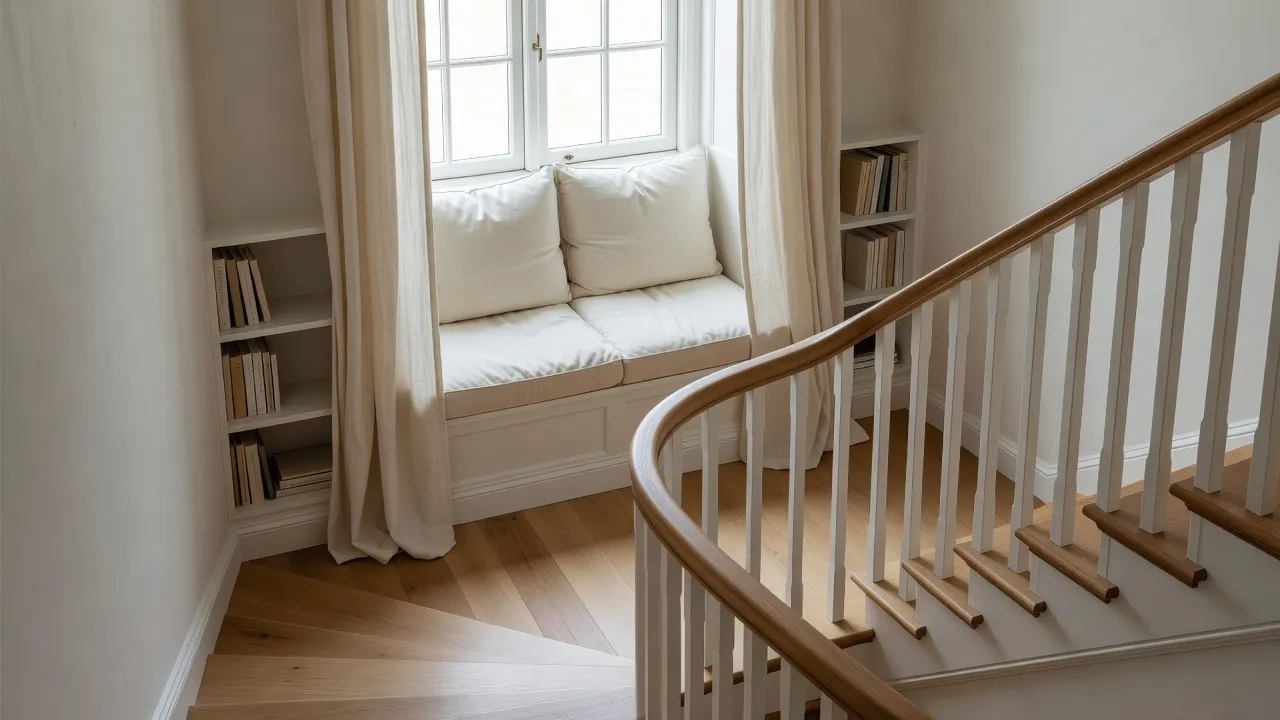
Always keep the route clear. Anything you add must leave plenty of space to pass, and nothing should block a window you need for escape or a door you need to open. Furniture Import in DecorAI places a specific item from a photo into your landing photo with matching scale and lighting, which helps you judge whether a bench or a chair looks right before you buy it. Remember it matches visual scale, not measurements, so measure the space yourself. Our guide to Furniture Import explains how it works.
How Do You Preview Staircase Ideas With DecorAI?
A simple workflow keeps the process manageable.
- Upload your staircase photo to the Interior Designer, taken level and in good light.
- Choose a style from the library, or describe what you want in your own words.
- Generate two or three directions and compare them with the original.
- Refine one detail at a time. The Inpainting editor changes only the area you paint with the brush, so you can try a different wall colour or handrail finish without the rest of the picture changing. See our Inpainting editor guide.
- Save your favourites. Projects and History keep every version together, so you can come back and compare.
For more on how these images are produced, read how AI interior design works.
Where Does a Preview End and a Professional Begin?
This is the most important part of any staircase project. A generated image is a visual idea. It is not a design drawing, a survey or a safety assessment.
- Structure and dimensions. The number and size of steps, handrail height, baluster spacing and headroom are regulated. Any change needs a qualified professional and a check of your local building rules.
- Surfaces underfoot. Grip matters. A runner must be fixed securely and a painted tread needs a suitable non-slip finish, so ask a specialist.
- Electrics. New lights or switches in a stairwell should be installed by a qualified electrician.
- Children and older adults. If either uses the stairs, think about safety first and ask an expert for advice.
- Test it in person. Walk the stairs, in the dark as well as the light, before you finish anything.
What Staircase Design Mistakes Should You Avoid?
- Ignoring the lighting. Beautiful finishes in a dim stairwell are wasted and less safe.
- Choosing a slippery finish. Glossy paint or a loose rug on stairs can be hazardous.
- Overfilling the wall. A crowded stair wall looks messy and can catch shoulders.
- Forgetting the view from below and above. A staircase is seen from both ends, so check both.
- Treating it as separate from the hall. Match the colours and materials of the stairs to the spaces around them.
Staircase Design FAQ
Can AI design a staircase from a photo?
Yes, DecorAI can restyle a photo of your existing staircase, trying different finishes, wall colours, runners and lighting moods. It works from the photo as a visual guide. It does not create construction drawings or confirm that a change meets building rules.
What is the cheapest way to update a staircase?
Paint, a runner, new lighting and wall decor usually change the look the most for the least work. A preview helps you choose before you buy.
Does a runner make a staircase safer?
Not automatically. A runner can add grip and soften noise if it is the right material and is fixed securely, and a loose one can be a hazard. Ask a flooring professional about the right option for your stairs.
How do I make a dark staircase brighter?
Use a light wall colour, white risers and layered lighting, and keep the stairwell clear. Previewing lighting and colour on a photo first helps you see what works.
Can I use DecorAI for a spiral or curved staircase?
You can upload a photo of any staircase and try styles on it. Results can vary with complex shapes, so use your best, clearest photo and treat the output as inspiration.
Conclusion
A staircase is a part of the house you use every day and see from every angle, so it deserves a plan. Look at what dominates, choose a style that matches the rooms around it, change the finish, runner, wall and light, and make use of the landing. Preview the options on a photo first, then bring in a qualified professional for anything involving structure, safety or electrics. Explore the full feature directory on the DecorAI app page, or open DecorAI and try your own stairs.
Visualize Your Dream Home Instantly
Don't just read about it. Experience the power of AI interior design with DecorAI's free tool.
Start Designing for FreeWritten by
DecorAI Team
Editorial Team
Related Articles
AI Craft Room Design: How to Plan a Sewing, Crafting or Hobby Room That Stays Organized
9 min read
AI Reading Nook Design: How to Turn Any Spare Corner Into a Cozy Spot for Books
9 min read
AI Powder Room Design: How to Make a Tiny Half Bath Feel Bold, Not Boxed In
9 min read