AI Craft Room Design: How to Plan a Sewing, Crafting or Hobby Room That Stays Organized
A practical guide to designing a craft room: zone your work, choose a worktable, plan storage you can see, light the space properly, and preview a full room, a wall-desk corner or a storage wall on a photo of your own space with AI.
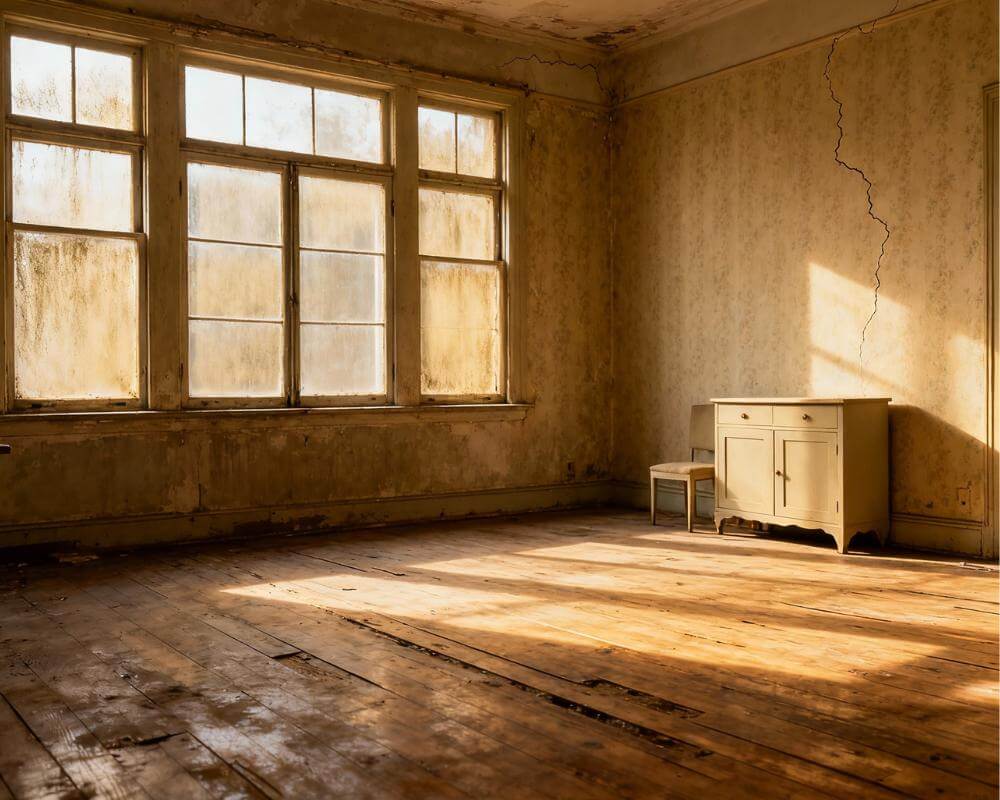
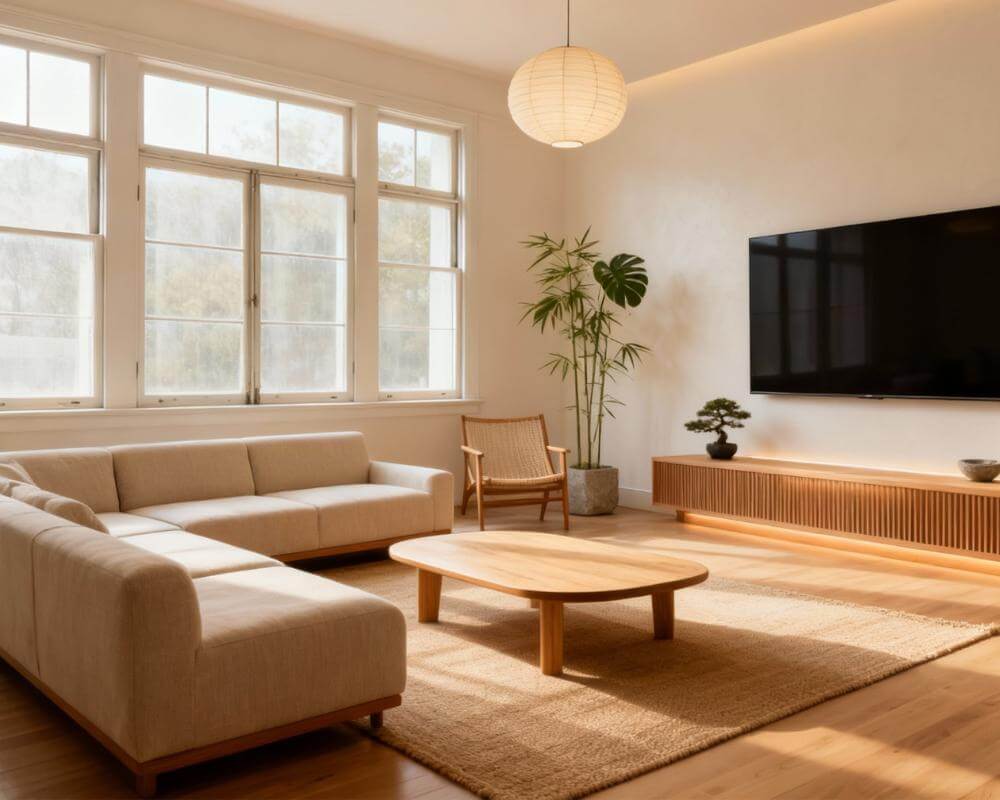
A craft room works when you can sit down and start within a minute, and tidy up within five. Whether you sew, scrapbook, knit, paint or make jewellery, designing a craft room comes down to four decisions: how you zone the space, what you work on, how you store your materials, and how you light it. DecorAI is an AI interior design app that lets users transform photos of existing rooms into realistic redesign concepts, so you can test a layout, a wall colour or a storage idea on a photo of your own room before you buy a single shelf.
This guide covers choosing the space, planning zones, picking a worktable, storage that keeps supplies visible, lighting, colour, and a simple way to preview the whole thing with AI.
Key Takeaways
- Zone by activity. Give cutting, sewing or assembling, and storage each a clear area, so the work flows in one direction instead of across the room.
- Make the worktable the centre. A flat, sturdy surface at the right height, with space on both sides, matters more than any decoration.
- If you can see it, you will use it. Open shelves, clear bins, pegboards and labels keep materials visible and put them back in the same place.
- Light the work, not just the room. Combine daylight with an adjustable task lamp so you can see true colours and fine detail.
- Preview before you buy. DecorAI generates designs from your own room photo in usually under 10 seconds, and offers three free generations per day without requiring an account or credit card.
- Try DecorAI on a photo of the room or corner you have in mind.
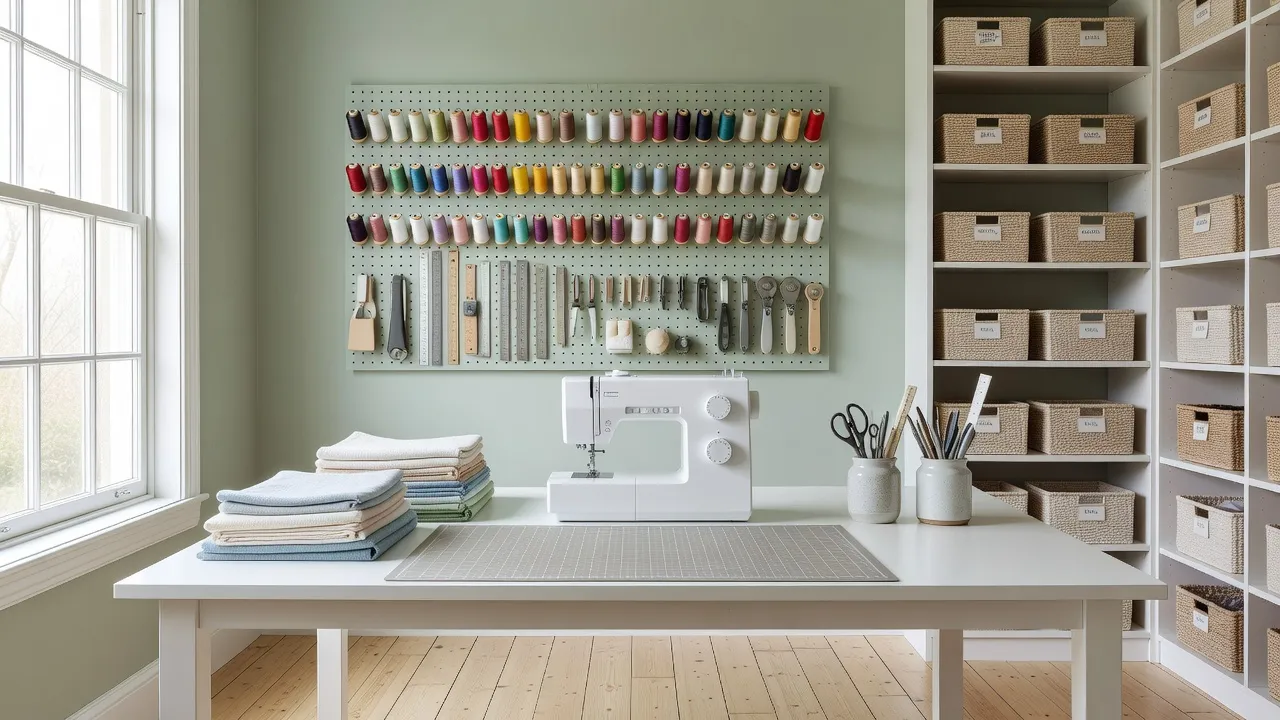
Where Should I Put a Craft Room?
The best craft space is one you can leave set up. If you have to clear the dining table every time, you will craft less. Good candidates include:
- A spare bedroom. It already has a door, a window and floor space. Our guest room guide shows how to share a room between guests and a hobby.
- A corner of another room. A wall, a small desk and a shelf can be enough, especially for paper crafts and small projects.
- A bright alcove or landing. Natural light matters more than square footage for colour work.
- A basement or attic. Plenty of room for large projects, but check the lighting. See our guides to basement design and attic design.
- A shared home office. If the craft area has to live beside a desk, the ideas in our home office guide help you separate the two.
Avoid damp rooms, spots with no daylight and places where you would constantly walk through the work.
How Do I Zone a Craft Room?
Think of the room as a small workshop with three areas, arranged so the work moves in a line.
- The storage zone. Where materials live. Place it near the door or along one wall, so you pull supplies without crossing the work area.
- The main work zone. The worktable, with a sewing machine, cutting mat or project laid out. Give it the best light.
- The finishing zone. A smaller surface for pressing, gluing, drying or packing. It can be a cart or a fold-down shelf.
Leave a walking gap of roughly 90 cm (three feet) around the main table where you can, so a chair can slide out and you can move with a large piece of fabric. In a smaller room, one zone can double up, as long as the tools you need most are within arm's reach.
What Worktable Should I Choose?
This is the piece to get right, because you will lean on it for hours.
- Height. Sewing and seated work suit a standard desk height. Cutting, ironing and standing projects are kinder to your back on a counter-height table with a stool.
- Surface. A smooth, wipeable top is easier to clean than a textured one. A self-healing cutting mat protects it.
- Space around it. Aim to reach all four sides if the room allows, because large projects need turning.
- Storage underneath. Drawers, shelves or bins beneath the table use space that would otherwise be wasted.
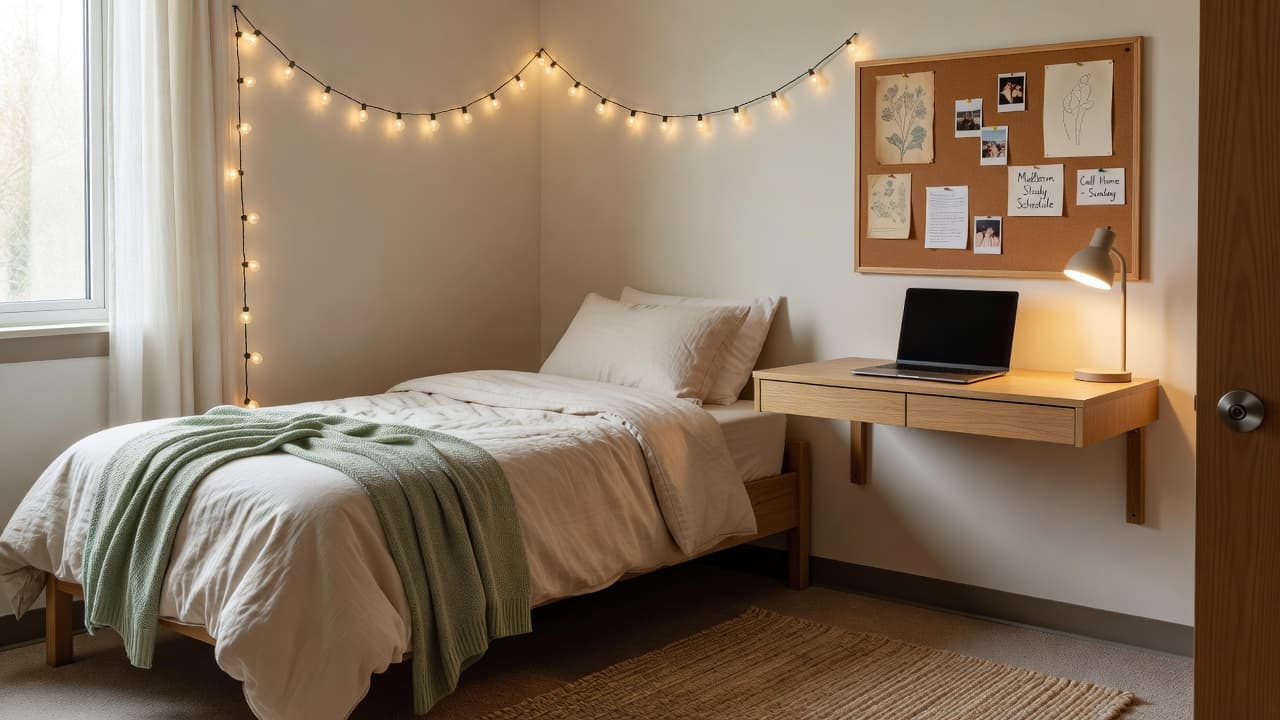
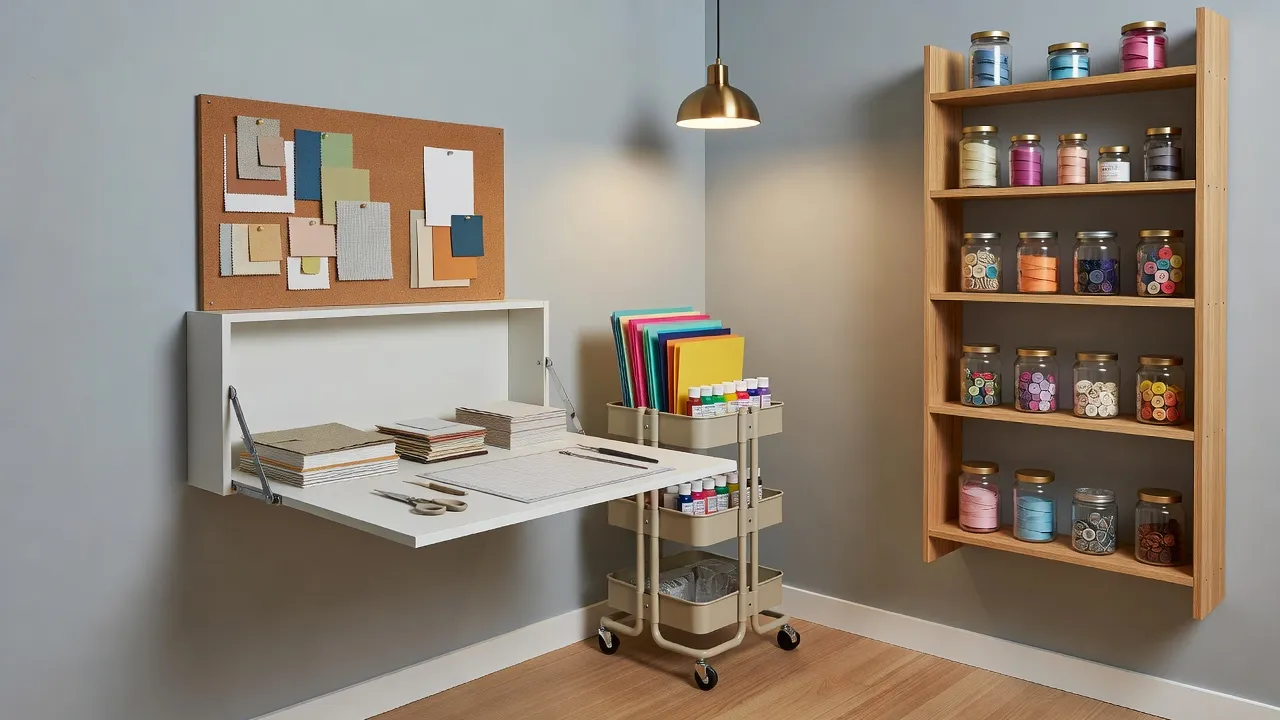
- A flexible alternative. In a tight room, a wall-mounted fold-down desk or a table on locking wheels gives you a surface only when you need it.
For small rooms, the layout principles in our guide to small space design apply to craft rooms too.
How Do I Plan Craft Room Storage That Stays Organized?
The rule is simple: store things where you use them, and make it obvious where they go back. A few approaches work in almost any room.
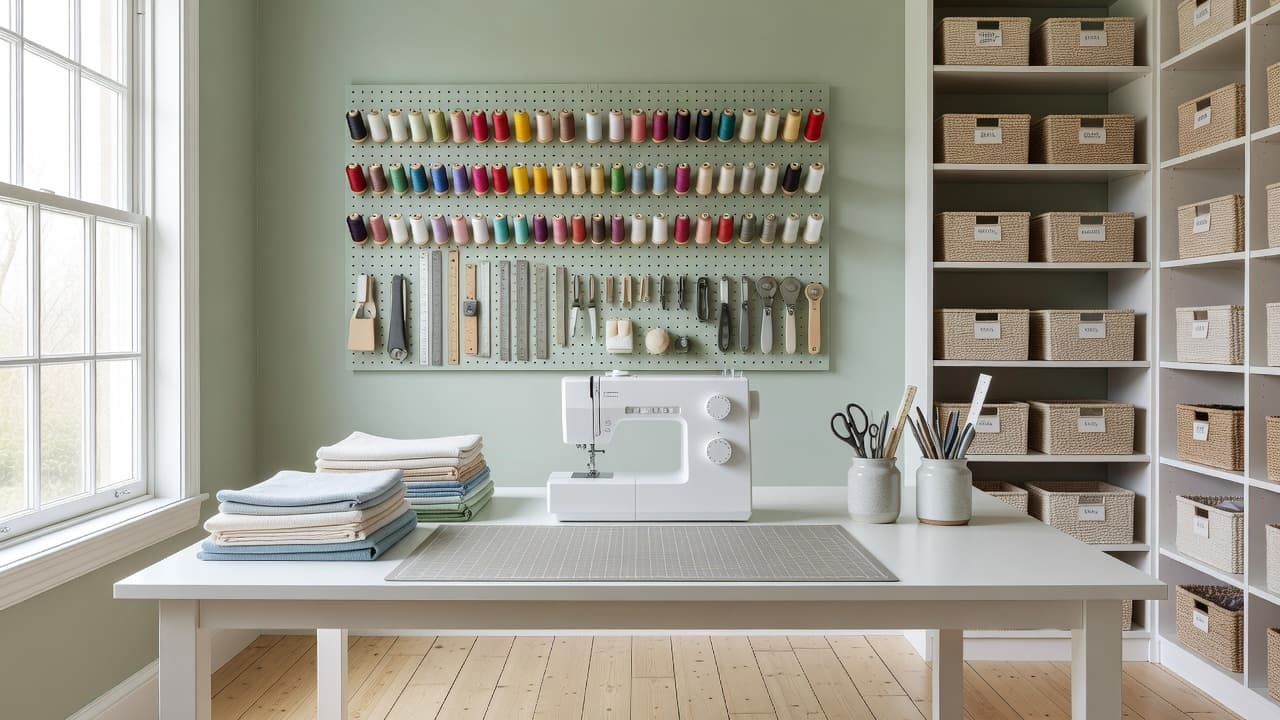
- Go vertical. Pegboards, wall shelves and tall cabinets use wall space and keep the table clear.
- Use clear or labeled containers. Fabric, yarn, beads, paper and paint each get a labeled home.
- Mix open and closed storage. Keep daily tools open and visible, and hide bulky or visually busy materials behind doors.
- Use jars and small trays for small items such as buttons, ribbons and findings.
- Add a rolling cart that holds the current project and moves to wherever you work.
- Edit regularly. If something has not been touched in a year, it is taking space from what you do use. Our guide to decluttering and organizing a room has a simple routine.
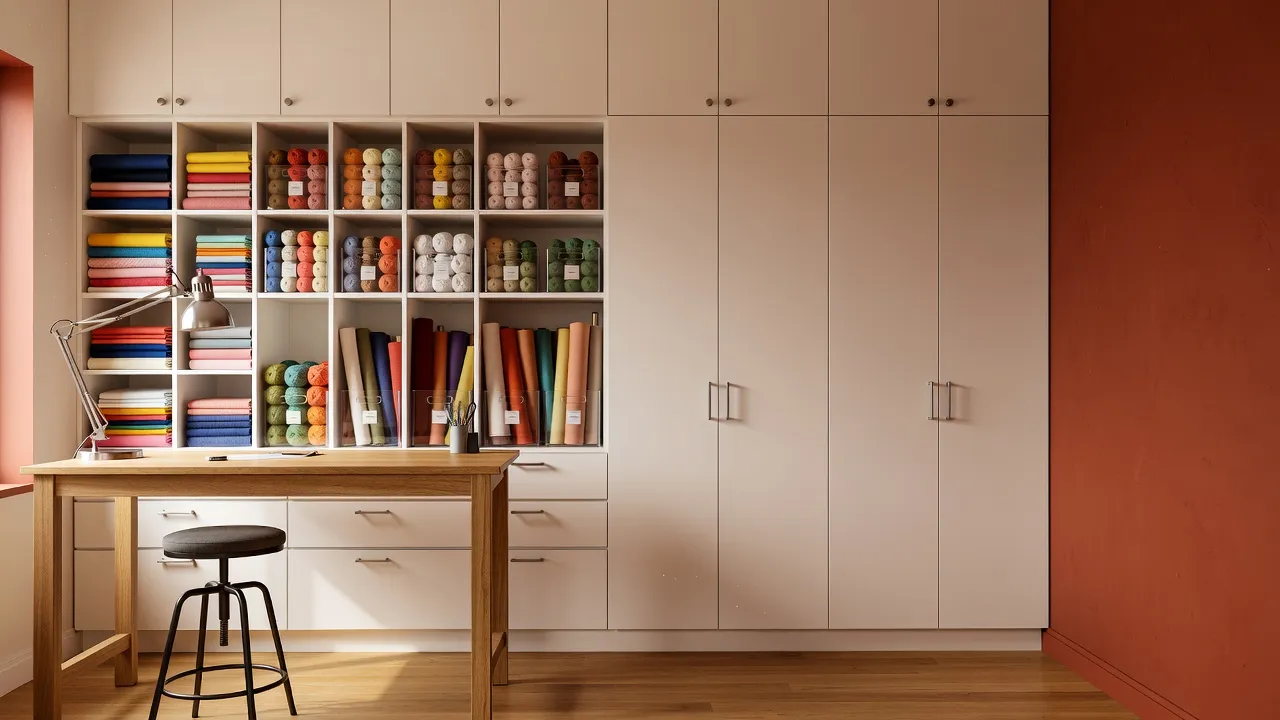
See a Craft Room in Your Own Space
Upload a photo of the spare room, corner or alcove you have in mind and try a worktable layout, a storage wall or a new colour. Compare the versions in seconds before you buy anything.


What Lighting Works Best for a Craft Room?
Poor light causes eye strain and makes colours misleading, so treat lighting as a tool rather than decoration.
- Daylight first. Set the worktable so window light falls across the work from the side, and use sheer curtains to soften glare.
- An adjustable task lamp. A swing-arm or clamp lamp lets you put light exactly where the needle, brush or blade is. Place it opposite your working hand to avoid shadows.
- Even overhead light. A bright ceiling fixture or a few spotlights fill the room so there are no dark corners.
- Neutral bulbs for colour work. Neutral white light shows true colours, which matters when you match thread, paint or fabric.
For more on layering light, read our guide to AI lighting design.
Which Colours and Finishes Suit a Craft Room?
A craft room holds a lot of colour already, so the room itself usually works best as a calm backdrop.
- Soft, muted walls. Sage, warm white, pale grey-blue and soft greige let your materials stand out.
- One accent. A single deeper wall, such as terracotta or deep green, adds personality without competing with the supplies.
- Hard-wearing floors. Wood, vinyl or laminate are easier to sweep for threads, glitter and offcuts than carpet. Add a washable rug if you want softness.
- A pinboard. A cork or fabric board gives you a place for inspiration, swatches and patterns without marking the wall.
How Can I Preview a Craft Room With AI?
Layout and storage mistakes are expensive once the shelves are bought and the wall is drilled. DecorAI lets you test the ideas on a photo of the room first.
- Photograph the room. Stand back far enough to see the walls and floor, keep the camera level and use daylight. Our photo guide for AI design explains how.
- Try styles and colours. Choose the room type and a style, then compare two or three versions to see how a sage wall or a deeper accent reads. DecorAI offers 60+ interior design styles and 40+ colour schemes.
- Edit only one area. Use the Inpainting editor to paint over a wall and describe what should be there, such as a pegboard or open shelves. The rest of the photo stays the same.
- Test a specific piece. If you have a table or cabinet in mind, Furniture Import places an item from a product photo into your room.
If the craft area shares a bedroom, AI Bedroom Design can restyle the whole room around it. Treat every result as a visual concept rather than a measured plan: a preview helps you judge colour, style and proportion, but you should still measure the room, the table and the shelving before you buy or build anything fixed.
What Mistakes Should I Avoid?
- Hiding everything. If supplies are out of sight, you forget you own them. Keep daily tools visible.
- A table that is too small. Projects always grow. Choose the largest surface that still leaves room to move.
- Relying on one ceiling light. It casts shadows right where you work. Add a task lamp.
- Buying storage first. Sort what you own, then buy containers that fit it.
- No power outlets nearby. Check where sewing machines, irons, lamps and chargers will plug in before settling the layout.
Craft Room FAQ
How big should a craft room be?
Many people craft happily in a corner of about two metres by two metres (roughly seven by seven feet), although a dedicated room of a spare-bedroom size lets you spread out. What matters most is room for the table, a chair and the storage you use daily.
What do I need in a craft room?
A sturdy worktable, a comfortable chair, storage you can see, good lighting and a place to display or pin inspiration. Add power outlets close to the table.
How do I set up a craft room in a small space?
Use vertical storage, a fold-down desk or a rolling cart, and keep one surface clear. A pegboard and a few wall shelves give you plenty of storage without using the floor.
Can AI help me design a craft room?
Yes. DecorAI takes a photo of your actual room and generates redesign concepts in different styles, so you can compare colours, layouts and storage ideas before you buy. It is a visual preview, not a measured plan.
Is it free to try DecorAI on my room?
DecorAI offers three free generations per day without requiring an account or credit card. Free generations are unlocked by watching a short rewarded video advertisement.
Conclusion
A good craft room has a clear work zone, a table you can lean on, storage you can see, and light you can control. Whether you have a spare bedroom, a fold-down desk in a corner or a full storage wall, plan the zones first and the details second. Before you buy or build, upload a photo of the space to DecorAI, compare two or three directions and keep the one you would want to sit down and start in. For more ideas, explore the full DecorAI feature directory.
Visualize Your Dream Home Instantly
Don't just read about it. Experience the power of AI interior design with DecorAI's free tool.
Start Designing for FreeWritten by
DecorAI Team
Editorial Team