
How to Declutter and Organize a Room with AI Before You Redesign
A practical guide to decluttering and organizing a room before redesigning it — a room-by-room checklist, a simple keep/store/toss framework, and how to use AI to preview an organized, redesigned version of your actual space before you buy storage or furniture.
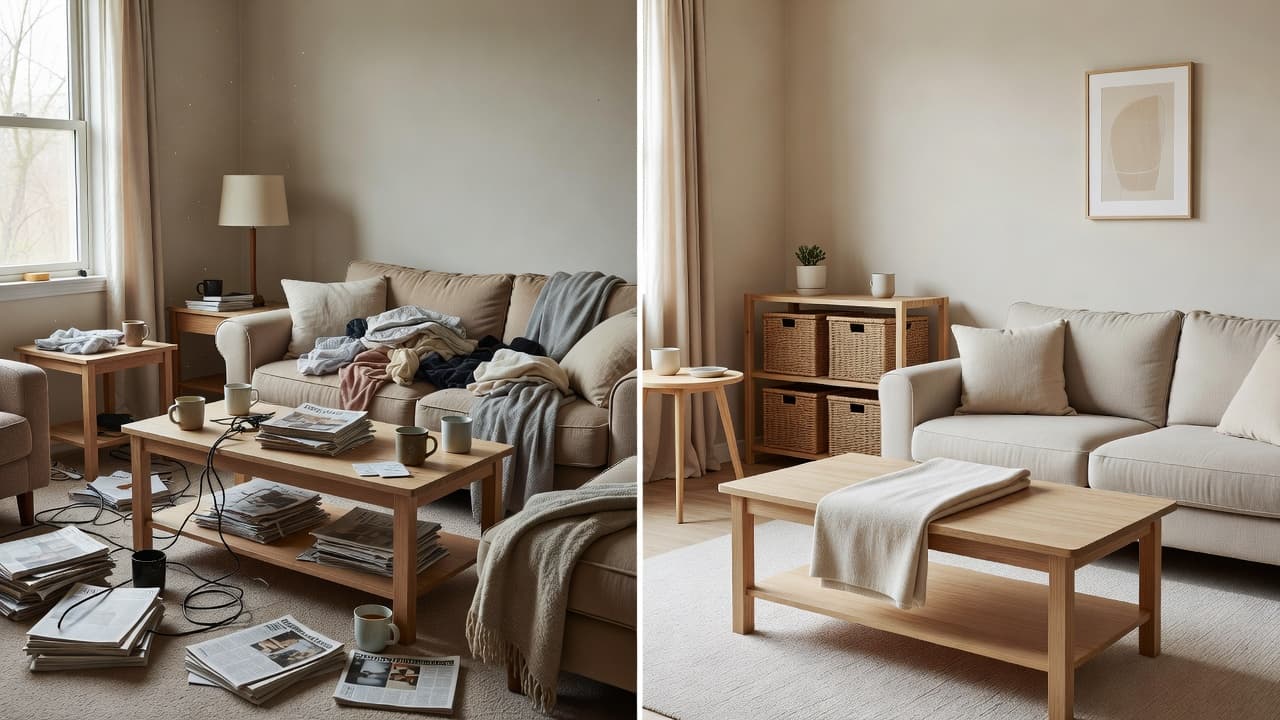
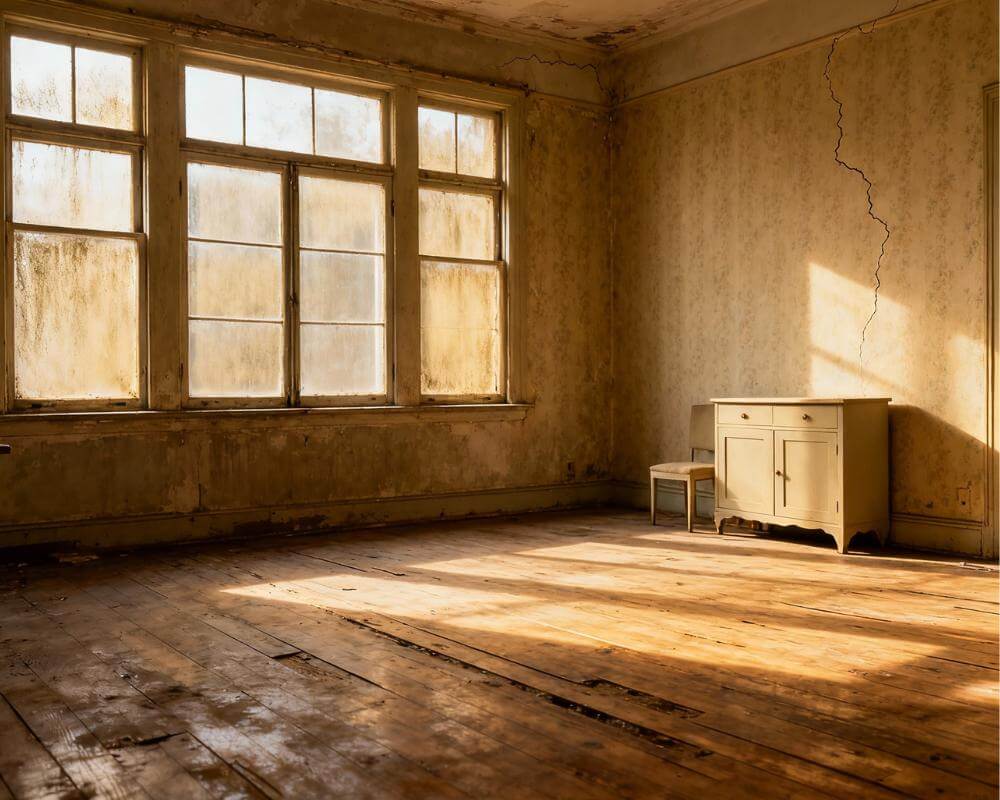
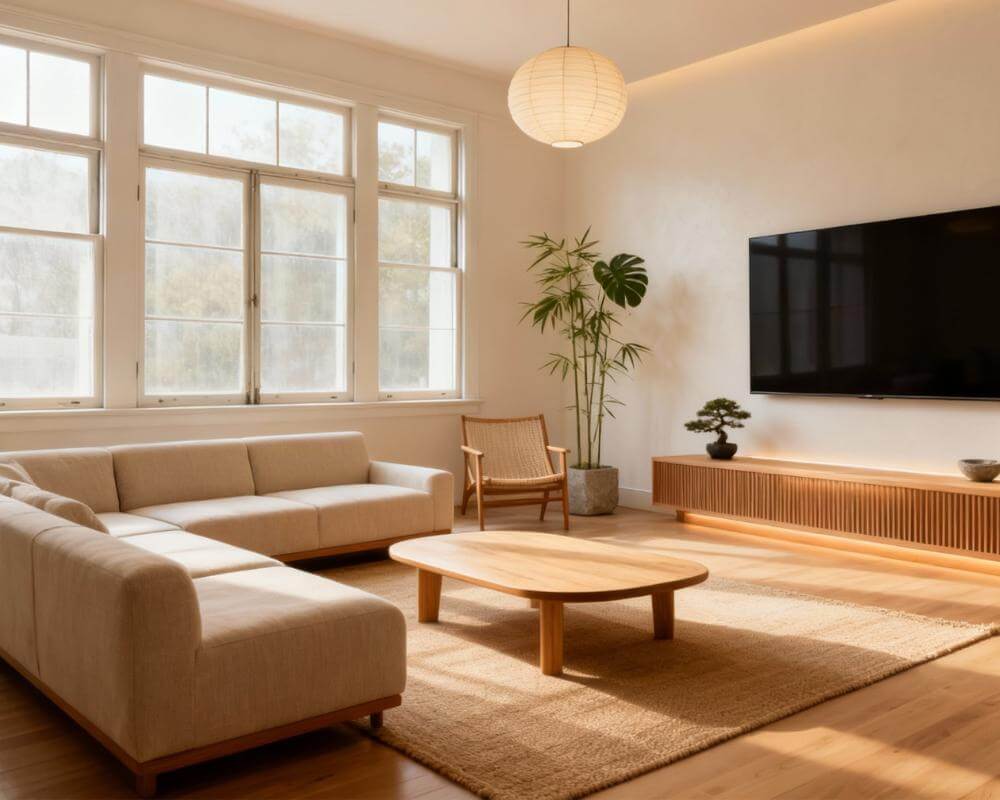
Learning how to declutter a room with AI as part of your process starts with the same basic principle every professional organizer uses: you cannot design around a mess. Before any redesign — new paint, new furniture, a whole new style — actually looks good, the clutter has to go and what's left has to have a home. This guide walks through a practical, room-by-room decluttering checklist, a simple keep/store/toss framework, and how to use DecorAI to preview an organized, redesigned version of your actual room — so you know exactly what you're aiming for before you buy a single storage bin.
Key Takeaways
- Declutter before you redesign, not after — clutter hides a room's real layout and makes it impossible to judge furniture, color, or storage decisions accurately.
- Work in short, defined passes — sort by category and surface rather than trying to tidy an entire room in one pass.
- A simple keep, store, toss framework beats vague "organizing" — every item gets one of three decisions, no maybes.
- Storage should be planned after decluttering, not before — buying bins first often just gives clutter a nicer container.
- AI can preview the payoff — upload a photo of your real room and see what an organized, redesigned version could look like before you commit to storage furniture or a new layout.
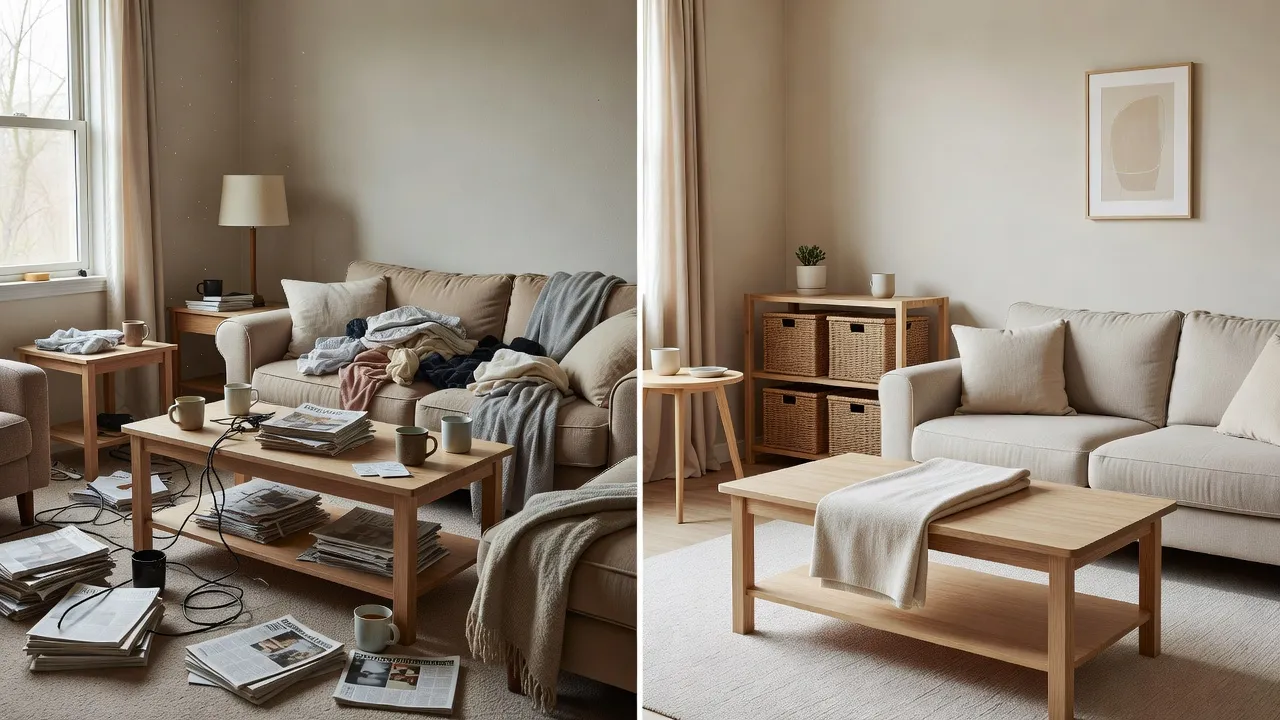
Why Should You Declutter Before Redesigning a Room?
Clutter obscures the things a redesign actually depends on: the room's real proportions, how much wall space is available, where the light falls, and whether existing furniture even fits the flow of the space. A room piled with loose papers, stray cables, and surfaces used as catch-alls will look "off" no matter what color you paint the walls or what new sofa you buy, because the eye reads the mess before it reads the design. Decluttering first also saves money — it's common to buy new furniture or storage to solve a problem that a proper sort-and-purge would have solved for free. If you're specifically working with a small footprint, our guide to AI interior design for small spaces covers how decluttering and smart storage compound to make a room feel larger.
How Long Does Decluttering a Room Actually Take?
For an average bedroom or living room, a focused declutter typically takes two to four hours if you work in defined categories rather than wandering room to room. A closet or a single storage area usually takes one to two hours. The time varies mainly with how long clutter has been accumulating and how many decisions you're deferring — rooms that have been "catch-all" spaces for years take longer because there are more unmade decisions to work through. Breaking the job into 45–60 minute sessions with a clear category target (surfaces, then floor, then storage) keeps the task from stalling out.
What's a Room-by-Room Decluttering Checklist?
The exact clutter varies by room, but the sequence — surfaces, floor, storage — stays consistent everywhere.
Living room
Clear every flat surface first: coffee table, side tables, media console. Sort loose papers, remotes, and chargers into a single designated tray instead of leaving them scattered. Check the floor for anything that's become permanent — shoes, bags, stray toys — and give it a real home elsewhere.
Bedroom
Start with the nightstand and dresser tops, then move to the closet. Clothes that haven't been worn in a year are the single biggest space drain in most bedrooms. Under-bed storage should hold seasonal items only, not become a permanent dumping ground.
Kitchen
Counters first — appliances used less than monthly belong in a cabinet, not on the counter. Then drawers: duplicate utensils and single-use gadgets are the most common source of drawer clutter. A quick check of the pantry for expired items usually frees up more shelf space than people expect.
Home office
Paper is the main enemy here — sort into "act on," "file," and "shred/recycle," and don't let a fourth pile of "figure out later" form. Cable management (a simple clip or box) does more visual work in a home office than almost any other single change. Our AI home office design guide has layout ideas for what to do once the surfaces are clear.
What's a Simple Framework for Deciding What to Keep?
Most decluttering stalls not from lack of time but from indecision on individual items. A simple three-bucket framework removes most of that friction: keep (used regularly, stays in the room), store (used occasionally, moves to a closet, bin, or another room), and toss (donate, sell, or discard). Every item gets exactly one bucket — no "I'll decide later" pile, since that pile just becomes new clutter. This general approach echoes organizing methods like the KonMari method, which popularized deciding item-by-item rather than trying to tidy a whole room at once. The specific labels matter less than the discipline of making a real decision on every object you pick up.
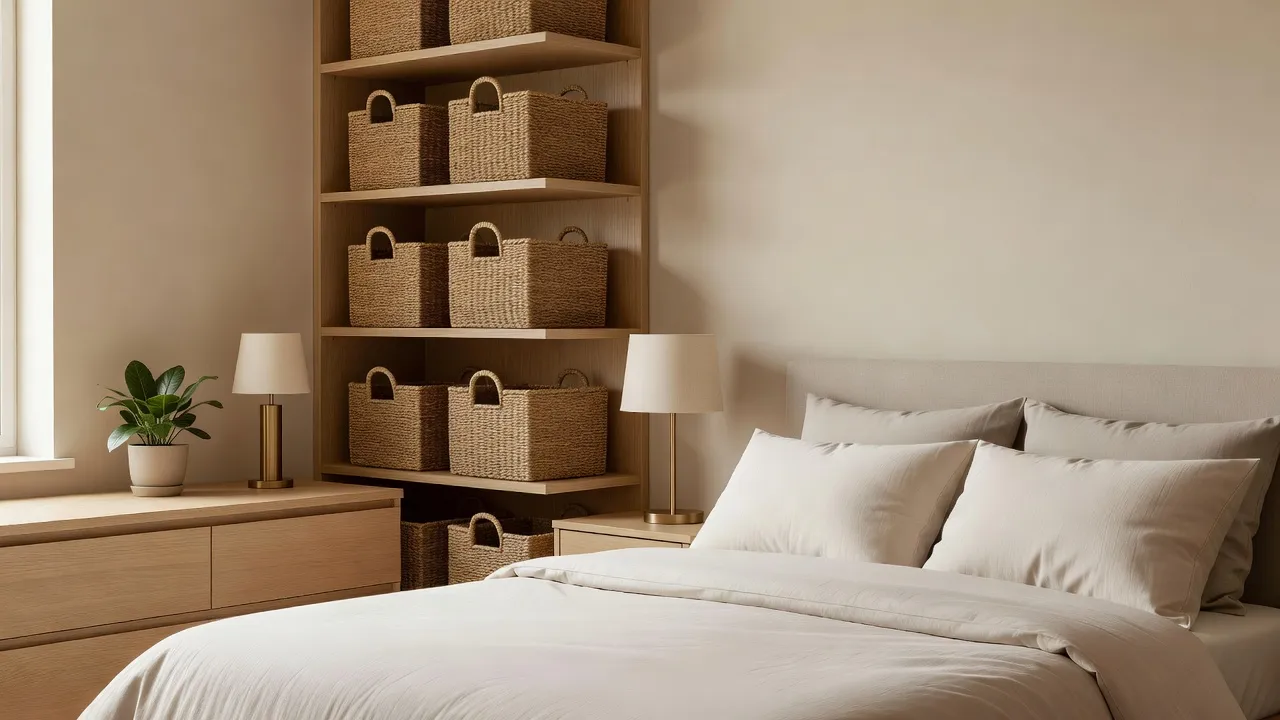
Only after the keep pile is finalized should you think about storage furniture — baskets, shelving, a bench with hidden storage. Buying storage before decluttering almost always results in buying too much, because you're sizing storage to the clutter rather than to what you've decided to actually keep.
Preview Your Organized Room — Free
Once the clutter's gone, it's easier to picture what the room could actually look like redesigned. Upload a photo of your real room to DecorAI and preview a clean, organized, photorealistic redesign before buying any storage or furniture.


What Mistakes Make Decluttering Not Stick?
The most common mistake is buying storage before deciding what to keep, which just gives clutter a tidier container instead of actually reducing it. A second mistake is decluttering by room instead of by category — moving items from the living room to the bedroom "to deal with later" just relocates the problem. A third is skipping the maintenance step: without a quick weekly reset (five or ten minutes putting stray items back where they belong), clutter creeps back within a month. If you're furnishing around pieces you're keeping rather than starting from scratch, our guide to AI interior design with existing furniture covers how to build a redesign around what you already own. Our broader guide to common AI interior design mistakes covers other pitfalls worth avoiding once you get to the redesign stage.
Can AI Show Me What My Room Will Look Like Organized and Redesigned?
Yes. Once a room is decluttered, it's still hard to picture the finished result from an empty, tidied space alone — which storage pieces to add, what layout makes the most of the newly visible floor space, and what style ties it together. With DecorAI, you upload a photo of your actual room and the AI generates a photorealistic redesign using your room's real proportions, windows, and layout, rather than a generic stock example. That makes it possible to compare a few storage and layout options against your real space before buying anything, and to see whether a layout actually uses the space you just cleared. Our AI room layout planner guide covers how to test different furniture arrangements once the clutter's gone, and our budget-friendly AI home decor guide has tips for keeping the redesign affordable.
Decluttering and Organizing a Room — FAQ
Should I declutter before or after redesigning a room?
Always declutter first. Clutter hides a room's real proportions and makes it impossible to accurately judge furniture size, layout, or color choices, and decluttering often solves space problems that would otherwise get "solved" by buying new furniture.
What's the fastest way to declutter a small room?
Clear all flat surfaces first, then the floor, then storage — in that order. Sort items into keep, store, or toss with no fourth "decide later" pile, since that pile becomes new clutter almost immediately.
How do I keep a room from getting cluttered again?
A short weekly reset — five to ten minutes returning stray items to their designated spot — prevents most clutter from rebuilding. Rooms that stay organized long-term almost always have this kind of light, regular maintenance rather than periodic deep cleans.
Should I buy storage bins before or after decluttering?
After. Buying storage first tends to result in buying too much, because you're sizing it to the current clutter rather than to what you've actually decided to keep. Finalize your keep pile, then shop for storage sized to fit it.
Can AI help me plan a room's redesign after decluttering?
Yes — upload a photo of your decluttered room to a tool like DecorAI and it generates a photorealistic redesign based on your room's real layout and proportions, making it easier to plan storage, layout, and style before buying anything.
Conclusion
Decluttering isn't a separate chore from redesigning a room — it's the first and most important step of the redesign itself. A clear keep/store/toss pass, done room by room and category by category, does more for how a space looks and functions than most furniture purchases. Once the clutter's gone, DecorAI lets you preview exactly what an organized, redesigned version of your real room could look like before you spend on storage or furniture. Explore the style gallery or start from the DecorAI homepage to try it yourself.
Visualize Your Dream Home Instantly
Don't just read about it. Experience the power of AI interior design with DecorAI's free tool.
Start Designing for FreeWritten by
DecorAI Team
Editorial Team
Related Articles

How to Choose a Sofa for Your Living Room: Size, Fabric, Shape and a Preview Before You Buy
9 min read
How to Decorate a Fireplace Mantel: Balance, Layers and an AI Preview Before You Hang Anything
9 min read
How to Style a Bookshelf: Shelf-by-Shelf Ideas You Can Preview With AI
9 min read