AI Entryway Design: Foyer Ideas That Make a Great First Impression
A complete guide to AI entryway design — how to plan a welcoming foyer, style a small entry hall, choose lighting, and preview it all with AI before you buy anything.
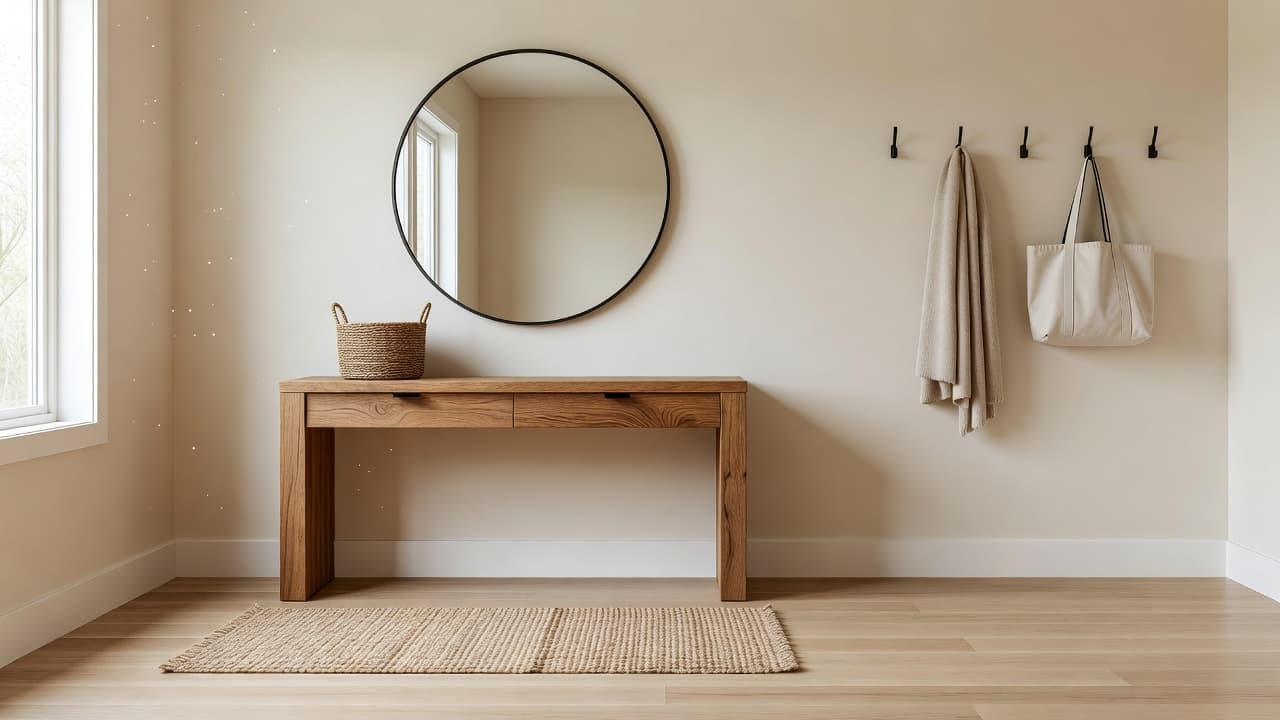
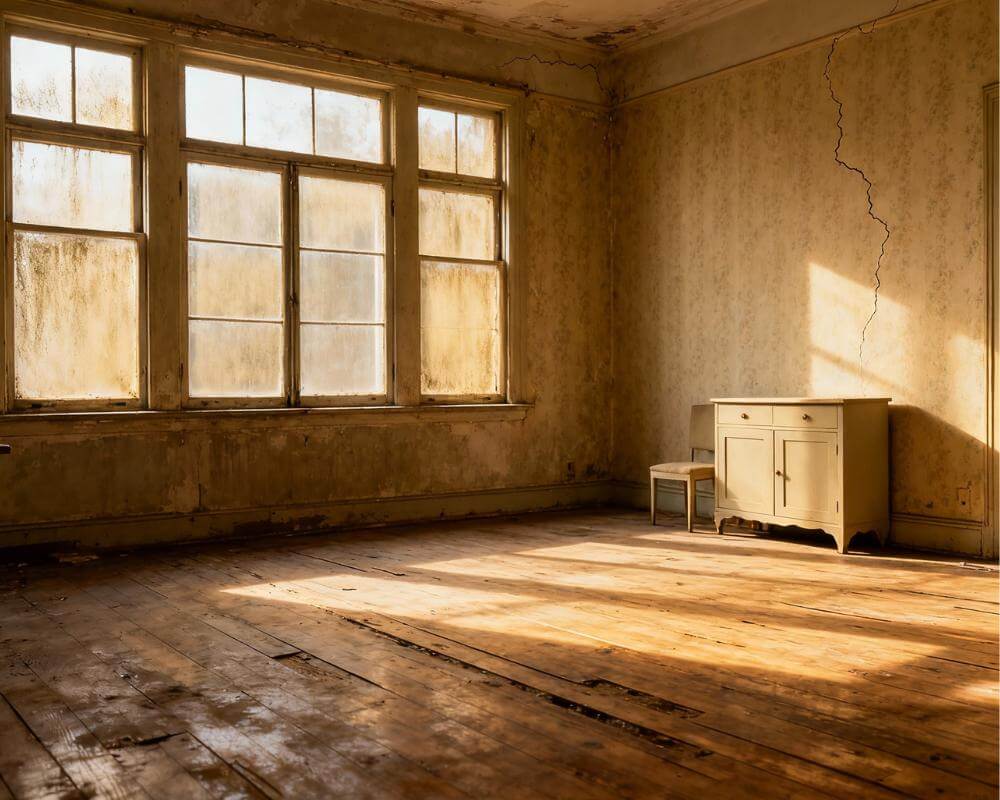
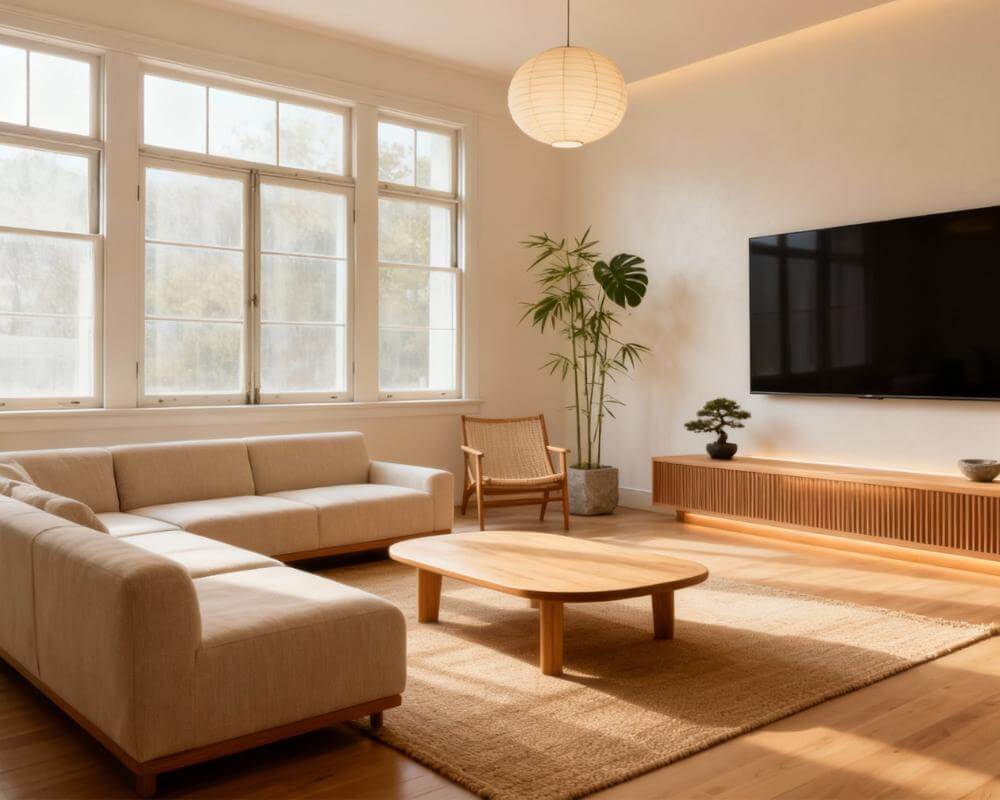
AI entryway design turns the most overlooked room in the house into the one that sets the tone for everything after it. Your foyer is the first thing you and every guest see, yet it is usually the last space to get any real design attention. With DecorAI, you can upload a photo of your actual entryway — narrow hallway, awkward closet door and all — and preview a redesign before you buy a single hook or runner rug. This guide covers what makes an entryway work, how to handle small or oddly shaped spaces, lighting and storage choices, and how to use AI to test ideas before committing.
Key Takeaways
- The entryway sets the first impression for your entire home, so small, targeted upgrades here carry outsized visual impact.
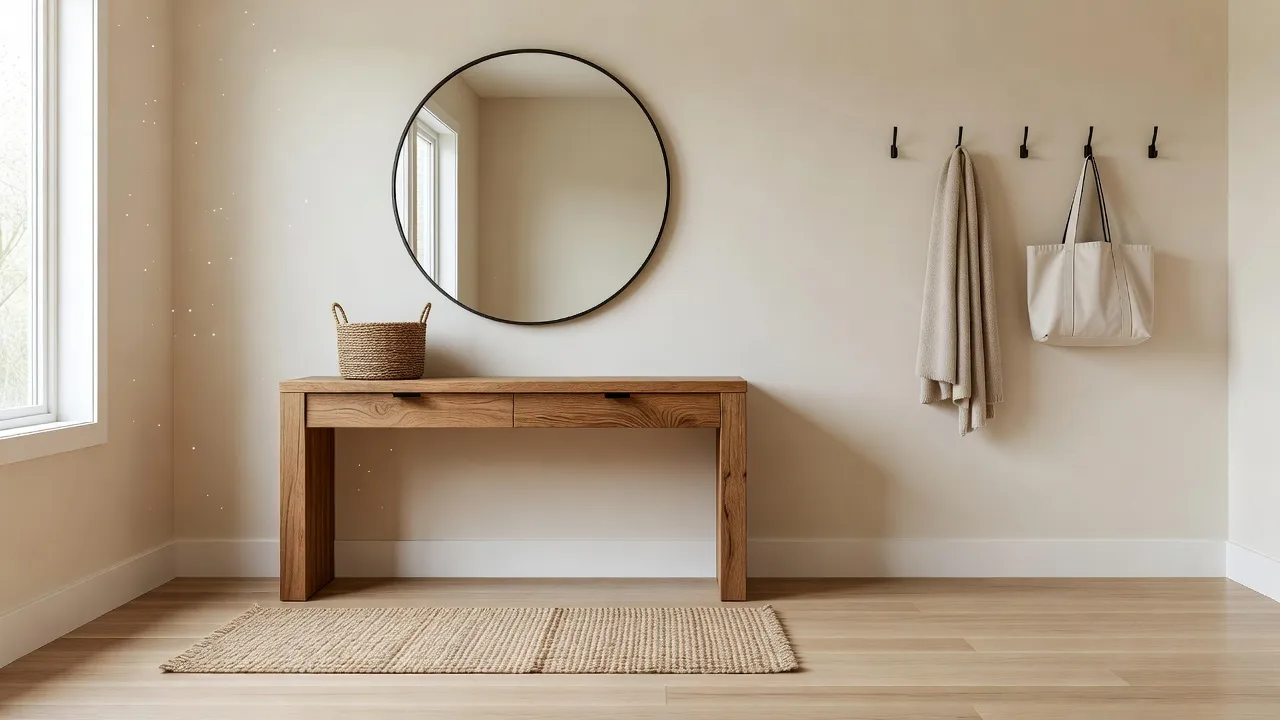
- Storage and style can coexist — a bench, hooks, and a basket handle daily clutter while a mirror, rug, and lighting handle the look.
- Small and narrow entryways benefit most from vertical storage, a slim console, and a large mirror rather than more furniture.
- Lighting does more work here than almost any other room — entryways are often windowless or dim, so layered light matters.
- AI interior design lets you preview a foyer redesign on your real hallway photo, so you can judge scale and flow before buying furniture that won't fit.
What Is AI Entryway Design?
AI entryway design uses a photo of your actual foyer or entry hall to generate a photorealistic redesign of that specific space, rather than showing you generic inspiration photos pulled from someone else's house. Because the AI works from your real walls, doorways, and floor, the furniture and layout it suggests are sized to fit what you actually have — a meaningful difference in a room type where a few extra inches of console table depth can block a door from swinging open.
A foyer, in architectural terms, is simply the transitional space between the front door and the rest of the home. In many houses and apartments it has no dedicated function beyond "the place you walk through," which is exactly why it tends to get neglected — until it becomes the spot where shoes, mail, and bags pile up instead.
Why Does the Entryway Deserve Design Attention?
The entryway is the room every single person who enters your home sees first, and psychologically it frames how the rest of the space is perceived. A cluttered, dim, or unstyled entry undercuts a beautifully designed living room just a few steps away. If you are preparing to sell or list a short-term rental, this effect is measurable: our AI home staging guide covers how first-impression spaces like entryways and living rooms influence buyer and guest perception before they've seen anything else.
The good news is that entryways are usually small, which means a genuinely great redesign is one of the cheapest updates in the house — a rug, a mirror, a light fixture, and some hooks can transform the space for a fraction of what a kitchen or living room update costs.
What Are the Best Ideas for a Small or Narrow Entryway?
Most entryways are small by nature, and the goal is to add function without making the space feel tighter. A few approaches consistently work:
Go vertical, not wide
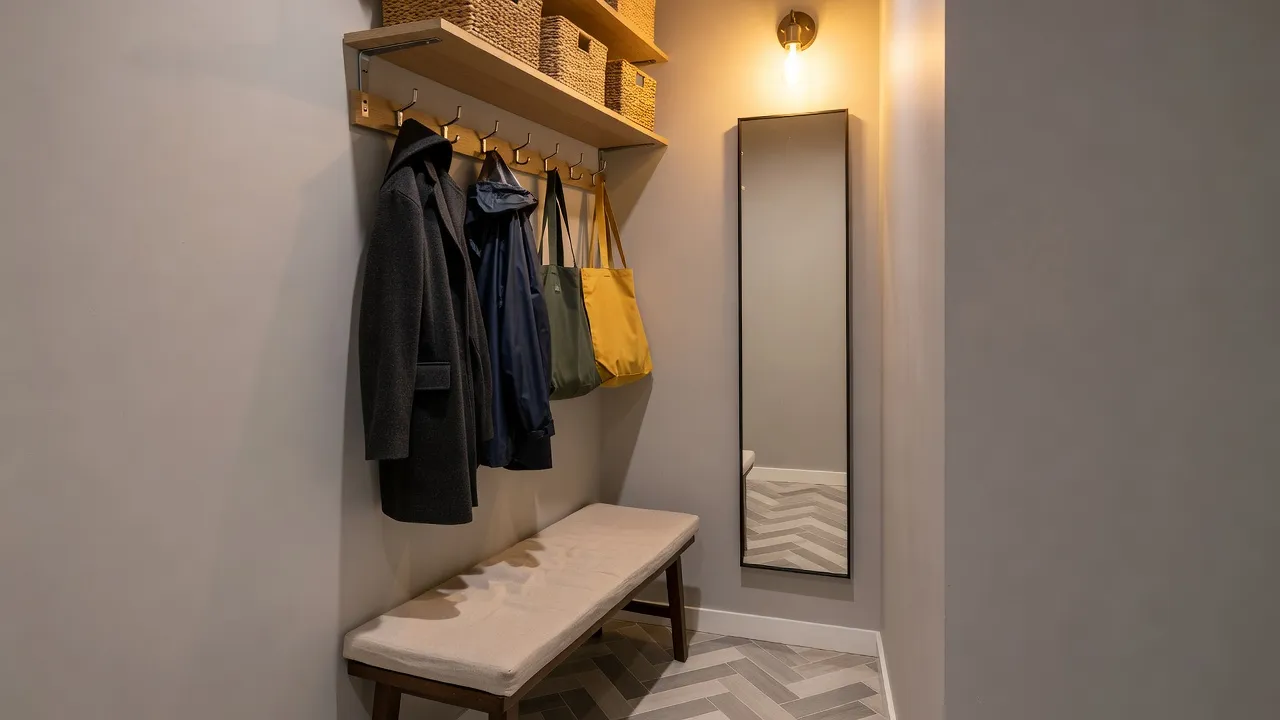
Wall-mounted hooks, a slim floating shelf, and a tall narrow mirror add storage and visual height without eating floor space. This matters most in apartment hallways where a console table simply won't fit without blocking traffic.
Choose one piece of furniture, not three
A small bench or a narrow console — not both — is usually enough. Pick the one that solves your actual daily problem: a bench if you sit to put on shoes, a console if you need a landing spot for keys and mail.
Use a runner rug to define the space
Even without walls to separate it, a runner rug visually marks the entryway as its own zone, which reads as intentional design rather than leftover hallway. The same small-space logic that applies to small living rooms and studio layouts applies here: fewer, well-chosen pieces beat a cluttered mix.
How Should You Light and Style a Foyer?
Entryways are frequently windowless or lit by a single overhead fixture, which tends to leave them flatter and dimmer than every room around them. Layering light fixes this: a statement pendant or flush-mount for ambient light, a wall sconce or picture light for warmth, and if there's a console, a small lamp for a welcoming glow at eye level when the door opens.
Styling-wise, a foyer is one of the few rooms where a bolder choice — a patterned wallpaper, a gallery wall, a dark accent color — reads as confident rather than overwhelming, because you pass through it rather than living in it for hours. Getting the palette right matters more than it might seem; our AI color palette guide covers how to choose colors that carry through into adjoining rooms so the transition doesn't feel jarring.
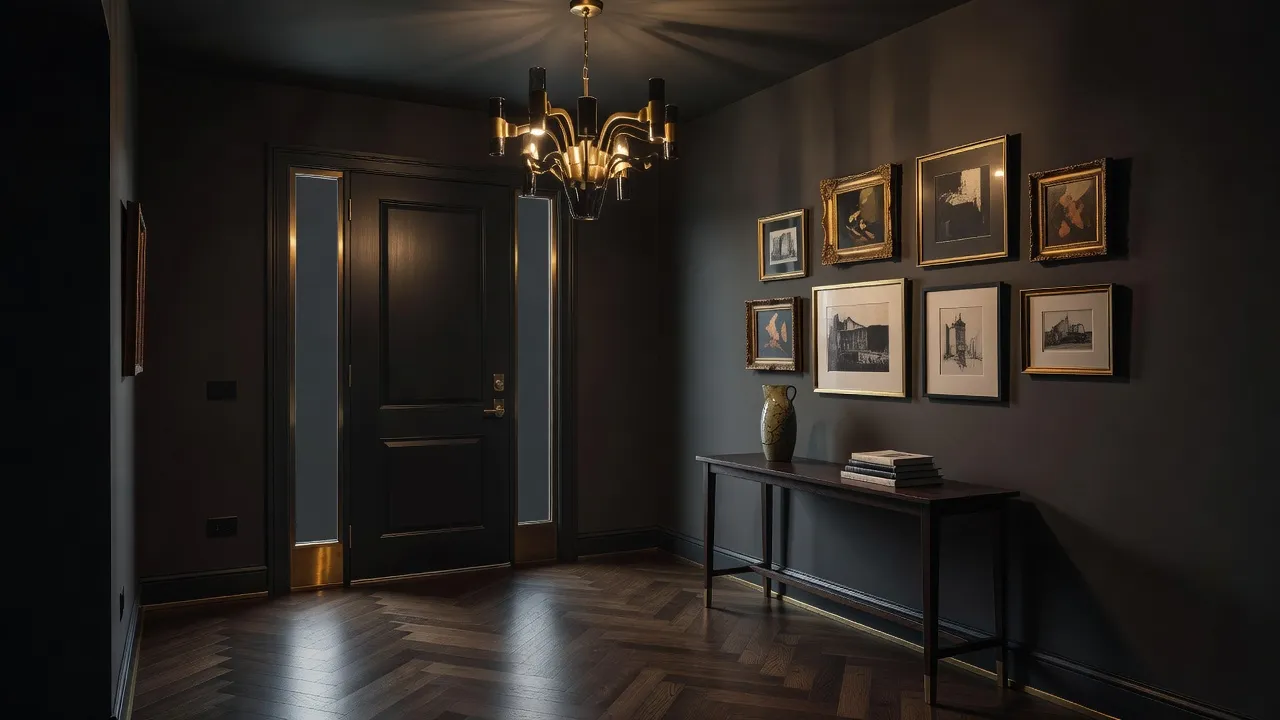
See Your Entryway Redesigned — Free
Upload a photo of your entryway or foyer exactly as it looks today. DecorAI generates a photorealistic redesign sized to your real hallway, so you can judge scale, storage, and style before buying anything.


Is a Foyer the Same Thing as a Mudroom?
No, though they overlap. A foyer is primarily about the transition and first impression — it's the space you see, and it's meant to look considered. A mudroom is primarily functional — a place to contain shoes, coats, and outdoor gear before they reach the rest of the house, often tucked near a side or garage entrance rather than the main front door. Many homes only have room for one, in which case the practical approach is to design your single entry space to handle both jobs: a bench and hooks for the mudroom function, layered into a look considered enough to double as your foyer's first impression.
Interestingly, this dual-purpose thinking connects to older design traditions too — in feng shui principles, the entry is considered the point where energy enters a home, and practitioners have long emphasized keeping it clear, well-lit, and unobstructed — which happens to align closely with the practical advice above.
What Mistakes Should You Avoid in an Entryway?
The most common mistake is treating the entryway purely as storage — piling up shoes, bags, and mail without any styling — which makes even a nice house feel disorganized from the first step inside. The opposite mistake is styling it purely for looks with no storage at all, which guarantees the clutter shows up somewhere else, usually the floor by the door. The fix is combining both in one plan rather than picking a side.
Another frequent issue is buying furniture sized from a photo of someone else's much larger foyer. Measure your actual space first, and if you're using AI to preview options, work from a photo of your real hallway rather than a generic style reference — our guide to photographing your room for AI design covers how to capture a narrow hallway accurately so the scale in your preview matches reality. Finally, don't assume a full renovation is required — most entryway transformations are paint, lighting, a rug, and a couple of well-chosen small pieces, which our budget home decor guide covers in more depth.
AI Entryway Design — FAQ
What furniture do I actually need in an entryway?
At minimum, a spot to set down keys and mail, and a place for shoes and coats. A small console or bench plus wall hooks covers both needs in most homes; a mirror and a rug are the next-highest-impact additions after that.
How do I design a small or narrow entryway?
Prioritize vertical storage over floor-standing furniture, choose one primary piece rather than several, and use a runner rug and a large mirror to visually open up the space without adding bulk.
What's the difference between a foyer and a mudroom?
A foyer is the first-impression transition space near the main entrance; a mudroom is a functional space for shoes and outerwear, often near a side entrance. Many homes combine both roles into a single entry space.
Why does my entryway feel dark?
Entryways are frequently windowless and lit by a single overhead fixture. Layering in a wall sconce, a picture light, or a small lamp adds warmth and depth that a single ceiling light can't provide on its own.
Can I preview entryway ideas before buying furniture?
Yes — photograph your entryway as it currently looks and upload it to DecorAI to generate a photorealistic redesign sized to your real space, so you can judge how a console, bench, or lighting choice will actually look and fit before purchasing.
Conclusion
A great entryway doesn't require a renovation — it requires the right handful of pieces, chosen at the right scale, with enough light to feel welcoming instead of like a leftover hallway. DecorAI lets you preview that redesign on a photo of your actual entryway, so you can see exactly how a console, mirror, rug, or lighting update will look before you spend anything. Browse the styles gallery for inspiration or start from the DecorAI homepage to try it on your own space.
Redesign Your Entryway in Seconds — Free
Open DecorAI's web app, upload a photo of your entryway as it looks today, and preview a photorealistic redesign built around your real space. Your first designs are completely free.
Try the DecorAI Web App Free →No credit card required · Works on any device with a browser
Visualize Your Dream Home Instantly
Don't just read about it. Experience the power of AI interior design with DecorAI's free tool.
Start Designing for FreeWritten by
DecorAI Team
Editorial Team