How to Choose an Interior Design Style With AI
A practical method for choosing an interior design style that actually suits your home: how to read the signals in the space you already have, what separates the major styles, and how to test five or six of them on a photo of your real room before you buy anything.
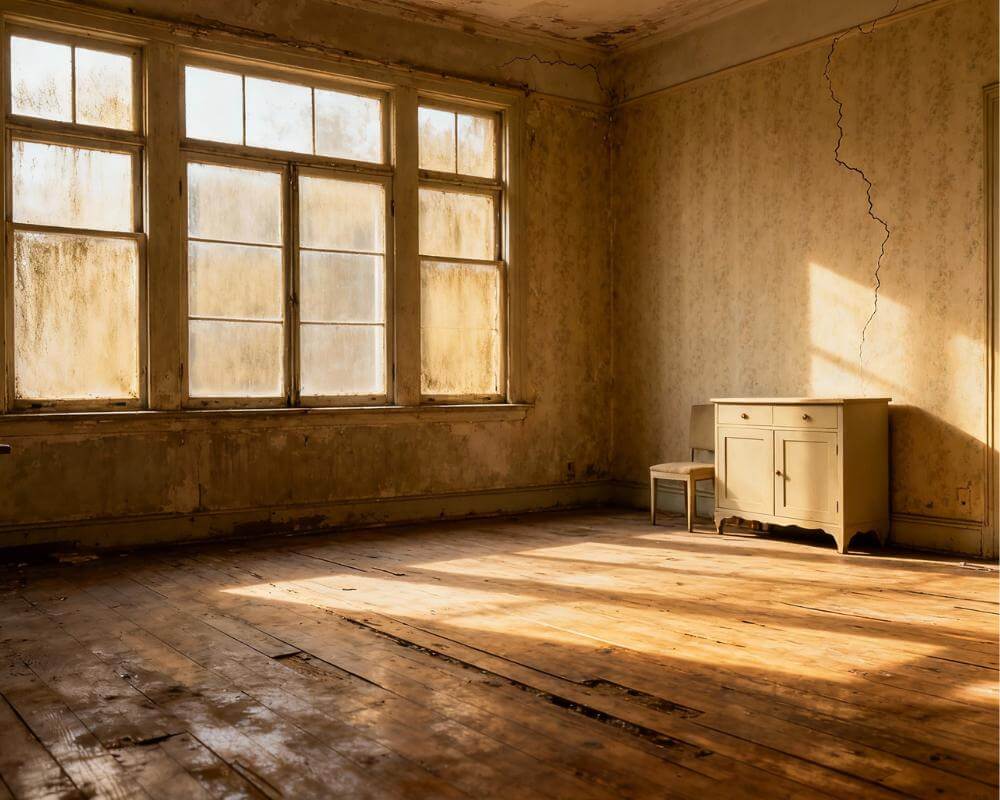
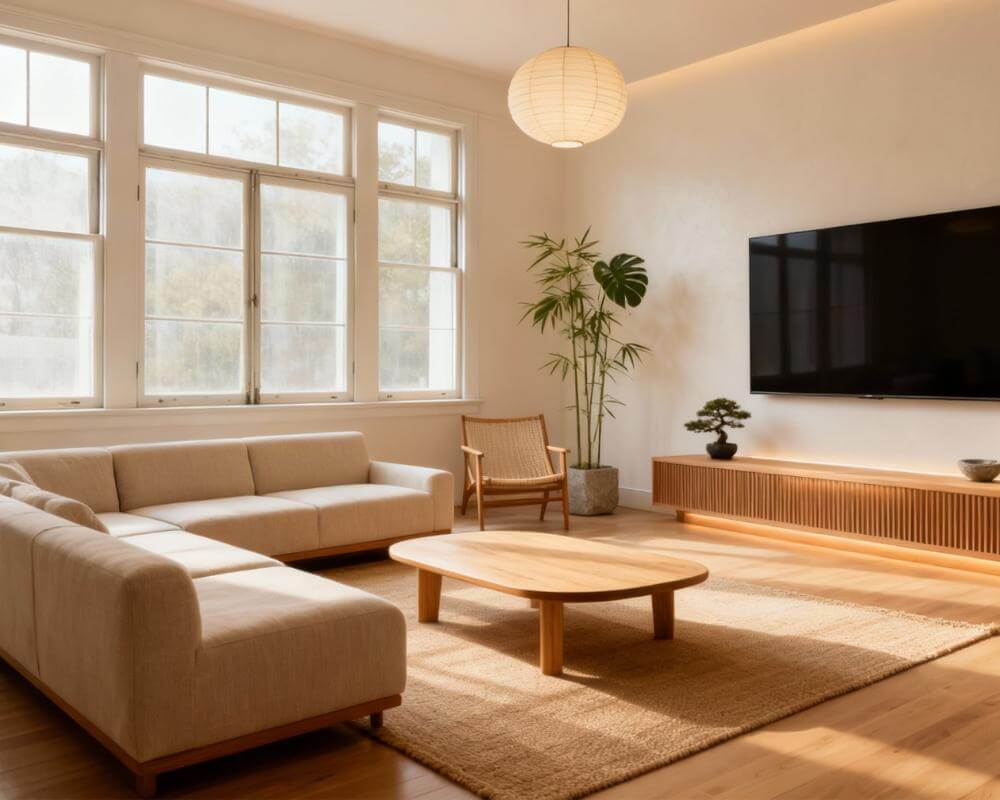
Knowing how to choose an interior design style is the step almost everyone skips, and it is the reason so many rooms end up as a collection of individually nice things that do not agree with each other. The usual advice — scroll until something speaks to you — fails because a style that looks stunning in a photographer's loft can fall apart in a north-facing rental with beige carpet. The faster route is to stop guessing and start testing: DecorAI is an AI interior design app that lets users transform photos of existing rooms into realistic redesign concepts, so you can see your actual room in five or six candidate styles side by side and pick the one that genuinely works rather than the one that photographed well in someone else's house.
Key Takeaways
- Your room has already narrowed the field — light direction, ceiling height, floor tone, and architecture rule out several styles before you choose anything.
- Most styles differ on three axes: warm or cool palette, ornate or restrained, and matte-natural or polished-glossy materials.
- Test before you commit. Seeing the same room rendered in five styles settles the question faster than weeks of scrolling.
- You do not have to pick one label — most well-designed rooms sit between two neighbouring styles rather than inside a single category.
- Try DecorAI free to see your own room in several styles before spending anything.
Why Is Choosing an Interior Design Style So Difficult?
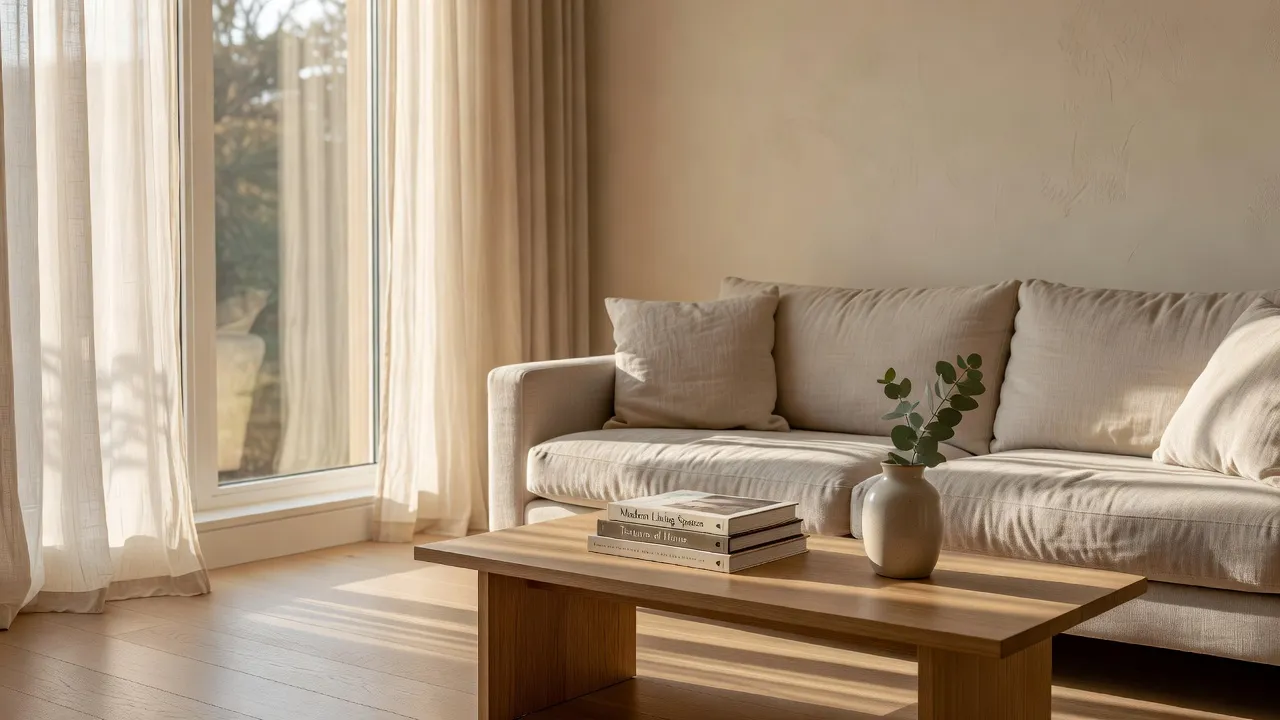
The difficulty is not a shortage of options — it is that inspiration images are unreliable evidence. A saved photo shows you a room with its own ceiling height, window orientation, floor colour, and professional lighting, none of which you are bringing home with you. What you are actually responding to in that image is often the light rather than the style, or the generous proportions rather than the furniture, and neither transfers.
There is a second problem: style names are slippery. Modern, contemporary, and minimalist get used interchangeably in catalogues even though they mean different things, and a sofa marketed as "mid-century" is frequently just a sofa with tapered legs. Working from labels alone, you can buy six pieces that each match the description and still end up with a room that has no coherent point of view.
The practical fix is to reverse the order. Instead of choosing a style in the abstract and then trying to force your room into it, read what your room is already telling you, shortlist the two or three styles that suit those conditions, and then look at all of them applied to your actual space before you commit.
What Should You Notice About Your Room First?
Four features of your space eliminate more options than any preference you have, so start there.
Light direction and quality
South-facing rooms get warm, generous light that can carry deep, saturated colours and heavy textures without feeling gloomy. North-facing rooms receive cooler, flatter light all day, which makes grey-leaning palettes look colder than they did on screen and rewards warmer whites, wood tones, and layered textiles instead. This one factor alone often decides between a cool Scandinavian scheme and a warmer, earthier one.
Ceiling height and proportion
Tall ceilings support visual weight — large-scale art, deep colours, substantial furniture, ornate detail. Standard or low ceilings do better with lower-profile furniture and lighter, less busy surfaces. Styles built on grandeur, like Art Deco or a full maximalist scheme, need the height to make sense of them.
The things you cannot change
Floor tone, kitchen cabinetry, tile, and window frames are usually fixed, especially for renters, and they are the hardest elements to fight. Orange-toned oak floors resist a cool grey scheme; glossy white tile resists a rustic one. A style that works with what is already there will always look more deliberate than one imposed on top of it.
How the room is actually used
A room where people eat, work, and put their feet up needs durable, forgiving materials. Styles built on pale upholstery and uncluttered surfaces demand a level of maintenance that a busy household will lose interest in within a month, and a style you cannot sustain is not really a style you have chosen.
What Are the Main Interior Design Styles?
Dozens of named styles exist, but most of the ones people actually choose between cluster into a handful of families. Reading them by what they do rather than what they are called makes the shortlist much easier.
Scandinavian
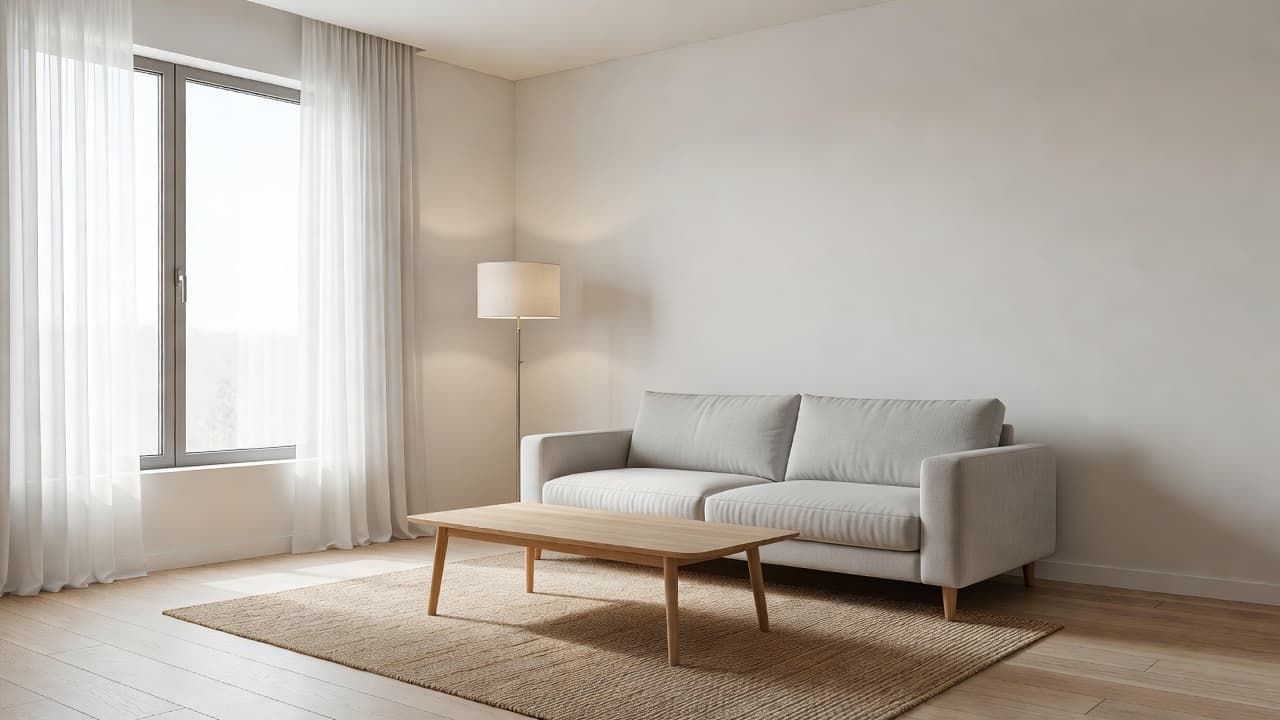
Pale woods, white or soft grey walls, uncluttered surfaces, and an emphasis on natural light. It suits smaller rooms and darker climates because everything in it is working to bounce light around. Our AI Scandinavian interior design guide covers the palette and materials in detail.
Japandi
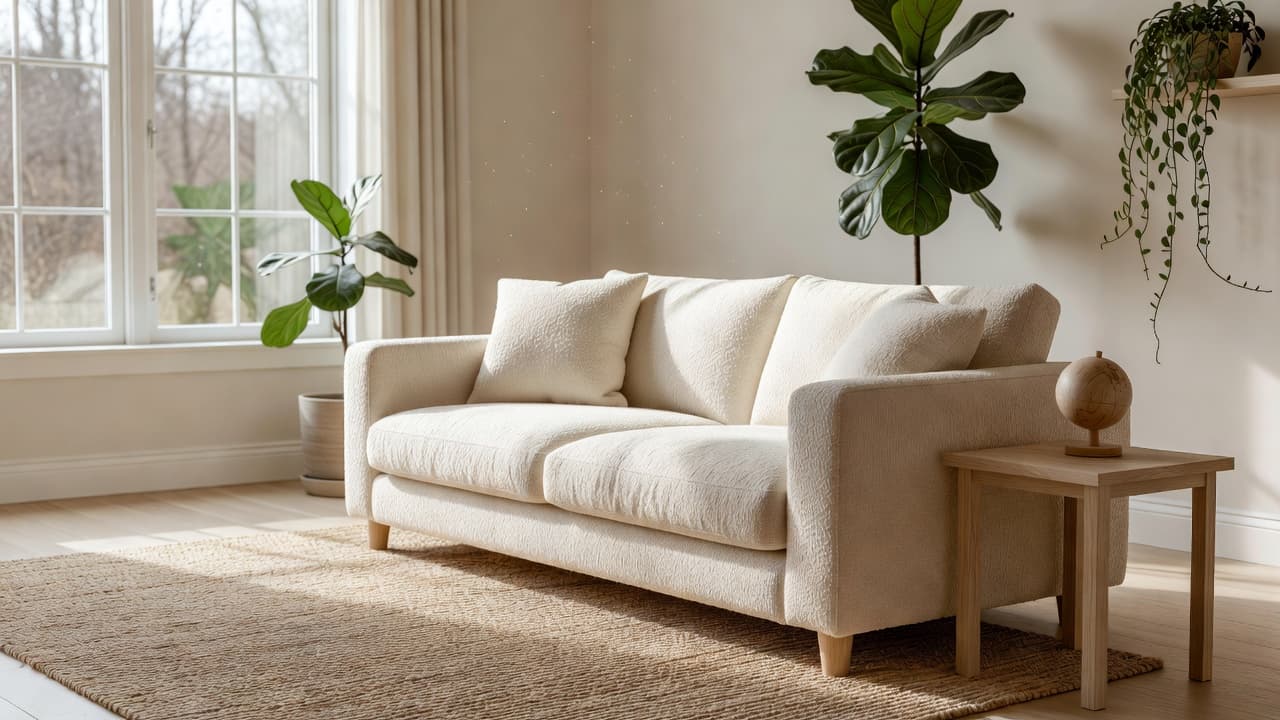
The quieter middle ground between Scandinavian lightness and Japanese restraint — low furniture, warm neutrals, natural fibres, and very little ornament. It reads calm rather than cold, and it is forgiving in rooms with modest proportions. See the Japandi style guide for the specifics.
Mid-century modern
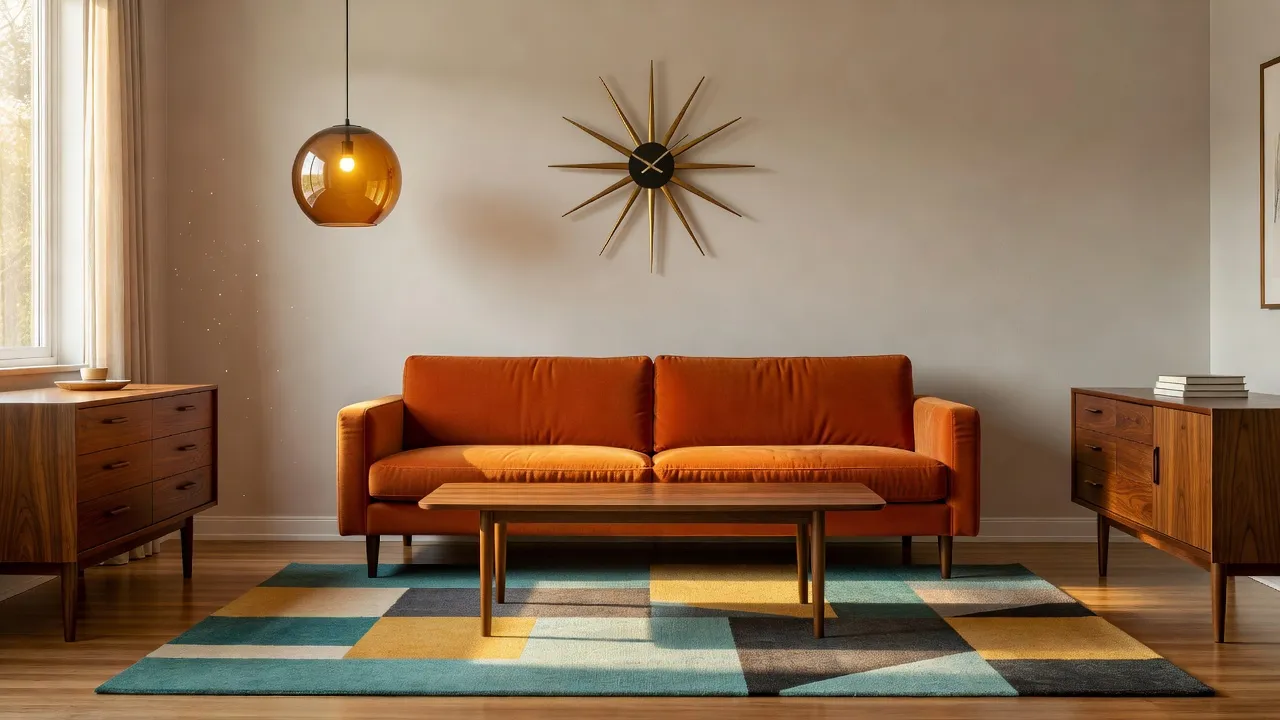
Walnut and teak, tapered legs, clean silhouettes, and confident accent colours like burnt orange, mustard, and teal. It flatters open-plan spaces and works particularly well in homes that already have period features from the same era. The mid-century modern guide goes deeper on furniture shapes.
Minimalist
Restricted palette, hidden storage, and a deliberate absence of visual noise. It demands real discipline about possessions, which is why it succeeds in some homes and quietly collapses in others. Our minimalist guide covers making it feel warm rather than austere.
Bohemian and maximalist
Layered textiles, plants, collected objects, pattern mixing, and colour used generously. These reward people who genuinely own and love a lot of things, and they hide clutter far better than any minimal scheme. Compare the bohemian guide with the bolder maximalist approach.
Modern farmhouse and industrial
Two different answers to the same wish for texture and character: one leans warm, rustic, and soft, the other on brick, metal, and exposed structure. See the modern farmhouse guide and the industrial guide.
Transitional
The deliberate midpoint between traditional and contemporary — classic furniture shapes in restrained, modern finishes. It is the most common landing spot for people who like elements of both and want a room that will not date quickly. Our transitional style guide explains how to balance the two halves.
The Three Questions That Narrow It Down Fastest
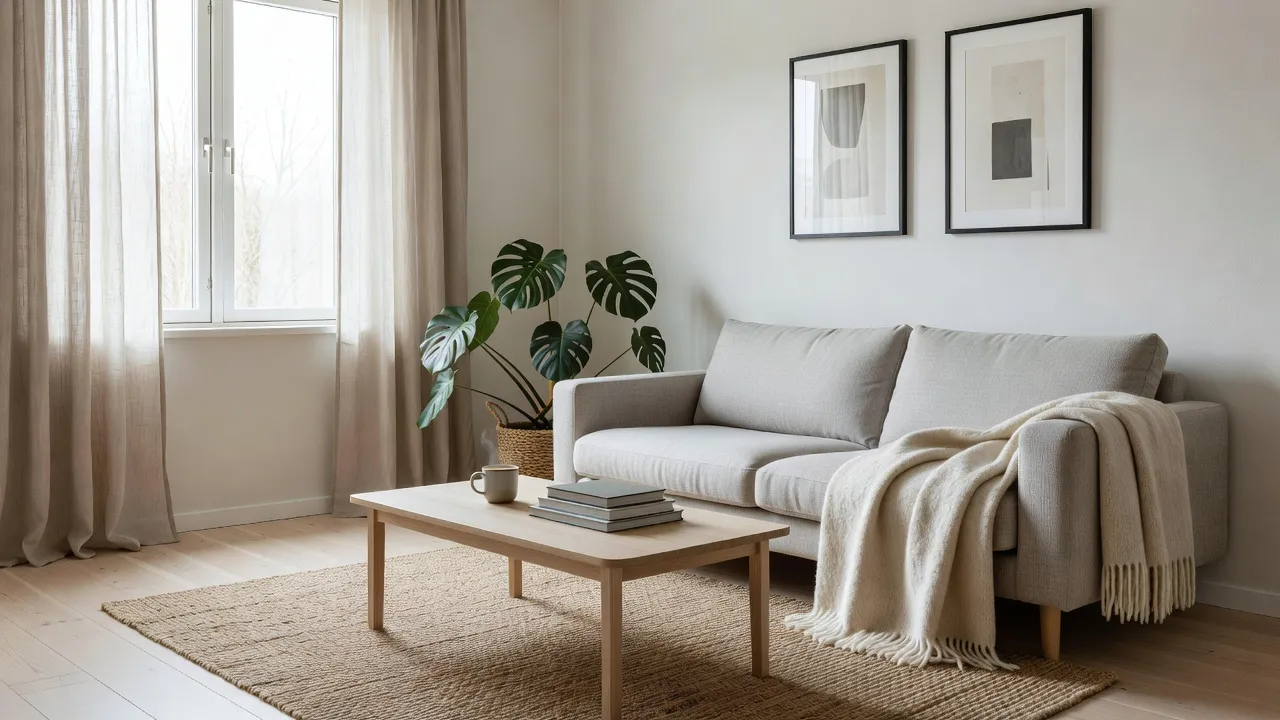
Rather than memorising style definitions, answer three questions about what you are drawn to. Almost every style sits somewhere on these axes, and your answers will point at two or three candidates rather than twenty.
- Warm or cool? Do you gravitate to creams, terracotta, wood, and brass, or to greys, whites, black, and cooler stone? This single answer separates modern farmhouse and Mediterranean from Scandinavian and contemporary.
- Full or spare? Does a room with layered rugs, stacked books, and plants read as cosy to you, or as cluttered? This is the divide between bohemian and maximalist on one side, minimalist and Japandi on the other.
- Natural or polished? Are you drawn to matte, textured, imperfect materials — linen, rough plaster, aged wood — or to smooth, refined ones like lacquer, glass, marble, and polished metal? This separates wabi-sabi and rustic schemes from Art Deco and glam.
Two people can both say they like "modern" and mean opposite things on all three axes. Answering them explicitly is faster and more accurate than any style quiz.
How Can AI Help You Choose an Interior Design Style?
The reason a shortlist is still hard to resolve is that you cannot picture your own room convincingly. AI closes that gap: upload one photo and generate the same space in each candidate style, at your ceiling height, with your window and your floor, then compare them directly instead of comparing your room to someone else's photograph.
What makes this useful is not novelty but the control it removes from the comparison. Every version shares the same room, the same viewpoint, and the same light, so the only variable is the style itself — which is exactly the comparison that inspiration photos cannot give you. How AI interior design works covers the mechanics in more depth, and how to photograph your room explains getting a shot the model can actually use.
See Your Room in Every Style — Free
Upload one photo and watch DecorAI restyle your actual room in seconds. Compare Scandinavian, Japandi, mid-century, and more side by side, then pick the one that genuinely fits your space.


The Five-Style Test: A Practical Method
If you want a concrete process rather than a principle, this one takes about twenty minutes.
- 1. Photograph the room honestly. Shoot from the doorway in daylight, with the room as it actually is. Tidy it, but do not stage it — you want the real proportions and the real floor.
- 2. Pick five candidates, not two. Include at least one style you assume you will dislike. It is common for that one to win, because assumptions about style are usually built on badly executed examples.
- 3. Generate all five from the same photo. Same angle, same light, one variable.
- 4. Look at them the next morning. First reactions favour novelty and drama; a day later you will notice which one you would actually want to sit in.
- 5. Choose the one you keep returning to, then check it against your fixed elements. If it fights your floor or your kitchen, take the runner-up or shift it toward the neighbouring style that agrees with them.
The point of five is that comparison is what produces clarity. A single generated image tells you whether you like an image; five of the same room tell you which direction is right.
What Are the Most Common Mistakes When Choosing a Style?
- Choosing from photos of rooms unlike yours. A double-height loft with north light and concrete floors is not a template for a standard flat, however good the picture is.
- Buying the big piece first. A sofa is the hardest item to reverse. Settle the direction before the largest purchase, not after it.
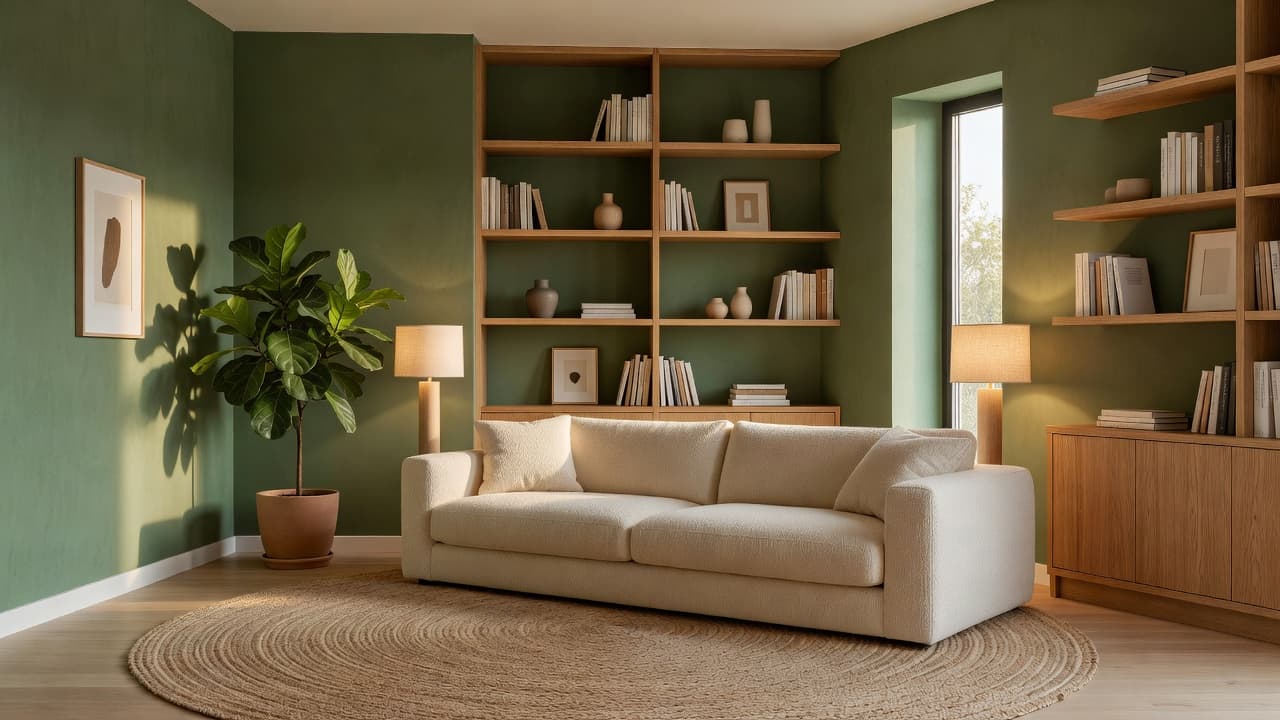
- Confusing a style with a colour. "I want a green living room" is a palette decision, not a style one. Nearly every style can accommodate green; they differ in what surrounds it.
- Treating the label as a rulebook. Styles are descriptions of what tends to work together, not requirements. Nobody will audit your room for authenticity.
- Skipping the test. The whole cost of previewing five styles on your real room is a photo and a few minutes, against months of living with a choice you made from a thumbnail.
Can You Mix Two Interior Design Styles?
Yes, and most rooms that look considered are doing exactly that. The reliable approach is to let one style set the foundation — walls, flooring, the largest furniture — and use the second for perhaps a fifth of the room: lighting, textiles, art, smaller pieces. That ratio keeps the result legible rather than muddled.
Mixing works best between neighbouring styles that already agree on one of the three axes above. Japandi and Scandinavian share restraint and differ mainly in warmth, so they blend easily. Mid-century and bohemian share warmth and differ in density, which is why that combination shows up constantly. Pairing across all three axes at once — high-gloss Art Deco with rustic wabi-sabi, say — is where rooms start to look accidental. Generating a blend and looking at it is, once again, faster than reasoning about whether it will work.
Choosing an Interior Design Style FAQ
How do I know what interior design style fits me?
Answer three questions — warm or cool palette, full or spare rooms, natural or polished materials — to get a shortlist of two or three styles, then generate your actual room in each of them with AI and compare. Your reaction to your own space in a style is far more reliable than your reaction to a stranger's room.
Can AI tell me which interior design style to choose?
AI will not decide for you, but it removes the guesswork from the decision: DecorAI generates photorealistic versions of your own room in different styles from a single photo, so you are choosing between real options for your space rather than imagining how a magazine room might translate.
What is the most popular interior design style right now?
Japandi, modern farmhouse, and warm minimalism have all held strong interest into 2026, with a broad shift toward warmer neutrals and natural textures and away from the cool grey palettes that dominated the late 2010s. Popularity is a weak reason to choose one, though — the style that suits your light and your floor matters far more.
Should every room in the house be the same style?
No, but they should share a palette and a material language so the transitions do not jar. A common approach is to keep one consistent style through connected living spaces and allow bedrooms or a study to shift, while keeping the same floor tone, metal finish, and general warmth throughout.
Do I need to commit to one style before buying furniture?
You need a direction, not a label. Decide the palette and the material feel first, since those govern the large purchases, and let the exact style name settle itself as the room comes together.
Conclusion
Choosing an interior design style gets much easier once you stop treating it as a matter of taste in the abstract and start treating it as a question about one specific room. Read what your light, proportions, and fixed surfaces are already asking for, narrow to a shortlist with the three-axis test, then look at your actual room in each candidate before you spend anything. Upload a photo to DecorAI to see your space in five styles for free, browse the full styles gallery for a wider look at what is possible, or head back to the DecorAI homepage to get started.
Visualize Your Dream Home Instantly
Don't just read about it. Experience the power of AI interior design with DecorAI's free tool.
Start Designing for FreeWritten by
DecorAI Team
Editorial Team