AI Transitional Interior Design: Ideas & Style Guide
A complete guide to AI transitional interior design — the balanced blend of traditional comfort and contemporary clean lines. Learn the neutral palettes, mixed textures, and room-by-room tips that define transitional style, and how to redesign your real room in seconds.
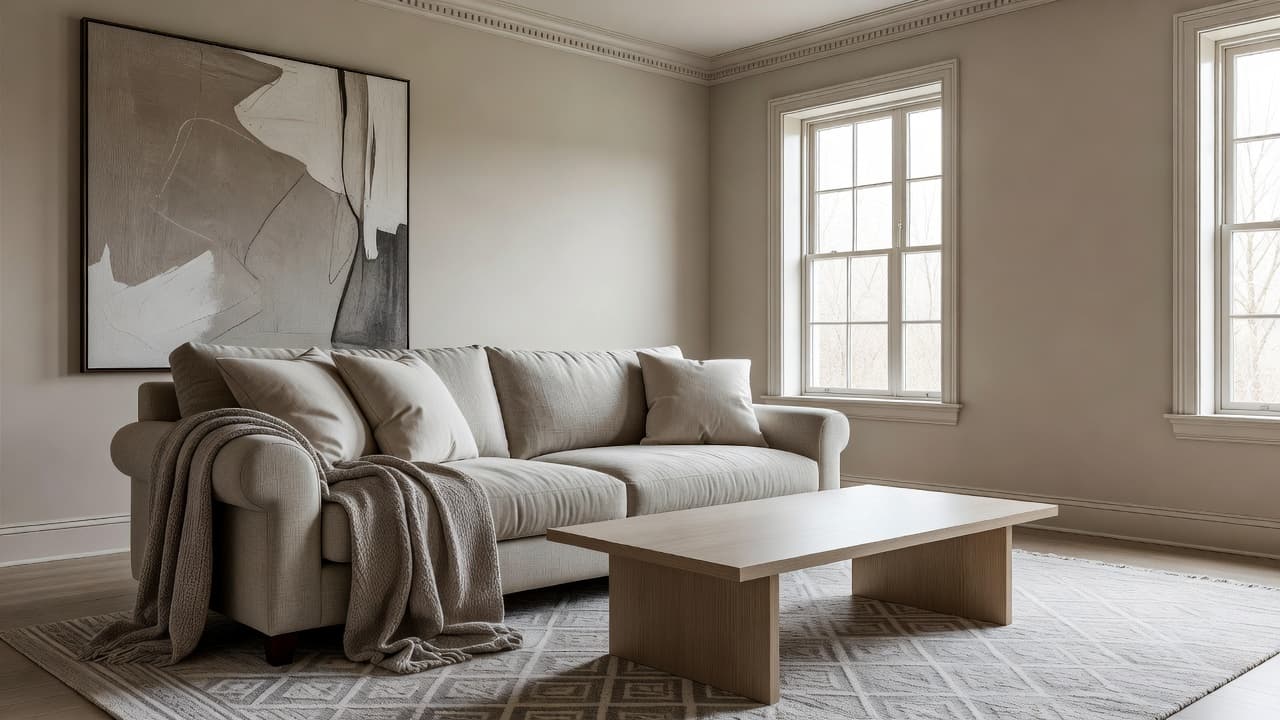
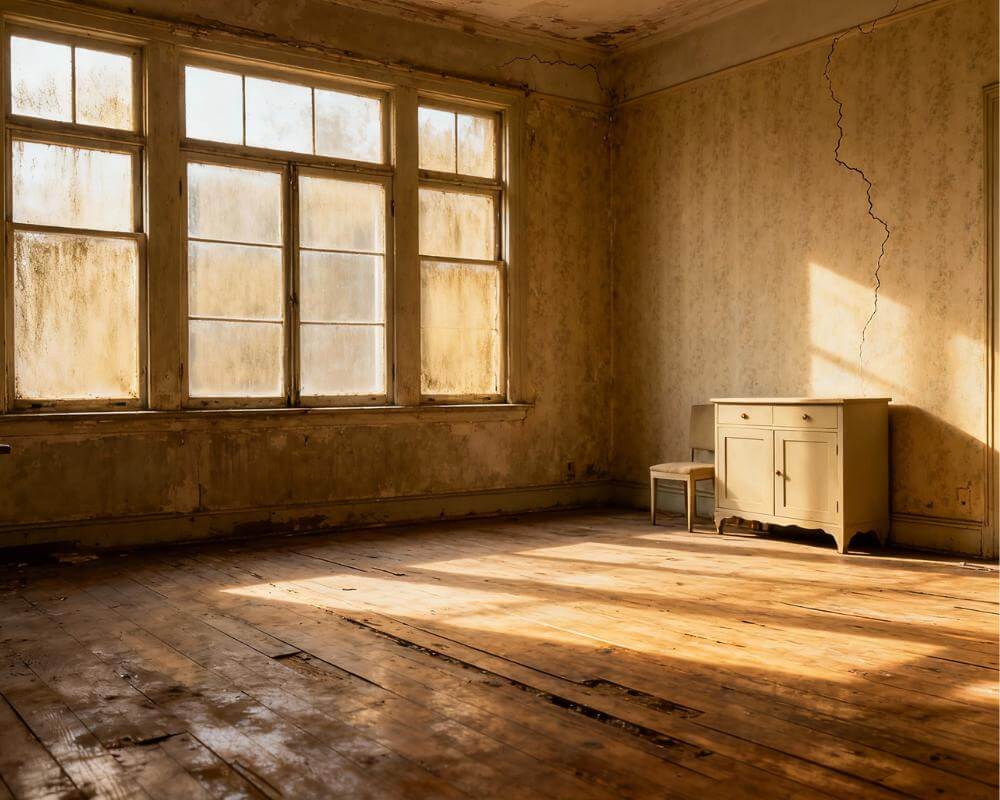
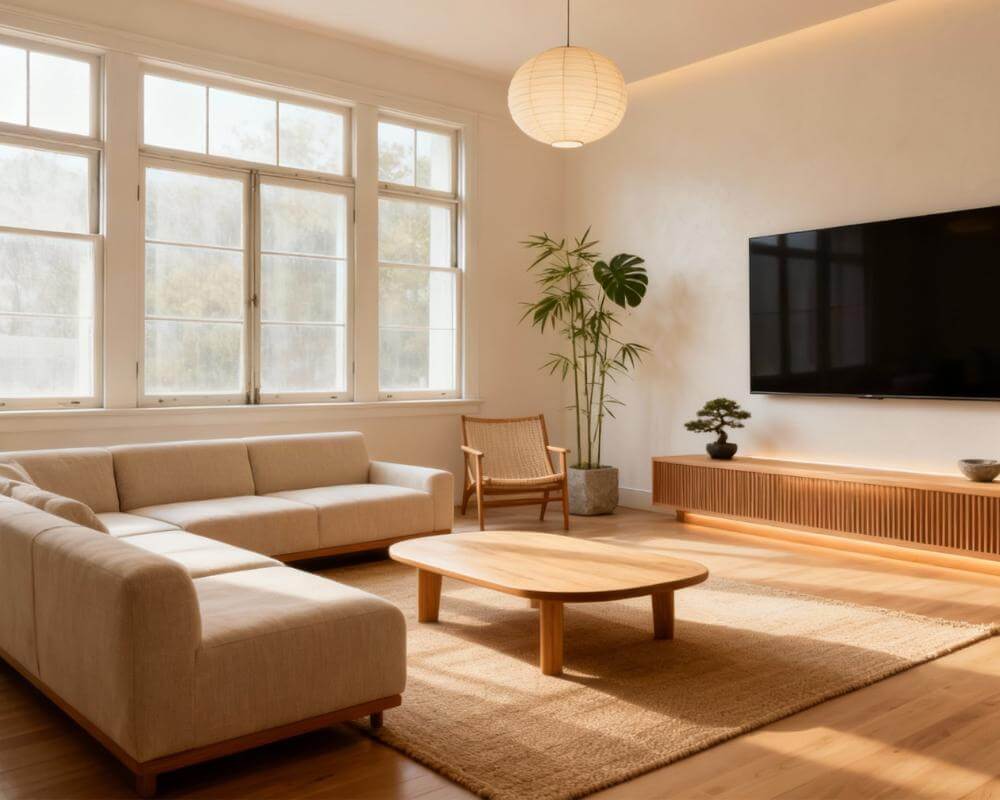
AI transitional interior design gives you the most livable look in modern decorating — the calm middle ground between traditional warmth and contemporary simplicity — without guessing whether the balance will work in your home. Instead of wondering if a room will feel too formal or too stark, you upload a photo of your space to a tool like DecorAI and see your actual room reimagined in photorealistic transitional style in seconds.
Transitional is one of the most popular interior design styles in North America, and for good reason: it is endlessly flexible, easy to live with, and rarely goes out of fashion. But its greatest strength is also what makes it tricky — because it is defined by balance rather than a single bold look, it is easy to tip into something that reads as bland, mismatched, or dated. This guide breaks down exactly what defines transitional interior design, the palette and materials that make it feel effortless, how to apply it room by room, the mistakes that flatten the look, and how to preview the whole thing on your own room with AI before you move a single piece of furniture.
Key Takeaways
- Transitional interior design blends traditional comfort with contemporary clean lines, creating a balanced, timeless, easy-to-live-with look.
- The palette is soft and neutral: greige, taupe, cream, warm grey, and soft white, layered with texture rather than bold color.
- Balance is the whole idea: pair a classic rolled-arm sofa with a sleek modern coffee table, or ornate molding with simple, uncluttered styling.
- Texture does the heavy lifting: linen, wool, wood, glass, and matte metal add depth in place of loud pattern or color.
- AI makes it easy: upload your room photo to DecorAI, choose transitional, and see your real space redesigned photorealistically in seconds — before you buy or paint anything.
What Is Transitional Interior Design?
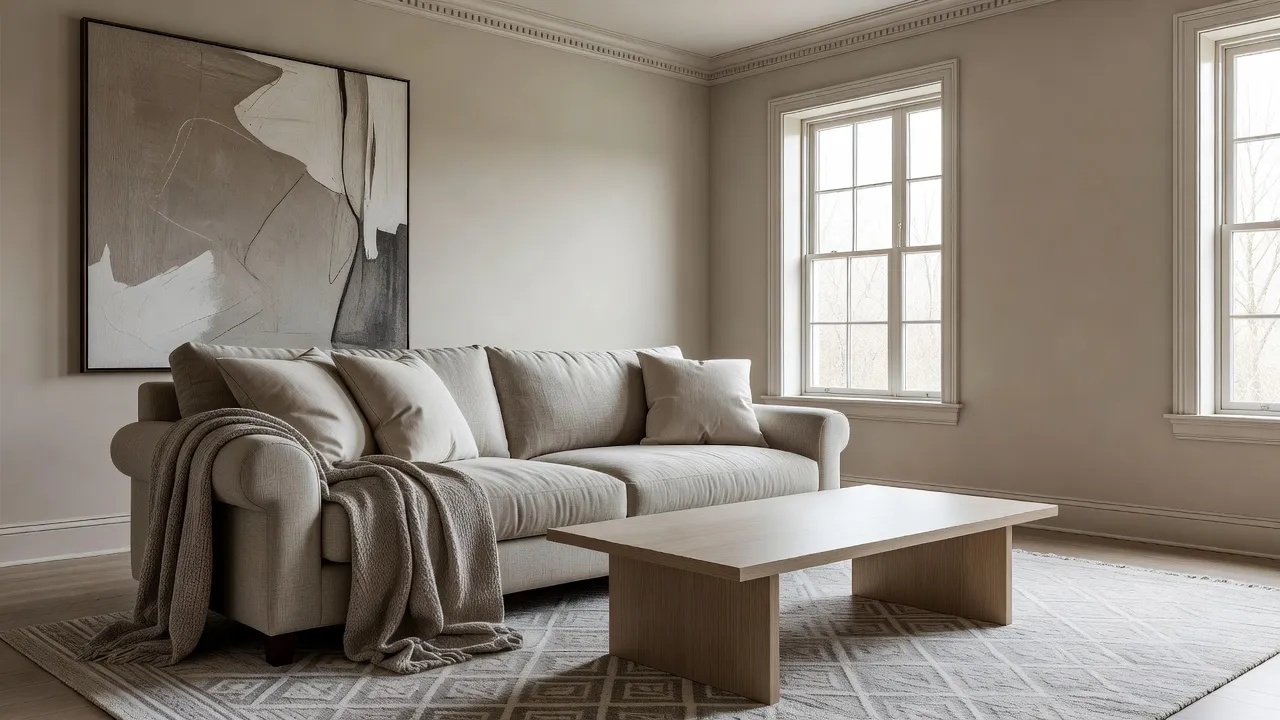
Transitional interior design is a style that blends the comfort and familiarity of traditional design with the clean lines and restraint of contemporary design, producing rooms that feel balanced, calm, and timeless rather than tied to any single era. It borrows curved, upholstered comfort and classic silhouettes from traditional decorating, then strips away the fussy ornamentation and heavy pattern in favor of simple shapes, neutral color, and uncluttered surfaces. The result is a space that feels both warm and current.
The key word is balance. Where traditional rooms can feel formal and contemporary rooms can feel cold, transitional sits in the middle — sophisticated but relaxed, polished but genuinely livable. It is a foundational approach in modern interior design, and it pairs naturally with other pared-back looks. If you enjoy timeless, versatile styles, you may also like our guides to AI mid-century modern interior design and AI minimalist interior design.
What Defines the Transitional Look?
Transitional interiors share a recognizable toolkit built around balance and restraint. Get these ingredients right and a room reads as effortless and collected rather than plain or mismatched.
A soft, neutral color palette
Transitional rooms lean on quiet, layered neutrals — greige, taupe, cream, warm grey, soft white, and gentle earth tones. Color is used sparingly and tonally, so the eye rests. This restrained approach is what makes the style so calming; for a deeper look at building schemes like this, see our guide to AI interior design color schemes.
A blend of classic and modern shapes
The signature move is mixing eras: a traditional rolled-arm or camelback sofa beside a clean-lined glass or wood coffee table, or a classic wingback chair in a plain, modern fabric. Neither side dominates — the tension between old and new is what creates interest.
Layered texture over pattern
Because the palette is quiet, texture carries the depth. Think linen and wool upholstery, natural wood, woven rugs, matte metals, and glass. Pattern, when it appears, is subtle — a tonal stripe or a soft geometric — never loud.
Clean lines and uncluttered surfaces
Transitional spaces avoid the busyness of heavily traditional rooms. Silhouettes are simplified, accessories are edited down, and surfaces stay calm. It is comfortable without feeling crowded — a quality it shares with the modern farmhouse look.
What Colors and Materials Work Best?
The transitional palette is built from warm, muted neutrals layered for depth: greige and taupe on the walls, cream and soft white in the trim and upholstery, and deeper charcoal or espresso for grounding contrast. Accent color, if used at all, stays desaturated — sage, dusty blue, muted terracotta — so it reads as a whisper, not a statement.
Materials matter just as much as color. Transitional rooms combine natural wood in mid-to-warm tones, linen and wool textiles, brushed or matte metal (rather than high-gloss), stone or quartz surfaces, and clear glass. Mixing these finishes in a restrained, tonal way is what gives the style its quiet richness. If you are unsure which neutrals suit your room's light, an AI tool can preview several palettes on your actual walls in seconds.
How Do You Apply Transitional Style Room by Room?
Transitional design adapts gracefully to every room because it is a philosophy of balance rather than a fixed formula. The approach stays the same — classic comfort, contemporary restraint, neutral layers — while the specifics shift.
Living room
Anchor the space with a comfortable, classically shaped sofa in a neutral linen, then pair it with a clean-lined coffee table and simple lighting. Layer a woven rug, a couple of textured cushions, and one or two modern art pieces. Keep surfaces edited.
Bedroom
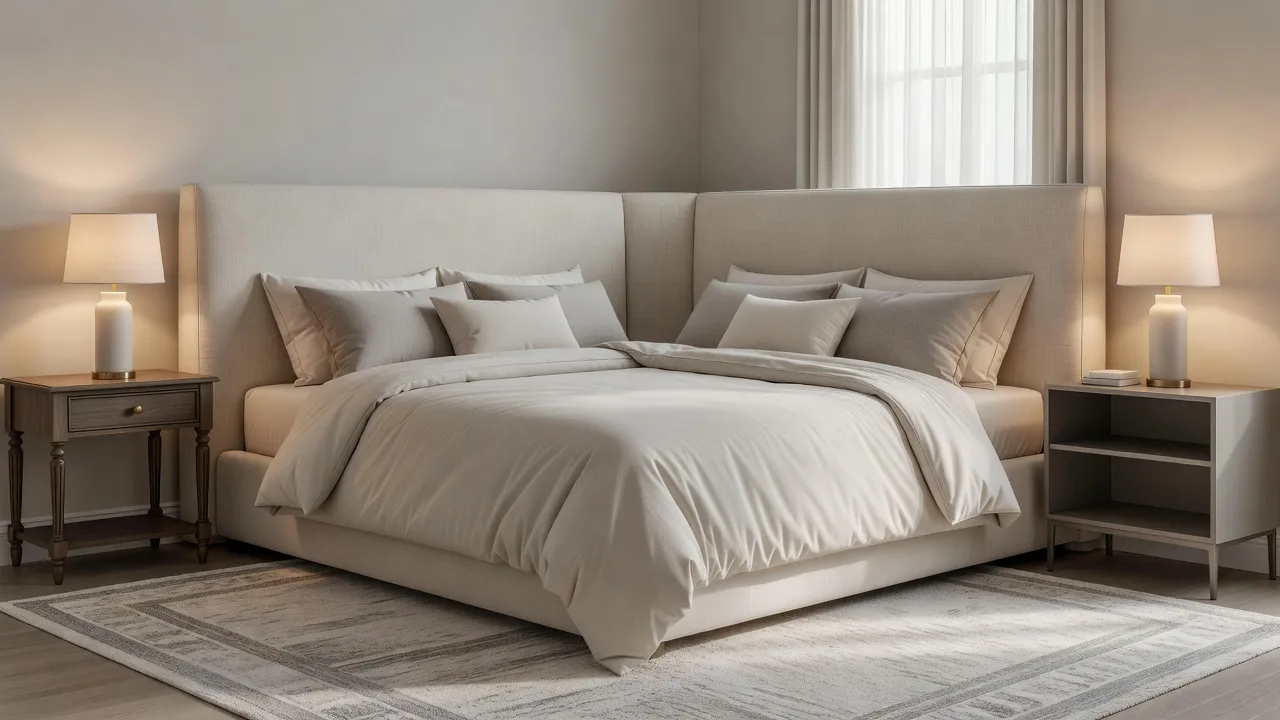
A large upholstered headboard brings traditional softness; crisp, neutral bedding and symmetrical nightstands keep it current. Warm bedside lamps and a textured throw finish the calm, hotel-like feel.
Kitchen
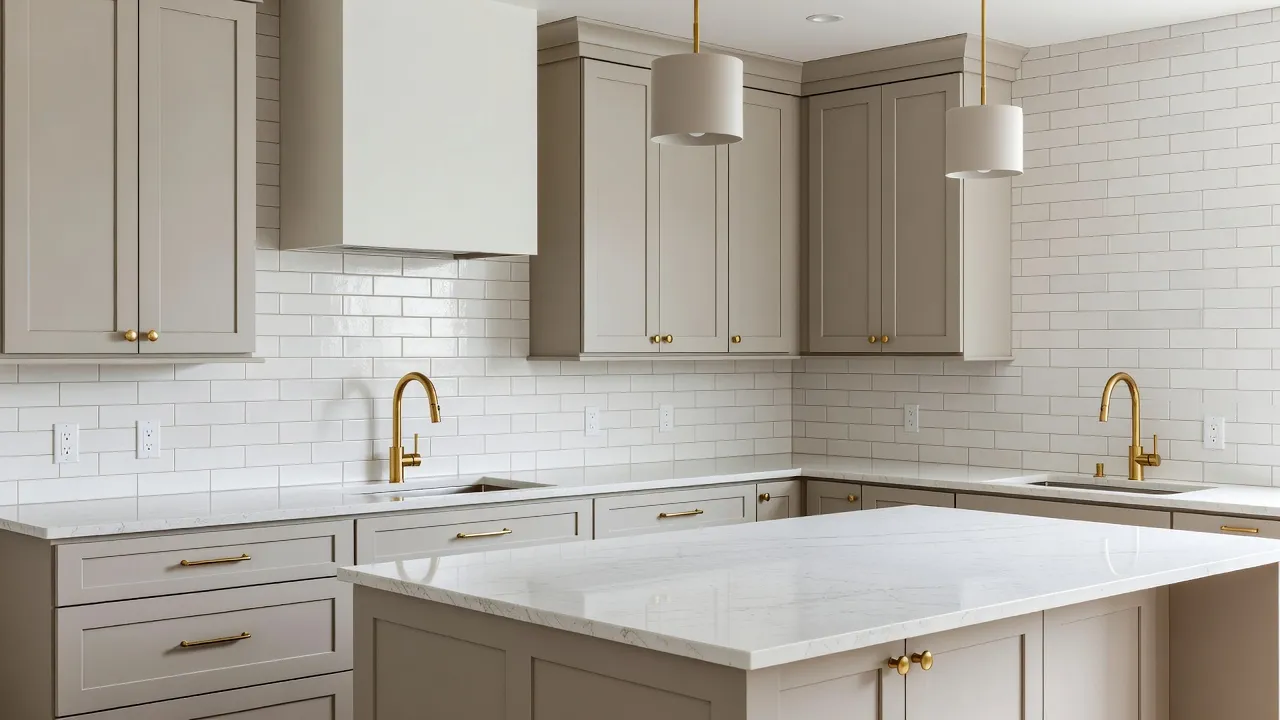
Transitional kitchens pair classic shaker cabinets in soft greige or white with contemporary touches — quartz counters, simple hardware, clean-lined pendants. It is warm and familiar without feeling old-fashioned.
How Can AI Help You Design a Transitional Room?
The hardest part of transitional design is judging balance — and that is exactly where AI helps. Because the style lives or dies on how classic and contemporary elements are mixed, seeing the result on your real room removes the guesswork. With DecorAI you upload a photo of your actual space and the AI redesigns it in transitional style photorealistically, keeping your real windows, proportions, and layout intact, so you are evaluating your room rather than a generic showroom.
That means you can test several neutral palettes, compare a more traditional versus a more contemporary lean, and decide what to buy or paint before spending a cent. Seeing real before-and-after transformations shows how convincing this is, and the full styles gallery lets you compare transitional against neighbors like Scandinavian to find your exact comfort zone.
See Your Room in Transitional Style — Free
Stop guessing whether the balance will work. Upload one photo of your room to DecorAI, choose transitional, and watch the AI redesign your actual space photorealistically in seconds — keeping your real walls, windows, and layout.


What Mistakes Make Transitional Design Look Flat?
Because transitional style is built on subtlety, its failures are subtle too. The most common is going so neutral and so edited that a room reads as empty or generic — balance is not the same as blandness, so texture and one or two personal pieces are essential. Another is mixing eras without any through-line, which looks accidental rather than intentional; keep a consistent palette and scale so the classic and modern pieces feel like they belong together.
Other pitfalls include over-matching everything into a single beige blur, relying on cool grey with no warmth (which drifts toward cold and dated), and cluttering surfaces until the calm is lost. The fix for all of them is the same: layer warm neutrals, vary texture, and edit. Previewing the room with AI first makes these missteps obvious before they cost you anything.
AI Transitional Interior Design — FAQ
What is transitional interior design in simple terms?
Transitional interior design is a balanced blend of traditional and contemporary styles. It keeps the comfort and classic shapes of traditional decorating but simplifies them with clean lines, neutral colors, and uncluttered surfaces, resulting in a warm yet current, timeless look.
What is the difference between transitional and modern design?
Modern and contemporary design emphasize sleek lines, minimal ornamentation, and a cooler, more current feel. Transitional design keeps some of that clean simplicity but adds traditional warmth — softer, more comfortable furniture shapes and cozier textures — so it feels less stark and more inviting than a purely modern room.
What colors are used in transitional interior design?
Transitional palettes favor warm, layered neutrals: greige, taupe, cream, soft white, and warm grey, grounded by deeper charcoal or espresso. Accent colors, when used, are muted and desaturated — sage, dusty blue, or soft terracotta — so the overall scheme stays calm.
Can AI design my room in transitional style?
Yes. With DecorAI you upload a photo of your real room and the AI redesigns it in transitional style photorealistically in seconds, preserving your actual walls, windows, and layout. You can test different neutral palettes and furniture mixes before buying or painting anything.
Is transitional style going out of fashion?
No. Because transitional design is defined by timeless balance rather than a trend, it tends to age well and remains one of the most popular, resale-friendly styles. Refreshing it is usually a matter of updating textiles and accessories rather than redoing the whole room.
Conclusion
AI transitional interior design gives you the easiest, most livable look in decorating — the timeless balance of traditional comfort and contemporary calm — without the risk of getting the mix wrong. By layering warm neutrals, blending classic and modern shapes, and letting texture do the work, transitional style creates rooms that feel collected and effortless. The best way to nail the balance is to see it on your own space first: upload your room photo to DecorAI to redesign your real room in transitional style for free, explore the styles gallery, or start from the DecorAI homepage to see the full range.
Redesign Your Room in Timeless Transitional Style — Free
Open DecorAI's web app, upload a photo of your room, choose transitional, and let the AI redesign your real space photorealistically in seconds. Your first designs are completely free — no credit card required.
Try the DecorAI Web App Free →No credit card required · Works on any device with a browser
Visualize Your Dream Home Instantly
Don't just read about it. Experience the power of AI interior design with DecorAI's free tool.
Start Designing for FreeWritten by
DecorAI Team
Editorial Team