AI Minimalist Interior Design: Ideas & Style Guide
A complete guide to AI minimalist interior design. Learn the calm neutral palettes, clean lines, negative space, and clutter-free principles that define minimalist style — and how to redesign your real room in seconds.
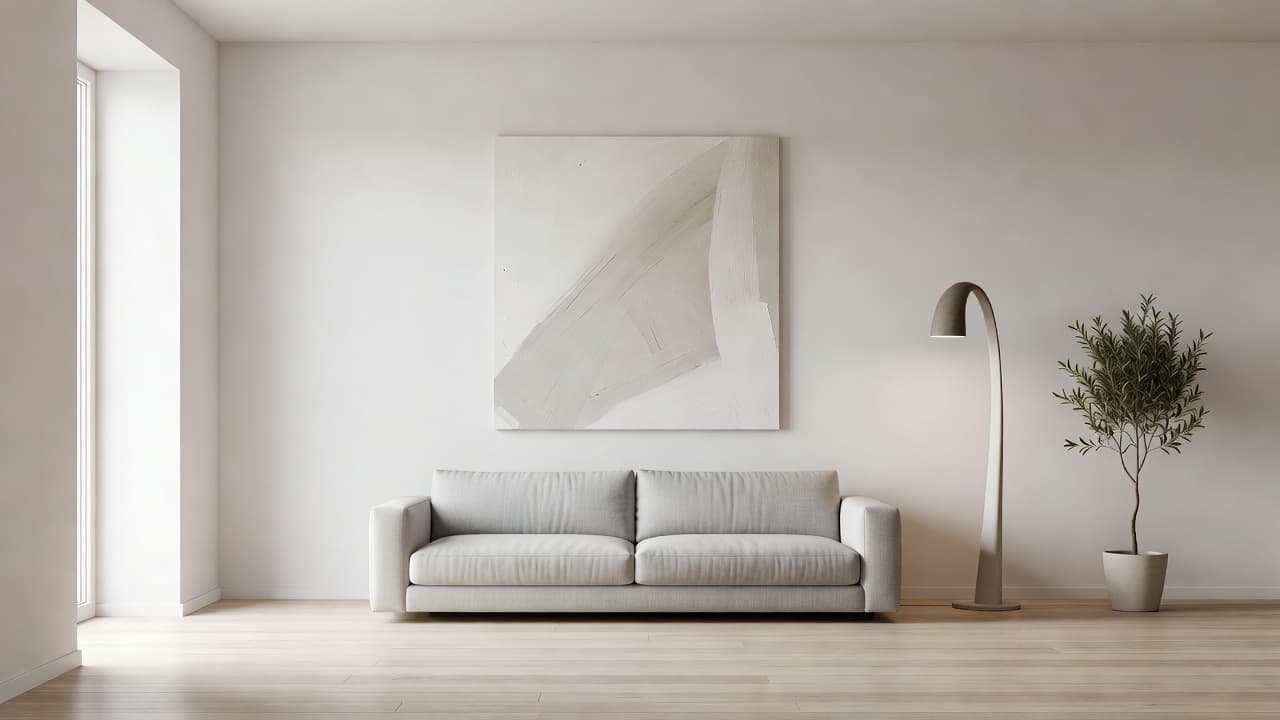
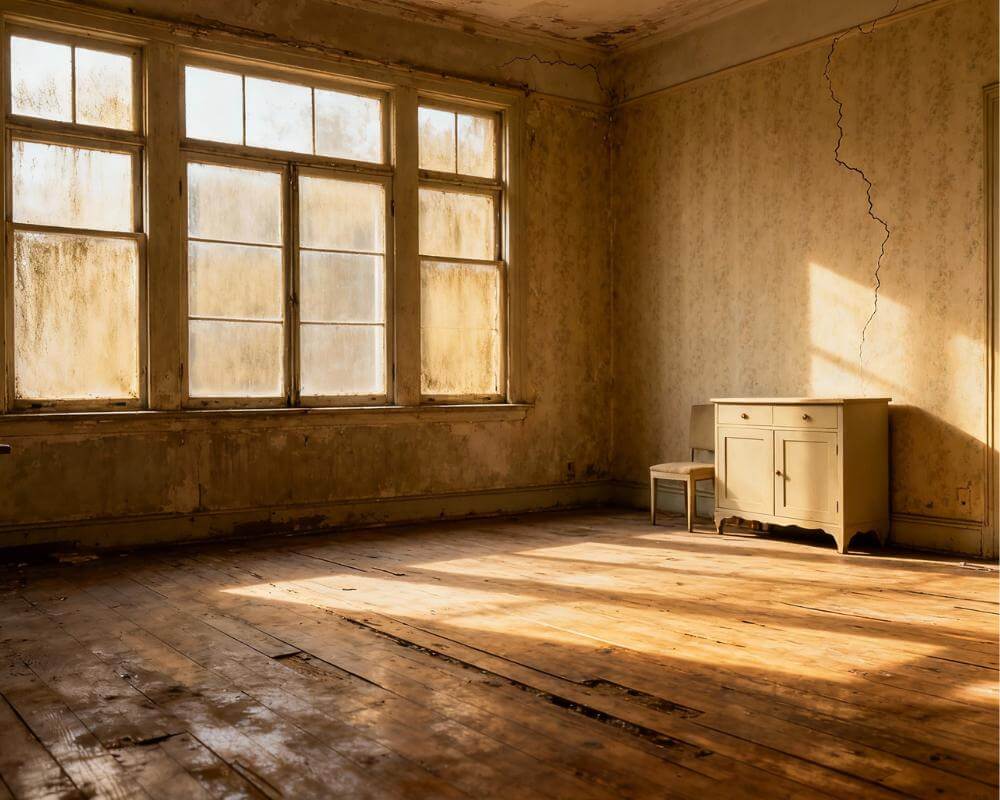
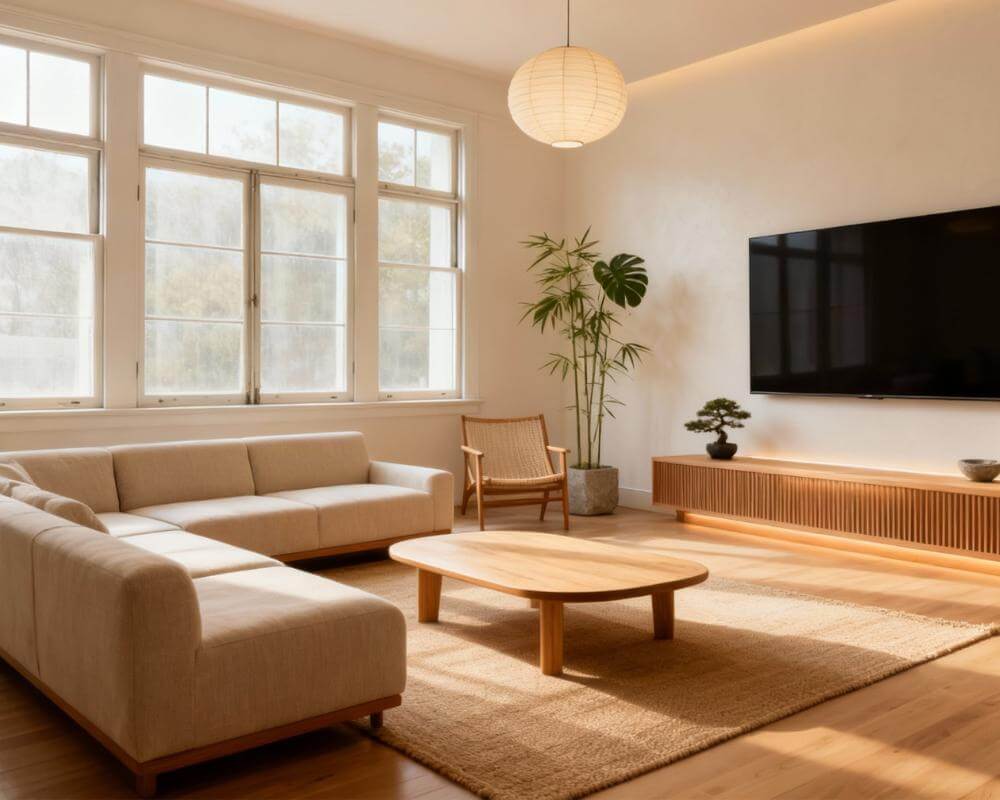
AI minimalist interior design brings the calm, clutter-free "less is more" look — clean lines, soft neutral palettes, and generous negative space — into your real home without the trial and error. Instead of guessing whether a pared-back room will feel serene or just empty, you upload a photo of your space to a tool like DecorAI and see your actual room redesigned photorealistically in minimalist style in seconds.
Minimalism is one of the most enduring interior styles because it answers a modern craving: a home that feels quiet, ordered, and easy to live in. But true minimalism is deceptively hard to get right — strip away too much and a room feels cold; keep too much and the calm disappears. This guide breaks down exactly what defines minimalist interior design, the palette and materials that make it work, how to apply it room by room, the mistakes that make minimalism feel sterile, and how to preview the whole look on your own room with AI before you change a thing.
Key Takeaways
- Minimalist interior design is built on clean lines, a restrained neutral palette, intentional negative space, and only the pieces that earn their place.
- The palette is calm and tonal: warm whites, soft greys, beige, and natural wood, with at most one quiet accent.
- Less clutter, more quality: minimalism favors a few well-made, functional pieces over many decorative ones, plus hidden storage to keep surfaces clear.
- Warmth is the secret: texture, natural materials, and soft light keep a minimalist room from feeling sterile or empty.
- AI makes it easy: upload your room photo to DecorAI, choose minimalist, and see your real space redesigned photorealistically in seconds — before you remove or buy anything.
What Is Minimalist Interior Design?
Minimalist interior design is a style that reduces a space to its essentials — clean-lined furniture, a calm neutral palette, and deliberate empty space — so that everything remaining feels intentional and the room reads as uncluttered and serene. It grew out of early-20th-century modernism and the principle that form should follow function, later distilled into the famous phrase "less is more." The goal is not emptiness for its own sake but clarity: fewer objects, each chosen with care, in a space that breathes.
Crucially, minimalism is about subtraction guided by intention, not deprivation. A minimalist room can be deeply warm and personal; it simply earns that feeling through quality, texture, and proportion rather than quantity. For the broader history and philosophy of the movement, the minimalism reference is a useful starting point.
What Defines the Minimalist Look?
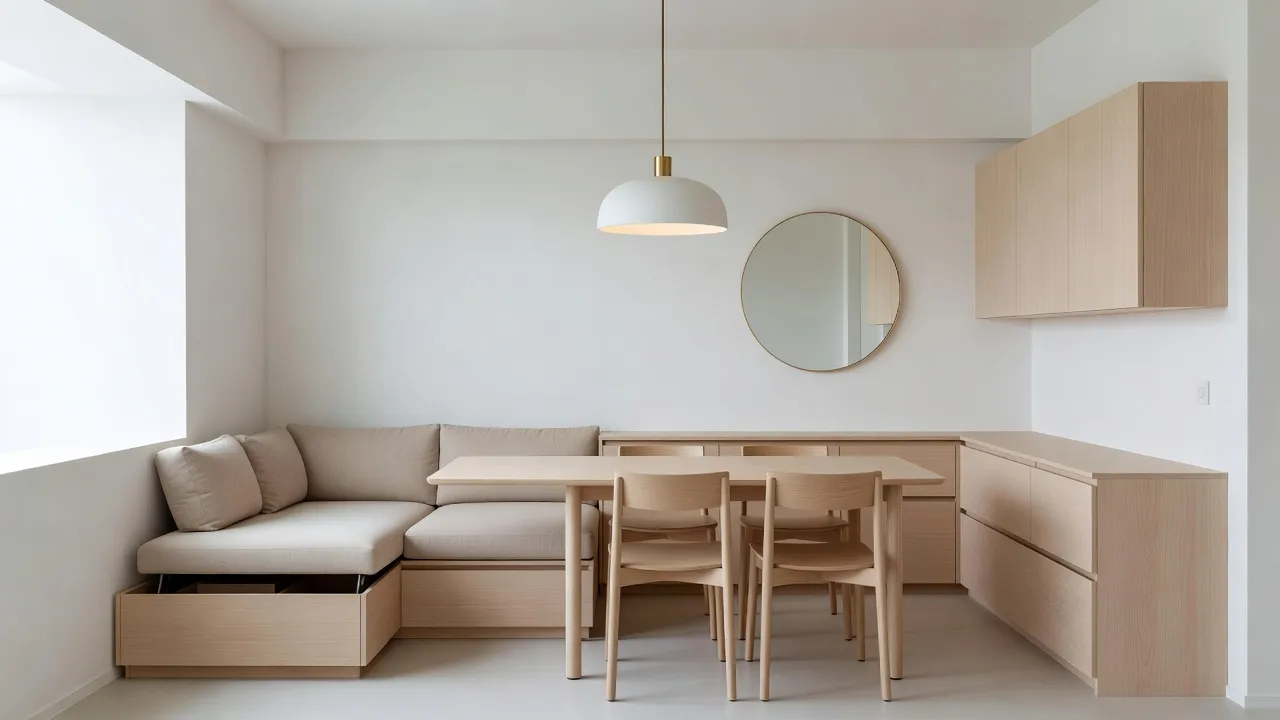
Minimalist interiors share a recognizable set of ingredients. Get these right and a room reads instantly as calm and considered rather than bare.
A restrained, tonal color palette
Minimalism leans on warm whites, soft greys, taupe, and natural wood tones, often layered in subtle variations of the same hue. Color is used sparingly — typically one quiet accent, such as a muted sage, terracotta, or charcoal, rather than a busy mix. This tonal restraint is what gives a minimalist room its sense of quiet. If you want help choosing a cohesive scheme, our guide to AI color schemes walks through how to build one.
Clean lines and simple forms
Furniture in minimalist design is low, simple, and unfussy — straight edges, gentle curves, and no ornate detailing. Each piece is chosen for both function and silhouette, so the shapes themselves become the decoration.
Negative space
Empty space is a deliberate design element, not a gap to be filled. Generous breathing room around furniture and on walls lets the eye rest and makes the pieces you do keep feel more important.
Texture and natural materials
Because the palette is quiet, texture does the heavy lifting: linen, wool, oak, stone, ceramic, and matte metals add warmth and depth so the room never feels flat. This is the difference between minimalism that feels inviting and minimalism that feels like a waiting room.
- Palette: warm white, greige, soft grey, beige, natural wood, one muted accent.
- Furniture: low, clean-lined, multifunctional, quality over quantity.
- Storage: concealed and built-in to keep surfaces clear.
- Decor: a few intentional pieces — one artwork, one plant, one sculptural object.
- Lighting: soft, layered, and warm, with simple fixtures.
How Do I Apply Minimalist Design Room by Room?
Minimalism adapts to every room, but each space has its own priorities. Here is how the style translates across a home.
Minimalist living room
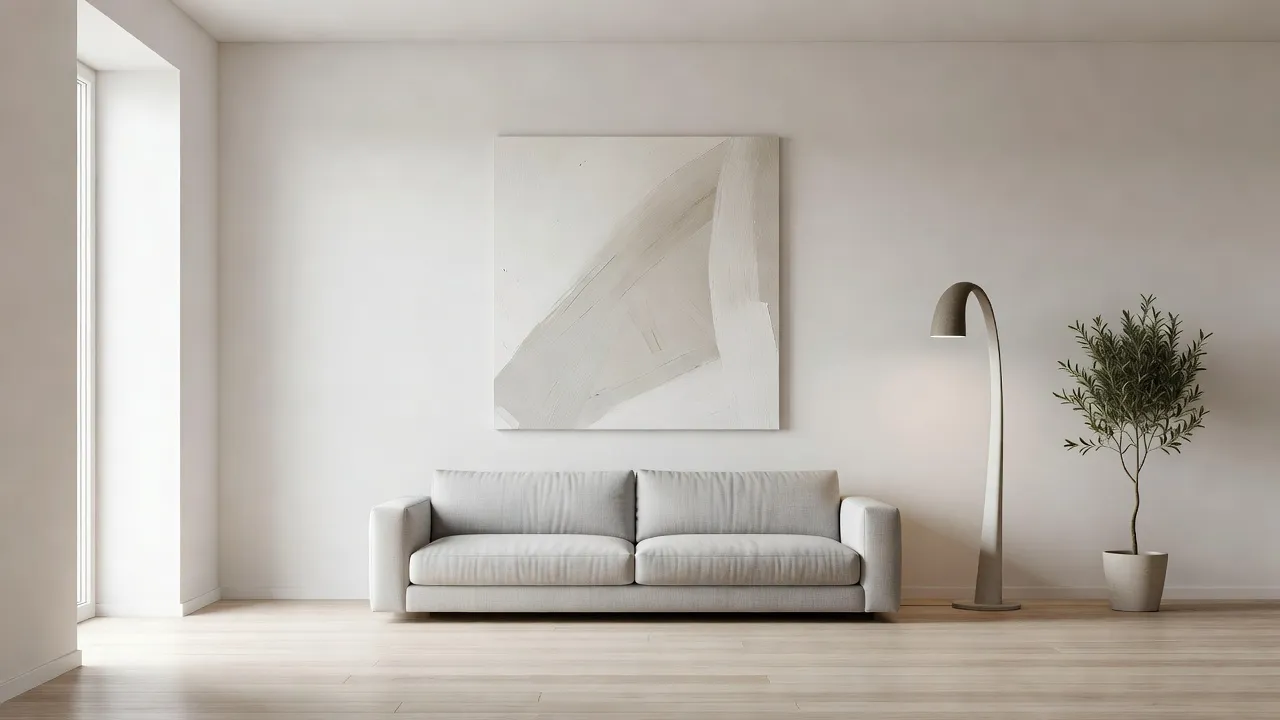
Anchor the room with one low, clean-lined sofa, a simple coffee table, and a single large artwork rather than a gallery wall. Keep surfaces clear, hide cables and clutter, and let a textured rug and one or two plants add warmth. For more ideas, see our AI living room design ideas.
Minimalist bedroom
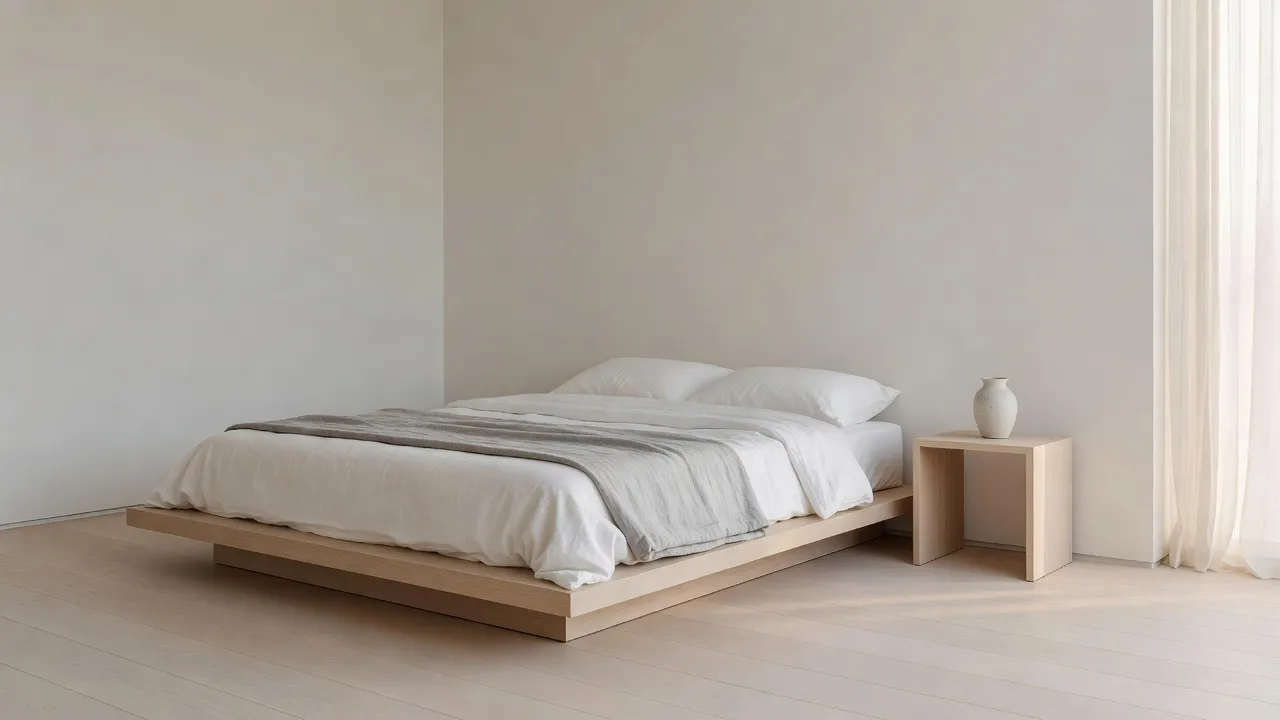
A low platform bed, crisp neutral linens, and a single nightstand create instant calm. Resist the urge to over-accessorize — one vase or one piece of art is enough. Our AI bedroom design guide covers layouts that keep the space serene.
Minimalist kitchen and small spaces
Handle-less cabinetry, integrated appliances, and clear counters define a minimalist kitchen, while small apartments benefit most of all — minimalism's clutter-free discipline makes compact rooms feel larger and calmer. If you live in a tight floor plan, pair this with our guide to AI interior design for small spaces.
How Does AI Help With Minimalist Interior Design?
AI is especially useful for minimalism because the hardest part of the style is knowing what to remove. Upload a photo of your actual room to DecorAI, choose the minimalist style, and the tool re-renders your real space — keeping your walls, windows, and proportions — as a pared-back, clutter-free version in seconds. You see exactly how your room would look with fewer pieces, a calmer palette, and more negative space before you move a single thing.
That preview-first approach removes the biggest risk of minimalism: stripping a room back only to find it feels cold or unbalanced. Because each render is fast and free to try, you can test a warmer neutral, a different wood tone, or one accent color side by side on your own room. To learn the broader workflow, see our guide to using AI interior design apps, and browse the full styles gallery to compare minimalism with related looks.
See Your Room in Minimalist Style — Free
Upload one photo and watch DecorAI redesign your actual room in calm, clutter-free minimalist style in seconds, keeping your real layout and windows. Test palettes and clean-lined looks before you remove or buy a thing.


What Are the Most Common Minimalist Mistakes?
Minimalism fails in predictable ways, and almost all of them come from confusing "minimal" with "empty." Avoid these and your room will feel calm rather than bare.
- Going cold: an all-white room with no texture feels clinical. Add linen, wood, and wool to warm it up.
- Removing too much: stripping a room to nothing erases personality. Keep a few meaningful pieces.
- Ignoring storage: minimalism only works if clutter has somewhere to go — invest in concealed storage.
- Skipping a focal point: one artwork, one statement chair, or one plant gives the eye somewhere to land.
- Forgetting lighting: harsh overhead light flattens a minimalist space; layer warm, soft sources instead.
If you are unsure where your room currently lands, generating a few versions with AI and comparing them against before-and-after transformations makes the right balance obvious.
AI Minimalist Interior Design FAQ
What colors work best for minimalist interior design?
Minimalist interiors rely on a restrained, tonal palette of warm whites, soft greys, beige, and natural wood, usually with a single muted accent such as sage, charcoal, or terracotta. Keeping the colors close in tone is what creates the calm, cohesive feeling that defines the style.
How do I make a minimalist room feel warm, not cold?
Add texture and natural materials. Because the palette is quiet, layering linen, wool, oak, stone, and ceramic — plus soft, warm lighting and one or two plants — gives a minimalist room depth and warmth so it feels inviting rather than sterile.
Is minimalist design good for small spaces?
Yes. Minimalism is ideal for small rooms because its clutter-free discipline and clean lines make compact spaces feel larger, calmer, and more open. Fewer, well-chosen pieces and concealed storage let a small room breathe.
Can AI redesign my room in minimalist style?
Yes. Upload a clear photo of your room to a tool like DecorAI, choose the minimalist style, and the AI re-renders your actual space — keeping your walls, windows, and layout — as a pared-back minimalist version in seconds, so you can preview the look before changing anything.
Conclusion
AI minimalist interior design takes the hardest part of minimalism — knowing what to remove and what to keep — and turns it into an instant, low-risk preview. Snap one good photo, try a calm neutral palette and clean-lined furniture on your real room, refine the balance until it feels serene rather than empty, then bring the look to life with confidence. Upload your room photo to DecorAI to redesign your space for free, browse the full styles gallery, or start with the complete guide to AI interior design.
Redesign Your Room in Minimalist Style for Free
Open DecorAI's web app, upload a photo of your room, choose minimalist, and see your real space transformed into a calm, clutter-free version in seconds. Your first designs are completely free — no decorator's invoice required.
Try the DecorAI Web App Free →No credit card required · Works on any device with a browser
Visualize Your Dream Home Instantly
Don't just read about it. Experience the power of AI interior design with DecorAI's free tool.
Start Designing for FreeWritten by
DecorAI Team
Editorial Team