AI Japandi Interior Design: How to Get the Look at Home
Learn what Japandi interior design is and how to bring the calm, warm minimalist style into your own home using AI. Upload a photo of your room and see it reimagined in seconds with DecorAI.
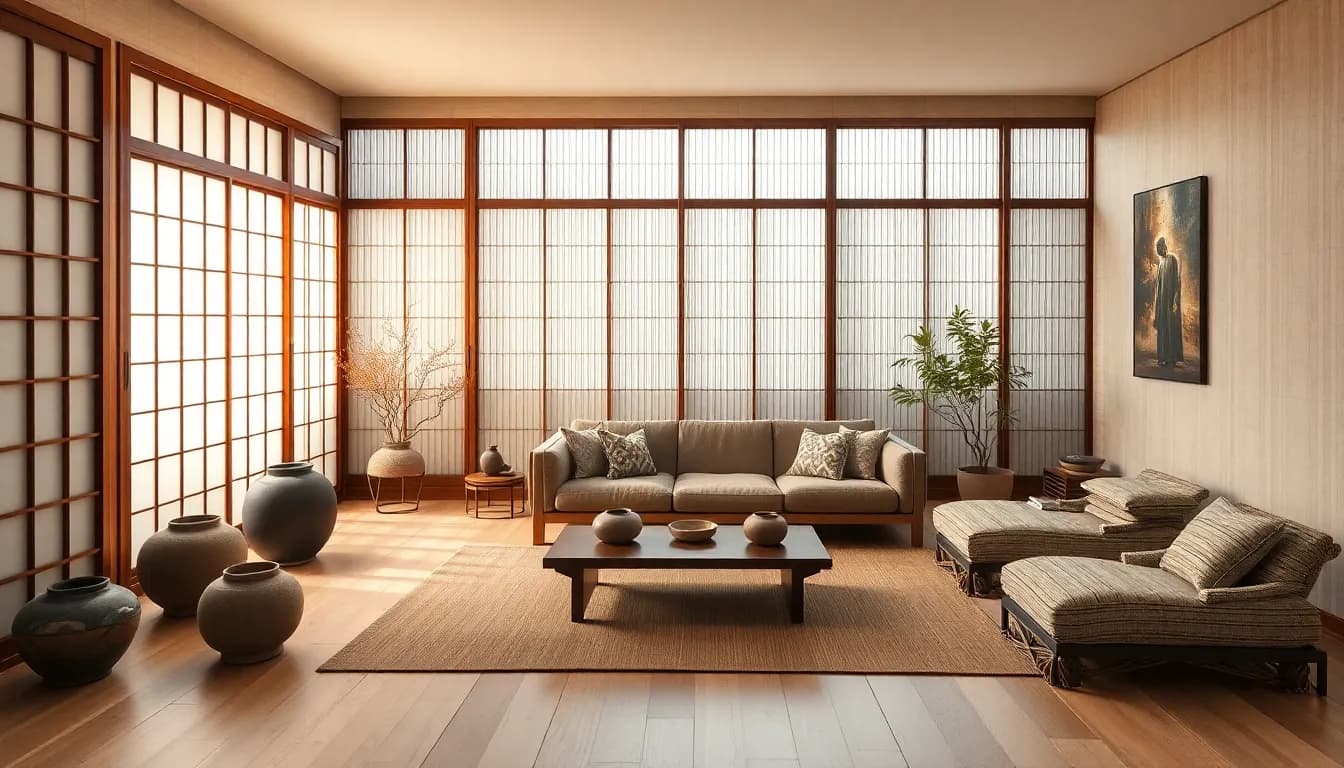
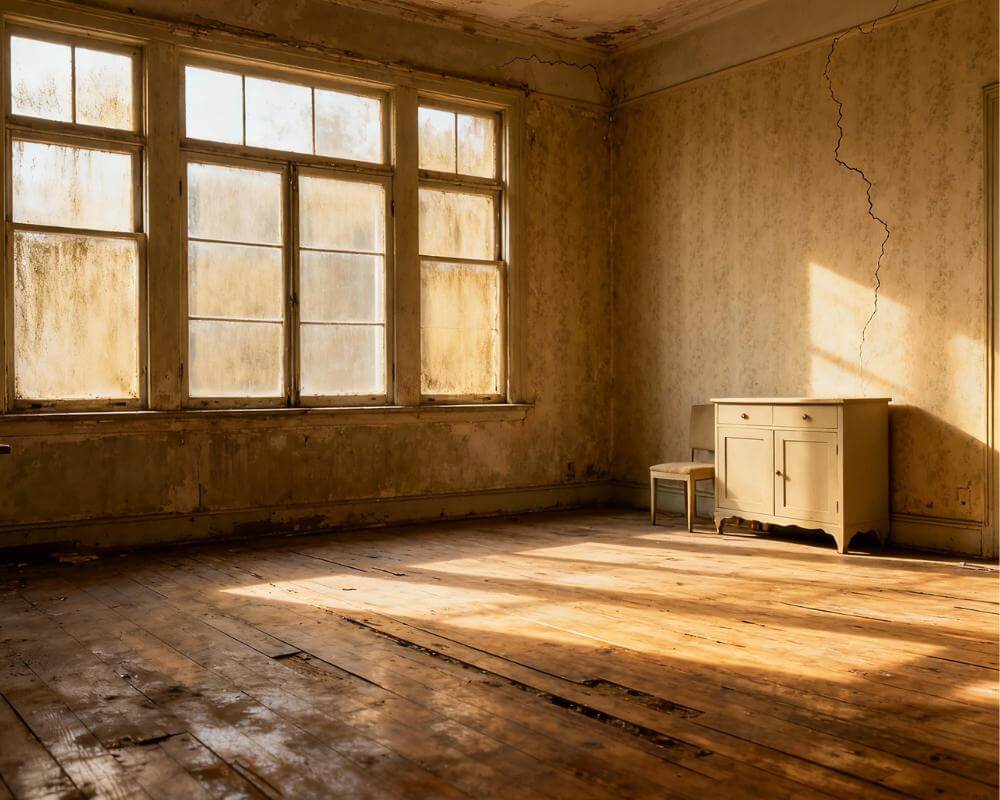
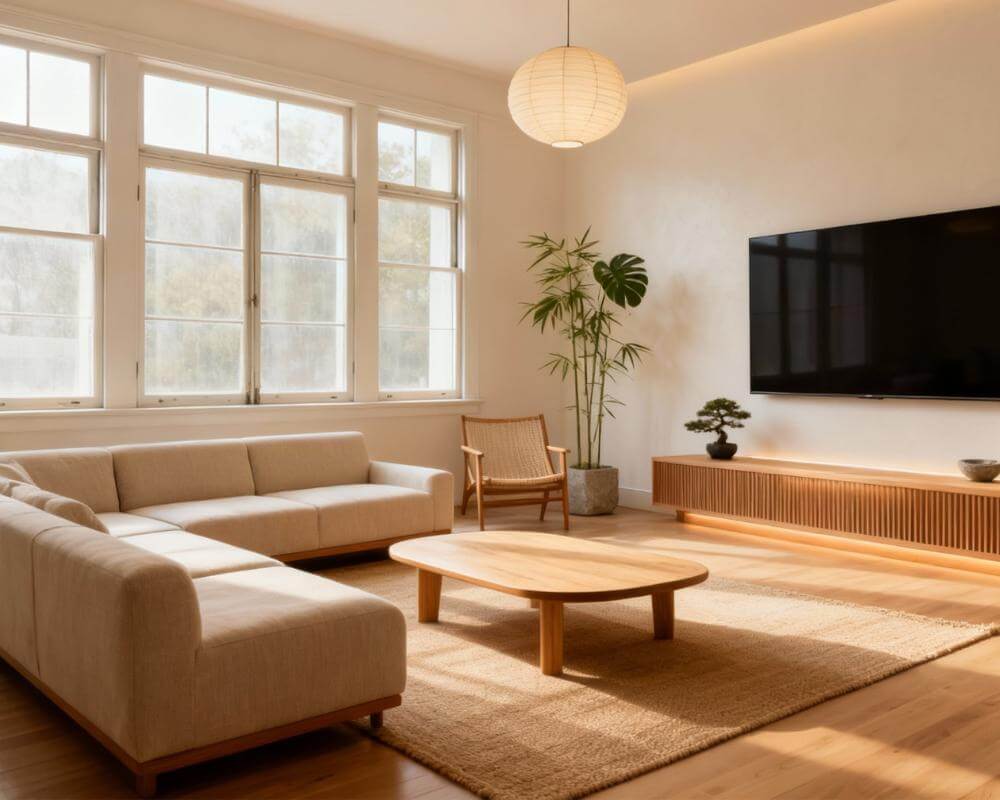
Few styles feel as calming as Japandi — the quiet fusion of Japanese minimalism and Scandinavian warmth that has become one of the most searched-for aesthetics in home design. The challenge is picturing it in your actual room. That is where AI Japandi interior design changes everything: with DecorAI you upload a photo of your space and see it reimagined in the Japandi style in seconds — your windows, your proportions, your layout, just transformed.
This guide explains exactly what Japandi is, the colors and materials that define it, and how to recreate the look at home room by room — with AI doing the heavy lifting of visualization.
Key Takeaways
- Japandi blends Japanese minimalism (simplicity, wabi-sabi) with Scandinavian hygge (warmth, function).
- Its signature palette is warm neutrals — oatmeal, beige, soft greige, charcoal — grounded by natural wood and black accents.
- Core materials are natural wood, linen, paper, stoneware ceramics, rattan and jute.
- The rule of thumb: low furniture, uncluttered surfaces, handmade objects, and lots of negative space.
- AI Japandi interior design lets you preview the style on your real room photo before spending a cent — try it free in DecorAI.
What Is Japandi Interior Design?
Japandi is a hybrid interior design style that combines the clean, intentional minimalism of Japanese design with the cozy, functional comfort of Scandinavian design. The name is a portmanteau of "Japan" and "Scandi." Both traditions prize simplicity, craftsmanship, and a deep connection to nature, so they merge seamlessly: Japanese wabi-sabi (the beauty of imperfection) softens Scandinavian precision, while Scandinavian hygge (cozy contentment) warms up Japanese restraint.
The result is a space that feels serene but never cold — pared back, but inviting. You can read more about the philosophy behind imperfection in the wabi-sabi tradition, which is central to the look.
What Colors Define a Japandi Palette?
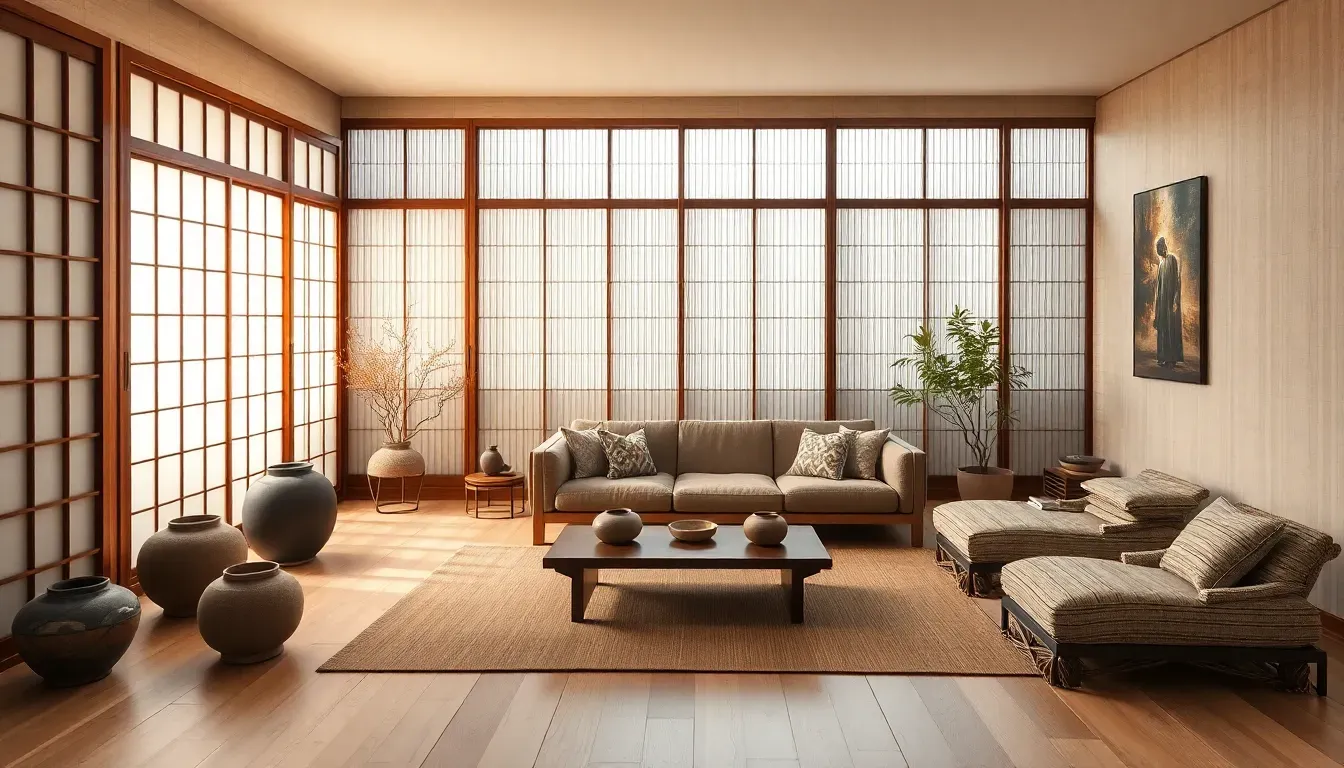
A Japandi color palette is built from warm, earthy neutrals rather than bright color. Think oatmeal, sand, soft beige, warm grey (greige), muted clay, and off-white, grounded by deeper tones like charcoal, espresso, and matte black used sparingly for contrast. Natural wood provides the warmth, while a single black accent — a frame, a lamp arm, a vase — adds the graphic discipline Japanese design is known for.
The goal is tonal harmony, not contrast. Colors should sit close together on the spectrum so the eye relaxes. If you want help choosing exact shades, our guide to AI interior design color schemes walks through building cohesive palettes, and the AI color palette generator can suggest paint colors from a photo.
What Materials Are Used in Japandi Design?
Materials are the heart of Japandi. The style relies on natural, tactile, honest materials that age gracefully:
- Wood: light oak, ash, and walnut for furniture and flooring — solid, matte, never glossy.
- Linen and cotton: relaxed, breathable textiles for sofas, bedding, and curtains in undyed, natural tones.
- Paper and rice-paper: lantern pendants, shoji-style screens, and soft diffused lighting.
- Stoneware ceramics: handmade, imperfect vases and bowls that celebrate wabi-sabi.
- Rattan, jute, and bamboo: woven textures for rugs, baskets, and light fixtures.
Less, but better
Japandi favors a small number of well-made objects over many cheap ones. Every piece should earn its place. That single rule — quality over quantity — is what keeps the style from drifting into either sterile minimalism or cluttered cozy.
How to Create a Japandi Look Room by Room
Japandi living room
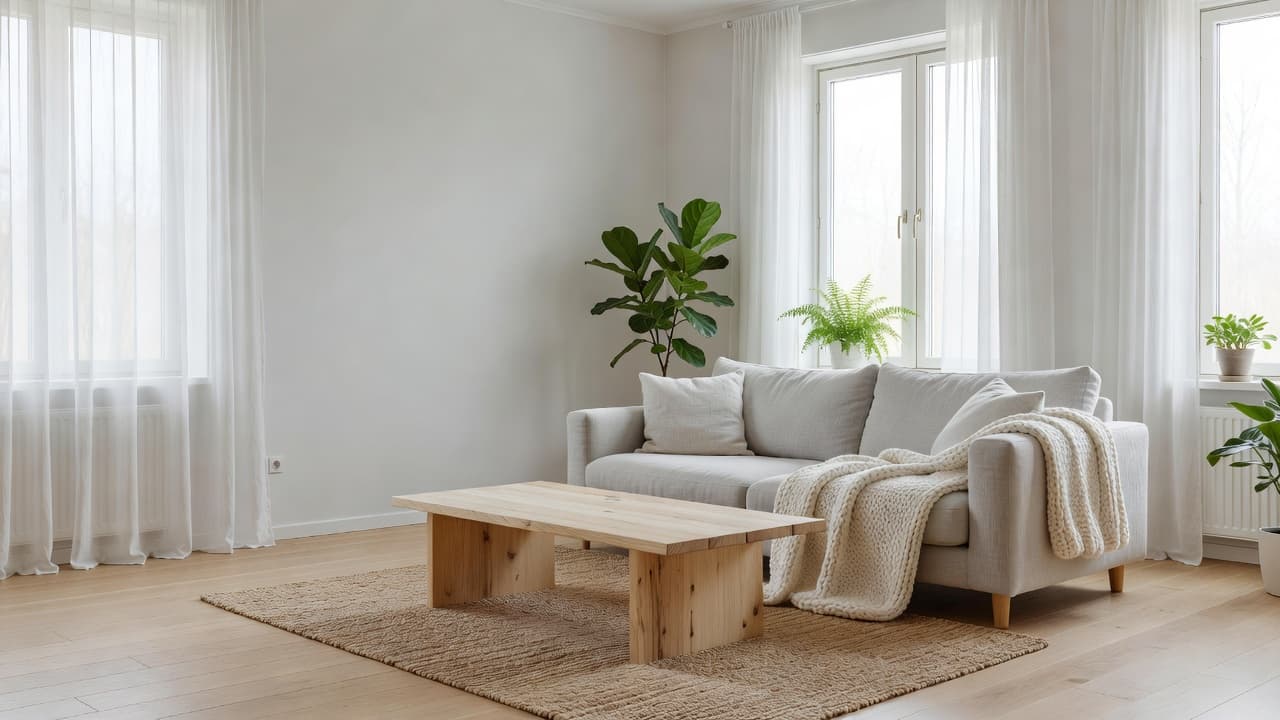
Start with a low-profile sofa in natural linen, a light wood coffee table, and a single statement light — a paper lantern or sculptural pendant. Keep surfaces clear, add one large plant or a branch in a stoneware vase, and layer a jute or wool rug for warmth. For more layouts, see our AI living room design ideas.
Japandi bedroom
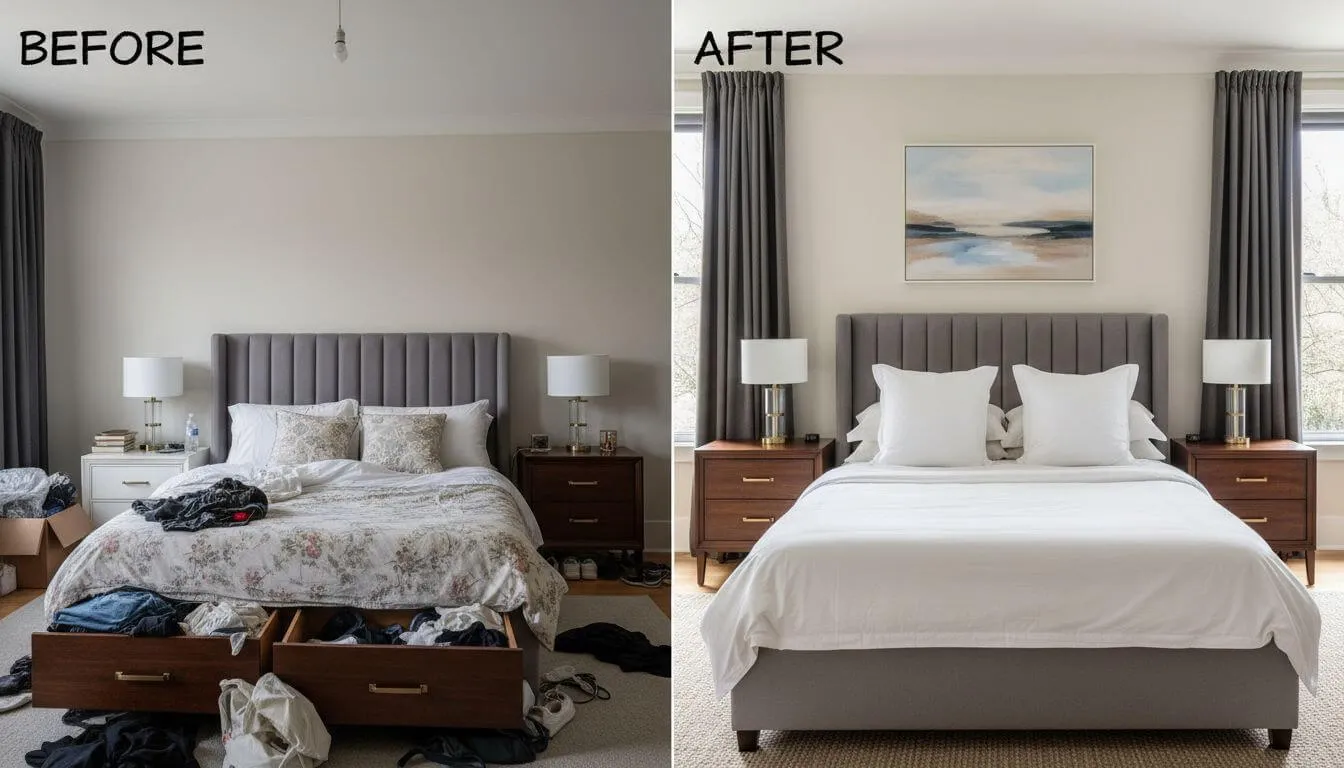
A low platform bed is the anchor. Dress it in undyed linen, add a light oak nightstand, and keep décor to one or two handmade ceramics. Soft, layered lighting beats a single bright overhead. Our AI bedroom design guide shows how to test these arrangements quickly.
Japandi dining and kitchen
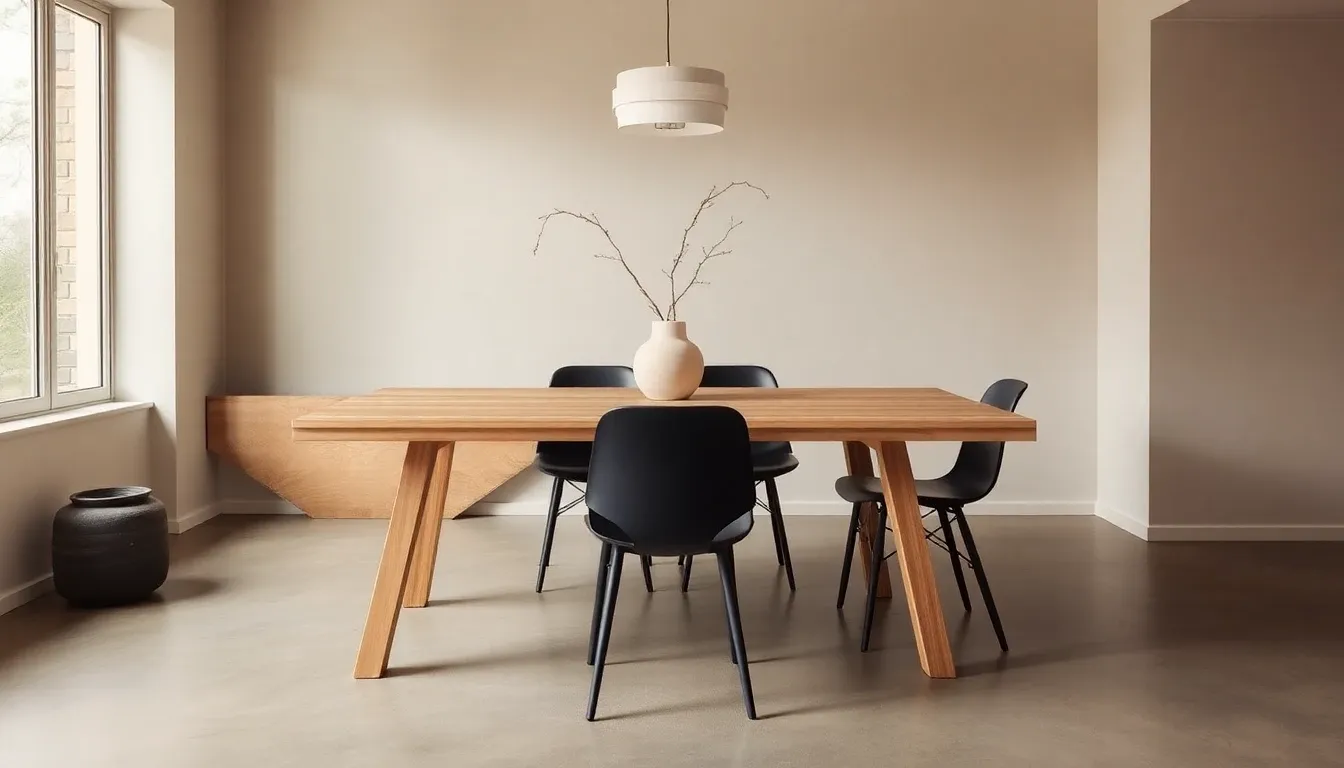
Choose a light wood table with simple, curved chairs, set with matte stoneware. A woven pendant overhead and a few dried stems keep it warm and unfussy. Negative space on shelves matters as much as what you display.
Small spaces
Japandi is ideal for compact homes because it thrives on restraint. Low furniture keeps sightlines open and neutral tones expand the space visually. If you are working with limited square footage, our guide to AI interior design for small spaces pairs perfectly with this style.
How AI Makes Japandi Design Easy
The hardest part of any style is imagining it in your own home. Mood boards help, but they show other people's rooms. AI Japandi interior design solves that: you upload a photo of your real space and the AI re-renders it in the Japandi style — keeping your walls, windows, and proportions while swapping in the right furniture, palette, and materials.
With DecorAI you can test Japandi against your current setup, compare it with neighboring styles like Scandinavian or minimalist, and decide before buying a single item. Browse the full range on our styles page, or start right from the homepage.
See Your Room in Japandi Style — Free
Upload one photo and watch DecorAI reimagine your space in calm, warm Japandi style in seconds. No download, no designer, no guesswork.


Common Japandi Mistakes to Avoid
- Too much color: bright accents break the tonal calm. Keep contrast to wood and a single dark tone.
- Clutter: Japandi needs negative space. If a shelf is full, edit it down.
- Glossy or synthetic finishes: they fight the natural, matte materials at the style's core.
- Matching sets: a perfectly matched suite feels generic. Mix wood tones and handmade pieces.
- Harsh lighting: swap bright overheads for soft, layered, warm light.
Japandi Design FAQ
What is the difference between Japandi and minimalism?
Minimalism is about reducing to essentials, often with a cool, stark feel. Japandi keeps that restraint but adds warmth — natural wood, soft textiles, and handmade imperfection — so the space feels lived-in and cozy rather than clinical.
What colors are best for Japandi?
Warm neutrals: oatmeal, beige, greige, soft white, and muted clay, grounded by natural wood tones and a small amount of charcoal or black for contrast. Avoid bright or saturated colors.
Is Japandi still popular in 2026?
Yes. Japandi remains one of the most popular interior styles because its calm, natural, clutter-free look suits modern homes and small spaces, and its timeless materials don't date quickly.
Can I get a Japandi look on a budget?
Absolutely. Japandi rewards editing over buying. Declutter first, choose a warm neutral wall color, add natural textiles, and invest in one or two quality wood or ceramic pieces. Preview the result with AI before you spend.
How do I see Japandi in my own room?
Upload a photo of your room to DecorAI, choose the Japandi-style direction, and the AI re-renders your actual space in seconds so you can see exactly how it would look.
Conclusion
Japandi endures because it answers a real need: a home that is calm, warm, and uncluttered without feeling cold. Get the palette right, lean on natural materials, edit ruthlessly, and let light stay soft. And before you buy anything, use AI Japandi interior design to see the whole look on your real room — so the version you build is the one you already fell in love with on screen.
Your Calm, Warm Japandi Home Starts With One Photo
Open DecorAI's web app, upload a photo, choose your direction, and watch your real room transform into serene Japandi style in seconds. Your first designs are completely free.
Try the DecorAI Web App Free →No credit card required · Works on any device with a browser
Visualize Your Dream Home Instantly
Don't just read about it. Experience the power of AI interior design with DecorAI's free tool.
Start Designing for FreeWritten by
DecorAI Team
Editorial Team