AI Hallway Design: How to Make a Narrow Hallway Feel Bigger and Brighter
A practical guide to AI hallway design — how to light, color, furnish and decorate a narrow hallway, landing or corridor so it feels wider, brighter and more welcoming, and how to preview every idea on a photo of your own hallway with AI.
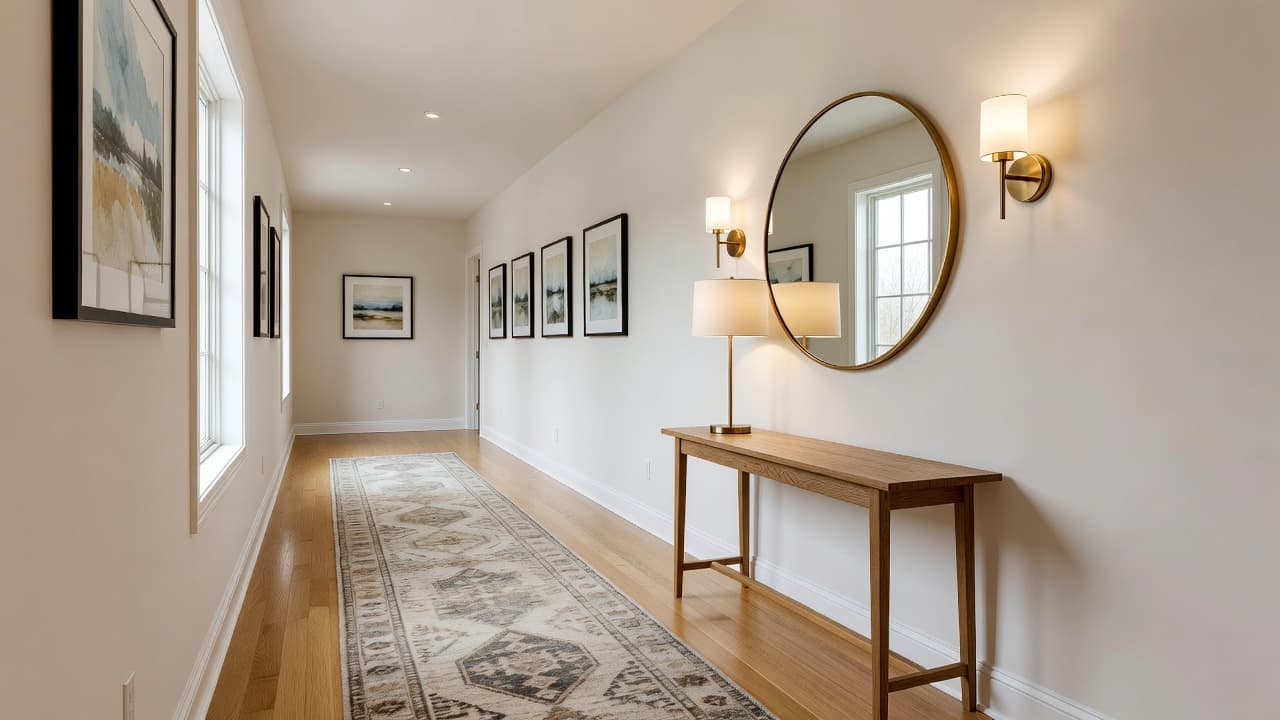
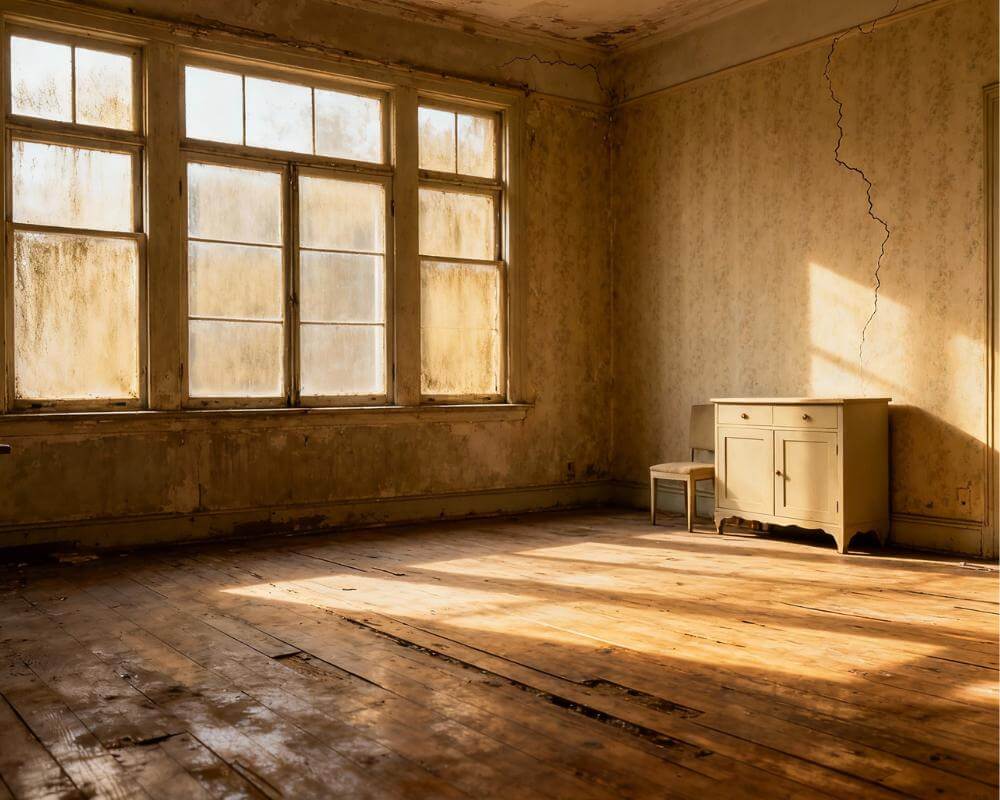
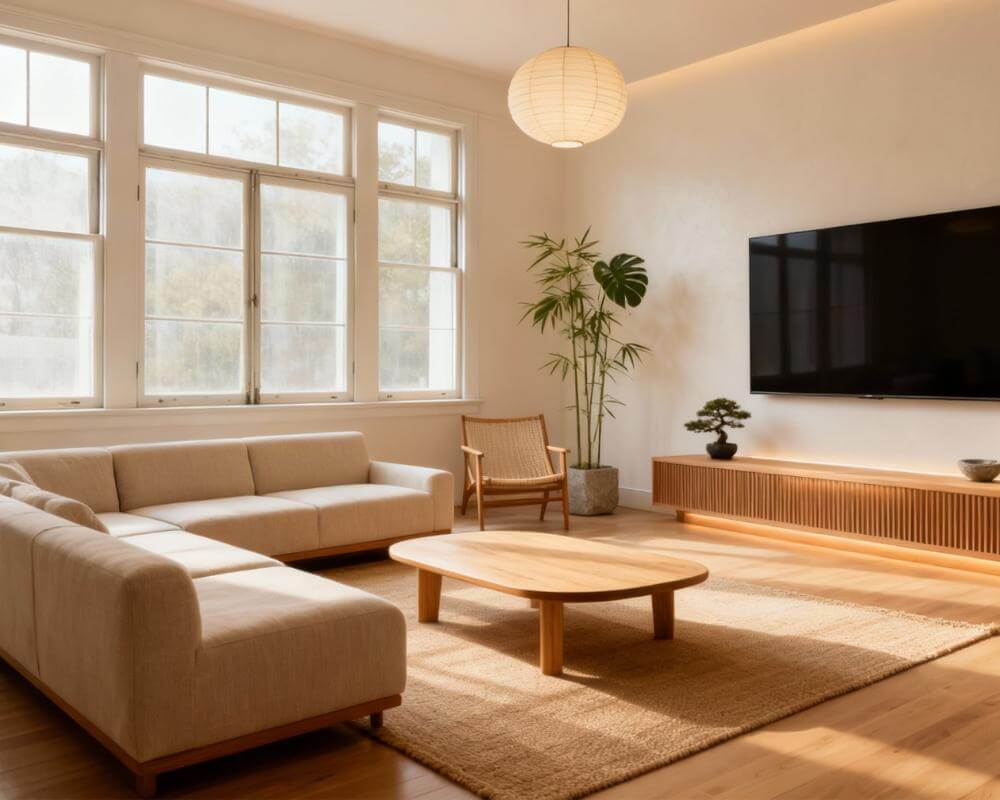
AI hallway design helps you plan the space you walk through every day and almost never decorate. Upload a photo of your hallway, preview brighter walls, better lighting, a runner rug or a slim console, and decide what to buy before you pick up a paintbrush. DecorAI is an AI interior design app that lets users transform photos of existing rooms into realistic redesign concepts.
Hallways are awkward by nature: narrow, often windowless, lined with doors and asked to do several jobs at once. They connect rooms, hold coats and shoes, and quietly decide how the whole home feels as you move through it. This guide covers the lighting, color, floor, storage and decor choices that make a hallway feel wider and more welcoming, plus how to test them on your own photo first.
Key Takeaways
- Light first. Most hallways feel narrow because they are dark; layered light does more than any paint color.
- Pick one calm wall color and let the doors and trim contrast or blend on purpose, rather than adding many shades.
- A runner rug sets the rhythm. It leads the eye along the length and gives a tired floor a focal point.
- Keep furniture slim. A shallow console or wall-mounted shelf works; a bulky cabinet blocks the walkway.
- Mirrors and art borrow space. Use them to bounce light and give the eye something to stop at.
- Try DecorAI free to see your hallway redesigned from a single photo.
Why Do Hallways Feel So Narrow and Dark?
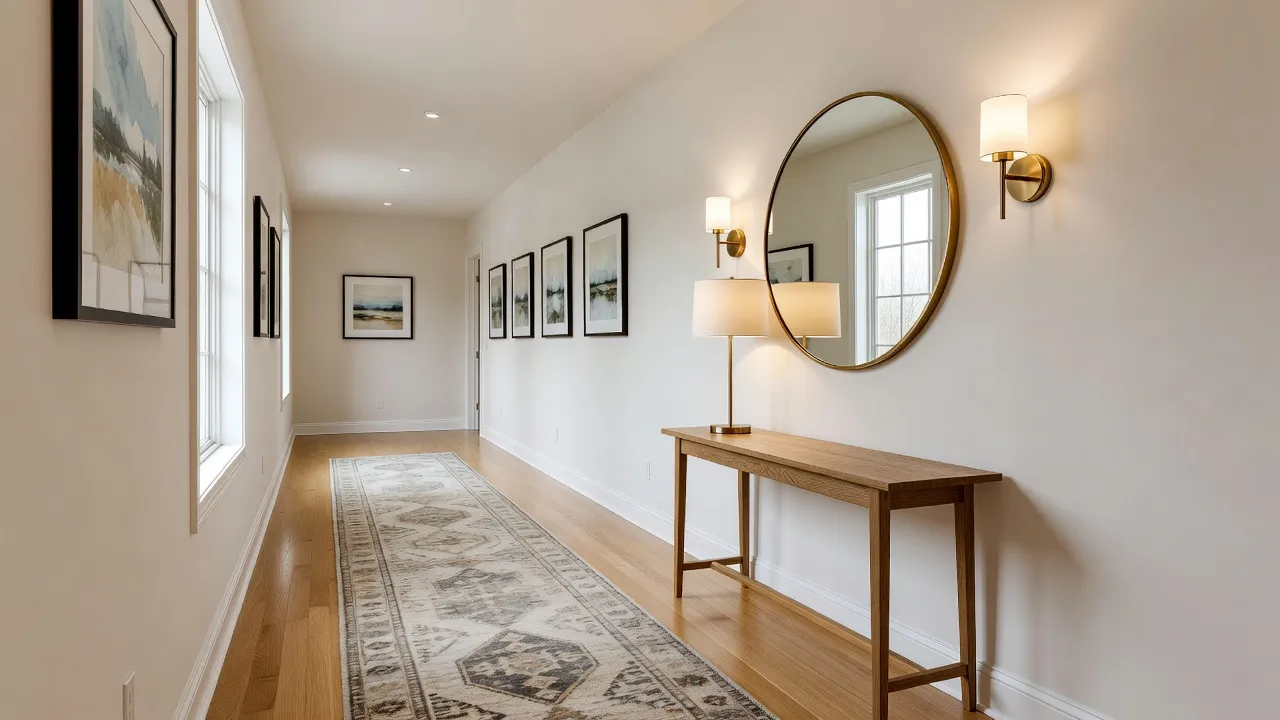
A hallway usually has few or no windows, a low ceiling light, several doors and walls close enough to touch. Dark flooring, busy art and a pile of shoes make the effect worse. The good news is that the same few levers work in almost every hallway: more and better light, lighter and calmer surfaces, a clear floor and a focal point at the far end.
Because a hallway is a long, simple shape, it is also one of the easiest rooms to preview with AI. A single photo taken from one end shows nearly everything that needs deciding.
How Should I Light a Hallway?
One ceiling fixture in the middle of a corridor leaves the ends in shadow. Aim for several soft sources instead: recessed or flush ceiling lights spaced along the length, wall sconces at about eye level, and a lamp on a console where there is room. Warm bulbs around 2700K feel inviting; cool white tends to feel clinical in a space with no daylight. Our AI lighting design guide explains how to layer fixtures, and a preview shows whether a row of sconces looks elegant or too busy.
If the hallway borrows light from a nearby room, keep that doorway open or swap a solid door for a glazed one where it is practical. Light that travels is cheaper than light you install.
What Colors Make a Hallway Feel Bigger?
Light, warm and low-contrast colors open a hallway up. Warm whites, soft greige and pale oatmeal reflect the most light; muted sage or dusty blue add character without shrinking the space. Painting the ceiling a shade lighter than the walls, or the same color, makes it feel higher.
- One wall color along the full length, so the eye sees one continuous space.
- Matching trim and doors if you want the walls to recede, or contrasting doors if you want a crisp, designed look.
- A deeper color on the far wall only if the hallway is bright enough to carry it.
- Satin or eggshell paint, which stands up to scuffs better than flat paint in a high-traffic area.
Our AI color palette room design guide shows how to build and test a palette before buying paint.
Should I Put a Runner Rug in My Hallway?
In most hallways, yes. A runner adds warmth, softens footsteps and draws the eye along the length. Choose one that leaves a few inches of floor visible on each side, with a low pile and a non-slip pad so it lies flat and does not catch the doors. A subtle pattern hides everyday wear; a stripe lengthens the space visually. If the hallway is short and wide, a runner is less important than a clear floor.
Not sure about size or pattern? Our AI rug visualizer guide covers how to test options on your own floor first.
See Your Hallway Redesigned — Free
Upload one photo of your hallway and watch DecorAI restyle your actual space in seconds, keeping your real doors and layout. Try a lighter palette, a runner or new lighting before you buy a thing.


How Do I Add Storage Without Blocking the Hallway?
Hallway storage has to be shallow. As a rule of thumb, keep at least 36 inches (about 90 cm) of clear walking width where you can, and choose pieces that sit close to the wall.
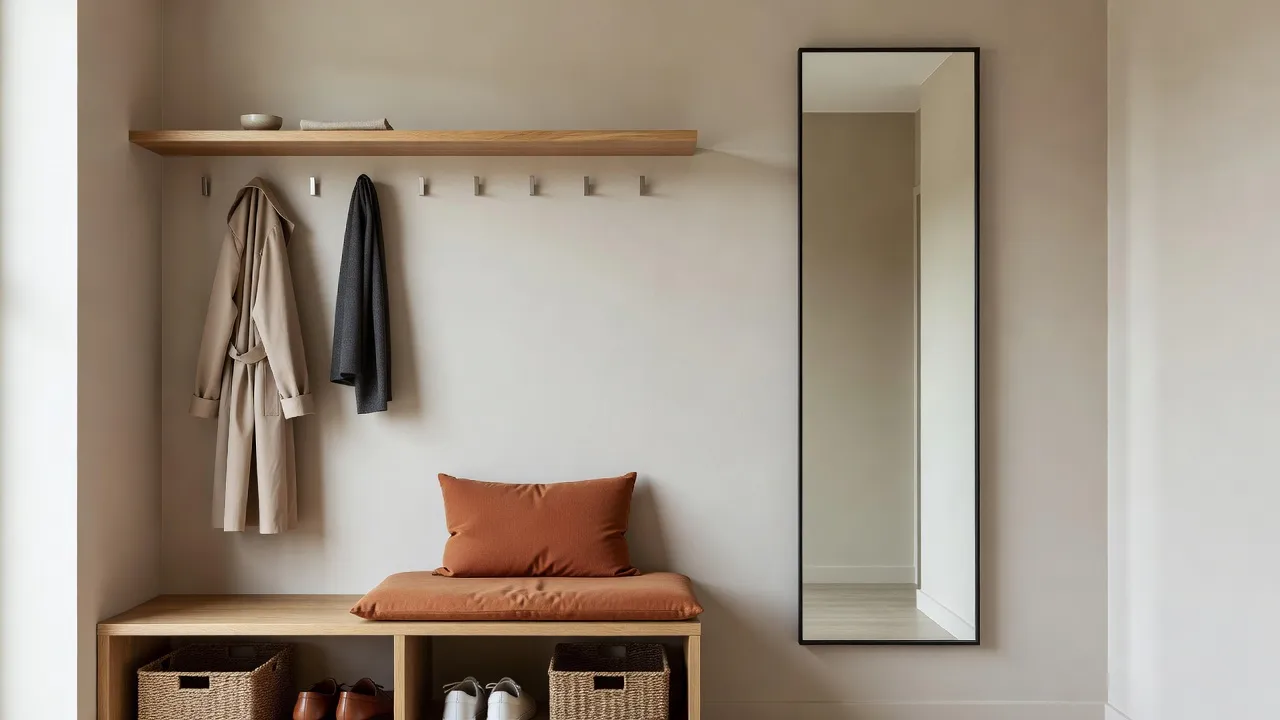
- Wall hooks and a floating shelf take coats and keys off the floor.
- A narrow bench with baskets hides shoes and gives people somewhere to sit.
- A slim console about 10 to 12 inches deep holds a lamp and a tray without crowding the path.
- A tall mirror near the door adds a last-look spot and bounces light.
If your hallway is also your entrance, our AI entryway and foyer design guide goes deeper on first-impression layouts and shoe storage.
What Should I Hang on Hallway Walls?
A hallway wall is a natural gallery: people pass it slowly and see it up close. Keep frames in a consistent family, hang art slightly lower than you would in a living room, and avoid frames that stick out far enough to catch shoulders. A row of same-size frames, or one large piece, feels calmer than a scattered mix. Our AI gallery wall planner guide shows how to test a layout on your own wall before drilling holes.
What About Landings, Stairs and L-Shaped Hallways?
The same rules apply, with a few extras. Keep the stair edge and any banister visible and unobstructed. Use a runner that follows the line of the hallway, and treat the landing as a place for one deliberate piece, such as a small bench or a plant, rather than a collection of things.
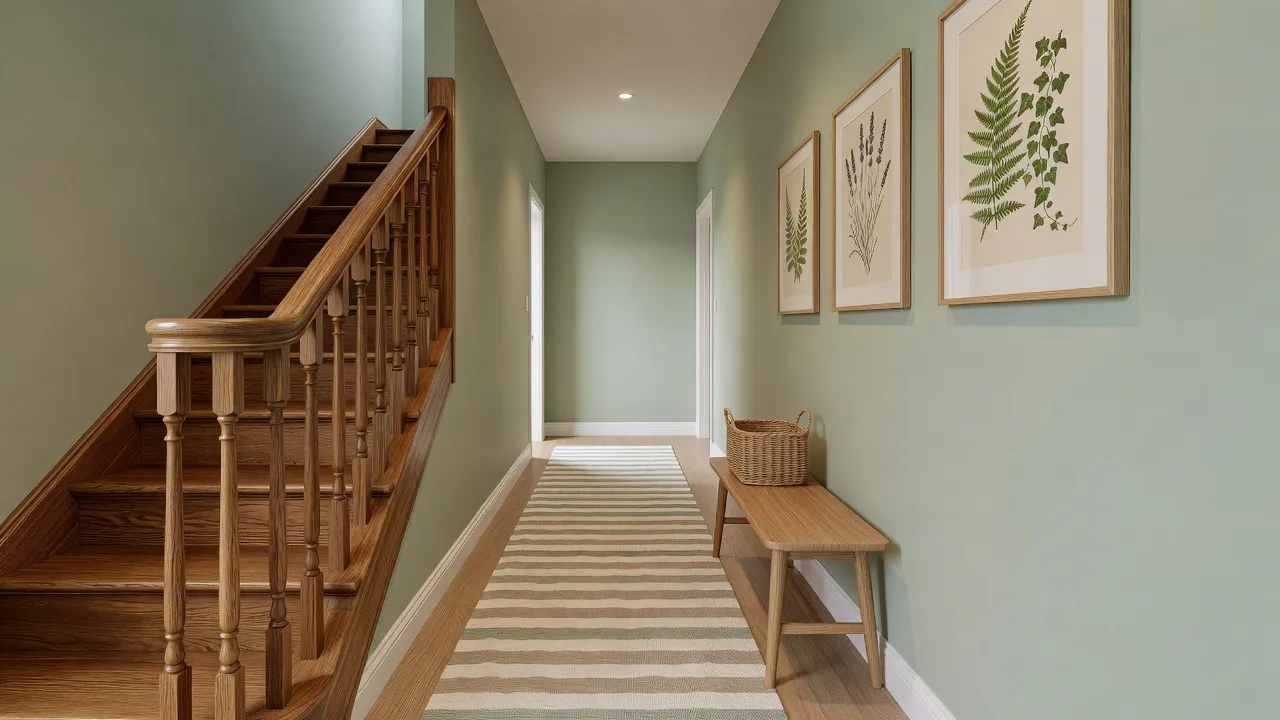
In an L-shaped hallway, place light and art at the corner so the turn feels like a destination rather than a dead end. For very small circulation spaces, see our AI interior design for small spaces guide.
How Do I Plan My Hallway With AI?
- Photograph the hallway from one end with the lights on, keeping the whole length in frame. Our guide to photographing your room for AI design has framing tips.
- Upload it to DecorAI and choose a calm starting style such as Scandinavian, Japandi or Modern, or any of the 60+ designer styles.
- Test one change at a time: wall color first, then lighting, then the rug.
- Edit single elements with the AI inpainting editor, for example to swap a mirror or change a door color.
- Preview real products with AI furniture import so the console or bench you plan to buy is the one you see.
- Measure before you buy. An AI preview is for deciding, not for exact dimensions.
What Are Common Hallway Mistakes to Avoid?
- Relying on a single ceiling light, which leaves the ends dark.
- Furniture that is too deep, which narrows the walkway and invites bumps.
- Dark floors with dark walls, which makes the hallway feel like a tunnel.
- A rug that slides, which is a trip hazard without a proper pad.
- Too many small frames and ornaments, which read as clutter in a narrow space.
AI Hallway Design FAQ
What is the best color for a small hallway?
Light, warm colors such as warm white, soft greige or pale oatmeal reflect the most light and make a hallway feel wider. Muted sage or dusty blue also work if there is enough light.
How do I make a long, narrow hallway look wider?
Use light colors, layered lighting, a mirror on one side and a runner that leaves some floor visible. Keep furniture shallow and the floor clear.
Can AI redesign my hallway from a photo?
Yes. DecorAI can restyle a photo of your hallway into a realistic redesign concept so you can compare colors, lighting and decor before spending money.
Do I need an account to try it?
DecorAI offers three free generations per day without requiring an account or credit card, unlocked by watching a short rewarded video advertisement.
How long does a design take?
Designs are usually generated in under 10 seconds and can sometimes be ready in approximately five seconds; peak periods may take longer.
Conclusion
A hallway is the connecting thread of a home, and small changes go a long way: better light, a calm color, a runner, slim storage and one good mirror or piece of art. Because it is a simple, repeating shape, it is also one of the easiest spaces to test with AI. Photograph it, try a few versions in DecorAI, measure carefully and then buy with confidence.
Visualize Your Dream Home Instantly
Don't just read about it. Experience the power of AI interior design with DecorAI's free tool.
Start Designing for FreeWritten by
DecorAI Team
Editorial Team