AI Rug Visualizer App: See the Right Size and Color Before You Buy
A practical guide to using an AI rug visualizer app to preview area rug size, color, and material in your actual room before you order one online — how the technology works, choosing the right rug size per room, matching color and texture, and the most common rug-buying mistakes.
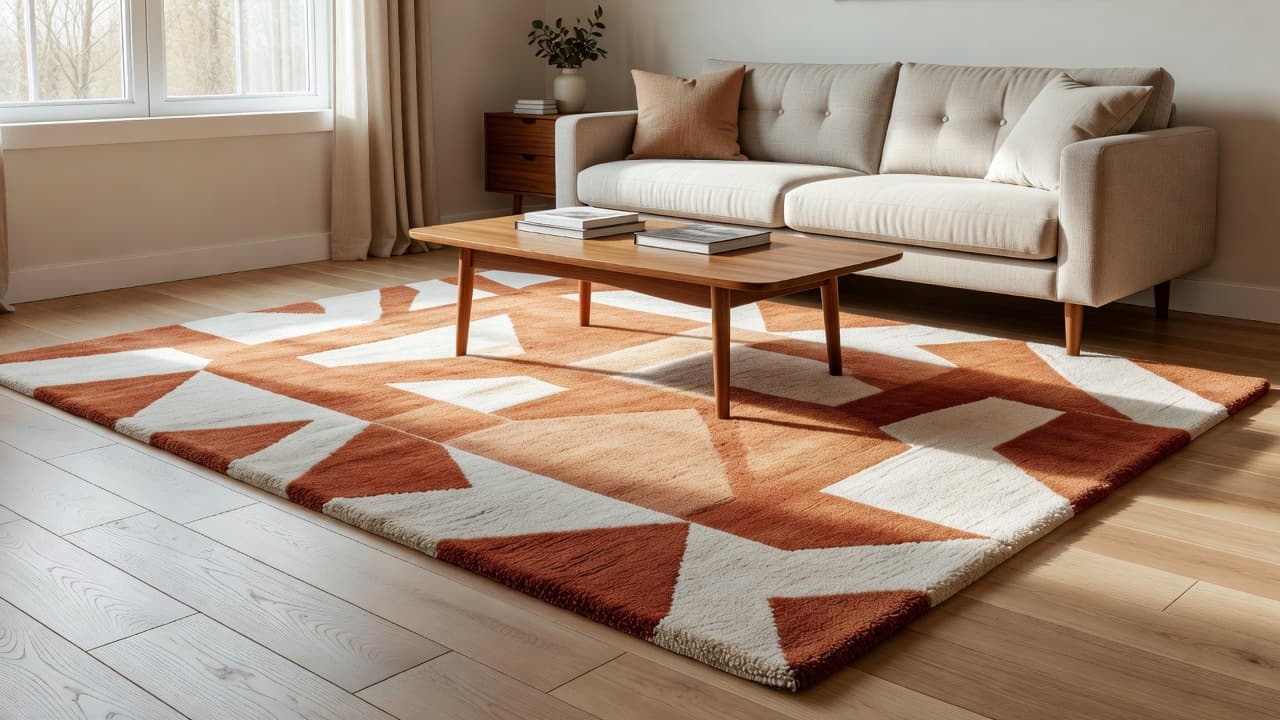

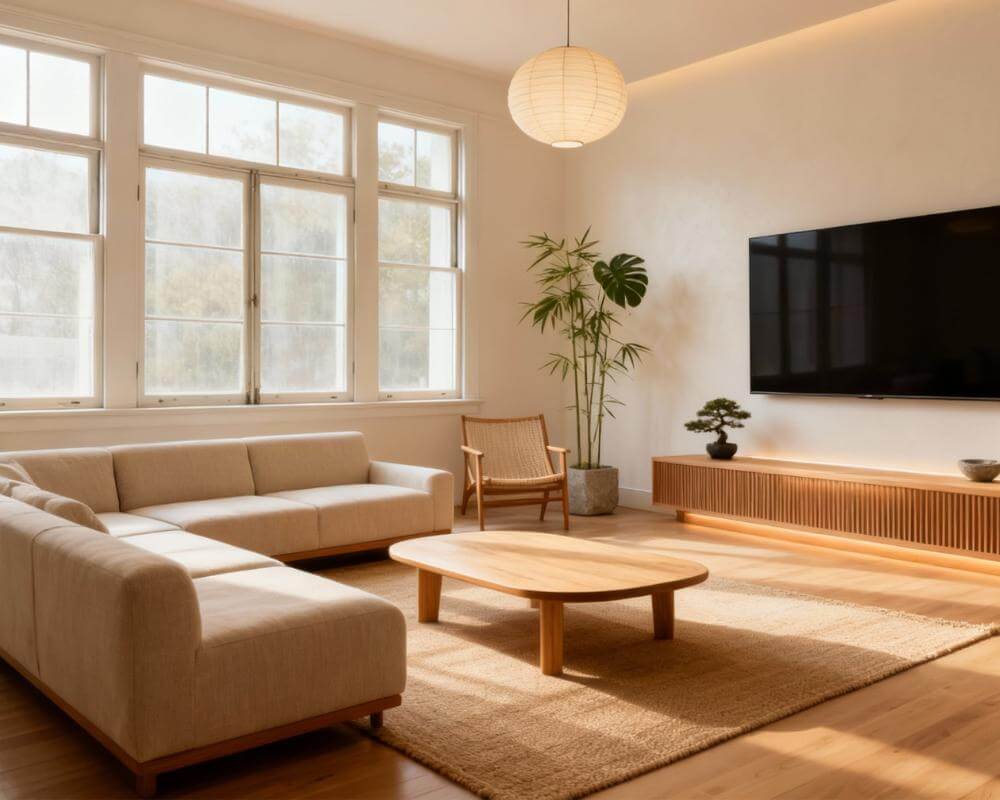
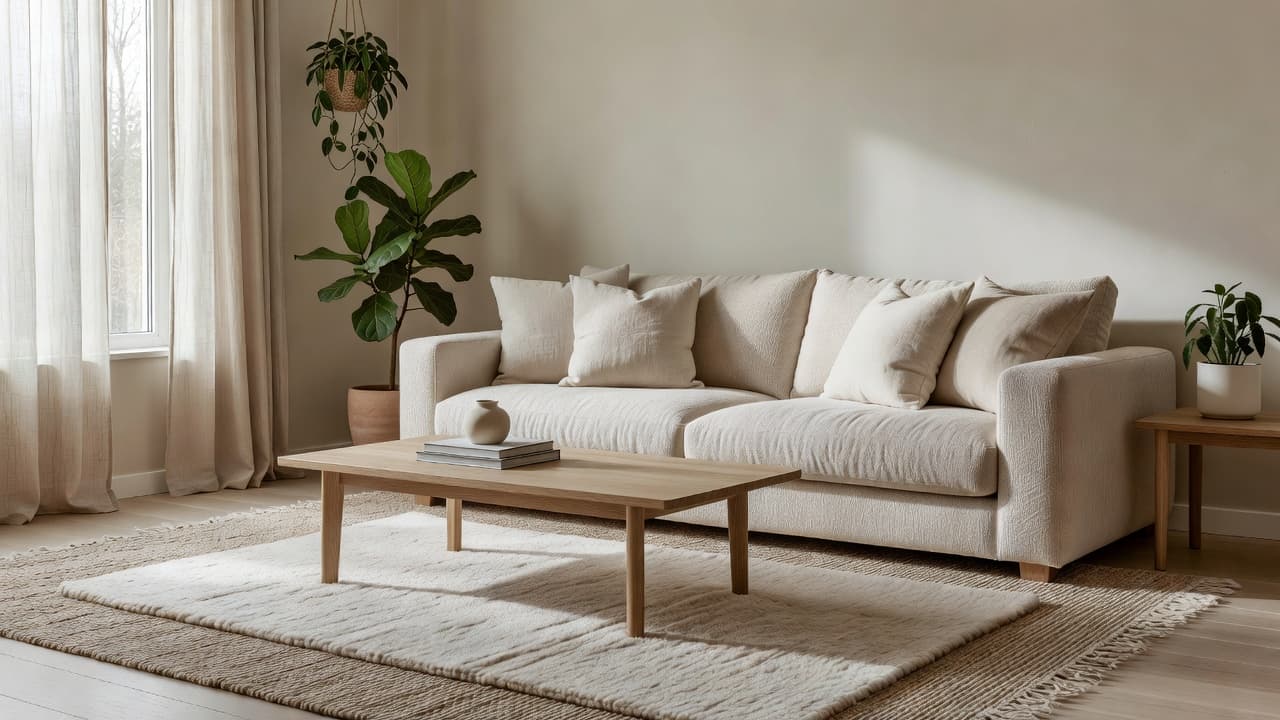
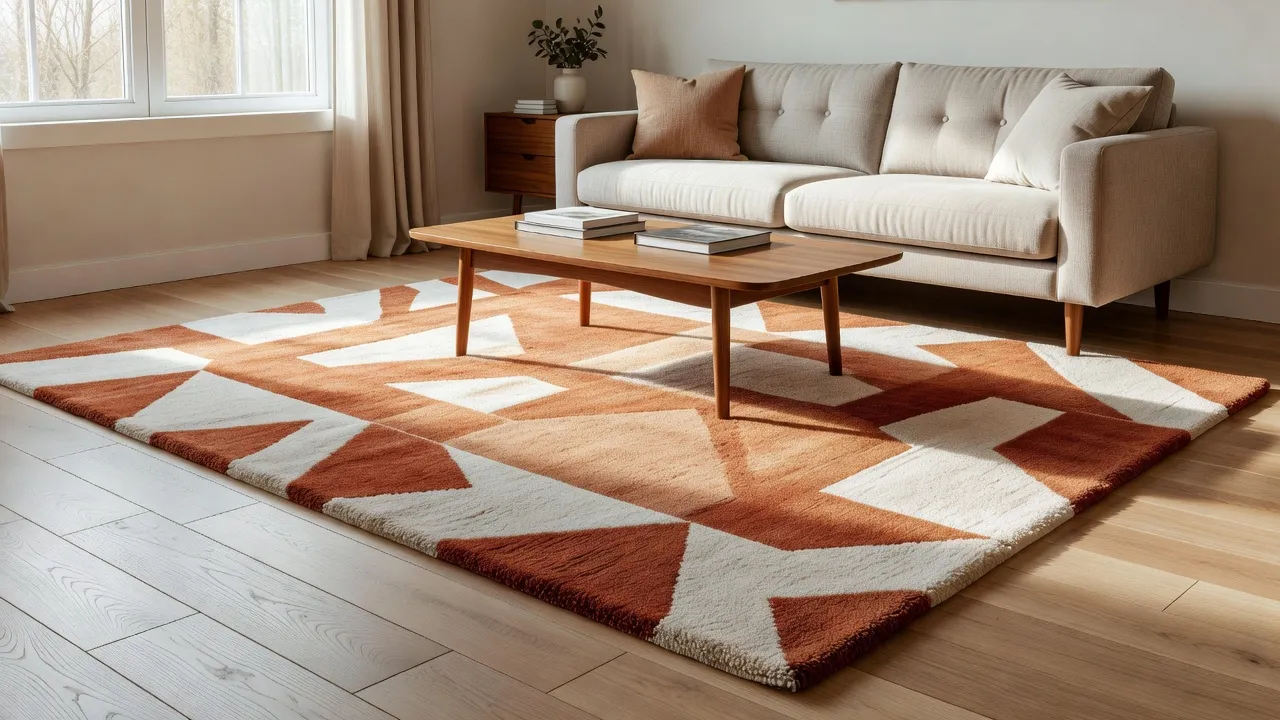
An AI rug visualizer app lets you upload a photo of your actual room and preview an area rug's size, color, and pattern rendered at true scale on your real floor, under your real furniture, before you order one online and gamble on a return. A rug is one of the hardest home purchases to get right sight-unseen, because size, color, and texture all read completely differently on a small product thumbnail than they do spread across your actual living room or bedroom floor. With DecorAI, you can test a large geometric rug under your existing sofa, compare a jute-look weave to a plush wool pile, or see how a warm terracotta tone would sit against your current flooring, all on the same photo of your real room. This guide covers how AI rug visualization works, how to choose the right rug size for each room, matching color and material to a space you already have, and the most common mistakes people make buying a rug from a thumbnail alone.
Key Takeaways
- Product photos are unreliable at room scale — a rug that looks right in a listing thumbnail can read far smaller, busier, or the wrong undertone once it's actually down in your space.
- AI visualization uses your real room — a photo of your actual flooring, walls, and furniture produces a far more useful preview than a showroom vignette or a generic stock photo.
- Rug size is the single biggest factor in how a room feels — an undersized rug is the most common styling mistake, and it's one of the easiest to catch before you buy.
- Color and material should be chosen against your existing floor and furniture — not in isolation from a swatch or a screen with different lighting than your home.
- AI lets you compare rug size, color, and texture on your actual room before ordering a rug that's expensive and inconvenient to ship back.
What Is an AI Rug Visualizer, and How Is It Different From a Product Photo?
A rug's product listing photo is staged in a bright studio or a showroom vignette, disconnected from your actual room's floor tone, wall color, and furniture layout. An AI rug visualizer instead works from a photo of your real room, then generates a photorealistic version of that same space with a chosen rug applied at true scale, positioned under your furniture the way it would actually sit once unrolled, including how your room's specific light hits its color and pile. The difference matters because a rug reads very differently at product-photo size than it does covering forty or sixty square feet of your actual floor — a warm gray that looks neutral in a listing can pick up a cool or muddy cast once it's the dominant surface under your sofa, and a thumbnail can't show you that shift in your specific space.
How Does AI Rug Visualization Work?
The process breaks down into three steps, and getting each one right produces a far more useful preview.
1. Upload a Photo of Your Actual Room
Start with a well-lit, straight-on photo taken from a doorway or corner, capturing your existing floor, furniture, and as much open floor space as possible. The AI reads the room's real proportions and furniture placement, which is what makes the resulting preview usable instead of generic.
2. Describe a Rug Size, Color, and Material
From there you can specify a rug size, a color and pattern — a warm terracotta geometric, a neutral jute-look weave, a plush solid wool — and the AI renders it onto your floor plane, positioned under your existing furniture in your specific room. This replaces guessing scale and tone from a small product thumbnail photographed in a completely different space.
3. Preview at Real Scale Before You Order
The finished render accounts for your room's real furniture layout and window light, which is what determines whether a rug size actually leaves the right amount of floor showing and whether a color reads warm or cool once it's down. Comparing a few options against the same photo turns the decision from a guess into a choice you can order online with confidence.
What Size Rug Do You Need for Each Room?
Rug size is the single biggest factor in how a room feels, and an undersized rug — one that floats in the middle of the floor with no furniture touching it — is the most common and most noticeable rug-buying mistake.
- Living room — the front legs of every major seating piece should rest on the rug, or ideally all four legs for a more grounded look; this generally means sizing up from what feels intuitive at a store.
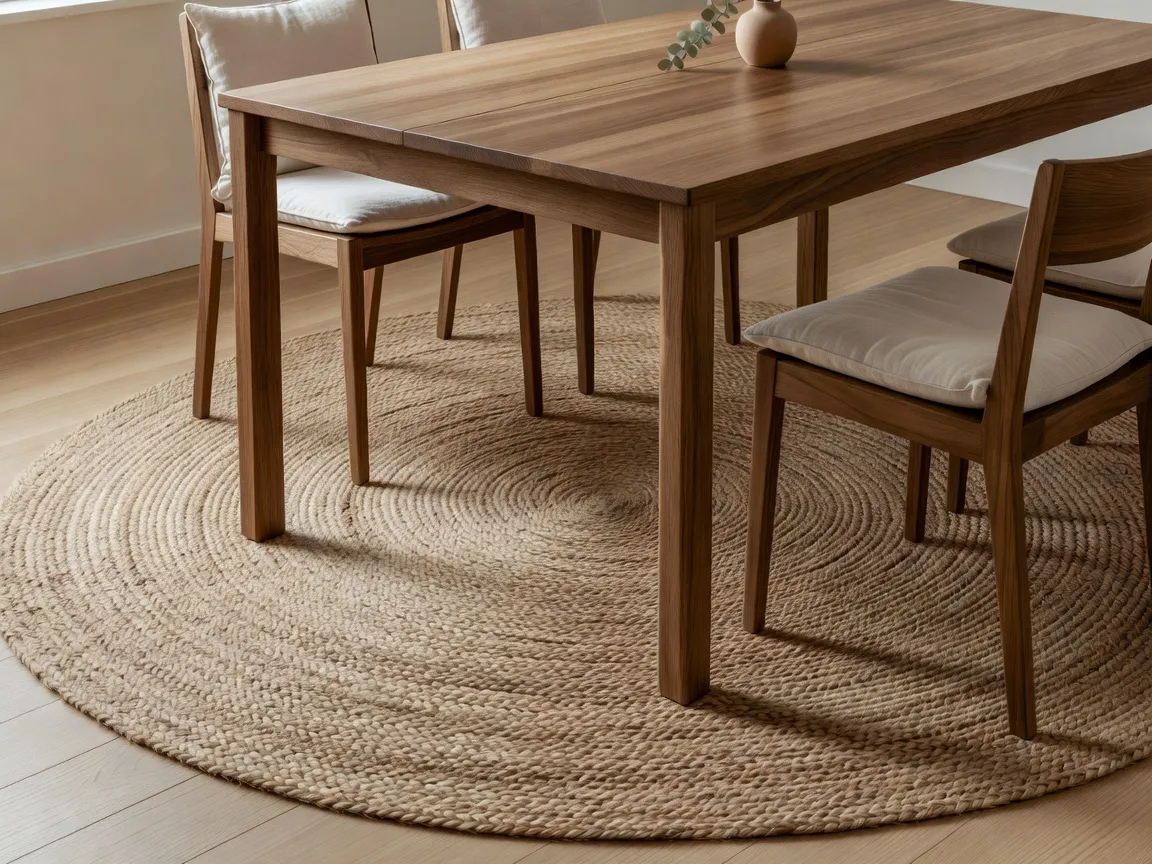
- Dining room — the rug should extend at least 24 to 30 inches beyond the table on all sides, so chairs stay fully on the rug even when pulled out to sit down.
- Bedroom — a rug should extend at least 18 to 24 inches beyond the sides and foot of the bed, or a runner-style layout works well flanking each side of a smaller bed.
- Entryway — a smaller runner or accent rug generally suits the space, sized to leave clearance for the door swing and any furniture already in place.
Our AI flooring visualizer guide covers previewing the floor underneath a rug, which matters most for the exposed border a correctly sized rug leaves showing around its edges.
How Do You Choose a Rug Color and Material That Won't Clash?
A rug is one of the largest single blocks of color and pattern in most rooms, so it is worth choosing it against your existing floor and furniture rather than in isolation from a swatch or a screen with lighting that doesn't match your home. A rug with some pattern or a mid-tone color tends to hide dirt, pet hair, and everyday wear better than a solid pale rug, which shows every mark within weeks in a high-traffic living room. Natural fibers like jute and sisal bring warmth and texture at a lower cost but can feel rougher underfoot, while wool and synthetic blends are softer and easier to clean, which matters more in a room where people sit or lie directly on the floor. Testing a rug's undertone against your existing flooring and wall color, rather than choosing it in a vacuum, avoids the common mismatch of a rug that looked neutral online but clashes once it's actually down. Our AI color palette for room design guide covers building a full-room palette around a rug choice before finalizing either one.
Preview a New Rug — Free
Stop guessing from a small product photo. Upload a photo of your actual room to DecorAI and preview rug size, color, and material at true scale before you order anything.


What Mistakes Do People Make Buying a Rug Without Previewing It?
- Buying a rug that's too small. A rug floating alone in the middle of a room with no furniture touching it is the single most common styling mistake, and it makes a room look smaller and less finished.
- Judging color from a small screen thumbnail alone. A tone that reads neutral in a product photo can shift noticeably warmer, cooler, or busier once it covers real floor space in your room's actual light.
- Ignoring how the rug will read against existing flooring. A rug chosen without accounting for the wood tone or tile beneath it is a common, easy-to-avoid mismatch.
- Choosing an all-pale solid rug in a high-traffic room. It shows dirt, pet hair, and wear far faster than a rug with some pattern or a mid-tone color.
- Skipping a rug pad. A pad keeps a rug from sliding or bunching and meaningfully extends its life, especially on hardwood or tile.
Can You Layer Rugs, and Does AI Help With That?
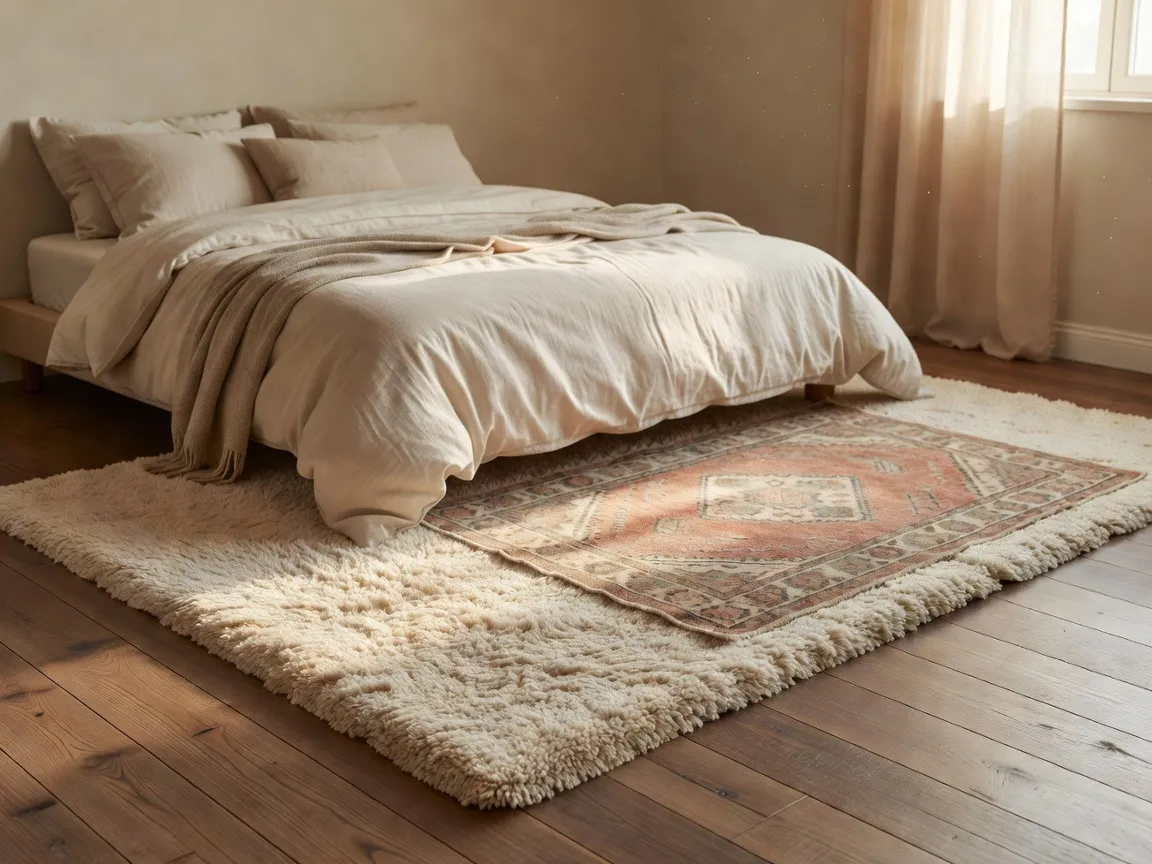
Yes, layering a smaller textured or patterned rug over a larger neutral base rug is a popular way to add warmth and visual interest to a bedroom or living room without committing to one bold rug across the entire floor. The trick is proportion — the base rug still needs to follow the room's general sizing guidelines, with the top layer sized to leave a visible neutral border rather than nearly matching the base rug's edges, which reads as a mistake rather than an intentional layer. Because layering depends heavily on how two rugs interact in your specific room's light and furniture arrangement, it is one of the harder combinations to judge from separate product photos alone, and previewing both rugs together on your actual floor removes most of the guesswork. Our AI living room design guide and AI curtain visualizer guide cover previewing other soft-furnishing layers in the same room before committing to a full look.
AI Rug Visualizer App — FAQ
Can an AI rug visualizer show real rug products, or just general styles?
Most AI rug visualizers, including DecorAI, render a general size, color, and material rather than a specific manufacturer's exact product, which is enough to judge scale, tone, and how a rug reads in your room's real light before narrowing down to an exact product with a retailer.
What's the biggest mistake people make when buying a rug online?
Buying a rug that's too small is the most common mistake — a rug that floats in the middle of a room without any furniture legs resting on it makes the whole space feel smaller and less pulled together, and it's one of the easiest problems to catch before ordering.
Should a rug match the wall color or the flooring?
A rug doesn't need to match either exactly, but it should be tested against both, since an undertone that looks neutral on a screen can clash with a room's actual wood tone or paint color once it's down.
Is a natural fiber rug or a wool rug better for a living room?
Wool and synthetic blends are generally softer underfoot and easier to clean, which suits a living room where people sit on the floor, while natural fibers like jute bring texture and cost less but can feel rougher and are harder to spot-clean.
Do I need a rug pad under every area rug?
A rug pad is worth adding under nearly any rug on a hard floor — it prevents sliding and bunching, adds cushioning underfoot, and meaningfully extends the rug's lifespan, especially on hardwood or tile.
Conclusion
A rug is one of the easiest home decor purchases to get wrong from a product thumbnail alone, because size, color, and texture only reveal their real character once a rug is actually down on your floor in your room's real light. Preview size, color, and material on a photo of your own space first, and choices between rugs become far easier calls. DecorAI lets you see exactly how a new rug will look in your real room before you order anything. Explore the styles gallery for more design directions, read our AI mood board creator guide for collecting rug ideas in one place, or start from the DecorAI homepage to try it on your own space. For background on the craft, Wikipedia's overview of carpets and rugs covers how woven floor coverings developed across different textile traditions.
Visualize Your Dream Home Instantly
Don't just read about it. Experience the power of AI interior design with DecorAI's free tool.
Start Designing for FreeWritten by
DecorAI Team
Editorial Team