AI Flooring Visualizer App: See New Floors Before You Buy
A practical guide to using an AI flooring visualizer app to preview hardwood, tile, vinyl, and carpet in your actual room before you order anything — how the technology works, choosing between flooring types, matching color and finish, and the most common flooring mistakes.

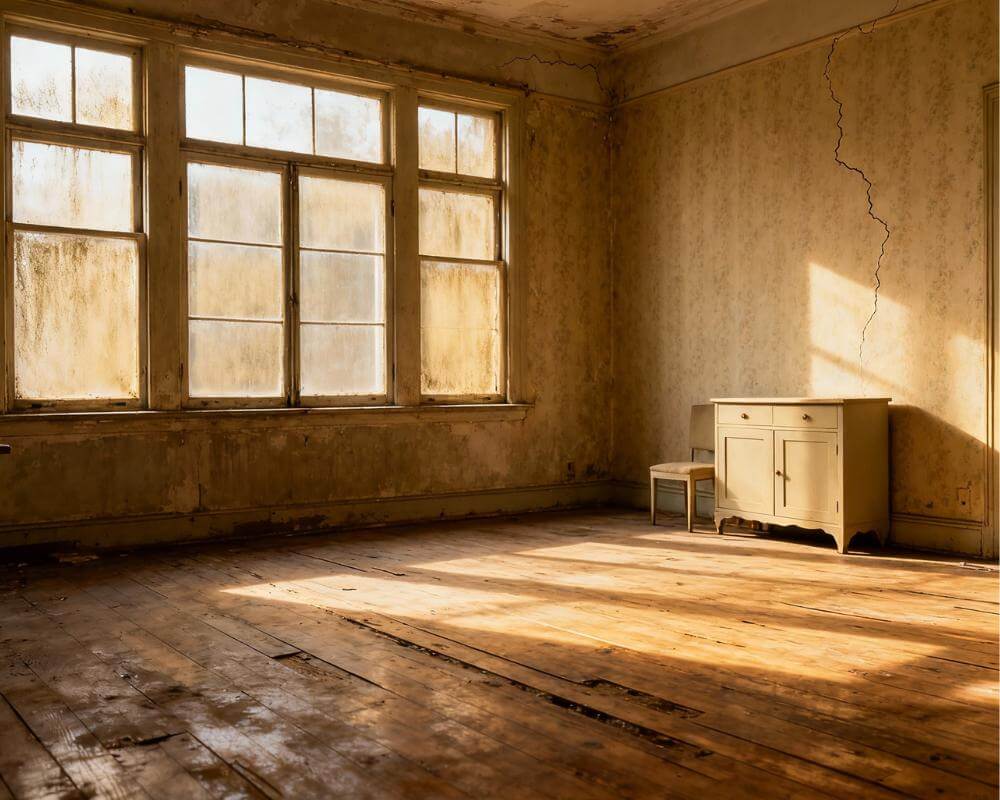

An AI flooring visualizer app lets you upload a photo of your actual room and preview hardwood, tile, vinyl plank, or carpet rendered at true scale in your real light, against your real walls and furniture, before you order a single box. Flooring is one of the most expensive-per-square-foot renovations in a home, and also one of the hardest to judge from a small sample chip, because color, grain, and sheen all read completely differently spread across an entire floor than they do in a six-inch square under showroom lighting. With DecorAI, you can test a wide-plank oak against your existing trim, compare matte tile to a warmer wood tone, or see how a neutral vinyl plank would look next to your current furniture, all on the same photo of your real room. This guide covers how AI flooring visualization works, hardwood versus tile versus vinyl versus carpet, choosing a color and finish that won't look dated, and the most common mistakes people make buying flooring from a sample alone.
Key Takeaways
- Small samples are unreliable at floor scale — a plank or tile that looks right as a six-inch chip can read far darker, warmer, or busier once it covers an entire room in natural light.
- AI visualization uses your real room — a photo of your actual walls, trim, and furniture produces a far more useful preview than a showroom vignette or a stock photo room.
- Flooring tone changes a room's perceived size and warmth — lighter, wider planks tend to open a small room up, while dark, narrow boards can make the same room feel more closed in.
- Hardwood, tile, vinyl, and carpet each solve different problems — moisture resistance, comfort underfoot, and long-term durability favor different rooms in the same home.
- AI lets you compare flooring color, plank width, and finish on your actual room before ordering full pallets, which are expensive and slow to return once installed.
What Is an AI Flooring Visualizer, and How Is It Different From a Sample Chip?
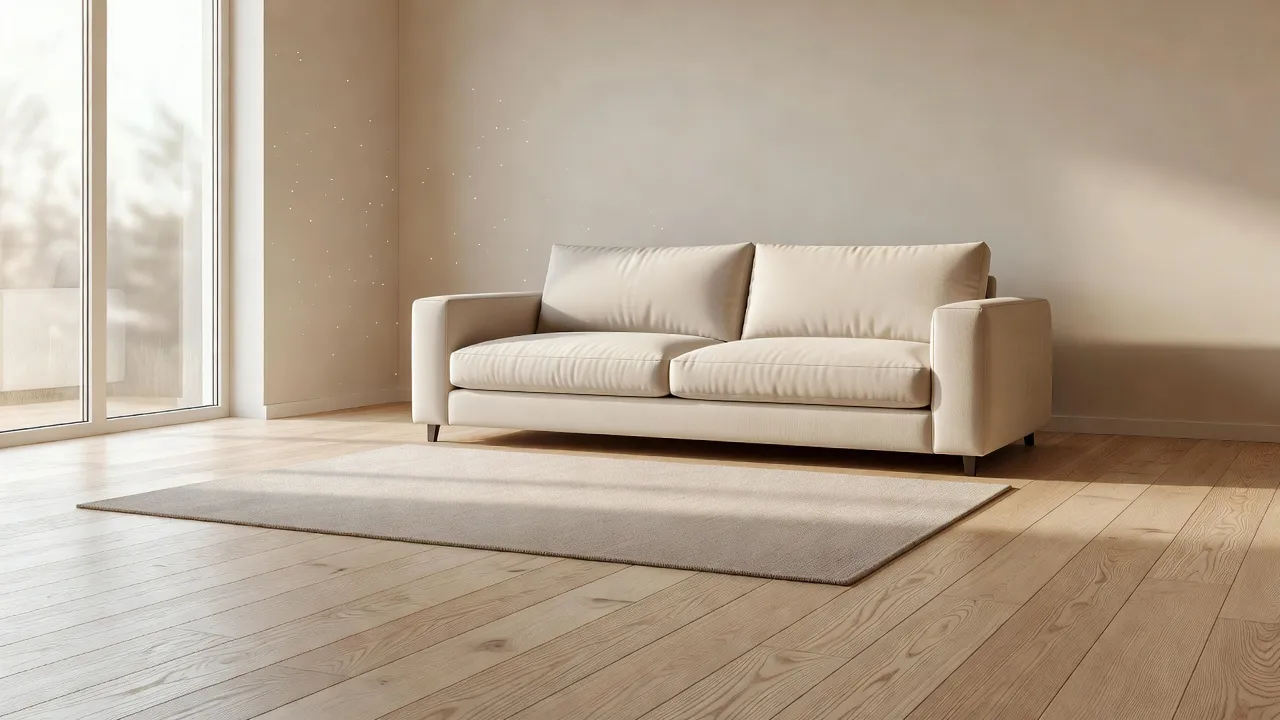
A flooring sample chip or a showroom display board is shown under generous, ideal lighting, disconnected from your actual room's window placement, wall color, and furniture. An AI flooring visualizer instead works from a photo of your real room, then generates a photorealistic version of that same space with a chosen flooring type applied at true scale, mapped onto your floor plane the way it would actually look once installed, including how your room's specific light source hits it at different times of day. The difference matters because flooring reads very differently at six inches than it does across three hundred square feet — a warm gray that looks neutral as a chip can pick up a pink or green cast once it's the dominant surface in a room, and a generic showroom photo can't show you that shift in your specific space.
How Does AI Flooring Visualization Work?
The process breaks down into three steps, and getting each one right produces a far more useful preview.
1. Upload a Photo of Your Actual Room
Start with a well-lit, straight-on photo taken from a corner or doorway, capturing as much of the existing floor as possible along with your walls, trim, and furniture. The AI reads the room's real proportions and light, which is what makes the resulting preview usable instead of generic.
2. Describe a Flooring Type and Tone
From there you can specify a material — wide-plank white oak, matte porcelain tile, warm walnut, or a low-pile neutral carpet — along with a color and finish, and the AI renders it onto your floor plane in your specific room. This replaces guessing from a small chip held up against a completely different wall.
3. Preview at Real Scale Before You Order
The finished render accounts for your room's real window light and existing color palette, which is what determines whether a tone reads warm or cool once it's actually down. Comparing a few flooring options against the same photo turns the decision from a guess into a plan a flooring contractor can actually order material against.
Hardwood vs. Tile vs. Vinyl vs. Carpet: Which Flooring Fits Your Room?
The right material depends far more on the room's function and moisture exposure than on trend alone, and most homes benefit from mixing types room by room rather than choosing one floor for the whole house.
- Hardwood — best suited to living rooms, bedrooms, and dining rooms; warm underfoot and refinishable over decades, but vulnerable to standing water and best kept out of full bathrooms and laundry rooms.
- Tile — the strongest choice for bathrooms, mudrooms, and kitchens, since it resists moisture and stains that would damage wood; cold underfoot without radiant heating, which is worth factoring into comfort.
- Vinyl plank — a practical, water-resistant option for kitchens, basements, and rentals, mimicking wood or stone at a lower cost and easier install, though it doesn't refinish the way real hardwood does.
- Carpet — still the most comfortable option for bedrooms and media rooms, softening sound and providing warmth underfoot, though it holds allergens and wears faster in high-traffic paths than hard flooring.
A home with furniture already in place changes how much of the new floor will actually show, which affects how much a bold tile pattern or a distinctive wood grain matters visually. Our AI interior design for existing furniture guide covers testing new flooring against pieces you already own before you commit to a material.
How Do You Choose a Flooring Color and Finish That Won't Look Dated?
Flooring is one of the most expensive finishes in a home to replace, so it is worth choosing tones that outlast short-lived trends rather than chasing the color that's most popular this year. Mid-tone warm woods and matte or low-sheen finishes have stayed in style across more design cycles than very dark espresso stains or high-gloss lacquer, both of which show scratches, dust, and pet hair more visibly and tend to date a room to a specific decade once trends shift. Testing a flooring tone against your existing wall color and cabinetry, rather than choosing it in isolation, avoids the common mismatch of a floor that looked neutral in a showroom but clashes once it's under your specific paint and trim. Our AI color palette for room design guide covers building a full-room palette around a flooring choice before finalizing either one.
Preview New Flooring — Free
Stop guessing from a six-inch sample. Upload a photo of your actual room to DecorAI and preview hardwood, tile, vinyl, or carpet at true scale before you order anything.


What Mistakes Do People Make Choosing Flooring Without Previewing It?
- Judging a tone from a small sample chip alone. A color that reads neutral at six inches can shift noticeably warmer, cooler, or busier once it covers an entire floor.
- Choosing one flooring type for the whole house. Wood throughout a home with a full bathroom or laundry room invites moisture damage that a mixed-material approach avoids.
- Ignoring how the floor will read against existing walls and cabinetry. A floor chosen in isolation from the rest of the room's palette is a common, expensive mismatch to discover after installation.
- Choosing a very dark or high-gloss finish in a high-traffic room. Both show scratches, dust, and scuffs far more visibly than a mid-tone matte finish.
- Overlooking plank or tile width relative to room size. Narrow boards can make a small room feel choppier, while wider planks generally read as more spacious.
Does the Best Flooring Choice Change Room by Room?
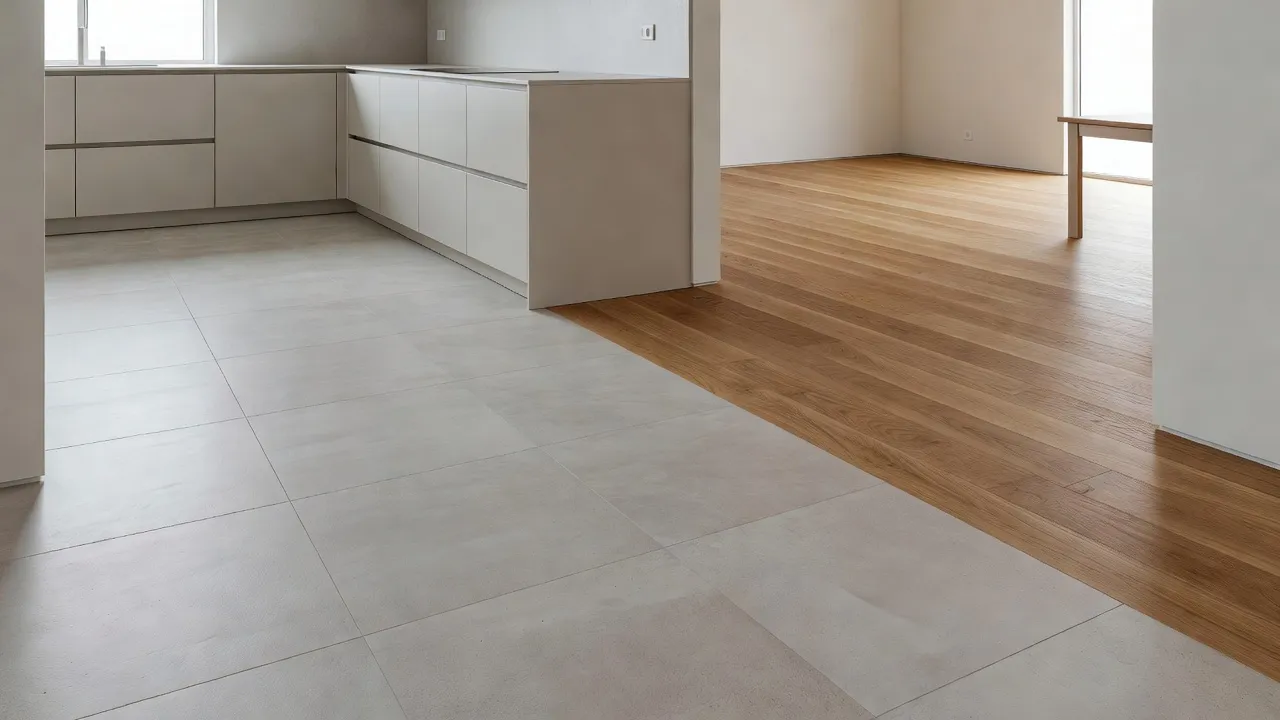
Yes, and previewing each room separately on its own photo tends to produce a more cohesive whole-home plan than picking one flooring type everywhere out of convenience. A continuous wide-plank tone through open-concept living and dining areas keeps sightlines uninterrupted, while a durable tile in an adjoining kitchen or entry can transition cleanly at a doorway threshold without feeling disconnected, especially when the undertone of both materials is tested together rather than chosen from separate samples. The same logic that applies to flooring holds for other surface decisions in a room — our AI curtain visualizer guide and AI wallpaper visualizer guide cover previewing window treatments and wall coverings against the same room before committing to either.
AI Flooring Visualizer App — FAQ
Can an AI flooring visualizer show real flooring products, or just general styles?
Most AI flooring visualizers, including DecorAI, render a general material, tone, and finish rather than a specific manufacturer's exact product, which is enough to judge color, plank width, and how a floor reads in your room's real light before narrowing down to an exact product with a flooring retailer.
Is hardwood or vinyl plank better for a kitchen?
Vinyl plank is generally the more practical choice for a kitchen, since it resists water and spills that would eventually damage real hardwood, though many homeowners still choose hardwood for the look and are willing to manage moisture carefully around sinks and dishwashers.
Does flooring color really affect how big a room looks?
Yes. Lighter, wider-plank flooring tends to make a room feel more open and airy, while dark, narrow boards can visually shrink the same space, which is one of the most useful things to preview before committing to a tone.
Should flooring match throughout an open-concept home?
A continuous tone through open living and dining areas generally reads as more spacious, but it doesn't need to be identical everywhere — a durable tile in a kitchen or entry can transition cleanly from an adjoining wood floor as long as the undertones are tested together first.
What's the most common flooring mistake?
Judging color and tone from a small sample chip alone is the most common mistake — a shade that looks neutral under showroom lighting can read noticeably warmer, cooler, or busier once it covers an entire floor in your room's actual light.
Conclusion
Flooring is one of the easiest home renovation decisions to get wrong from a sample chip alone, because color, grain, and sheen only reveal their real character once a material covers an entire room in your actual light. Preview hardwood, tile, vinyl, or carpet on a photo of your own space first, and choices between materials, tones, and finishes become far easier calls. DecorAI lets you see exactly how new flooring will look in your real room before you order anything. Explore the styles gallery for more design directions, read our AI mood board creator guide for collecting flooring ideas in one place, or start from the DecorAI homepage to try it on your own space. For background on flooring materials and history, Wikipedia's overview of flooring covers the development of common residential floor coverings.
Visualize Your Dream Home Instantly
Don't just read about it. Experience the power of AI interior design with DecorAI's free tool.
Start Designing for FreeWritten by
DecorAI Team
Editorial Team