How to Mix Two Interior Design Styles Without It Looking Chaotic
A practical method for combining two interior design styles in one room without it reading as chaotic or generic: how to pick a dominant style, choose a compatible second style, and keep enough consistent so the mix feels intentional.
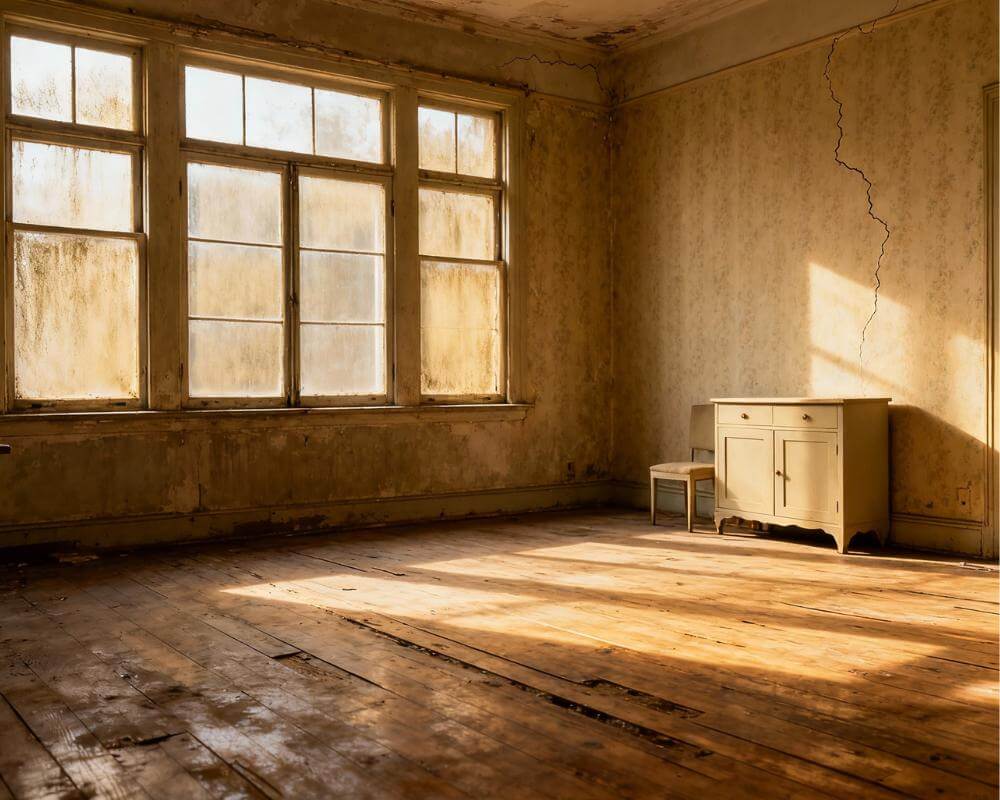
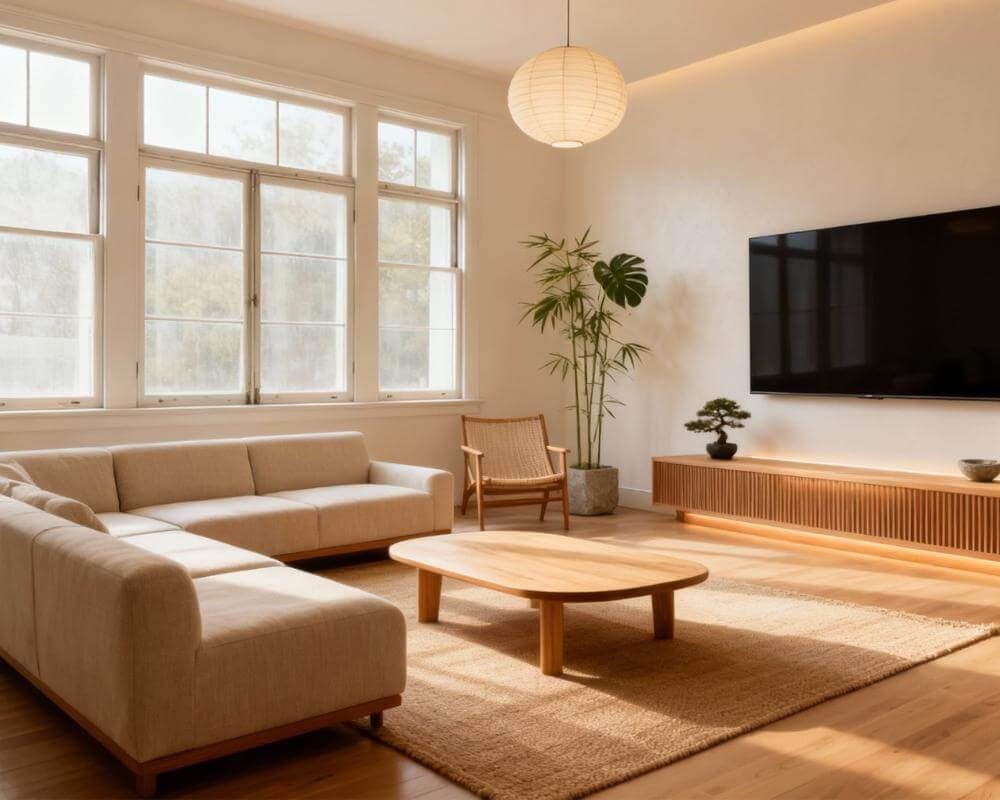
Can you mix two interior design styles in one room, or does it just end up looking like nothing in particular? You can, and it is one of the more reliable ways to make a room feel personal rather than showroom-generic — but it works because of a method, not because of taste alone. DecorAI is an AI interior design app that lets users transform photos of existing rooms into realistic redesign concepts, which makes testing a style mix on your actual room a much faster way to find out whether two styles genuinely work together than picking pieces one at a time and hoping.
Key Takeaways
- Pick one dominant style and one supporting style — an even 50/50 split is what usually reads as chaotic, not the act of mixing itself.
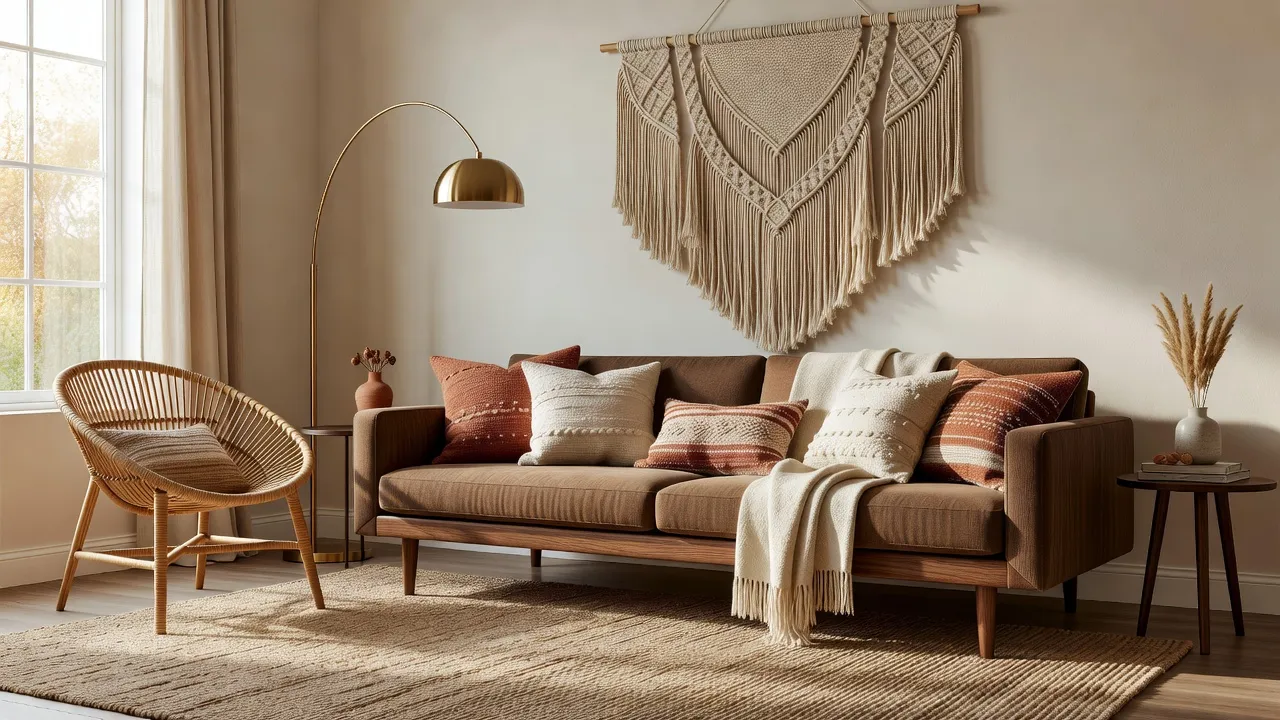
- Some pairings are naturally compatible (Scandinavian + Bohemian, Mid-Century Modern + Japandi, Industrial + Traditional) because they already share a material or tonal logic.
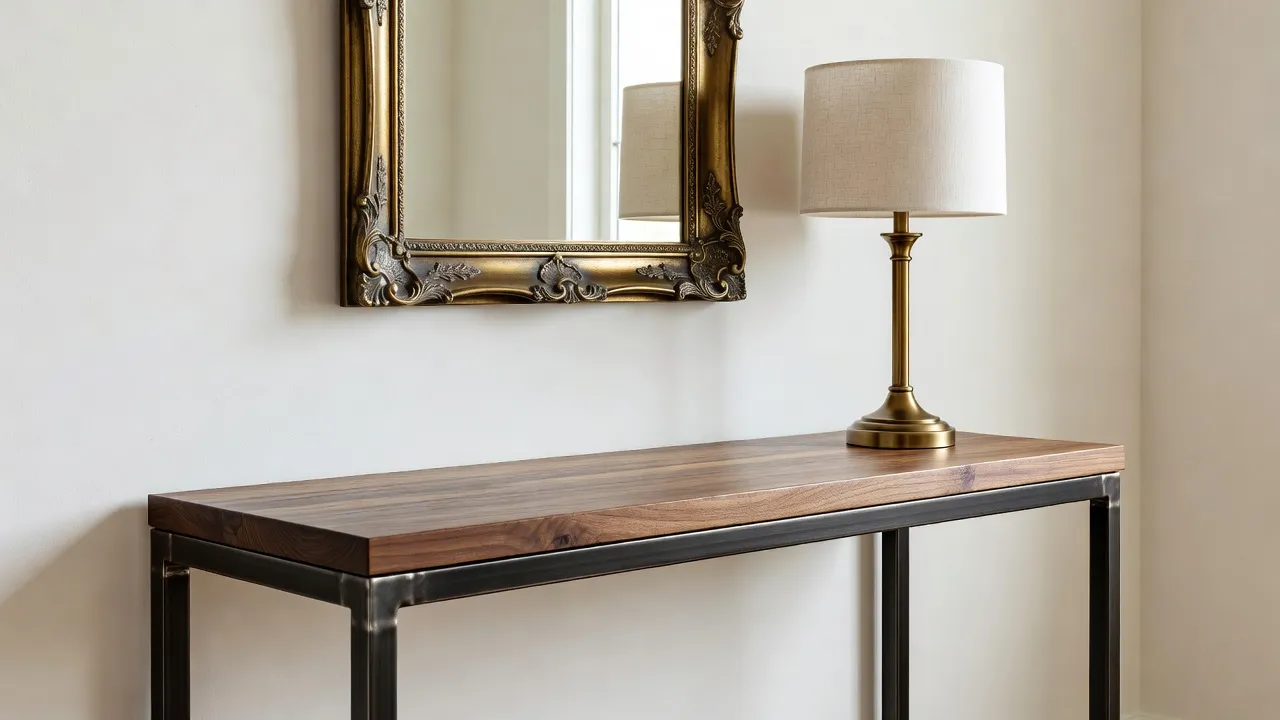
- Keep three things consistent across the whole room — color palette, metal finish, and wood tone — even as furniture shapes and eras vary.
- Test the mix on your actual room before buying anything. A pairing that looks right in two separate inspiration photos does not always look right together in your specific light and layout.
- Try DecorAI free to preview a style mix on a photo of your own room.
Why Do Some Style Mixes Feel Chaotic While Others Feel Intentional?
The failure mode almost always comes down to balance, not the act of combining styles itself. A room built from a true 50/50 split — half the furniture from one style, half from another, with no shared thread between them — tends to read as unplanned, like two different people furnished it in stages. The eye can't find a dominant idea to rest on, so every piece competes with the next one for attention instead of supporting it.
Rooms that mix styles successfully almost always have a clear majority style doing most of the work, with a second style appearing in a smaller, deliberate dose — a scattering of accent pieces, one material, or a single strong statement item. That imbalance is what reads as a choice rather than an accident. Our guide to common AI interior design mistakes covers the related failure of asking for too many strong styles in a single prompt at once, which produces the same generically "nice" result for the same underlying reason.
What's a Reliable Method for Mixing Two Styles?
The simplest version is an 80/20 split. Choose one style to be your foundation — it decides the room's overall silhouette, the shape of the big furniture, and roughly 80% of what's in the room. Then choose one supporting style to show up in the remaining 20%: a rug, a lighting fixture, a set of accent chairs, or a textile layer like cushions and throws. The dominant style sets the rules; the supporting style breaks them just enough to keep the room from feeling like a catalogue page.
A useful way to apply this in practice:
- Large furniture (sofa, bed, dining table, case goods) stays in the dominant style — this is what a room reads as from the doorway, so it shouldn't be split between two visual languages.
- Lighting and one statement piece is where the supporting style is most effective — a single sculptural pendant or an unexpected accent chair reads as a choice, not clutter.
- Textiles and small decor (rugs, cushions, throws, art) are the lowest-risk place to layer in the second style's texture and pattern without committing to it structurally.
Which Style Pairings Actually Work Well Together?
Not every two styles pair equally well — some already share a material logic or a tonal range, which makes the mix nearly effortless, while others need more deliberate bridging. A few dependable combinations:
| Pairing | Why it works |
|---|---|
| Scandinavian + Bohemian | Both lean on light wood and natural materials; boho adds pattern and warmth to Scandinavian's restraint. |
| Mid-Century Modern + Japandi | Both favor tapered legs, low profiles, and warm wood tones — the overlap is nearly seamless. |
| Industrial + Traditional | Raw metal and exposed brick soften considerably next to a single antique or upholstered traditional piece. |
| Quiet Luxury + Wabi-Sabi | Both prize restraint and natural imperfection over polish, so the tonal range already overlaps. |
| Art Deco + Minimalist | One Art Deco statement piece — a fluted cabinet, a brass mirror — reads as sculpture against a minimalist backdrop instead of clutter. |
Pairings that are harder to pull off share little material or tonal common ground — heavily ornate traditional pieces against a stark industrial shell, for instance, tend to fight rather than complement unless a lot of care goes into a bridging color or texture. That doesn't make them impossible, just harder to get right on a first attempt, which is exactly the kind of thing worth testing before you commit to buying anything.
See Your Style Mix Before You Buy Anything
Upload a photo of your room and preview it with a dominant style and a supporting accent style, so you know the pairing works before spending on furniture.


What Should Stay Consistent Even When You Mix Styles?
The details that make a style mix feel coherent rather than random are rarely about the furniture shapes themselves — they're about a handful of finishes that repeat throughout the room regardless of which style a given piece belongs to.
- One dominant color palette. A mid-century sofa and a bohemian rug can sit in the same room comfortably if they share a warm, earthy palette; put a cool grey mid-century piece next to a saturated jewel-toned boho rug and the mix reads as two different rooms instead of one.
- One metal finish family. Brass, blackened steel, and brushed nickel each carry a different mood — picking one and repeating it across lighting, hardware, and accents does more to unify a mixed room than matching furniture styles ever will.
- A shared wood tone. Furniture from different eras and styles is far easier to combine when the wood — walnut, oak, or a lighter ash — stays in the same warm-to-cool range throughout the room.
Get those three things consistent and you can be considerably looser about mixing furniture eras and silhouettes, because the room still reads as one coherent decision from across the doorway. Our guide to building a room's color palette goes deeper into choosing and testing a palette before it's locked in by furniture purchases.
How Do You Test a Style Mix Before Buying Anything?
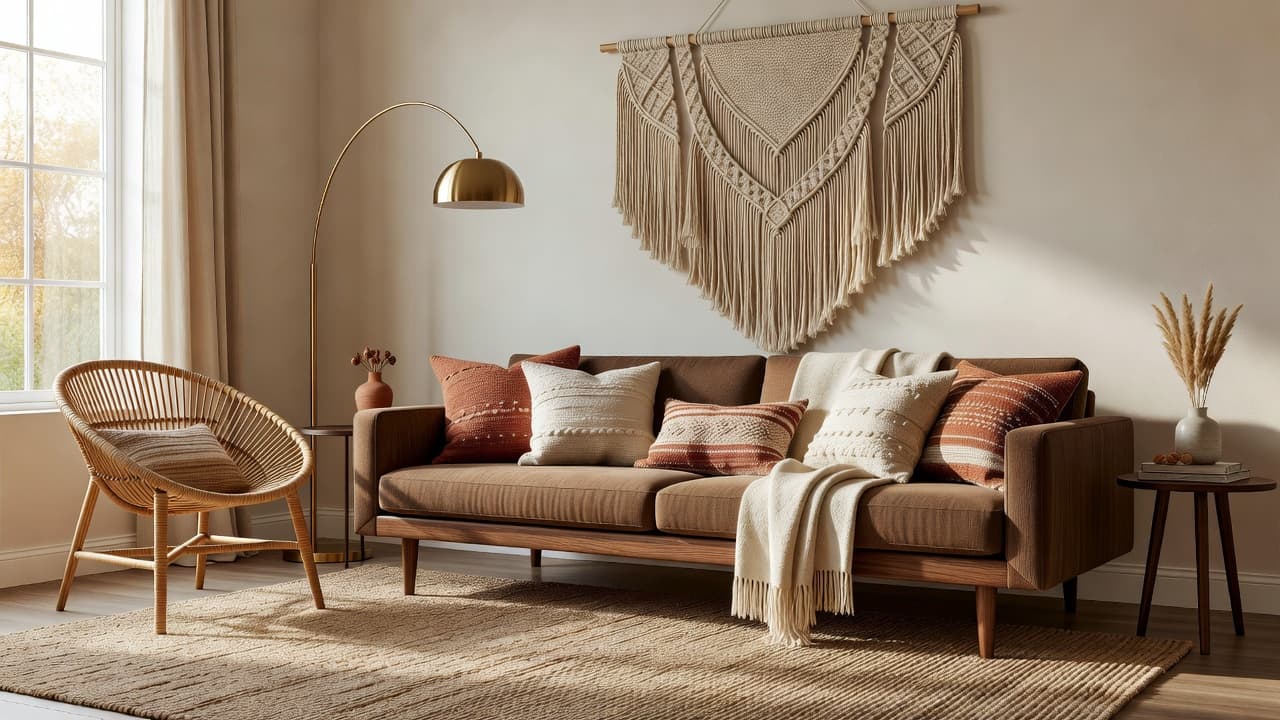
The honest answer is that a style pairing rarely looks the way you expect until you see it in your actual room — your light, your proportions, your existing floor and wall tones all change how two styles read together, which is very different from judging two separate inspiration photos side by side on a screen. Uploading a photo of your room and generating a redesign that names both the dominant and supporting style directly — for example "primarily mid-century modern with bohemian textiles and a rattan accent chair" — gives you a photorealistic preview of the pairing in your own space before a single item is ordered.
It's worth generating two or three variations with the supporting style's presence turned up or down, since the right ratio between the two styles is often the difference between "intentional" and "busy," and that's easier to judge by comparing renders side by side than by imagining it. If you're mixing styles as part of a larger project rather than one room, our step-by-step guide to designing a room with AI walks through the full process from an empty prompt to a finished plan.
What Are the Most Common Mistakes When Mixing Styles?
A few patterns show up again and again in rooms that don't quite land:
- Splitting the room evenly. As covered above, a true 50/50 mix rarely reads as intentional — pick a dominant style and treat the second one as an accent.
- Mixing more than two styles at once. Three or more strong styles competing for the same room almost always collapses into the generic, undefined look our guide to AI interior design mistakes describes — pick two, not three.
- Letting finishes drift. Gold hardware in one corner, brushed nickel in another, and blackened steel somewhere else reads as unplanned even when every individual piece is attractive on its own.
- Choosing pairings with opposite tonal ranges — a very warm, saturated style next to a very cool, muted one — without a bridging color or material to connect them.
Mixing Interior Design Styles FAQ
Can you mix two interior design styles in one room?
Yes. The most reliable approach is an 80/20 split — one dominant style that decides the room's large furniture, and one supporting style limited to lighting, accents, and textiles.
What interior design styles mix well together?
Pairings that already share a material or tonal logic tend to be easiest: Scandinavian with Bohemian, Mid-Century Modern with Japandi, Industrial with Traditional, and Quiet Luxury with Wabi-Sabi are all dependable starting points.
How many styles can you mix in one room?
Two works reliably. Three or more strong, distinct styles competing in the same room tend to cancel each other out into a generic look rather than reading as an intentional, eclectic mix.
What should stay the same when mixing styles?
The color palette, the metal finish used across lighting and hardware, and the wood tone of the furniture. Keeping those three consistent lets furniture shapes and eras vary without the room losing coherence.
How can I preview a style mix before buying furniture?
Upload a photo of your room to DecorAI and describe both styles directly — for example, a dominant style plus a named supporting style or accent piece — to see a photorealistic redesign of the actual pairing in your own space.
Conclusion
Mixing two interior design styles works when one of them leads and the other supports it in a smaller, deliberate dose, and when the palette, metal finish, and wood tone stay consistent underneath the variety. Start with a pairing that already shares some common ground, keep the split closer to 80/20 than 50/50, and test it against a photo of your actual room with DecorAI before buying anything. Explore more style guides and tools in the DecorAI feature directory, or head back to the DecorAI homepage to get started.
Visualize Your Dream Home Instantly
Don't just read about it. Experience the power of AI interior design with DecorAI's free tool.
Start Designing for FreeWritten by
DecorAI Team
Editorial Team