AI Quiet Luxury Interior Design: The Understated Style Guide
A complete guide to AI quiet luxury interior design — the understated, material-first aesthetic built on natural textures, tonal color, and restrained furniture rather than logos or ornamentation. Learn the palette, materials, and layout rules that define the look, then preview it on your real room with AI.
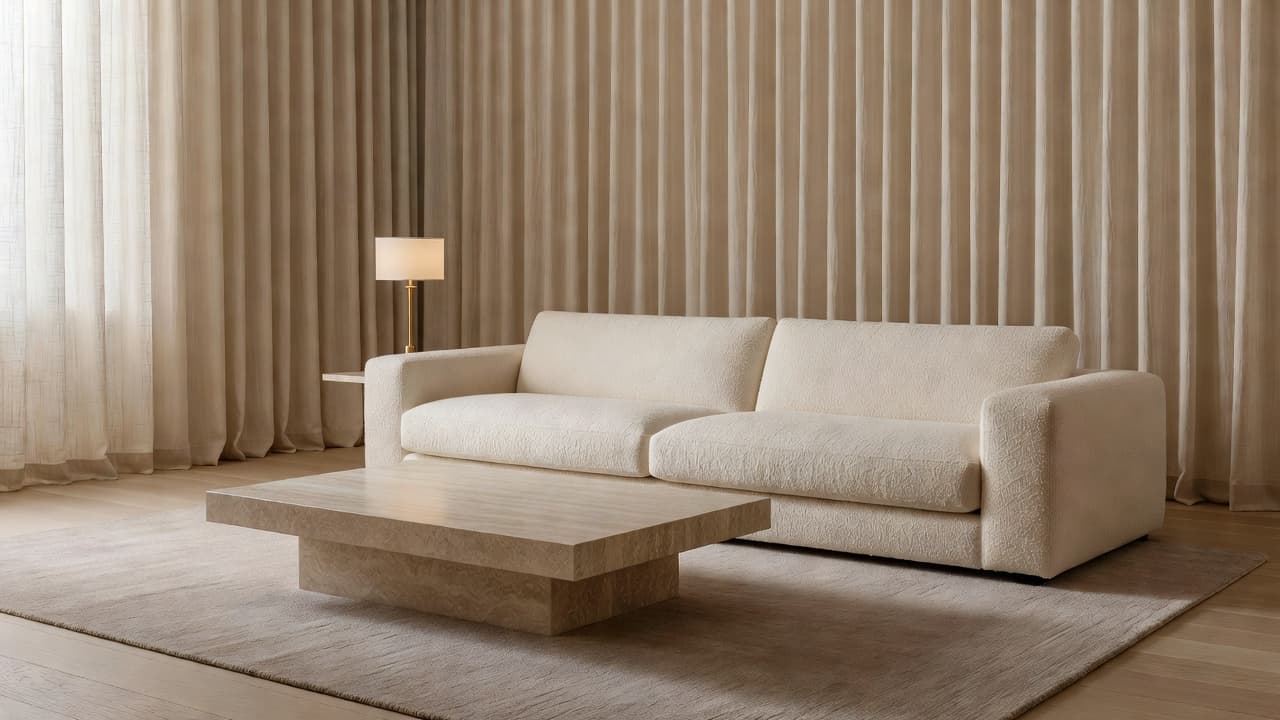
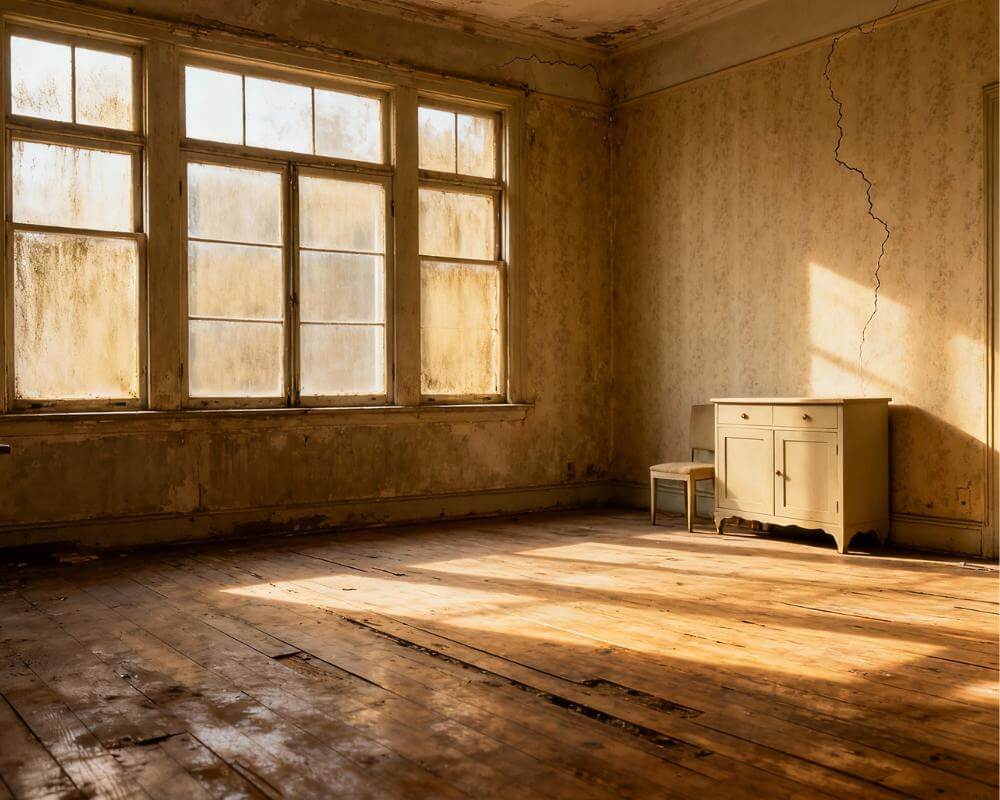
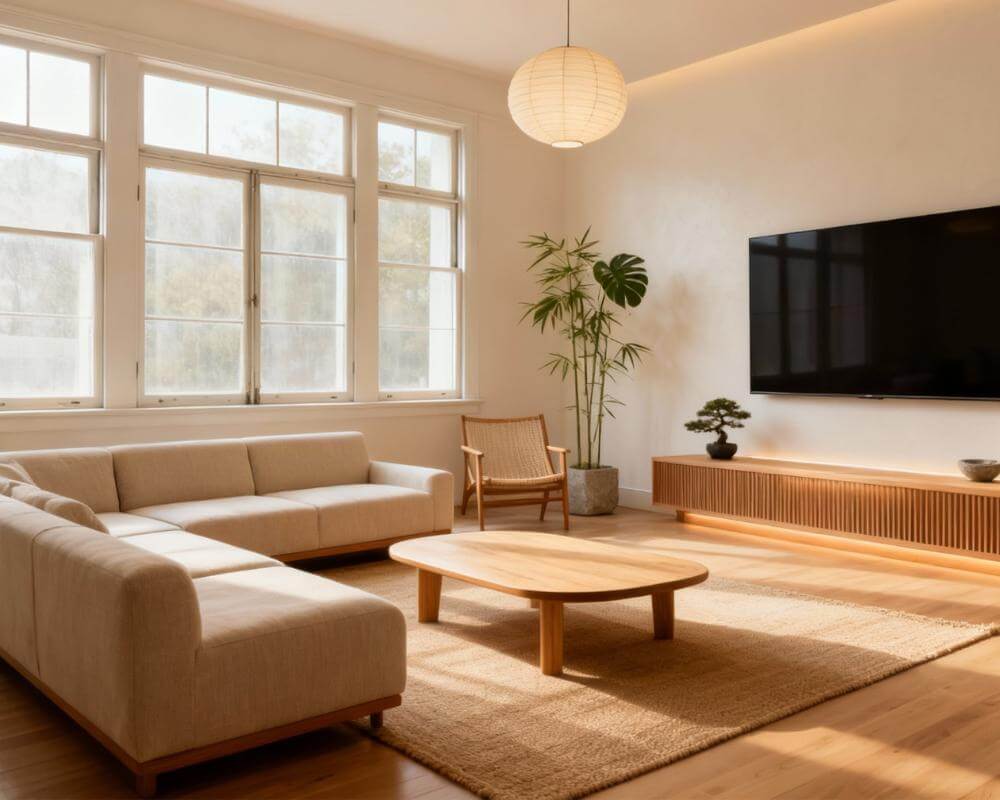
AI quiet luxury interior design takes the "stealth wealth" idea from fashion and applies it to a room: no logos, no ornamentation, nothing shouting for attention — just very good materials, a tonal palette, and furniture that earns its place through quality rather than pattern. DecorAI is an AI interior design app that lets users transform photos of existing rooms into realistic redesign concepts, so instead of guessing whether a bouclé sofa and a travertine table would actually read as calm and expensive in your own space, you upload a photo and see it rendered on your real walls and windows in seconds.
The style borrowed its name from a fashion trend built on unmarked cashmere and tailoring that photographs quietly but reads as expensive up close, and the same logic works in a room: the "wow" comes from texture, proportion, and finish quality rather than a bold color or a statement piece. That makes it one of the more forgiving high-end looks to get right, but also one of the easiest to get wrong on a budget, since cheap versions of "simple" furniture just look empty rather than intentional. This guide covers what actually defines quiet luxury, the materials and palette that make it convincing, how it differs from plain minimalism, how to apply it room by room, and how to preview the whole thing on your own room with AI before buying anything.
Key Takeaways
- Quiet luxury interior design is an understated, material-first style built on natural textures, tonal color, and restrained furniture rather than logos, patterns, or ornamentation.
- Material quality does the work color usually does — travertine, bouclé, linen, oak, and brushed metal read as expensive because of how they feel and age, not because of how loud they look.
- The palette stays tonal: warm ivory, sand, taupe, and soft greige layered within a few shades of each other, not a single accent color competing for attention.
- Quiet luxury is not the same as minimalism — minimalism is about restraint in quantity, quiet luxury is about restraint in appearance while still using rich, tactile materials.
- AI lets you preview expensive-looking materials on your real room before committing to furniture and finishes that are hard and costly to return.
- Try DecorAI free to test the quiet luxury look in your own room before buying anything.
What Is Quiet Luxury Interior Design?
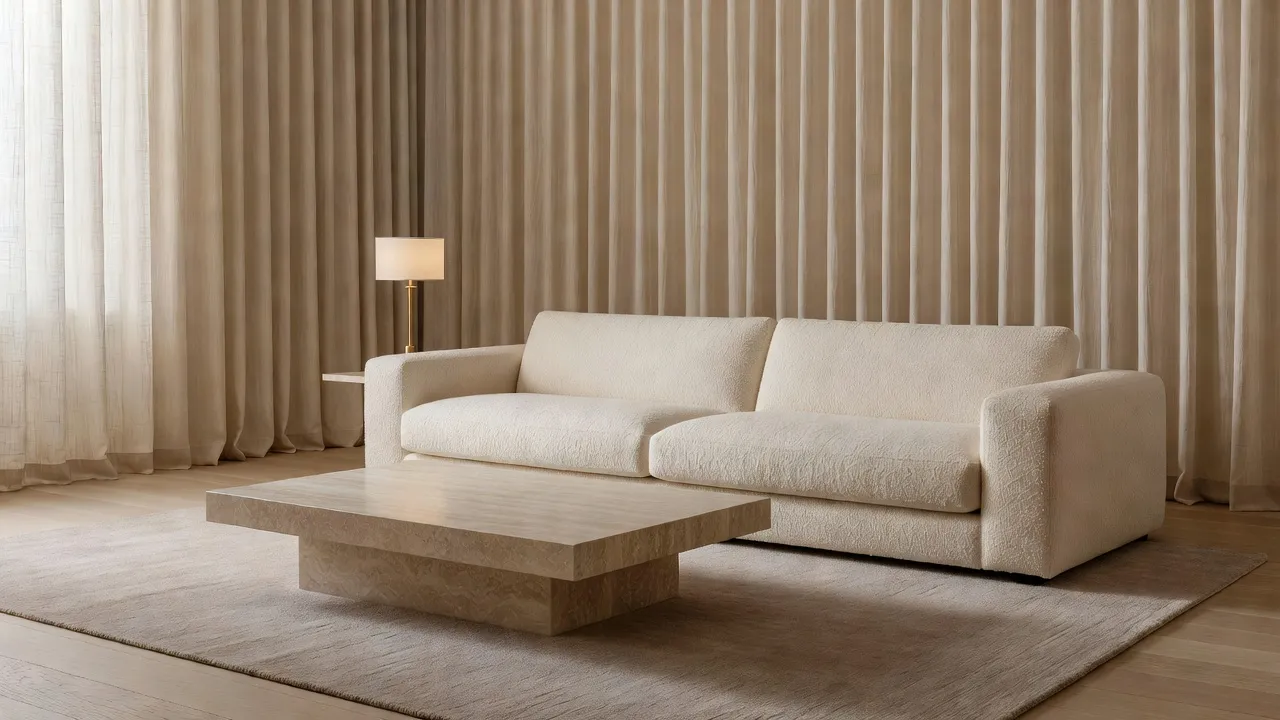
Quiet luxury interior design is an understated style that signals cost through material quality, proportion, and finish rather than through visible branding, pattern, or decoration. The term crossed over from fashion, where quiet luxury describes clothing built on unmarked, high-quality fabric and tailoring instead of logos — the same idea applied to a home means a room that looks calm and simple in a photo but feels noticeably better in person, because every surface you touch is a real, durable material rather than a laminate stand-in.
The look shares its restraint with minimalist interior design and its warm, natural-material instincts with Japandi, but it is its own thing: quiet luxury will happily use a fuller, more layered room than strict minimalism allows, as long as every piece in it is a quality material kept within a tight, tonal color range.
What Materials and Textures Define Quiet Luxury?
Material is the whole argument in a quiet luxury room — it has to do the work that pattern, color, or ornamentation does in other styles.
Stone and natural surfaces
Travertine, honed marble, and limestone show up on coffee tables, side tables, and countertops. The point isn't shine — a honed, matte finish reads as far more expensive and calm than a glossy polished one, which can tip a room toward flashy instead of quiet.
Tactile, natural textiles
Bouclé, mohair, linen, wool, and heavyweight cotton carry most of the "feel" of the style. A bouclé sofa or an oversized linen curtain does more for the room than a printed fabric ever could, because the texture reads as quality from across the room, not just up close.
Warm wood and brushed metal
Light oak, walnut, and ash in simple, well-proportioned shapes ground the room, paired with brushed brass, unlacquered brass, or matte bronze hardware rather than anything polished or chrome. Unlacquered brass in particular is prized in this style because it develops a soft patina over time instead of staying artificially shiny.
Plaster and matte-finish walls
Limewash or Venetian plaster wall finishes, or simply a matte (not eggshell or satin) paint, give walls a soft, slightly irregular texture that flat paint can't match. It's a small detail that separates a genuinely quiet luxury room from a plain neutral one.
What Colors Work in a Quiet Luxury Palette?
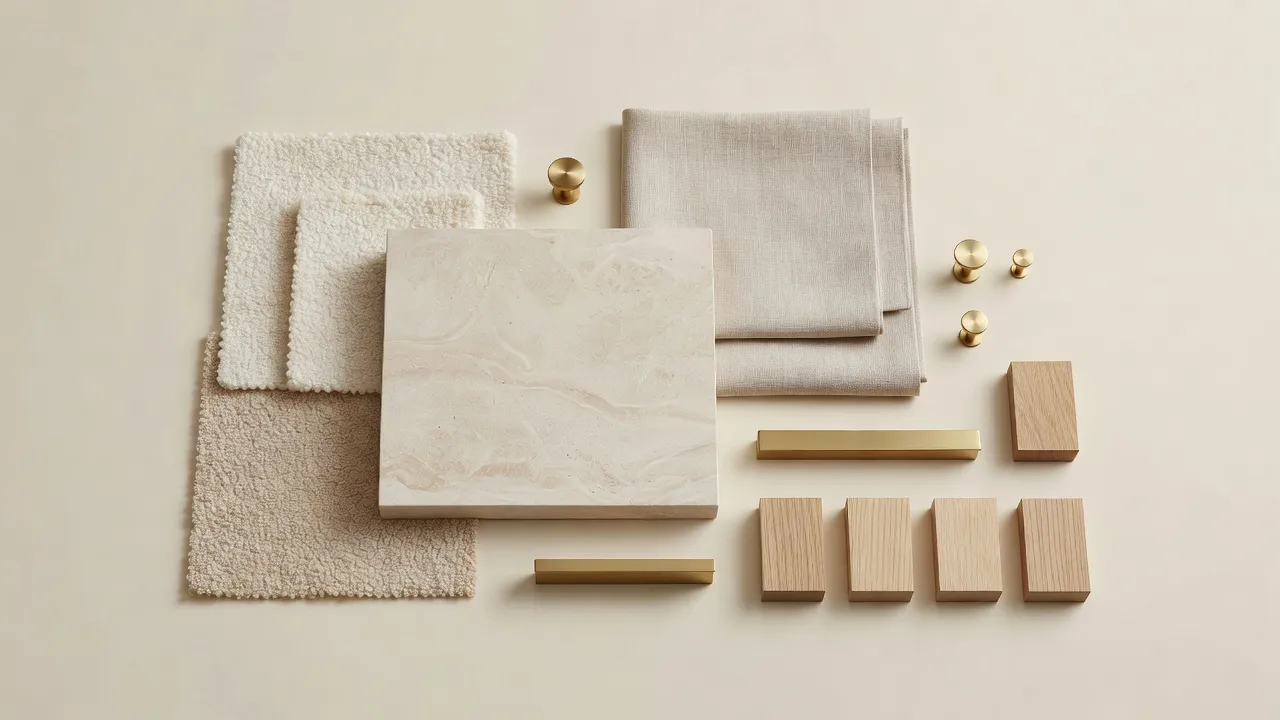
The palette stays tonal on purpose — most of the visual interest in a quiet luxury room comes from texture and light, not contrast between colors. For a broader guide to building a room-wide scheme, see our AI color palette room design guide.
- Warm ivory and cream: the base tone for walls, large upholstery, and rugs.
- Sand and taupe: a step darker than ivory, used for secondary furniture and layering without adding contrast.
- Soft greige: a warm gray-beige that keeps neutral tones from feeling cold or clinical.
- Deep espresso or charcoal: used sparingly, usually on one grounding piece like a dining table or a media console.
- Muted sage or dusty blue: the only "color" most quiet luxury rooms allow, kept desaturated enough to read as neutral from across the room.
The rule that keeps the palette from feeling flat: stay within two or three tones of each other rather than mixing a light neutral with a dark one for contrast — the depth should come from material and shadow, not color difference.
How Do You Furnish a Quiet Luxury Room?
Furniture choices lean toward simple, well-proportioned shapes rather than ornate or heavily carved pieces, and there tends to be less clutter on every surface than in a maximalist or eclectic room, though not as little as strict minimalism.
Fewer, better pieces
One genuinely good sofa beats three mismatched accent chairs. Quiet luxury rewards spending on the handful of pieces a room is actually built around — a sofa, a dining table, a bed frame — and being more economical everywhere else, rather than spreading a budget evenly across everything.
Negative space and breathing room
Furniture is spaced out enough that each piece can be appreciated on its own, with clear floor and wall space left visible rather than filled. This is part of why the style photographs as calm even in a fairly furnished room.
Curated, not empty, surfaces
A console or coffee table usually holds one or two considered objects — a stone bowl, a single stack of books, a ceramic vase — rather than being either bare or covered in knickknacks. If you're working with furniture you already own, our guide to designing around existing furniture covers how to build a cohesive room without replacing everything.
See Your Room Go Quiet Luxury — Free
Upload one photo and watch DecorAI restyle your actual room in a calm, tonal quiet luxury palette in seconds, keeping your real windows and layout. Test the materials and colors before you commit to furniture that's expensive to return.


How Is Quiet Luxury Different From Minimalism?
The two get confused constantly because both avoid loud pattern and clutter, but they're solving different problems. Minimalist interior design is about restraint in quantity — fewer objects, more empty space, often cooler or starker tones. Quiet luxury is about restraint in appearance while still using rich, tactile, expensive-feeling materials; a quiet luxury room can have more furniture and more layering than a minimalist one, as long as everything stays tonal and every material is genuinely good. The simplest way to tell them apart in a photo: minimalism often reads as sparse or cool, quiet luxury reads as warm, soft, and quietly dense with texture.
How Do I Apply Quiet Luxury Room by Room?
The core ingredients — tonal color, natural material, restrained shapes, and curated surfaces — stay constant. Only the anchor pieces change by room.
Quiet luxury living room
Anchor the room with a bouclé or linen sofa in a warm neutral, add a stone or wood coffee table with a honed (not glossy) finish, and layer in a large, plain wool or jute rug. Keep curtains full-length and unpatterned in a tone close to the wall color. See our AI living room design ideas for more layout options.
Quiet luxury bedroom
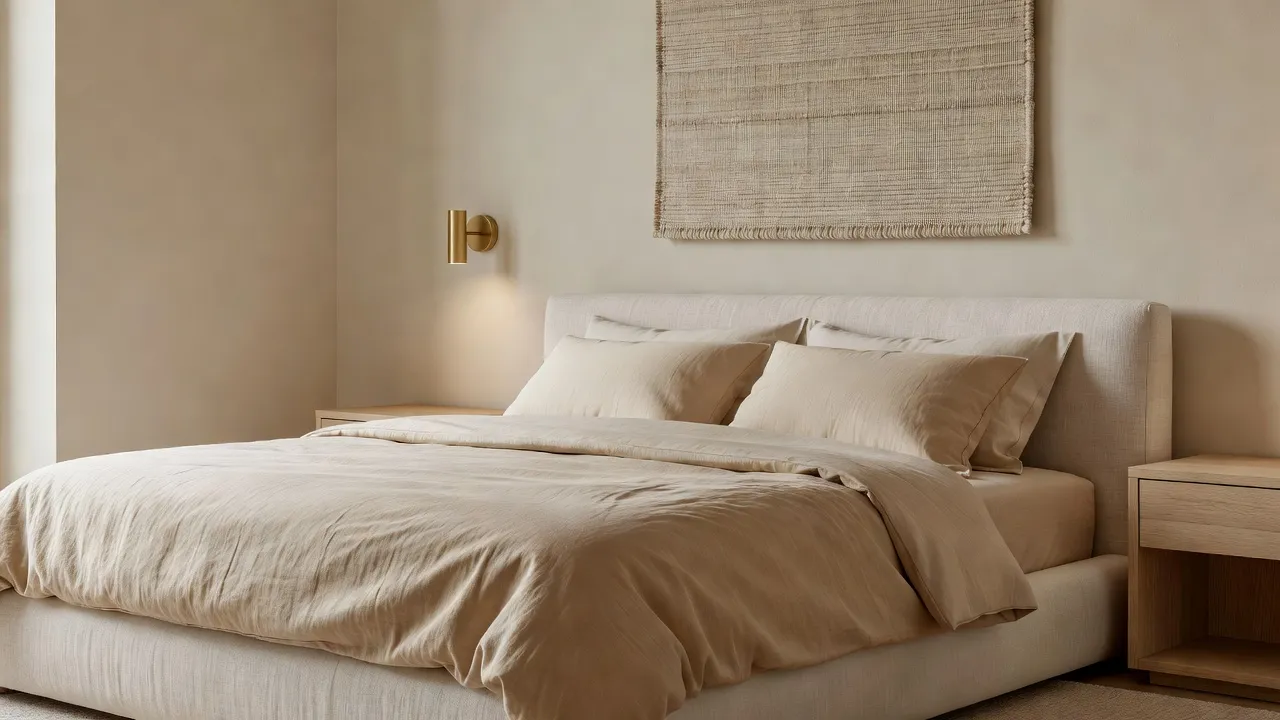
Use a low, upholstered bed frame in linen or a matte performance fabric, layer bedding in two or three tones of the same warm neutral, and keep nightstands and lighting simple and matte-finished rather than glossy or metallic-bright. A single piece of textured art or a plain woven wall hanging is usually enough.
Quiet luxury home office
A solid wood or stone-topped desk, a single well-made leather or bouclé chair, and closed storage instead of open shelving keep the room feeling calm and considered rather than busy, even when it's doing real work.
What Are Common Quiet Luxury Mistakes to Avoid?
- Using cheap versions of "simple" materials. Laminate pretending to be stone or polyester pretending to be linen reads as empty rather than intentional — the style depends on real material quality.
- Going too cold. All-white or all-gray with no warmth tips into sterile minimalism instead of quiet luxury; keep the palette warm.
- Over-polishing everything. Glossy marble, chrome, and lacquered surfaces read as showy rather than quiet — favor honed, brushed, and matte finishes.
- Adding a logo or an obvious statement piece. Anything meant to be recognized at a glance works against the whole point of the style.
- Skipping the preview. Natural stone, bouclé upholstery, and unlacquered brass are expensive and slow to source — visualize the palette on your real room with AI before committing.
Quiet Luxury Interior Design FAQ
What is quiet luxury interior design?
Quiet luxury interior design is an understated style that signals quality through natural materials, tonal color, and restrained furniture shapes instead of logos, bold pattern, or ornamentation, borrowed from the "stealth wealth" idea in fashion.
What colors are used in quiet luxury rooms?
A tonal warm-neutral palette — ivory, sand, taupe, and soft greige, layered within a narrow range rather than contrasted — with deep espresso or a muted sage or blue used only sparingly as a grounding accent.
Is quiet luxury the same as minimalism?
No. Minimalism is restraint in quantity — fewer objects and more empty space, often in cooler tones. Quiet luxury is restraint in appearance while still using rich, tactile, high-quality materials, and can include more furniture and layering than a strict minimalist room.
Can AI design a quiet luxury room from my photo?
Yes. Upload a photo of your room to DecorAI, choose an understated or tonal style, and the AI redesigns your real space photorealistically in seconds — keeping your actual windows and layout while applying the natural materials and warm neutral palette the style depends on.
Does quiet luxury work on a budget?
It's harder than most styles to fake cheaply, since the look depends on real material quality rather than pattern or color. Spending more on a few anchor pieces — a sofa, a bed frame, a coffee table — while keeping everything else simple and inexpensive is more effective than spreading a small budget evenly across a whole room.
Conclusion
AI quiet luxury interior design takes a style that lives or dies on material quality and lets you test it before you commit: natural stone, bouclé and linen, warm wood, and a tight tonal palette, previewed on your real room instead of guessed from a mood board. Start with the one or two anchor pieces a room is built around — a sofa or a bed frame — and let AI show you how the materials and palette actually look on your walls before you spend on furniture that's expensive to return. Upload a photo to DecorAI to see your room transformed for free, browse the full styles gallery, or head back to the DecorAI homepage to get started.
Visualize Your Dream Home Instantly
Don't just read about it. Experience the power of AI interior design with DecorAI's free tool.
Start Designing for FreeWritten by
DecorAI Team
Editorial Team