AI Victorian Interior Design: The Complete Style Guide
A complete guide to AI Victorian interior design — the ornate, richly layered 19th-century look built on dark carved wood, jewel-toned wallpaper, patterned textiles, and collected curiosities. Learn the palette, materials, and layout rules that define the style, then preview it on your real room with AI.
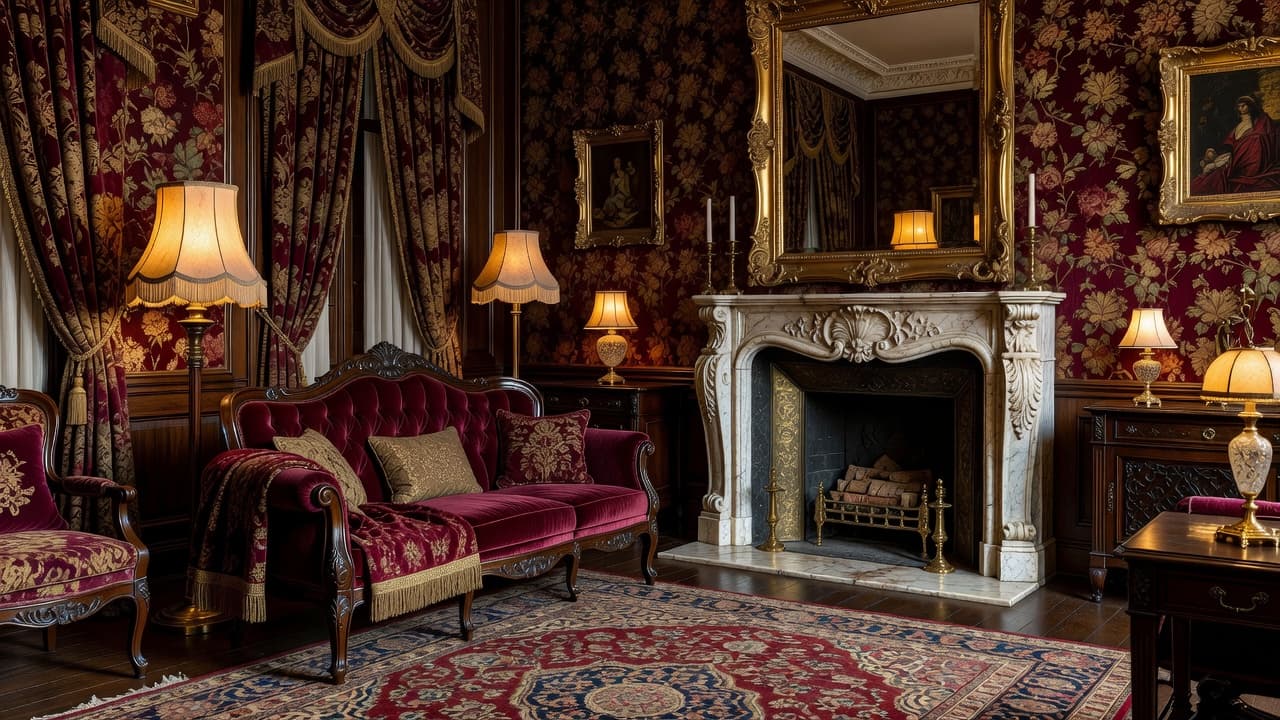
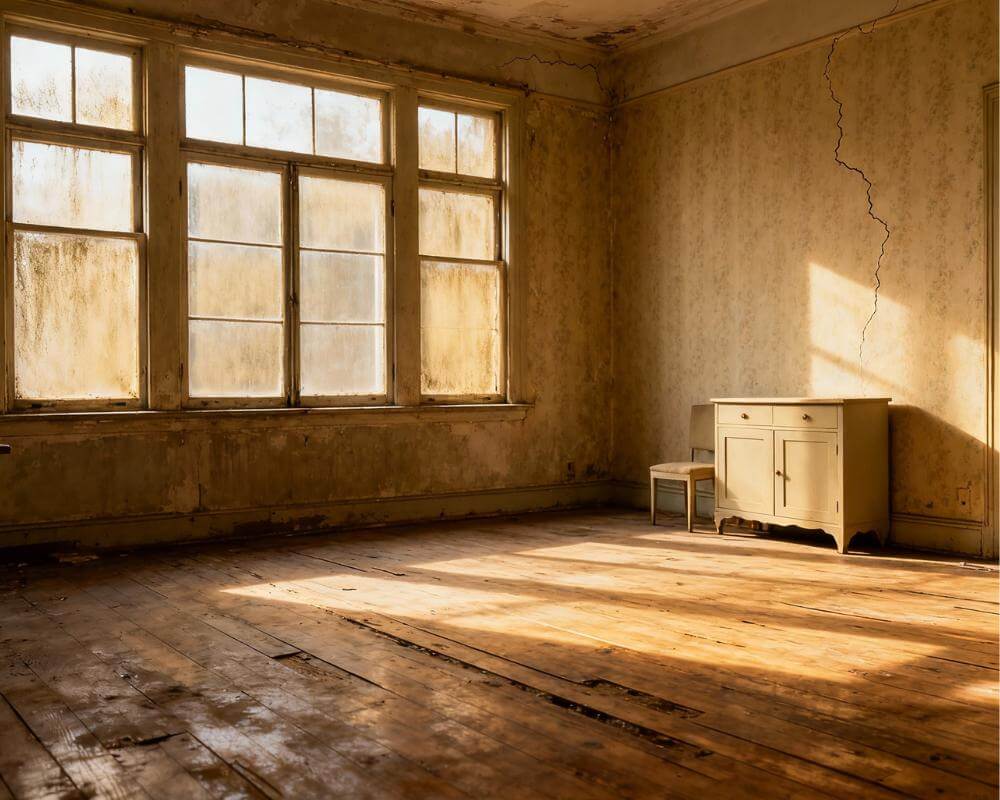
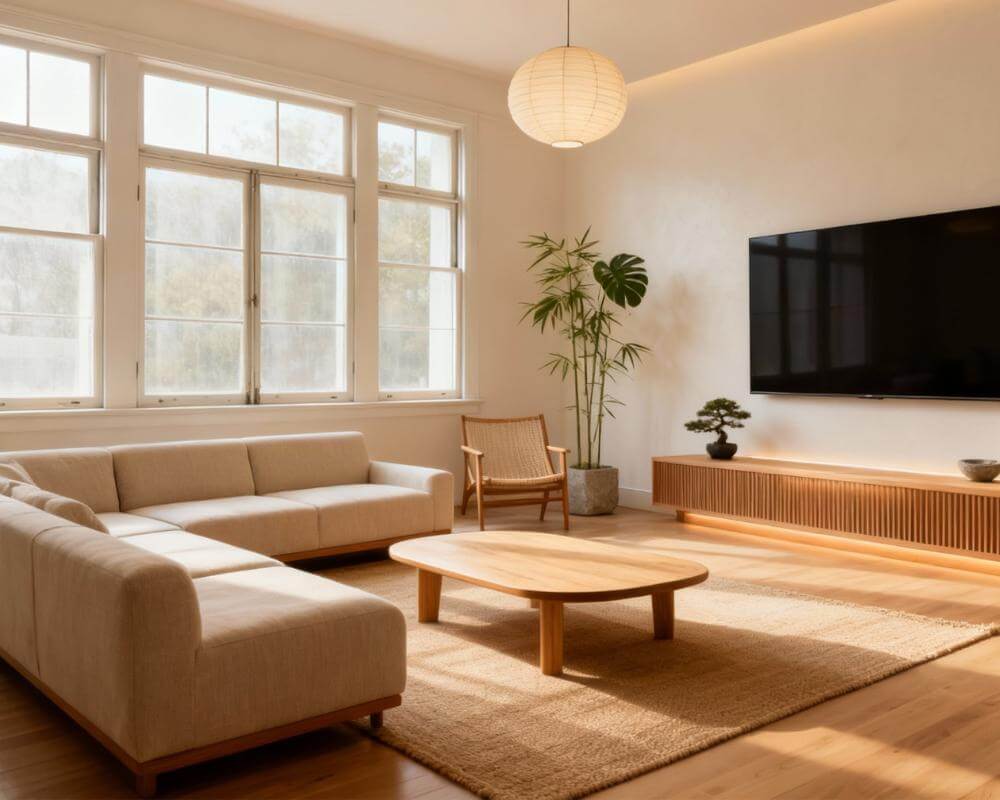
AI Victorian interior design takes the richly layered, densely ornamented look of a 19th-century parlor — dark carved wood, jewel-toned wallpaper, fringed textiles, and a mantel crowded with collected objects — and lets you preview it on your own room before buying a single piece. DecorAI is an AI interior design app that lets users transform photos of existing rooms into realistic redesign concepts. Instead of guessing whether a burgundy floral wallpaper and a mahogany settee will actually feel curated rather than cluttered in your real space, you upload a photo and see the whole room rendered in Victorian style in seconds.
Victorian design takes its name from the long reign of Britain's Queen Victoria (1837–1901), a period when industrialization made patterned wallpaper, upholstered furniture, and imported textiles affordable to the growing middle class for the first time — and homeowners responded by filling every surface. The result is a style built on abundance rather than restraint: dark, heavily carved wood; deep jewel-toned color; layered pattern on pattern; and a mantel, shelf, or tabletop dedicated to a curated collection of objects. This guide covers what actually defines the look, the palette and materials that make it convincing, how it differs from traditional and maximalist style, how to apply it room by room, and how to preview the whole thing on your own room with AI before buying anything.
Key Takeaways
- Victorian interior design is built on dark carved wood, deep jewel-toned color, and layered pattern — florals, damask, and toile stacked rather than kept to one print per room.
- Ornament is the point: carved millwork, fringed textiles, and a curated mantel of collected objects do the visual work that clean lines do in more restrained styles.
- It's not the same as traditional or maximalist style — Victorian is darker and more formally ornate than traditional, and its pattern-stacking is historically specific rather than maximalist's anything-goes mix of eras.
- Gothic Revival details — pointed arches, dark stained wood, stained glass — are a distinct, moodier branch of Victorian design rather than the whole style.
- AI lets you preview dark wood, patterned wallpaper, and layered textiles on your real room before buying pieces that are hard to picture from a single product photo.
- Try DecorAI free to test the Victorian look in your own room before buying anything.
What Is Victorian Interior Design?
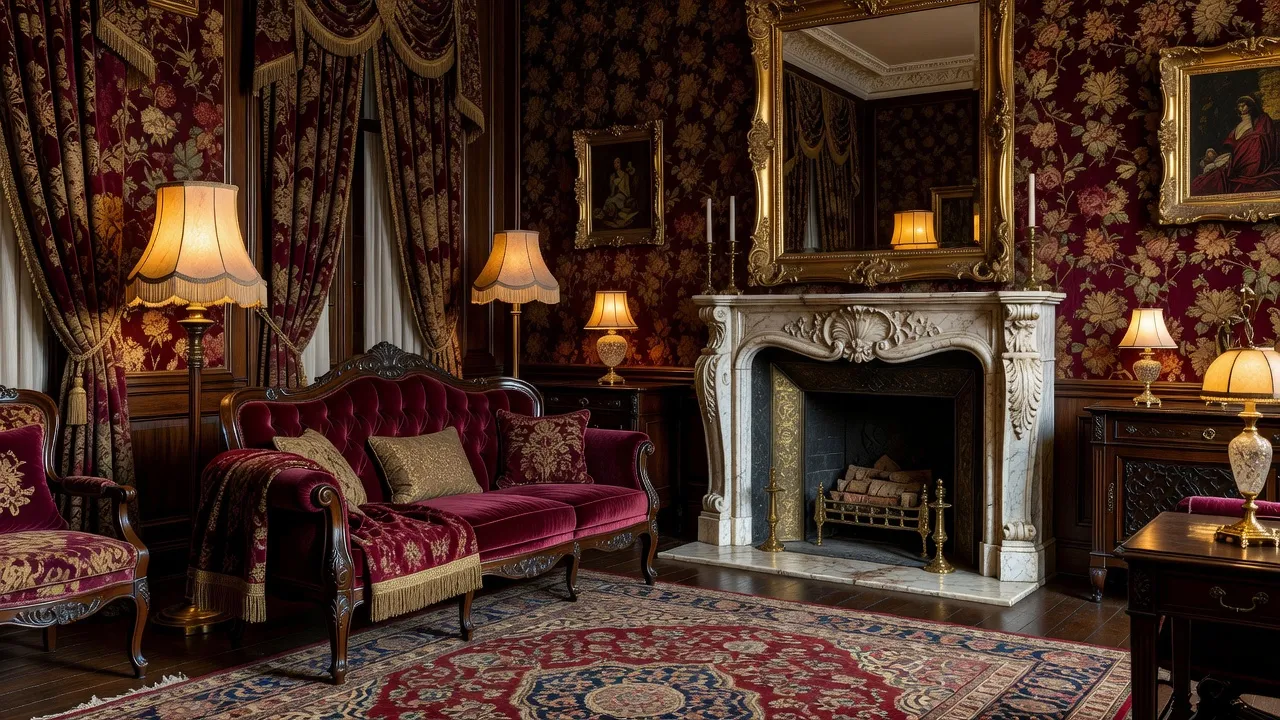
Victorian interior design describes the decorating style of the British and American middle and upper classes roughly between 1837 and 1901, when new manufacturing techniques put patterned wallpaper, machine-carved furniture, and imported rugs within reach of far more households than ever before. Rather than editing down, Victorian homeowners layered: a patterned wallpaper met a patterned rug met patterned upholstery met a mantel crowded with framed photographs, porcelain, and travel souvenirs. The formula reads as opulent rather than chaotic because the layers follow a consistent logic — dark wood, jewel tones, and fringe or tassel trim recur throughout, giving a busy room a unifying thread.
It shares its love of pattern and formality with traditional design and its willingness to layer multiple prints with maximalist design, but it isn't doing either job exactly: it's darker and more formally ornate than traditional's restrained symmetry, and its pattern-stacking pulls from one specific historical vocabulary — florals, damask, toile — rather than maximalist's deliberate mix of eras, colors, and global influences. Victorian's specific signature is the combination of dark wood, jewel tones, and fringe-trimmed textiles built around a genuinely curated collection of objects, not just more stuff.
What Colors Work in a Victorian Palette?
The palette is deep and saturated, built to look rich under gas or candlelight rather than bright under daylight. For a broader guide to building a room-wide scheme, see our AI color palette room design guide.
- Burgundy and wine red: the signature Victorian wall or upholstery color, often paired with dark wood trim for a cocooning, formal effect.
- Forest and hunter green: the next most common wall and drapery color, frequently set against gold picture-rail trim.
- Deep navy and plum: used the same way as burgundy and green — as a saturated wall color that lets gilt frames and brass fixtures stand out.
- Gold and brass accents: picture rails, lamp fittings, and picture frames almost always carry a warm gilt or brass finish against the dark wall colors.
- Cream and ivory trim: ceilings, plaster medallions, and door trim stay lighter, giving the eye a place to rest against the saturated walls.
The rule that keeps a Victorian palette from reading as simply dark: pick one saturated jewel tone for the walls, let gold or brass trim catch the light, and keep the ceiling and millwork lighter so the room doesn't disappear into shadow.
What Furniture and Materials Define Victorian Style?
Ornament does the job that clean lines do in more restrained styles — a piece earns its place by being carved, tufted, or trimmed rather than by being simple.
Dark carved wood furniture
Mahogany, walnut, and rosewood furniture with carved details — a claw foot, a scrolled arm, a fretwork panel — is the clearest single material signal of the style. The carving is the point: a plain, unadorned silhouette in the same dark wood reads as a different, calmer style entirely.
Jewel-toned wallpaper and layered pattern
A densely patterned wallpaper — florals, damask, or a botanical print in burgundy, green, or navy — sets the base layer, then a patterned rug and patterned upholstery stack on top rather than defaulting to a solid. The layering is deliberate: each pattern differs in scale so the room reads as rich rather than as a clash.
Marble and ornate fireplaces
A carved marble or wood-surround fireplace, often crowned with a large gilt-framed mirror, acts as the room's formal centerpiece the way a chandelier does in Hollywood Regency style — Victorian parlors were built around the mantel, and a redesign should be too.
Fringed, tasseled, and tufted textiles
Fringe along a lampshade or curtain hem, tassels on a drapery tieback, and deep button-tufting on upholstered seating give the style its plush, finished-off-properly quality. See our AI lighting design guide for more on choosing period-appropriate fixtures and shades.
Curated curiosities and collected objects
A mantel or shelf arranged with framed portraits, porcelain, botanical prints, and travel curiosities is what separates a genuinely Victorian room from one that has simply used dark wood and floral wallpaper — the collected-object display is a core part of the style, not an afterthought.
See Your Room Go Victorian — Free
Upload one photo and watch DecorAI restyle your actual room with dark carved wood, jewel-toned wallpaper, and layered pattern in seconds, keeping your real windows and layout. Test the palette and pattern-stacking before you commit to furniture that's hard to picture from a product photo.


How Is Victorian Different From Traditional or Maximalist Style?
All three styles share a taste for pattern and formality, but they land in different places. Traditional design pulls from the same historical furniture shapes but keeps the palette calmer and the layering lighter — matched pairs and symmetry over a mantel crowded with curiosities. Maximalist design shares Victorian's love of pattern-on-pattern but pulls freely from any era, culture, or color story at once, where Victorian stays inside one specific 19th-century vocabulary — florals, damask, toile, dark wood, and gilt. The simplest way to tell them apart in a photo: traditional reads as classic and matched, maximalist reads as eclectic and unrestrained, Victorian reads as dark, formal, and historically specific — carved wood and jewel tones layered around a curated collection.
It's also worth knowing about Gothic Revival, a moodier branch of Victorian design that leans on pointed arches, dark stained wood, and stained or leaded glass rather than the parlor's florals and gilt — the same 19th-century instinct for ornament, aimed at a more dramatic, church-influenced silhouette instead of a cozy, curiosity-filled sitting room.
How Do I Apply Victorian Style Room by Room?
The core ingredients — dark wood, jewel tones, layered pattern, and curated objects — stay constant. Only the anchor pieces change by room.
Victorian living room
A tufted settee or chesterfield in a jewel-toned velvet, a marble fireplace with a gilt-framed mirror above it, and a patterned rug over dark wood floors give the room its formal center. Our AI living room design ideas guide has more ways to build a room around a strong central anchor like this.
Victorian bedroom
A carved dark-wood bed frame, floral or damask wallpaper, and heavy drapery with fringe or tassel trim keep the room feeling enclosed and formal — layer a patterned quilt over solid linens rather than the reverse. See our AI bedroom design guide for more layout and lighting options.
Victorian bathroom
A claw-foot tub, patterned encaustic floor tile, and brass fixtures turn an ordinary bathroom into one of the style's most convincing rooms, since the period's plumbing fixtures are still widely reproduced today. Our AI bathroom design guide covers more layout options for tiled spaces.
Victorian home library or study
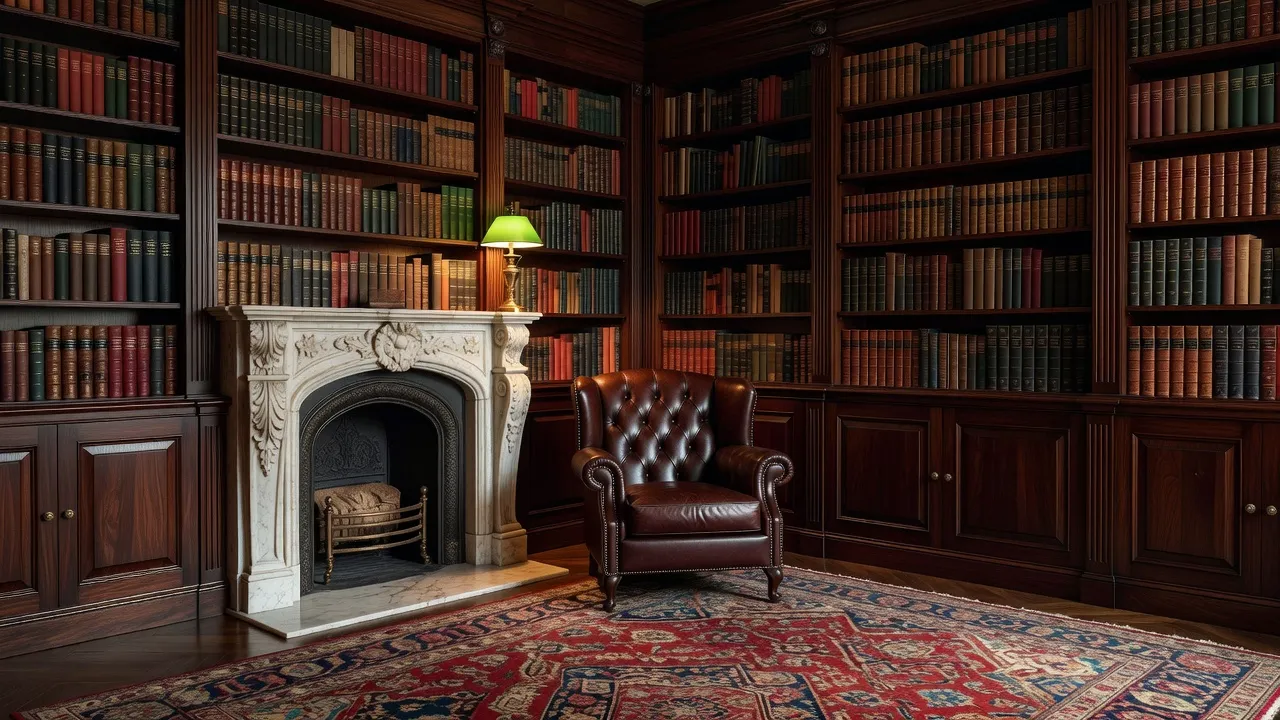
Floor-to-ceiling dark wood built-ins, a leather chesterfield chair, and a brass reading lamp make a home library or study one of the easiest rooms to commit to the style in fully, since books and collected objects are already part of the room's job. See our AI home library design guide for more shelving and layout ideas.
What Are Common Victorian Mistakes to Avoid?
- Matching every pattern instead of layering it. Using the same floral print on the walls, upholstery, and curtains flattens the look — vary the pattern and its scale the way genuine Victorian rooms did.
- Going too bright or too neutral. A pale, sunny palette undercuts the style's cocooning, formal quality — Victorian depends on saturated jewel tones and darker wood.
- Skipping the curated-object display. A room with the right wallpaper and furniture but a bare mantel or shelf loses the collected, lived-in quality that separates Victorian from a generic dark, floral room.
- Overdoing Gothic Revival details without committing to the mood. A pointed arch or stained glass accent works, but scattering them into an otherwise cheerful parlor palette reads as confused rather than deliberate.
- Skipping the preview. Dark carved wood and patterned wallpaper are hard to judge from a single product photo — visualize it on your real room with AI before buying anything large or hard to return.
Victorian Interior Design FAQ
What is Victorian interior design?
Victorian interior design is a richly layered 19th-century style, named for Britain's Queen Victoria (1837–1901), built on dark carved wood, jewel-toned wallpaper and upholstery, fringed and tasseled textiles, and a curated display of collected objects.
What colors are used in Victorian rooms?
Deep, saturated jewel tones — burgundy, forest green, navy, and plum are the most common — paired with gold or brass trim and lighter cream or ivory ceilings and millwork.
Is Victorian the same as traditional or maximalist style?
No. Traditional design uses similar furniture shapes but stays calmer and more restrained. Maximalist style layers pattern from any era or culture at once. Victorian is darker and more formally ornate than traditional, and its pattern-stacking pulls from one specific 19th-century vocabulary rather than maximalist's anything-goes mix.
What is Gothic Revival and how does it relate to Victorian style?
Gothic Revival is a moodier branch of Victorian design that leans on pointed arches, dark stained wood, and stained or leaded glass rather than the parlor's florals and gilt — the same era's love of ornament, aimed at a more dramatic silhouette.
Can AI design a Victorian room from my photo?
Yes. Upload a photo of your room to DecorAI, choose the Victorian style, and the AI redesigns your real space photorealistically in seconds — keeping your actual windows and layout while applying the dark wood, jewel-toned pattern, and curated details the style depends on.
Does Victorian style work in a small room or a rental?
Yes — the look scales down well. A patterned wallpaper on one wall, a single carved dark-wood piece, and a small curated shelf display carry much of the effect without needing a full parlor's worth of furniture, which makes it workable in a small apartment or a rental where bigger changes aren't an option.
Conclusion
AI Victorian interior design takes one of decorating's most layered, historically specific looks — dark wood, jewel tones, and a genuinely curated collection of objects — and lets you see it on your actual room instead of guessing from an inspiration photo of someone else's parlor. Start with one anchor move — a patterned wallpaper or a carved dark-wood piece — and let AI show you how the layering actually looks in your space before you spend on furniture that's hard to return. Upload a photo to DecorAI to see your room transformed for free, browse the full styles gallery, or head back to the DecorAI homepage to get started.
Visualize Your Dream Home Instantly
Don't just read about it. Experience the power of AI interior design with DecorAI's free tool.
Start Designing for FreeWritten by
DecorAI Team
Editorial Team