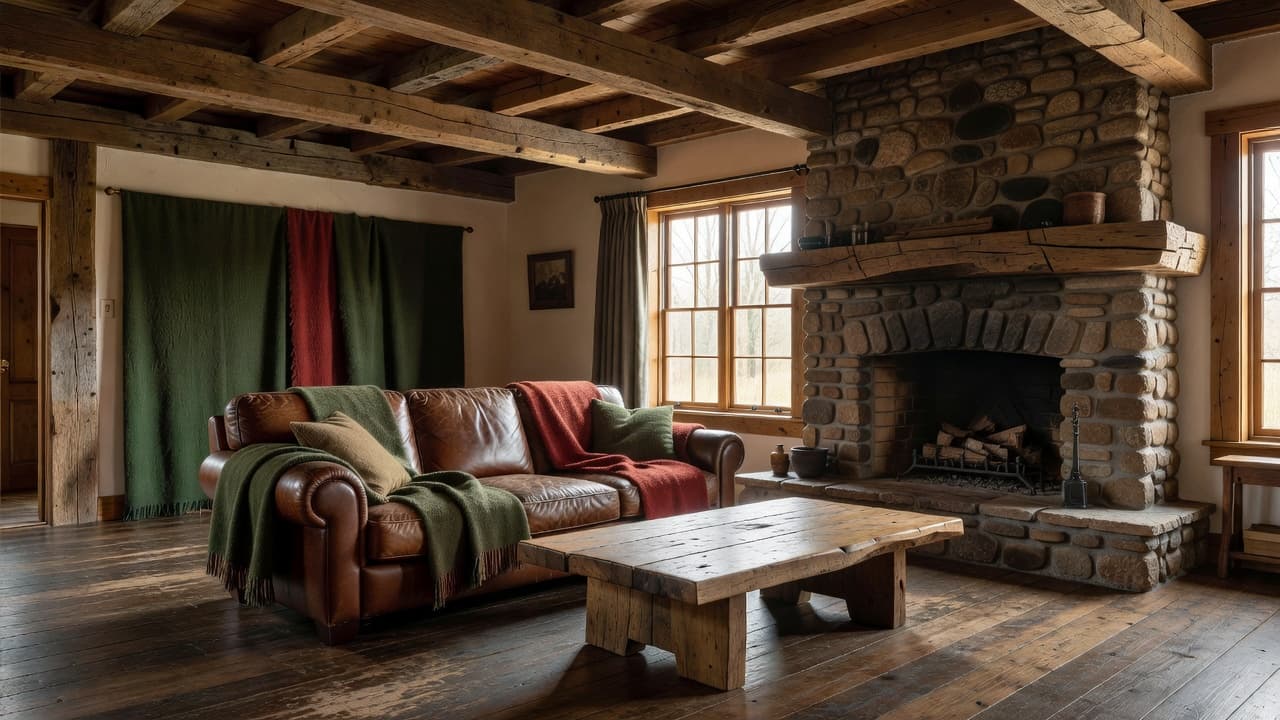
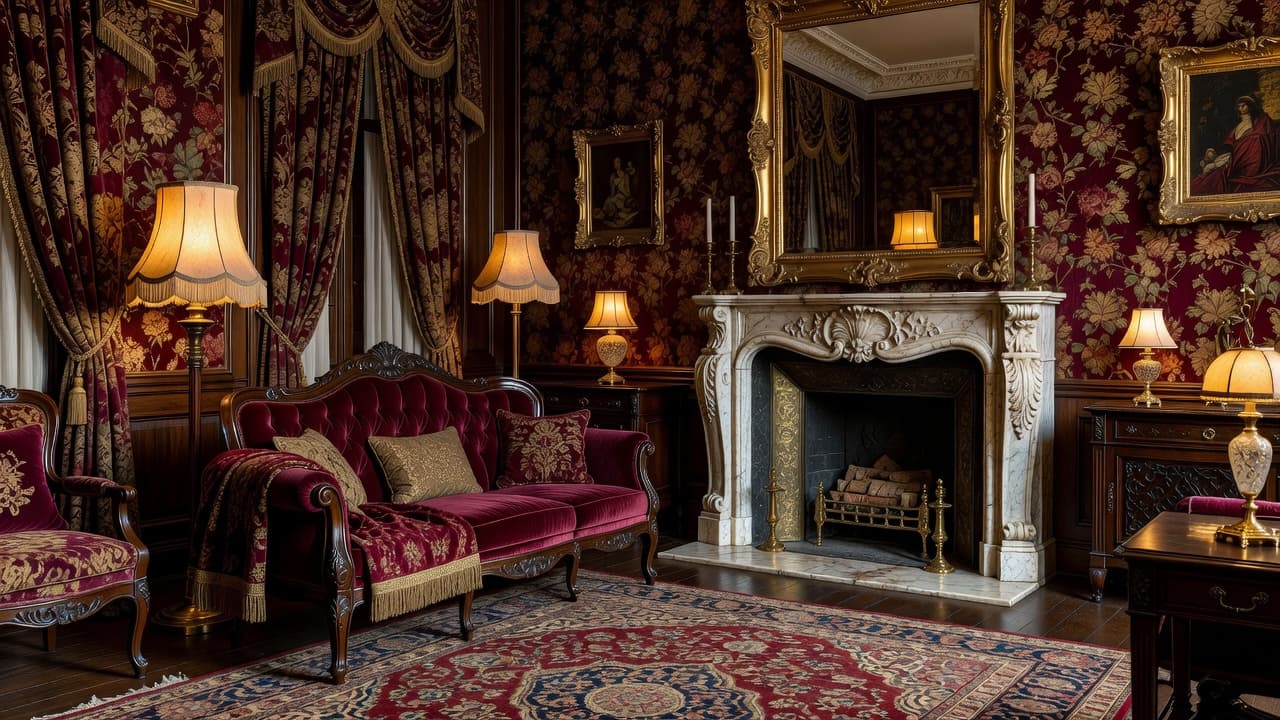
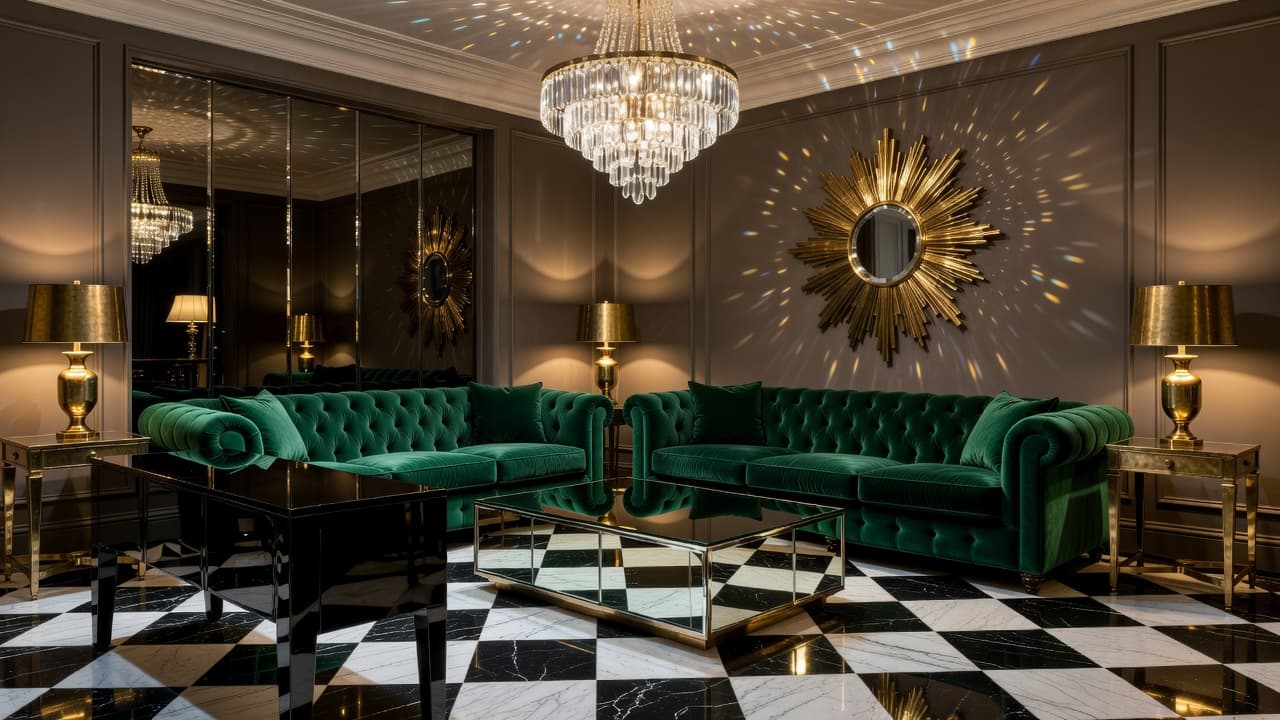
AI Traditional Interior Design: The Complete Style Guide
A complete guide to AI traditional interior design — the classic, symmetrical style built on rich wood tones, layered pattern, and timeless furniture shapes like the wingback chair and camelback sofa. Learn the palette, materials, and layout rules that define the look, then preview it on your real room with AI.
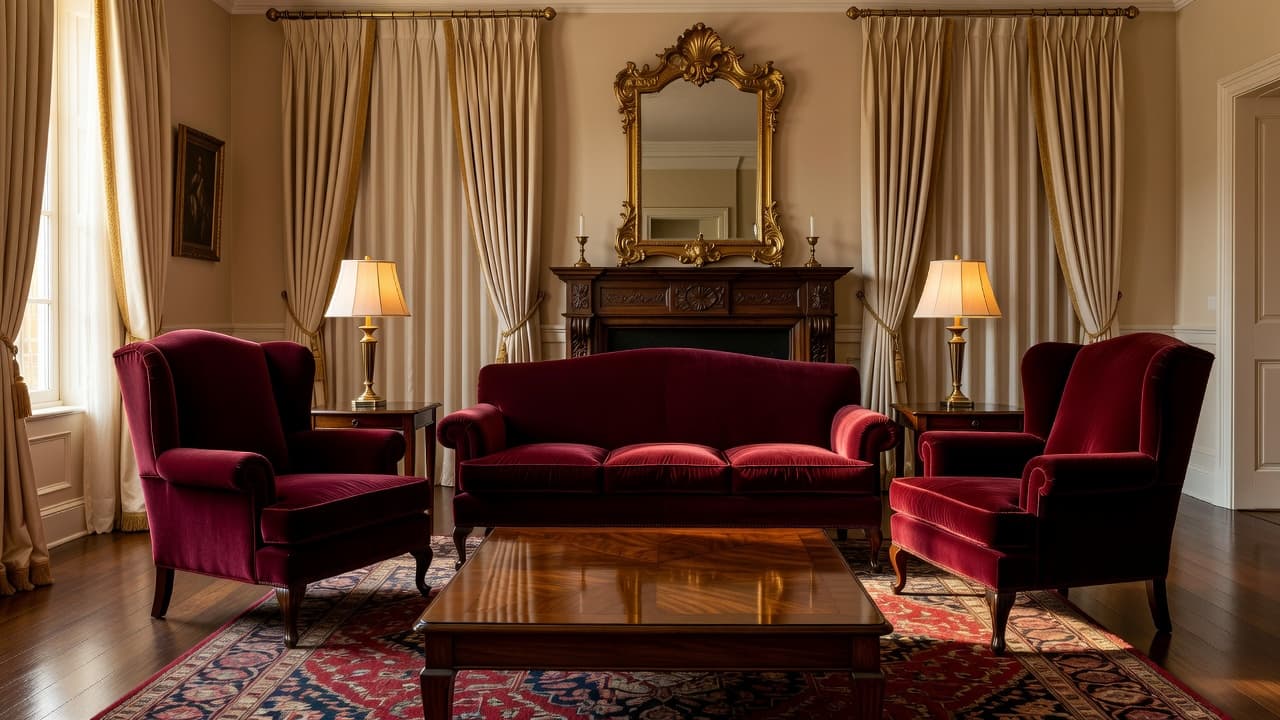
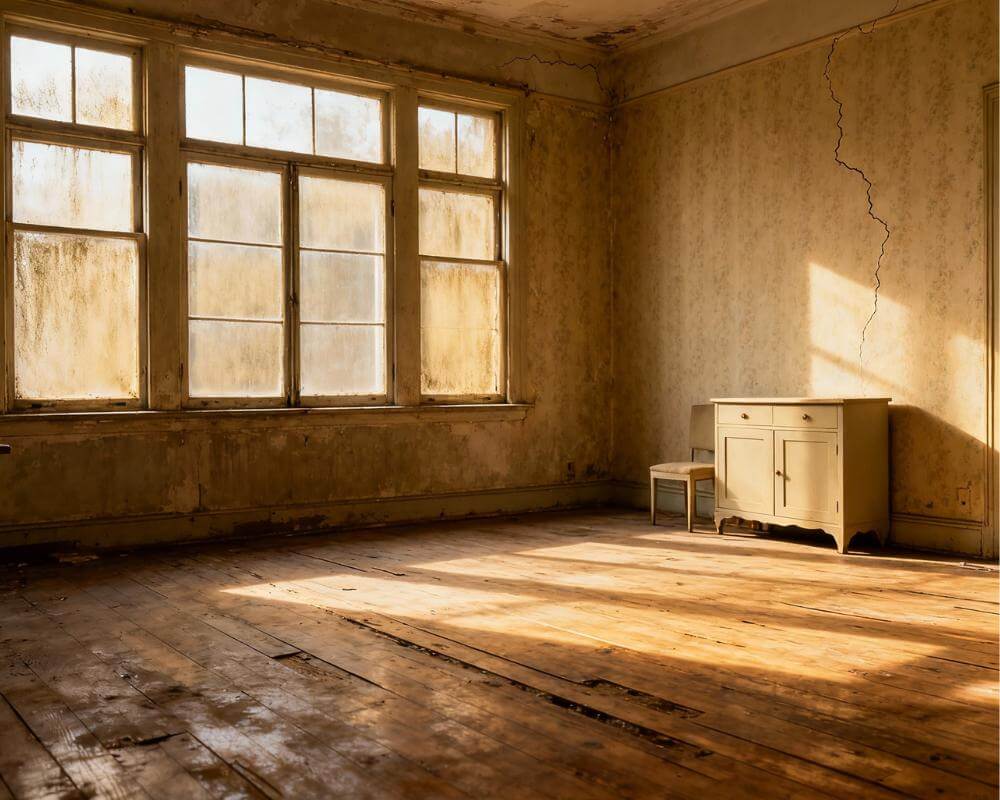
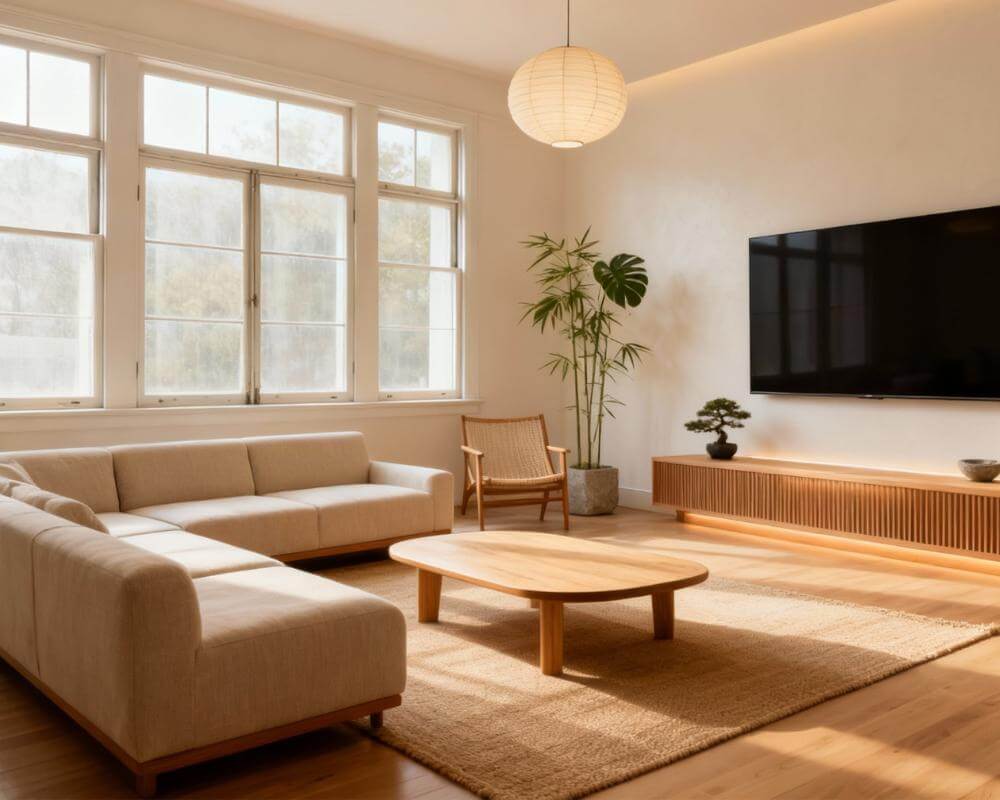
AI traditional interior design takes the classic, collected-over-time look — camelback sofas, wingback chairs, rich wood tones, and layered pattern — and lets you preview it on your own room before you commit to a single piece. DecorAI is an AI interior design app that lets users transform photos of existing rooms into realistic redesign concepts, so instead of guessing whether a mahogany coffee table and a Persian rug will actually suit your existing windows and layout, you upload a photo and see the whole room rendered in traditional style in seconds.
Traditional design draws on 18th- and 19th-century European and early American furniture — Chippendale, Queen Anne, and English country house influences chief among them — and it has stayed one of the most consistently searched interior styles because it rarely looks dated: the same wingback chair or camelback sofa that furnished a room a decade ago still reads as correct today. This guide covers what actually defines the look, the palette and materials that make it convincing, how it differs from transitional, Victorian, and French country style, how to apply it room by room, and how to preview the whole thing on your own room with AI before buying anything.
Key Takeaways
- Traditional interior design is built on classic 18th- and 19th-century European furniture shapes, rich wood tones, and symmetry rather than trend-driven forms.
- Pattern carries the room: florals, plaids, damask, and toile do the visual work that a bold paint color or sculptural furniture piece would do in other styles.
- It's not the same as transitional, Victorian, or French country — traditional is more formal than transitional, less ornate and dark than Victorian, and less rustic than French country.
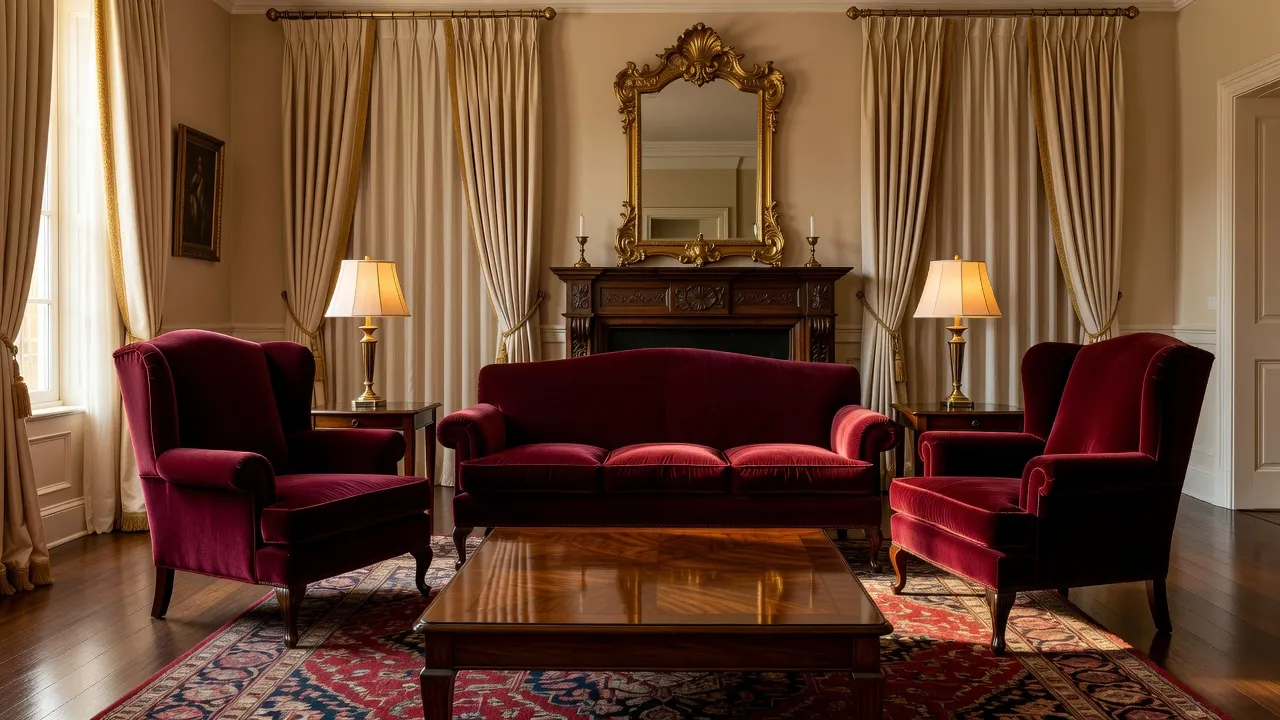
- Symmetry is the fastest visual signal: matching lamps, matching chairs flanking a sofa, and a centered mirror over a mantel read as traditional almost on sight.
- AI lets you preview classic, pattern-heavy furniture on your real room before buying pieces that are hard to picture from a product photo alone.
- Try DecorAI free to test the traditional look in your own room before buying anything.
What Is Traditional Interior Design?
Traditional interior design is a style built on classic, time-tested furniture shapes and finishes rather than anything tied to a specific decade or trend — a room decorated this way in 2006 and one decorated in 2026 can look nearly identical, which is a large part of the style's lasting appeal. It draws on 18th- and 19th-century European and early American furniture: rolled-arm and camelback sofas, wingback and Queen Anne chairs, four-poster or sleigh beds, and dark, richly finished wood casegoods like highboys and secretaries.
It shares its warmth with French country design and its classic silhouettes with transitional design, but it isn't trying to do either job exactly: it's more polished and symmetrical than French country's rustic warmth, and it doesn't strip away ornament and pattern the way transitional design does. Traditional's specific signature is a fully committed classic look — matched furniture pairs, layered pattern, and rich color used with confidence rather than restraint.
What Colors Work in a Traditional Palette?
The palette leans warm and saturated, built for depth rather than the pared-back neutrals of newer styles. For a broader guide to building a room-wide scheme, see our AI color palette room design guide.
- Warm cream and ivory: the base wall tone in most traditional rooms, giving pattern and dark wood a calm backdrop rather than competing with them.
- Deep jewel tones: hunter green, burgundy, and navy appear on upholstery, drapery, and accent walls, giving the room the depth that all-neutral styles avoid.
- Rich mahogany and cherry wood: dark, polished wood tones on furniture, moldings, and floors anchor the room and read as more formal than the honey and walnut tones of newer styles.
- Gold and brass accents: picture frames, lamp bases, and door hardware in warm metallics reinforce the formality without needing a bold color to do it.
- Soft dove gray and taupe: used on trim and secondary walls to keep a heavily patterned room from feeling overwhelming.
The rule that keeps a traditional palette from feeling dated: choose one or two jewel tones and repeat them across at least three surfaces — a cushion, a lampshade, a rug border — rather than scattering a dozen different accent colors through the room.
What Furniture and Materials Define Traditional Style?
Shape, symmetry, and pattern do the work in a traditional room — a piece earns its place by matching a classic silhouette, and often a matching partner, rather than by standing out as a single statement object.
Classic wood furniture shapes
A rolled-arm or camelback sofa, a wingback or Queen Anne chair, and a pedestal or claw-foot dining table are the fastest way to read as traditional rather than transitional or contemporary. The rule of thumb: furniture should have a recognizable historical silhouette, not an abstract or sculptural one.
Layered window treatments
Floor-length drapery, often paired with a valance or cornice board and sheer under-curtains, is one of the clearest traditional signals — a bare window or a simple roller shade reads as a different style entirely. Tiebacks, tassels, and a contrast trim add the finishing formal touch.
Pattern: florals, plaids, damask, and toile
Where newer styles rely on texture or a single accent color, traditional rooms lean on printed pattern: a floral or damask on upholstery, a plaid on a throw pillow, or a toile in a powder room. The classic move is repeating one pattern in two places — drapery and a chair cushion, for instance — rather than mixing several unrelated prints.
Rugs, brass, and gilded accents
An Oriental or Persian-style rug anchors most traditional living rooms and dining rooms, its pattern and border doing double duty as both floor covering and color scheme. Brass or bronze lamp bases, a gilded mirror frame over the mantel, and classic art in ornate frames finish the formal, collected-over-time feel.
See Your Room Go Traditional — Free
Upload one photo and watch DecorAI restyle your actual room with classic furniture shapes, rich wood tones, and layered pattern in seconds, keeping your real windows and layout. Test the symmetry and color before you commit to furniture that's hard to picture from a product photo.


How Is Traditional Different From Transitional, Victorian, or French Country?
All of these styles share classic roots, but they land in different places. Transitional design is the most pared-back of the group — it keeps traditional's comfortable shapes but strips away ornament, heavy pattern, and dark wood in favor of neutral color and clean lines. Victorian design pushes the opposite direction: darker, more ornate, and heavier on carved detail, layered pattern, and collected curiosities than traditional's more restrained formality. French country design shares traditional's warmth and wood tones but trades formal symmetry for a rustic, sun-faded, lived-in feel — distressed finishes and toile instead of polished mahogany and matched pairs. Traditional sits in the middle: formal and pattern-rich like Victorian, but calmer and less cluttered; warm like French country, but more polished and symmetrical. The simplest way to tell them apart in a photo: transitional reads as calm, Victorian reads as ornate, French country reads as rustic, traditional reads as classic and matched.
How Do I Apply Traditional Style Room by Room?
The core ingredients — classic silhouettes, symmetry, rich wood, and confident pattern — stay constant. Only the anchor pieces change by room.
Traditional living room
A rolled-arm sofa flanked by two matching wingback chairs, a pedestal coffee table, an Oriental-style rug, and floor-length drapery give the room its formal, collected feel. Our AI living room design ideas guide has more ways to layer a room like this.
Traditional bedroom
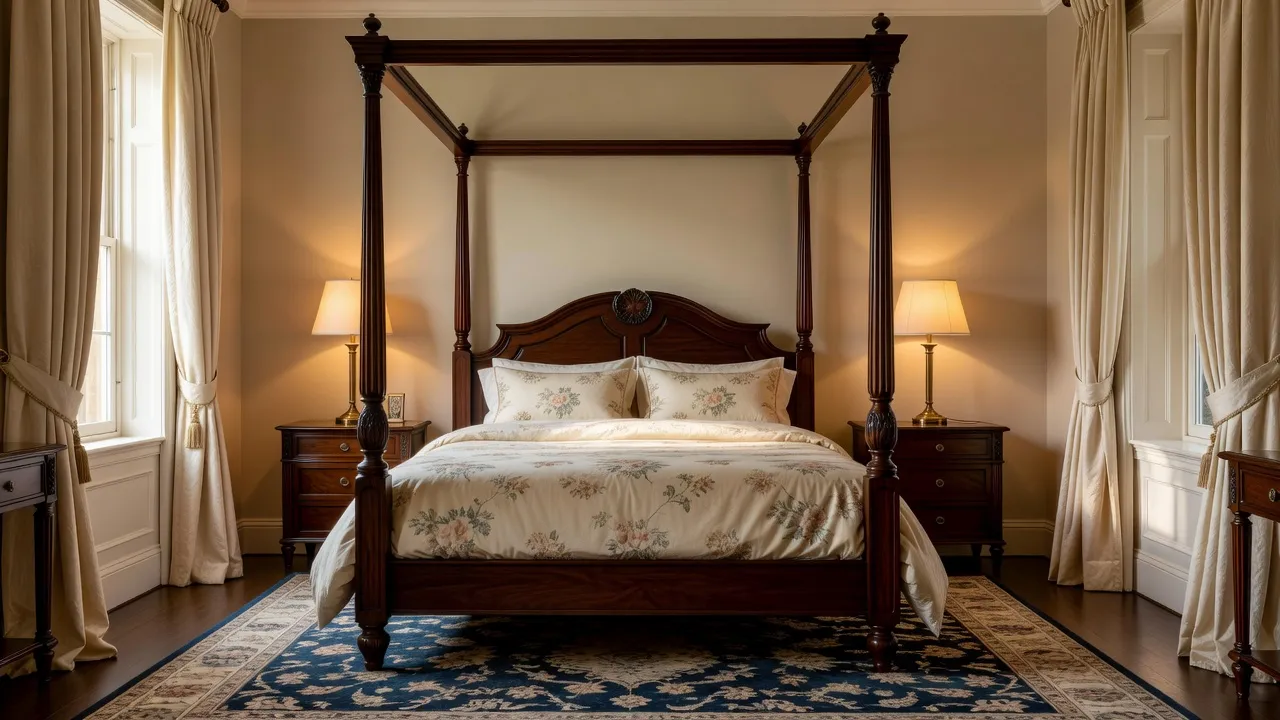
A four-poster or upholstered sleigh bed, matching nightstands with brass lamps, floor-length drapery, and a floral or damask bedskirt keep the room formal without feeling cold. See our AI bedroom design guide for more layout and lighting options.
Traditional dining room
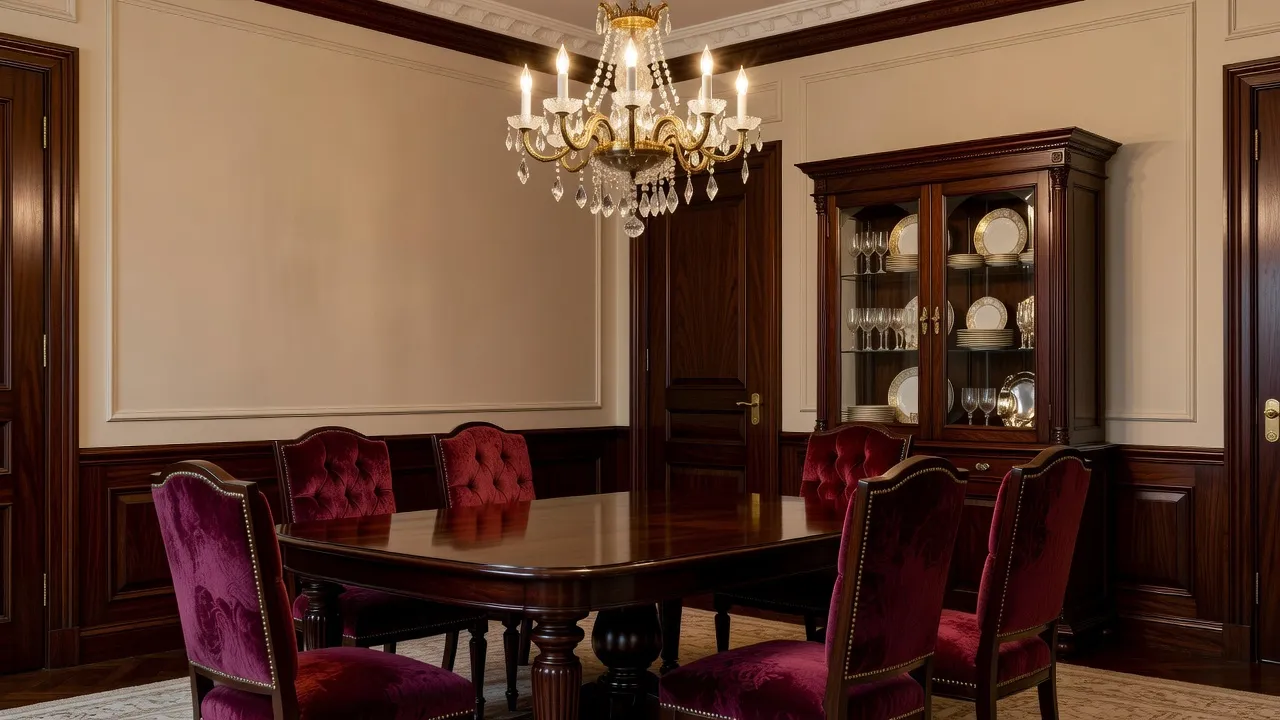
A pedestal or claw-foot table, upholstered chairs with nailhead trim, a crystal or candle-style chandelier, and a china cabinet displaying formal dinnerware complete the classic dining room look. Our AI dining room design ideas guide covers more layout options.
What Are Common Traditional Design Mistakes to Avoid?
- Mixing too many unrelated patterns. A room with a floral sofa, a plaid rug, and a striped chair with nothing tying them together reads as cluttered rather than classic — repeat one or two patterns instead.
- Skipping symmetry entirely. Traditional rooms rely on balance — mismatched lamps or a single accent chair with no partner undercuts the formal feel the style depends on.
- Using dark wood everywhere with nothing to break it up. A room furnished entirely in matching mahogany can feel heavy or cave-like — mix in a lighter rug, wall color, or upholstery to keep it from closing in.
- Choosing cheap reproduction pieces. Printed "wood grain" laminate or thin, unstructured upholstery reads as artificial up close; the style depends on furniture with real carved or turned detail.
- Skipping the preview. Pattern-heavy, formal furniture is hard to judge from a single product photo — visualize it on your real room with AI before buying anything large or hard to return.
Traditional Interior Design FAQ
What is traditional interior design?
Traditional interior design is a style built on classic 18th- and 19th-century European and early American furniture shapes — rolled-arm sofas, wingback chairs, four-poster beds — combined with rich wood tones, symmetry, and layered pattern like florals, plaids, and damask.
What colors are used in traditional rooms?
A warm, saturated palette — cream and ivory walls with deep jewel-tone accents like hunter green, burgundy, and navy — plus rich mahogany or cherry wood and gold or brass metallics, all repeated across a few key surfaces rather than scattered widely.
Is traditional interior design the same as transitional or Victorian?
No. Transitional design keeps traditional's comfortable shapes but strips away ornament and heavy pattern for a calmer, more neutral look. Victorian design is more ornate and darker, with heavier carved detail and layered curiosities. Traditional sits between the two — formal and pattern-rich, but more restrained than Victorian.
Can AI design a traditional room from my photo?
Yes. Upload a photo of your room to DecorAI, choose a classic or traditional style, and the AI redesigns your real space photorealistically in seconds — keeping your actual windows and layout while applying the furniture shapes, wood tones, and pattern the style depends on.
Does traditional style work in a small apartment or a modern home?
Yes — the style scales down without losing its character. A single wingback chair, a pedestal side table, a patterned throw pillow, and a gilded mirror translate the look into a small or modern space just as well as a full formal living room; symmetry and pattern do most of the work regardless of square footage.
Conclusion
AI traditional interior design takes decorating's most time-tested look — classic furniture shapes, rich wood tones, and confident pattern — and lets you see it on your actual room instead of guessing from a showroom floor or a product photo. Start with one classic anchor piece — a wingback chair or a pedestal table — and let AI show you how the palette and pattern actually look on your walls before you spend on furniture that's hard to return. Upload a photo to DecorAI to see your room transformed for free, browse the full styles gallery, or head back to the DecorAI homepage to get started.
Visualize Your Dream Home Instantly
Don't just read about it. Experience the power of AI interior design with DecorAI's free tool.
Start Designing for FreeWritten by
DecorAI Team
Editorial Team