AI Rustic Interior Design: The Complete Style Guide
A complete guide to AI rustic interior design — the warm, natural look built on reclaimed timber, exposed beams, stone, leather, and heavy handmade textiles. Learn the palette, materials, and room-by-room rules, then preview the style on your real room with AI.
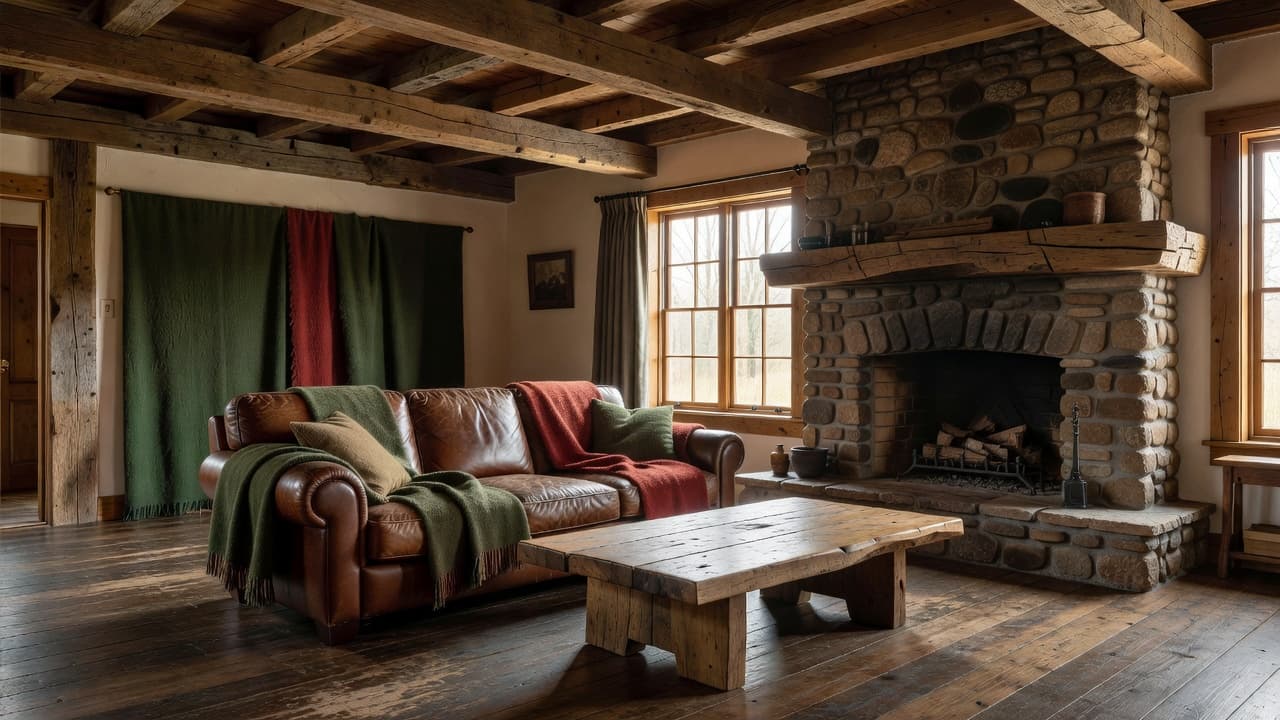
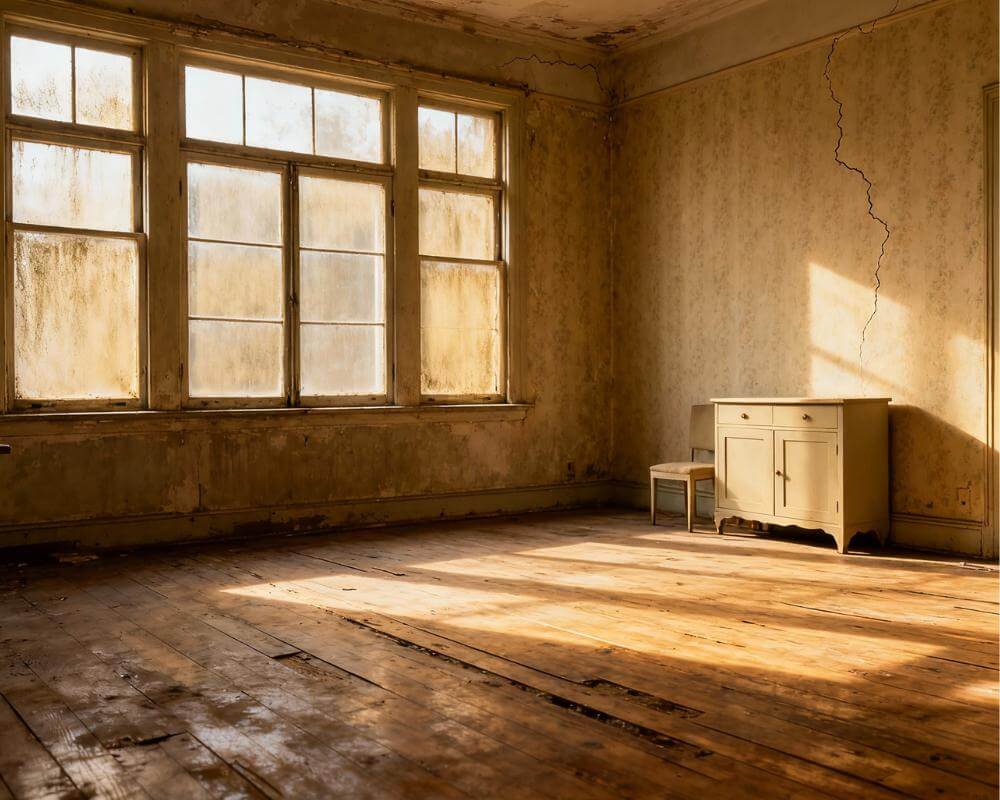
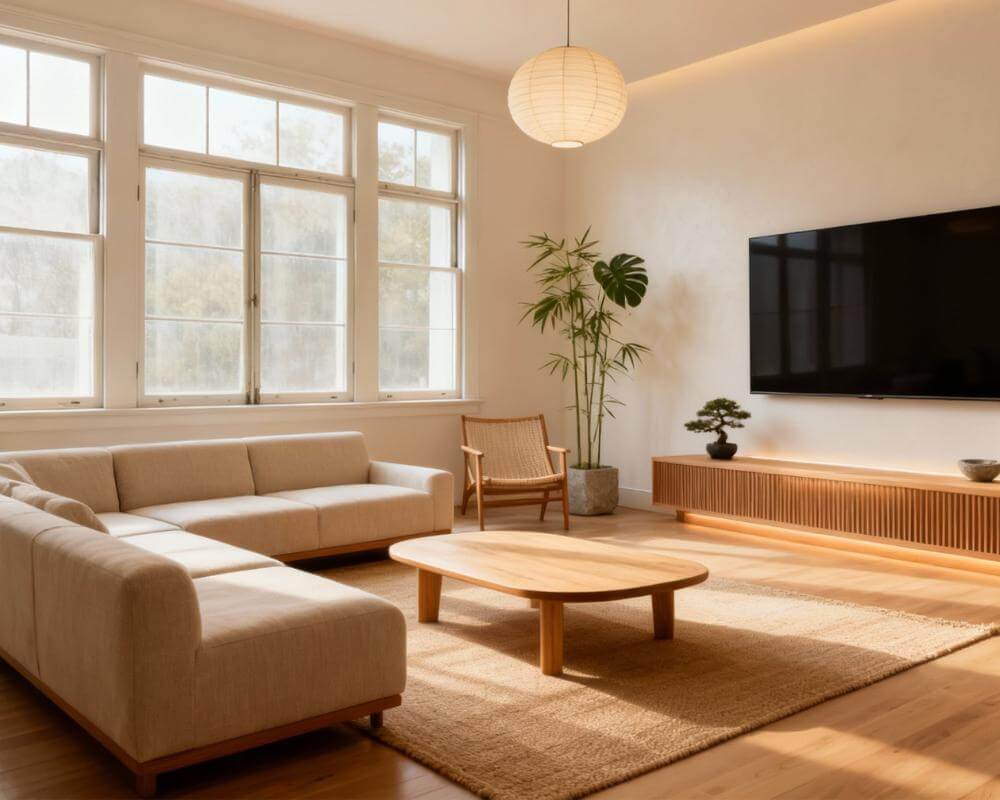
AI rustic interior design takes the warm, weathered, close-to-nature look of a mountain cabin or country lodge — raw timber, exposed beams, stone, worn leather, and heavy wool — and lets you preview it on your own room before you buy a single beam or throw. DecorAI is an AI interior design app that lets users transform photos of existing rooms into realistic redesign concepts. Instead of guessing whether reclaimed wood and a stone hearth will feel cozy or just dark in your actual space, you upload a photo and see the room rendered in rustic style in seconds.
Rustic design is less a period than an attitude: it celebrates materials left close to their natural state, with the grain, knots, tool marks, and irregularities showing. That makes it one of the most forgiving styles to live with, because wear reads as character rather than damage. It also makes it easy to overdo, tipping from cozy lodge into theme-park cabin. This guide covers what really defines the look, the palette and materials that make it convincing, how it differs from farmhouse and industrial style, how to apply it room by room, and how to test the whole thing on your own space with AI first.
Key Takeaways
- Rustic interior design is built on rough, natural materials — raw or reclaimed timber, stone, leather, and heavy wool — left with their grain and texture visible.
- The palette is earthy and warm: browns, forest green, and rust, with cream or limewashed walls to keep the room from turning heavy.
- It is not the same as farmhouse or industrial — rustic is rough and natural, farmhouse is painted and practical, and industrial is metal and concrete.
- One or two strong natural features — a beamed ceiling, a stone fireplace, a plank wall — do more than covering every surface in wood.
- AI lets you preview heavy materials like beams, stone, and dark timber on your real room before committing to changes that are expensive to reverse.
- Try DecorAI free to see the rustic look in your own room before buying anything.
What Is Rustic Interior Design?
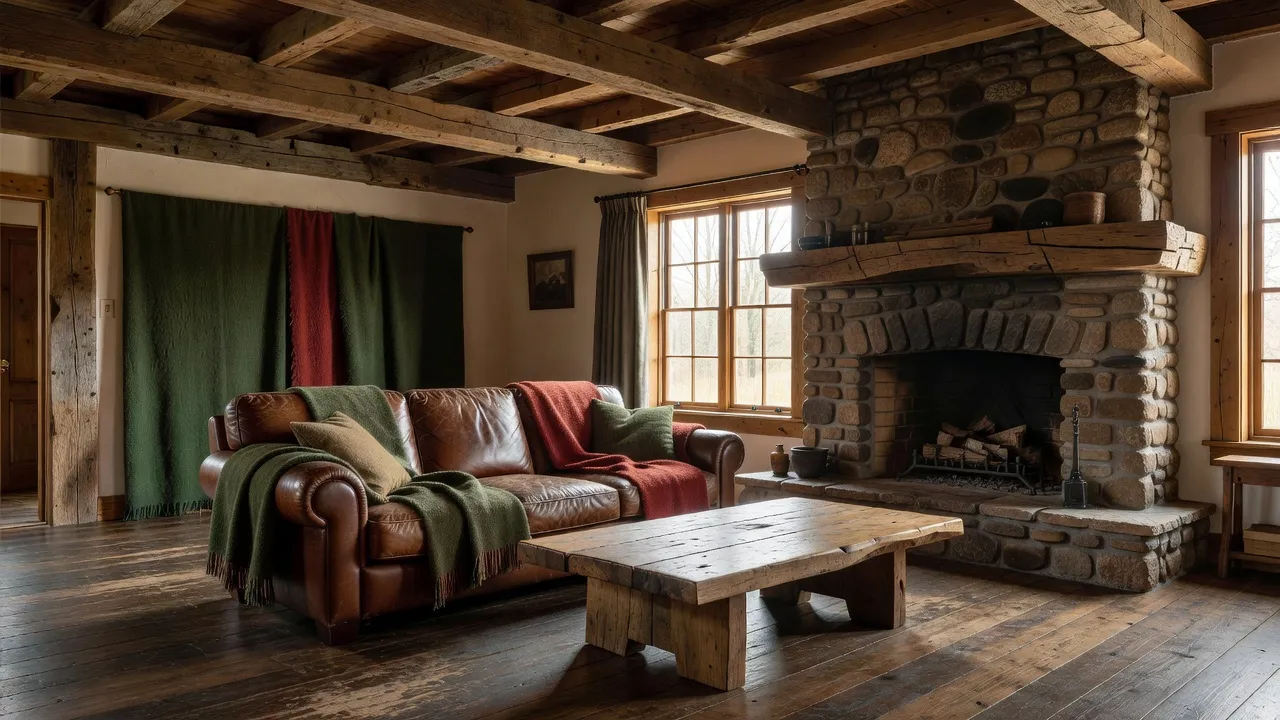
Rustic interior design celebrates rough, natural materials: unfinished or reclaimed timber, stone, exposed beams, leather, and heavy textiles, paired with a warm, earthy palette. The common thread is handmade over machined — a chunky table with visible saw marks, a wall of mixed river stone, a beam that still shows where it was cut. Nothing is meant to look factory-perfect, which is why the style suits lodges, cabins, and country homes, and why it can also warm up a plain modern room when used in small doses.
It sits close to modern farmhouse and industrial design, and the three are often confused. The quick distinction: rustic is rough and natural, farmhouse is painted and practical, and industrial is metal and concrete. A rustic room leads with raw wood and stone; a farmhouse room leads with white paint and shiplap; an industrial room leads with steel and brick.
What Colors Work in a Rustic Palette?
The palette is borrowed from the landscape the style comes from — forest floors, bark, stone, and autumn leaves. For a broader guide to building a room-wide scheme, see our AI color palette room design guide.
- Warm browns: walnut, chestnut, and weathered oak carry most of the room through floors, beams, and furniture.
- Forest and moss green: the classic accent for throws, curtains, and a painted door or cabinet, echoing the surrounding woods.
- Rust, terracotta, and burnt orange: small hits in blankets, pillows, and pottery that add warmth without competing with the wood.
- Cream, oatmeal, and limewashed white: the walls and ceiling between the beams, giving the dark materials room to breathe.
- Charcoal and black iron: lantern pendants, hardware, and fireplace tools as the darkest, smallest accents.
The rule that keeps a rustic palette from feeling heavy: let wood and stone be the large masses, keep the walls lighter, and use color only in textiles and accessories you can swap easily.
What Furniture and Materials Define Rustic Style?
Materials do the work here. A piece earns its place by being solid, textured, and visibly made of something real.
Reclaimed and raw timber
Wide-plank floors, chunky tables, and beams in reclaimed or hand-hewn wood are the clearest single signal of the style. Leave the knots, cracks, and tool marks; a perfectly smooth, glossy finish on the same wood reads as a different, more polished style.
Exposed beams and plank ceilings
Exposed beams add architecture overhead that no furniture can replicate. If your room has a flat ceiling, faux box beams or a plank ceiling can suggest the effect, and DecorAI offers an Exposed Beams design option so you can see how it looks before you build anything.
Stone fireplaces and textured walls
A stone hearth is the rustic equivalent of a showpiece chandelier: it anchors the room and gives everything else a place to face. Textured walls — stone veneer, rough plaster, or limewash — work the same way on a smaller scale, and Textured Walls is another design option you can layer onto a rustic redesign.
Leather, wool, and handmade textiles
A worn leather sofa, a chunky knit throw, and a woven rug soften all that hard material. Choose natural fibers — wool, linen, jute — over synthetic sheen, since the style depends on texture you can almost feel. See our AI lighting design guide for choosing warm fixtures like lanterns and iron pendants that suit the look.
Wrought iron and handmade details
Black iron hardware, simple lantern pendants, and hand-thrown pottery supply the small, dark details that sharpen the room. Keep them few and purposeful.
See Your Room Go Rustic — Free
Upload one photo and watch DecorAI restyle your actual room with reclaimed timber, exposed beams, and cozy natural textiles in seconds, keeping your real windows and layout. Test the look before you commit to heavy materials that are hard to undo.


How Is Rustic Different From Farmhouse or Industrial Style?
All three lean on honest, hardworking materials, but they land in different places. Modern farmhouse is lighter and cleaner: white walls, painted cabinets, and black accents, with wood as a warm contrast. Rustic reverses that — wood and stone are the main event, and the walls are the supporting cast. Industrial design favors metal, concrete, and brick for an urban, warehouse feel, where rustic favors timber and stone for a woodland or lodge feel. In a photo, the quickest tell is the dominant surface: painted shiplap says farmhouse, steel and brick say industrial, rough beams and stone say rustic.
Because the styles overlap, a hybrid is easy to build — a rustic beamed ceiling over a farmhouse-white kitchen, for example. The trouble starts only when three styles compete in one room, which is why previewing the mix first is worthwhile.
How Do I Apply Rustic Style Room by Room?
The core ingredients — natural wood, stone, leather, wool, and an earthy palette — stay constant. Only the anchor pieces change by room.
Rustic living room
A leather sofa, a chunky wood coffee table, and a stone or brick fireplace form the core. Add a wool throw and a woven rug for warmth. Our AI living room design ideas guide has more ways to build a room around a strong central feature.
Rustic bedroom
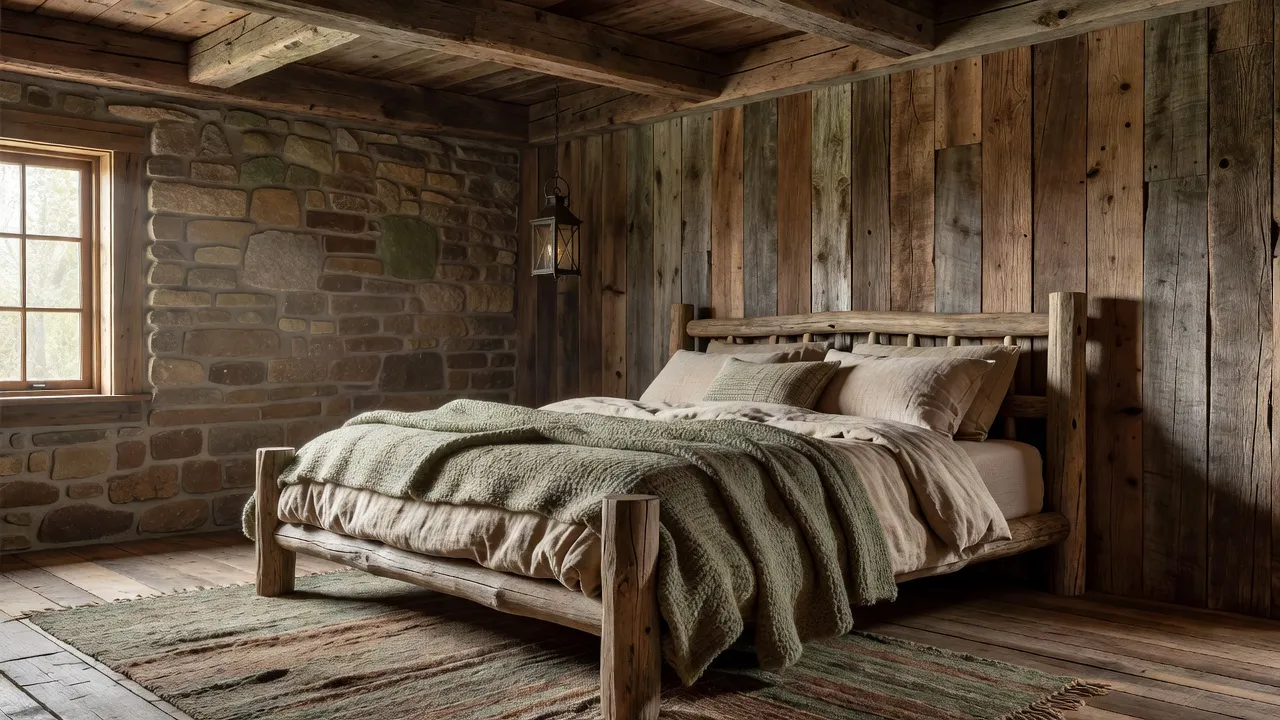
A log or heavy timber bed frame, layered linen and wool bedding, and one plank or stone accent wall create the cabin retreat feel. Keep lighting low and warm. See our AI bedroom design guide for layout and lighting options.
Rustic kitchen
Open wood shelving, a butcher-block island, stone or ceramic counters, and iron pendants carry the look into the kitchen. If you are weighing a bigger update, our AI kitchen remodel guide covers how to test layouts and finishes first.
Rustic basement or bonus room
A basement or bonus room is an easy place to commit to a full lodge feel, since there is often no strong existing style to fight. See our AI basement design guide for finishing ideas that pair well with timber and stone.
What Are Common Rustic Mistakes to Avoid?
- Covering every surface in wood. Matching wood on floors, walls, ceiling, and furniture flattens the room — vary the species, finish, and texture, or leave some walls pale.
- Going full theme-park cabin. Antlers, bear figurines, and plaid on everything turn a style into a costume. Pick a few honest materials instead.
- Skipping light. Dark timber needs layered, warm lighting and a lighter wall color or the room feels like a cave.
- Choosing fake finishes. Printed wood-look laminate and uniform faux stone rarely read as natural; real or well-made textured materials hold up better.
- Skipping the preview. Beams, stone, and heavy furniture are hard to judge from inspiration photos of other people's rooms — visualize them on your real room with AI first.
Rustic Interior Design FAQ
What is rustic interior design?
Rustic interior design is a style that celebrates rough, natural materials — unfinished or reclaimed timber, stone, exposed beams, leather, and heavy textiles — in a warm, earthy palette, with handmade finishes over machined ones.
What colors are used in rustic rooms?
Warm browns, forest or moss green, and rust or terracotta accents, usually set against cream, oatmeal, or limewashed walls, with black iron as the darkest detail.
Is rustic the same as farmhouse or industrial style?
No. Rustic is rough and natural, farmhouse is painted and practical, and industrial is metal and concrete. They overlap and mix well, but each leads with a different dominant material.
Can AI design a rustic room from my photo?
Yes. Upload a photo of your room to DecorAI, choose the Rustic style, and the AI redesigns your real space photorealistically, keeping your actual windows and layout. You can add the Exposed Beams, Textured Walls, and Cozy Atmosphere options to reinforce the look.
Does rustic style work in a modern home or a small room?
Yes. A single reclaimed wood table, a stone or textured accent wall, and a few natural textiles carry much of the effect without a full lodge's worth of timber, so it works in an apartment or a contemporary house.
Conclusion
AI rustic interior design takes one of decorating's warmest, most material-driven looks and lets you see it on your actual room instead of guessing from a cabin photo you saw online. Start with one strong natural feature — a beamed ceiling, a stone fireplace, or a reclaimed wood table — and let AI show you how it sits in your space before you spend on anything heavy. Upload a photo to DecorAI to see your room transformed for free, browse the full styles gallery, or head back to the DecorAI homepage to get started.
Visualize Your Dream Home Instantly
Don't just read about it. Experience the power of AI interior design with DecorAI's free tool.
Start Designing for FreeWritten by
DecorAI Team
Editorial Team