AI Home Library Design: Reading Nook and Book Wall Ideas
A complete guide to AI home library design — how to preview built-in shelving, a reading nook, or a full book wall on a photo of your actual room before you buy or build anything, plus shelving styles, book organization systems, reading-nook lighting, and the most common home library mistakes.

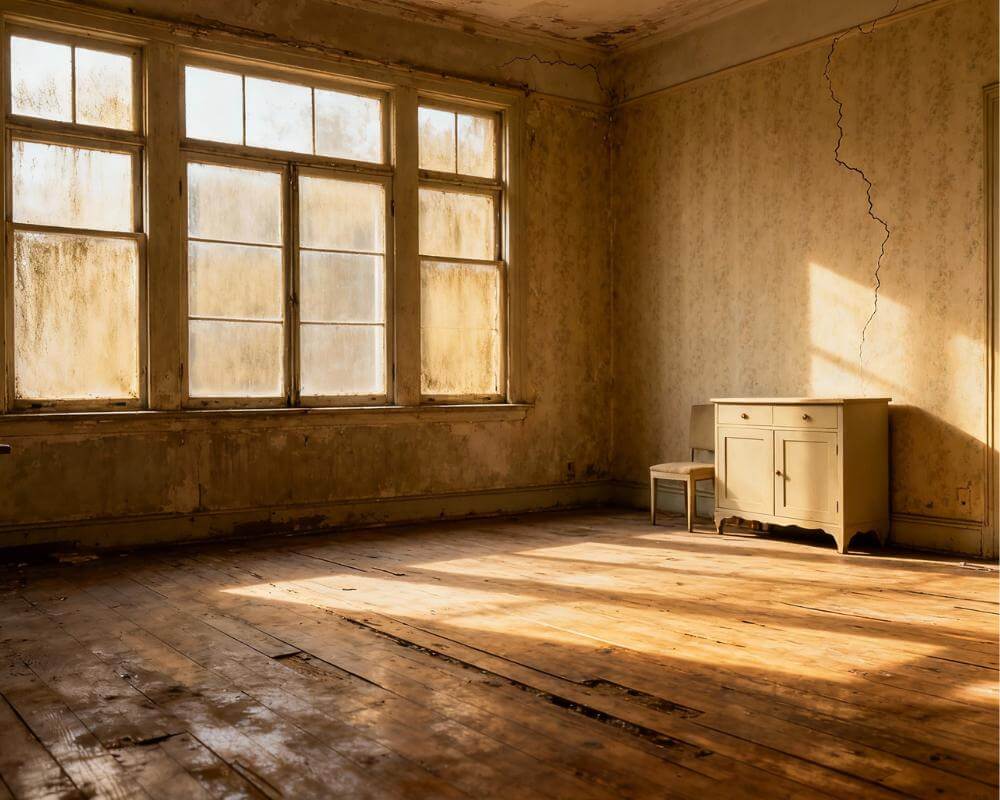
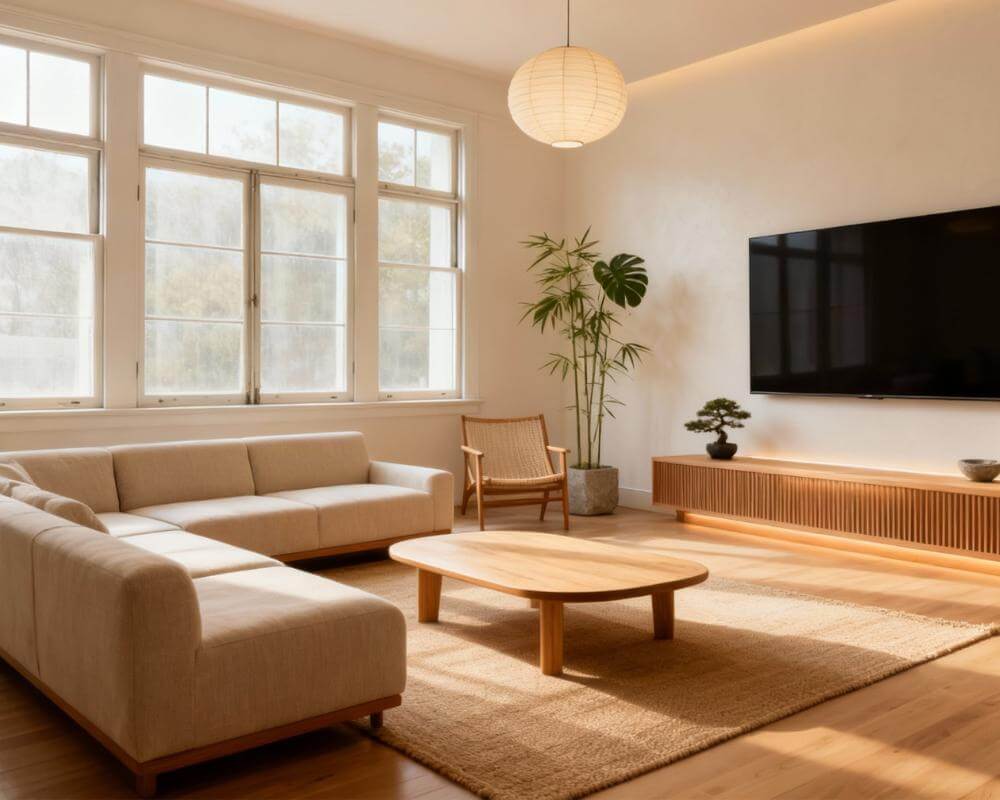
AI home library design lets you upload a photo of a spare room, an awkward alcove, or even a single blank wall and preview built-in shelving, a full book wall, or a cozy reading nook directly on that space — before you commit to a carpenter, order a single shelf, or paint a wall a color you might regret. A home library is one of the most personal rooms to get right, and also one of the easiest to get wrong from a catalog photo alone: shelving that looks generous in a showroom can swallow a narrow wall, a reading chair that looks cozy online can block a doorway, and a book wall painted the wrong tone can make a small room feel like a warehouse instead of a retreat. With DecorAI, you can test built-in versus freestanding shelving, compare a window-seat reading nook against a corner armchair setup, and preview a full book wall on the exact room you have before you spend anything. This guide covers how AI home library design works, planning a layout for a small or awkward room, the shelving styles worth considering, building a genuinely cozy reading nook, organizing and displaying books well, and the most common home library mistakes.
Key Takeaways
- Measure your actual book collection before choosing shelving, not the other way around — a rough count of linear feet of books prevents buying (or building) too little or too much shelving.
- Built-in shelving makes a room feel larger than freestanding bookcases of the same capacity, because it uses depth the room already has instead of adding bulk into the floor space.
- A reading nook needs three things to actually get used: a dedicated light source, a surface within arm's reach for a cup or a lamp, and a chair or seat deep enough to curl up in.
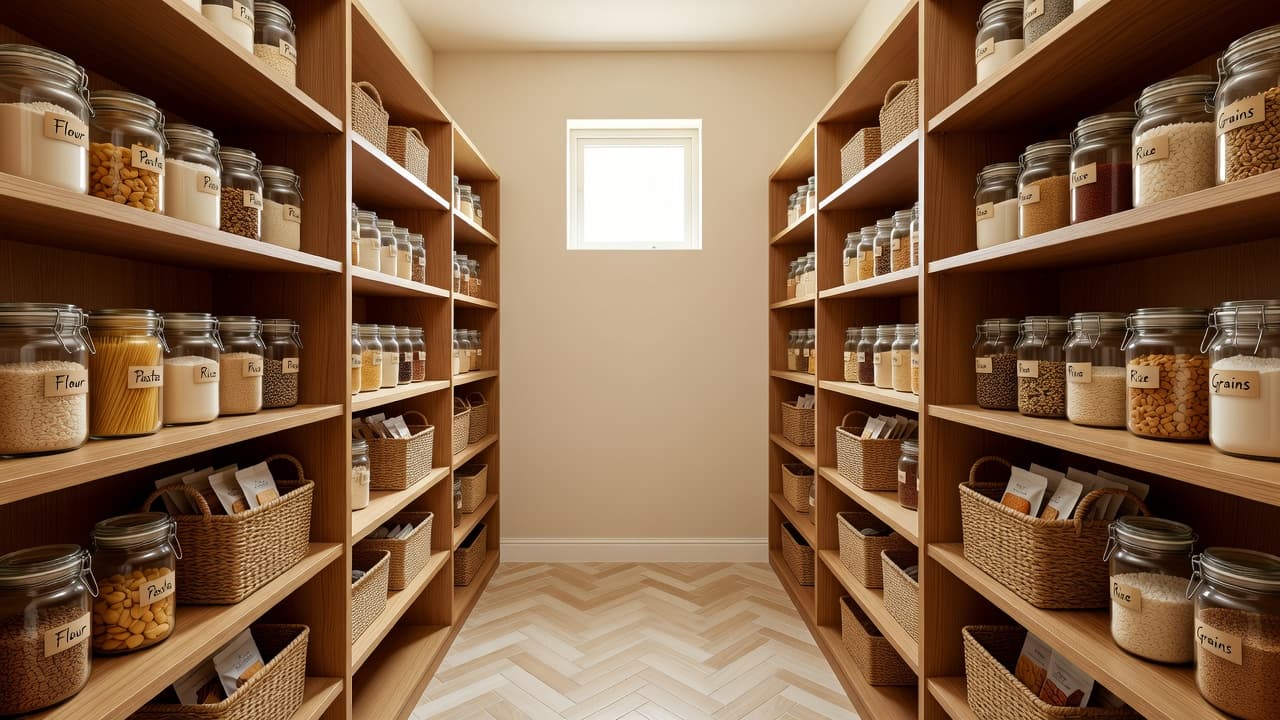
- Organizing books by color creates the strongest visual impact for a book wall, while organizing by genre or author stays more functional for a library you actually use to find books.
- AI lets you preview shelving layouts, a reading nook, or a full book wall on your real room before you commit to carpentry, furniture, or paint you can't easily undo.

What Is AI Home Library Design, and How Does It Work?
AI home library design works from a photo of your actual room and generates a photorealistic version of that same space with new shelving, a reading nook, or a full book wall applied — matched to your room's real proportions, wall length, window placement, and existing light. This matters more in a library than in most rooms, because shelving is expensive and semi-permanent: built-ins involve carpentry, and even freestanding bookcases are heavy enough that swapping them out after a wrong guess is a real hassle, not just an inconvenience. A good AI tool leaves your walls, windows, and flooring untouched and only changes the furniture, shelving, and decor, so what you preview closely matches what you could actually build or buy.
How Do You Plan a Home Library Layout in a Small or Awkward Room?
Planning a home library layout starts with counting your books, not picking furniture — the shelving capacity you need should drive the room plan, not the other way around.
Measuring Your Collection Before You Shop
Measure a shelf's worth of your existing books in linear inches or centimeters, then multiply by how many similar shelves' worth of books you own — this gives you a rough total of linear shelf space needed, which is a far more reliable number than guessing from how "full" your current bookshelf looks. Add roughly 20 to 30 percent extra capacity beyond your current collection if you expect to keep buying books, since a shelving unit that's built to exactly your current count will feel cramped again within a year or two.
Working With an Odd-Shaped Room or a Single Wall
Not every home has a spare room to dedicate to a library — a single blank wall, a stair landing, or an awkward alcove under a sloped ceiling can all work if the shelving is planned around the space's actual constraints instead of a generic layout. A narrow or oddly shaped room benefits from shelving built into the existing wall depth rather than freestanding units that eat into the floor; our guide to designing oddly shaped rooms covers the same wall-first planning approach for rooms with angled ceilings, alcoves, or unusual dimensions.
What Shelving Styles Work Best for a Home Library?
- Built-in shelving uses the room's existing wall depth instead of adding bulk into the floor space, and can be custom-fit around windows, doors, or an odd-shaped wall — the best option when you have the budget for carpentry and plan to stay in the home.
- Freestanding bookcases cost less, require no construction, and move with you, which makes them the practical choice for renters or anyone not ready to commit to a permanent layout.
- Wall-mounted floating shelves read as lighter and more modern than a full bookcase, and work well for a smaller collection or a display-focused arrangement rather than dense storage.
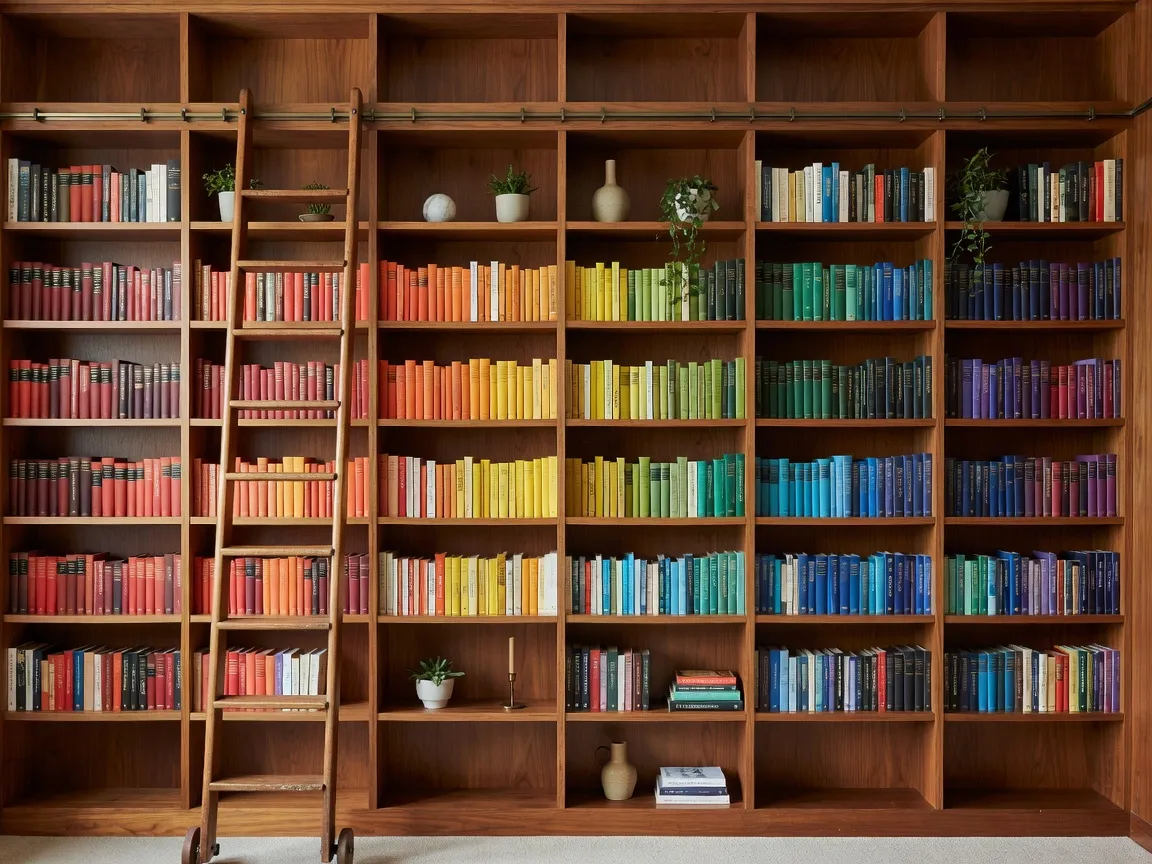
- A rolling ladder system makes floor-to-ceiling shelving genuinely usable by adding safe access to the top shelves, and adds a classic library look on its own even before it's used.
- Modular cube shelving can be reconfigured as your collection grows, which suits a home library that's likely to expand or move rooms over time.
Whichever style fits your budget and room, previewing it on a photo of your actual wall shows how much visual weight the shelving adds and whether it reads as cozy or overwhelming before any carpentry starts. Our AI home office design guide covers a similar built-in-versus-freestanding decision for a workspace, since the two rooms often share the same wall-of-shelving layout question.
Preview Your Home Library — Free
Upload a photo of your real room and see built-in shelving, a reading nook, or a full book wall before you build or buy anything.


How Do You Create a Cozy Reading Nook in Any Room?
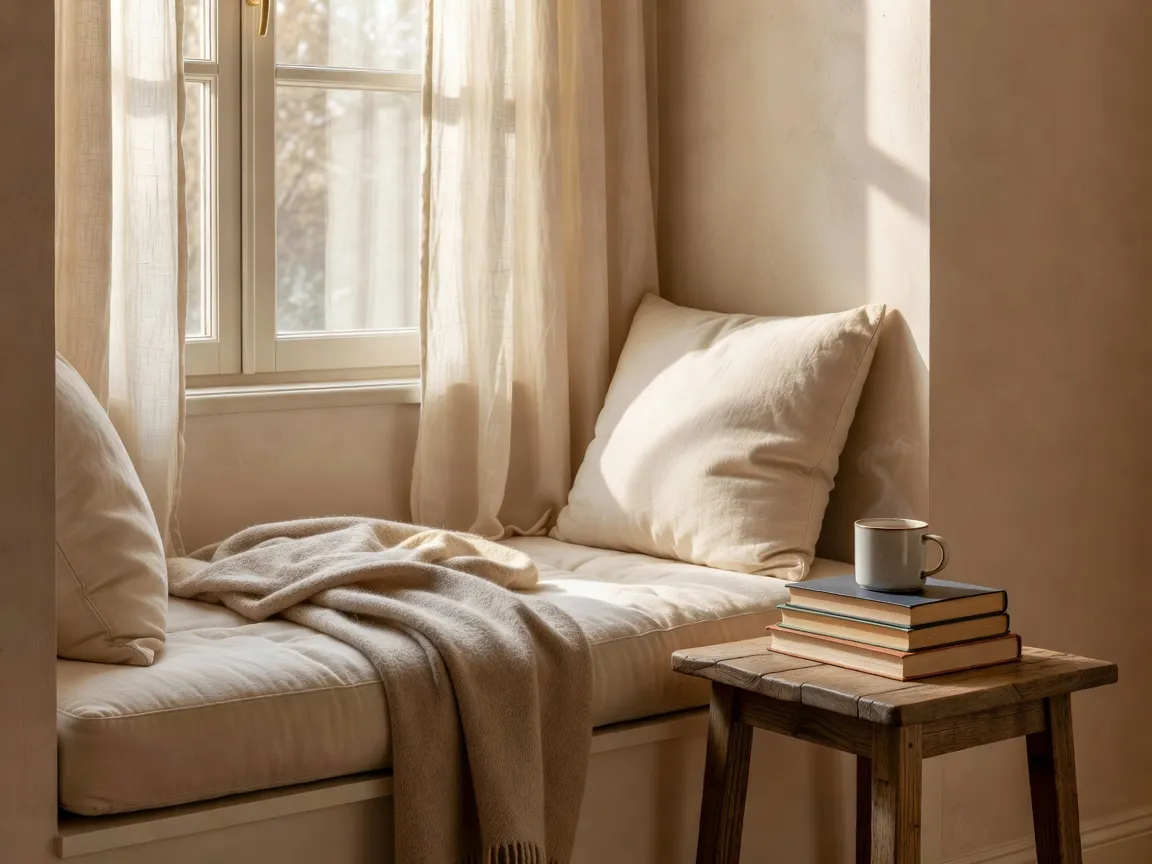
A reading nook needs three things to actually get used regularly: a dedicated light source positioned for reading rather than general room lighting, a surface within arm's reach for a cup, glasses, or a lamp, and a chair or seat deep enough to curl up in rather than sit formally upright.
Lighting a Reading Nook Properly
A single overhead ceiling fixture rarely provides enough directed light for comfortable reading — a dedicated floor or table lamp positioned just behind or beside the shoulder, angled down onto the page, prevents both glare and eye strain far better than ambient room lighting. A window seat has a natural advantage during the day, but still needs an evening light source planned in from the start rather than added as an afterthought. Our AI lighting design guide covers layering task, ambient, and accent light in more depth, which applies directly to getting a reading nook's lighting right.
Choosing Seating and Textiles
A deep armchair or a window seat with a firm cushion works better for reading than a standard sofa cushion, since sinking too far back makes it harder to hold a book comfortably for long stretches. Layering in a soft throw blanket, a floor pillow, and a low-pile rug underfoot makes the nook feel enclosed and inviting even when it's really just a corner of a larger room — the goal is a spot that reads as separate from the rest of the room without needing an actual wall.
How Do You Organize and Display Books in a Home Library?
Books can be organized for visual impact, for function, or a blend of both, and the right system depends on whether the shelving is meant to be browsed and used daily or mostly viewed as a design feature.
Organizing by Color for a Book Wall
Arranging books by spine color creates the strongest visual impact of any organization method and is the technique behind most striking "book wall" photos, but it makes finding a specific title by author or subject far harder, since a color-sorted shelf has no relationship to a library's typical Dewey Decimal-style subject grouping. Color organization tends to work best for a smaller, curated display collection rather than an entire working library.
Organizing by Genre or Author for a Working Library
Grouping books by genre, then alphabetically by author within each genre, keeps a larger collection genuinely usable — you can find a specific book quickly without scanning every shelf. Mixing in a few horizontal stacks, a small plant, or framed art between vertical rows breaks up the visual monotony of a purely functional bookcase without sacrificing how easy it is to browse.
What Are the Most Common Home Library Design Mistakes?
- Building or buying shelving sized to today's collection only. A shelving plan with no room to grow feels cramped again within a year or two for anyone who keeps buying books.
- Skipping a dedicated reading light. A beautiful reading nook still goes unused in the evening if the only light source is a distant overhead fixture.
- Choosing a chair for looks over depth and support. A narrow, upright chair looks the part in photos but rarely gets sat in for more than a few minutes.
- Ignoring the floor load of a large book collection. A genuinely full floor-to-ceiling wall of books is heavy, and older homes or upper floors sometimes need a quick structural check before a large built-in installation.
- Overcrowding shelves with no breathing room. Packing books in with zero gaps makes a shelf harder to browse and removes the space needed for the occasional decorative object or stack that keeps a library feeling curated instead of purely utilitarian.
FAQ
Can AI show me shelving on my actual wall before I build it?
Yes — uploading a photo of your room to an AI design tool lets you preview a specific shelving layout, a reading nook, or a full book wall on your real wall dimensions and light, rather than guessing from a showroom photo taken somewhere else.
Is built-in shelving better than freestanding bookcases?
Built-in shelving generally makes a room feel larger since it uses existing wall depth instead of adding floor-space bulk, and it can be custom-fit around windows or odd angles — but freestanding bookcases cost less, need no construction, and move with you, which suits renters better.
How much shelf space do I need for my book collection?
Measure a shelf's worth of your current books in linear inches, multiply by how many similar shelves you own for a rough total, then add roughly 20 to 30 percent extra capacity if you expect to keep buying books, since exact-fit shelving feels cramped again within a year or two.
What makes a reading nook actually comfortable to use?
A dedicated reading light angled onto the page, a surface within arm's reach for a cup or lamp, and a chair or window seat deep enough to curl up in are the three elements that make a reading nook get used regularly rather than just look good in photos.
Should I organize books by color or by genre?
Organizing by color creates the strongest visual impact for a display-focused book wall, while organizing by genre and then alphabetically by author keeps a larger working collection easier to actually browse and find a specific title in.
Conclusion
A home library rewards careful planning more than almost any other room, since shelving is expensive and heavy enough that a wrong guess is genuinely costly to undo. DecorAI lets you upload a photo of your real room and preview built-in shelving, a reading nook, or a full book wall before you spend anything. Read our AI declutter and organize guide for keeping a growing book collection from feeling cluttered, our AI small space design guide for fitting a library into a tight footprint, browse the styles gallery for inspiration, or start from the DecorAI homepage to try it on your own room.
Visualize Your Dream Home Instantly
Don't just read about it. Experience the power of AI interior design with DecorAI's free tool.
Start Designing for FreeWritten by
DecorAI Team
Editorial Team