
How to Agree on a Room Design When You and Your Partner Have Different Tastes
A practical way to settle a room design disagreement: find the overlap in your tastes, build one Moodboard each, preview both ideas on the same room photo with DecorAI, and decide together with a Design Report instead of an argument.
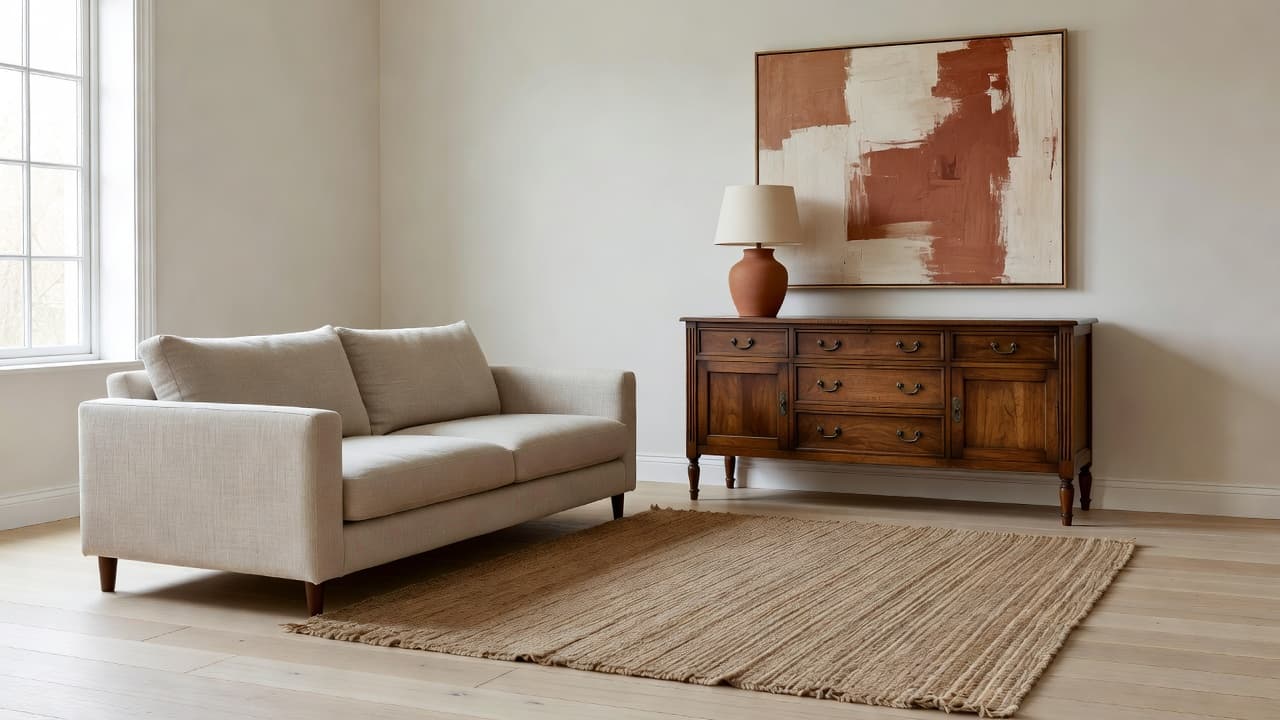
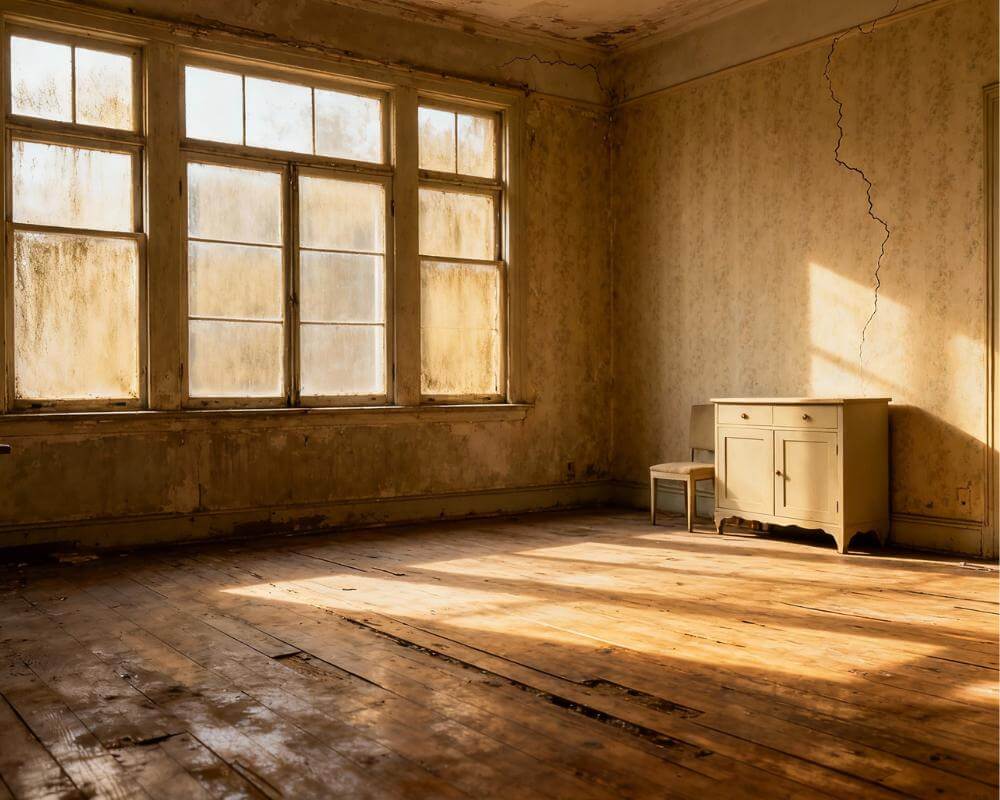
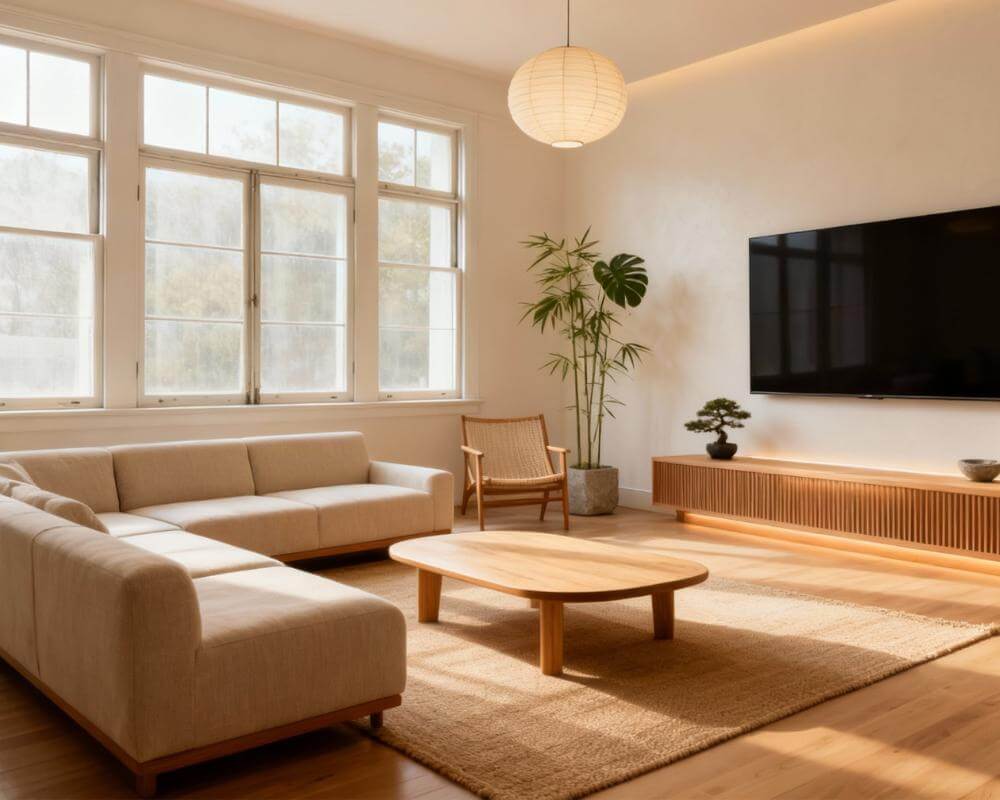
One of you wants clean and minimal, the other wants warm and layered, and the living room has been half-decorated for a year. The fastest way out is to stop arguing in words and start comparing pictures of your own room. DecorAI is an AI interior design app that lets users transform photos of existing rooms into realistic redesign concepts, which makes it a useful neutral referee: you can see both ideas, and a blend of them, on the same photo before anyone buys a thing.
This guide is a step-by-step process for couples, housemates and families who share a space and do not share a taste. It covers how to find the overlap, how to use Moodboards and previews to make each idea visible, practical compromise patterns, and how to make the final call without a standoff.
Key Takeaways
- Disagreements are usually about feelings, not furniture. Name the mood each of you wants first (calm, cozy, bright, dramatic), then pick the objects.
- Look for overlap before compromise. Colors, materials and light levels often agree even when the style names do not.
- Make both ideas visible. A preview of each option on your own room photo ends most debates faster than a description.
- Blend with a rule. One shared base plus one personal zone each beats a bit of everything everywhere.
- Decide with a checklist. Agree the criteria (budget, comfort, upkeep, mood) before you look at the options.
- Try DecorAI free to preview both versions of your room from one photo.
What Are You Really Disagreeing About?
When two people argue about a sofa, they are rarely arguing about the sofa. One person may be picturing a calm place to switch off after work; the other may be picturing a room that feels welcoming to guests. Another common split is about what the room says about you: tidy and modern, or collected and lived-in. Until you say those things out loud, every product choice becomes a proxy fight.
Start with ten minutes and no pictures. Each of you completes three sentences separately, then you swap:
- "When I walk into this room I want to feel ..."
- "The thing I would hate to see here is ..."
- "The one thing I would really like to keep or add is ..."
You will often find that the feelings match (both of you want calm) while the imagined objects differ. That is good news, because feelings can be served by more than one style. If you are unsure which style names fit those feelings, our guide to how to choose an interior design style is a good neutral starting point.
How Do We Find the Overlap in Our Tastes?
Overlap hides in the details: a color you both keep photographing, a material you both touch in shops, a lighting mood you both prefer. Instead of debating labels such as "Scandinavian" versus "boho", compare ingredients.
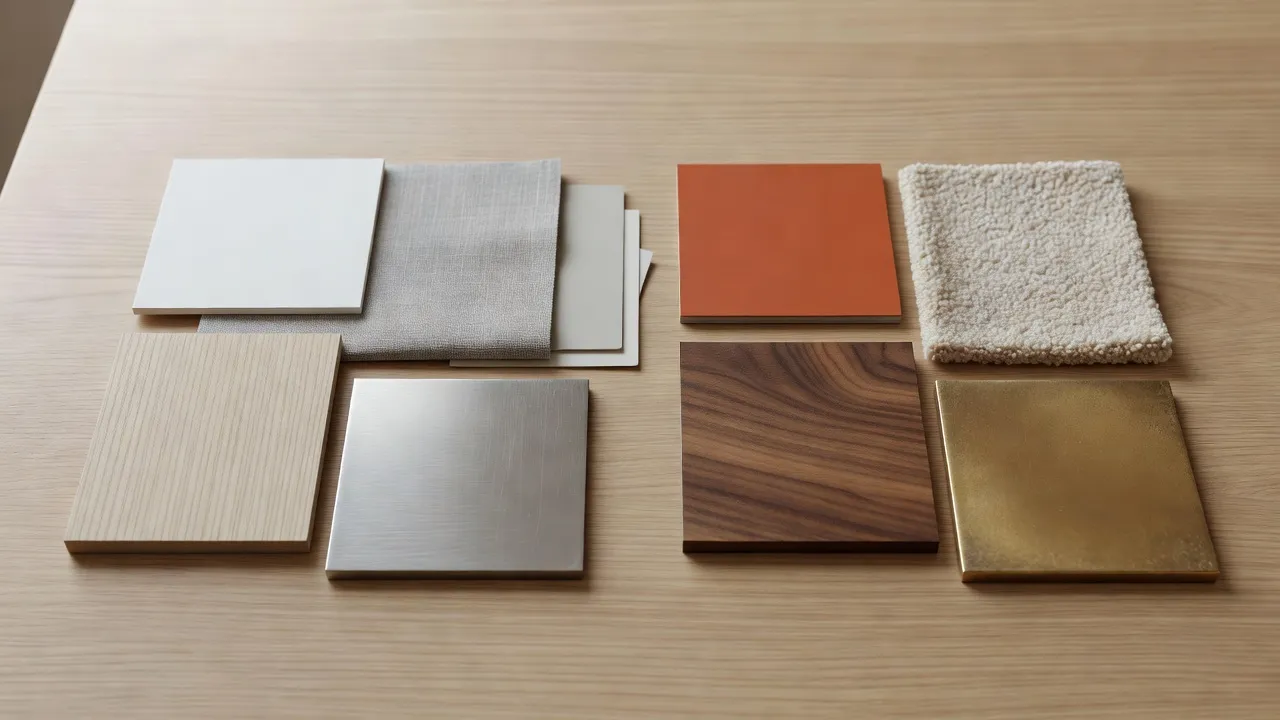
- Colors: pick three each, then circle any that sit next to each other on the color wheel or share the same warmth.
- Materials: wood tone, metal finish and textile texture are often easier to agree on than furniture shapes.
- Light: bright and airy, or low and moody? This one setting changes how every style feels.
- Amount of stuff: sparse, balanced or collected. Agreeing on how much is out on display settles many arguments by itself.
Write the overlap down as a short brief, for example: "warm neutrals, natural wood, soft light, a few meaningful objects." That sentence becomes the backbone of every later decision, and it is exactly the kind of plain-language brief you can give DecorAI as a free-text instruction.
How Can Moodboards Make Each Taste Visible?
Words like "cozy" mean different things to different people. Pictures remove the ambiguity. DecorAI Moodboards are private inspiration boards: you collect reference images, DecorAI measures the real color palette from those images, and then it can redesign a photo of your own room in that look. Each board holds up to 10 images, and free users can keep 2 boards, which is conveniently one for each of you.
- Each person builds a board separately with up to ten images that feel right. Ten is deliberately tight, so choose carefully and leave out anything you are unsure about.
- Compare the measured palettes. Because the palette is taken from the actual pixels of the images, it shows what each board really contains, not what you meant to collect.
- Swap and react. Each of you says what you like about the other board before saying what you do not.
- Use the Notes tab for measurements, paint codes and budget ideas, so inspiration and practical details stay together.
Boards are private to the account that created them, so if you want to look at both together, sit with one device or share screenshots. For the full workflow, including importing from Pinterest and Instagram, see our guide to DecorAI Moodboards, and for building boards from scratch see the AI mood board creator guide.
How Do I Preview Both Ideas on the Same Room?
This is where the argument usually ends. Take one clear photo of the real room and use it for every option, so the only thing that changes is the design. DecorAI tries to keep your real walls, windows and layout, which makes the comparison fair. Designs are usually generated in under 10 seconds, so you can try several directions in the time it takes to make tea.
- Redesign from each Moodboard. Open a board, add the room photo and generate. DecorAI writes a style brief from the whole board and redesigns the room using the board's colors.
- Try Style Transfer with a single favorite image. If one of you has one photo that says it all, use it as the reference. Our AI style transfer guide explains how it differs from a Moodboard redesign.
- Start with a blank page if the room is not built yet. Design Concepts creates a concept from a written description, which is handy when you are still planning a new space.
- Save everything. Every result goes into History, so you can come back to the options later and compare them calmly.
See Both Versions of Your Room — Free
Upload one photo of the room you cannot agree on and watch DecorAI restyle your actual space in seconds, keeping your real windows and layout. Try each of your ideas and the middle ground before you buy a thing.


What Are Practical Ways to Blend Two Styles?
A compromise should not feel like two half-rooms stuck together. These patterns tend to work because each person gets something real, and the room still reads as one design.
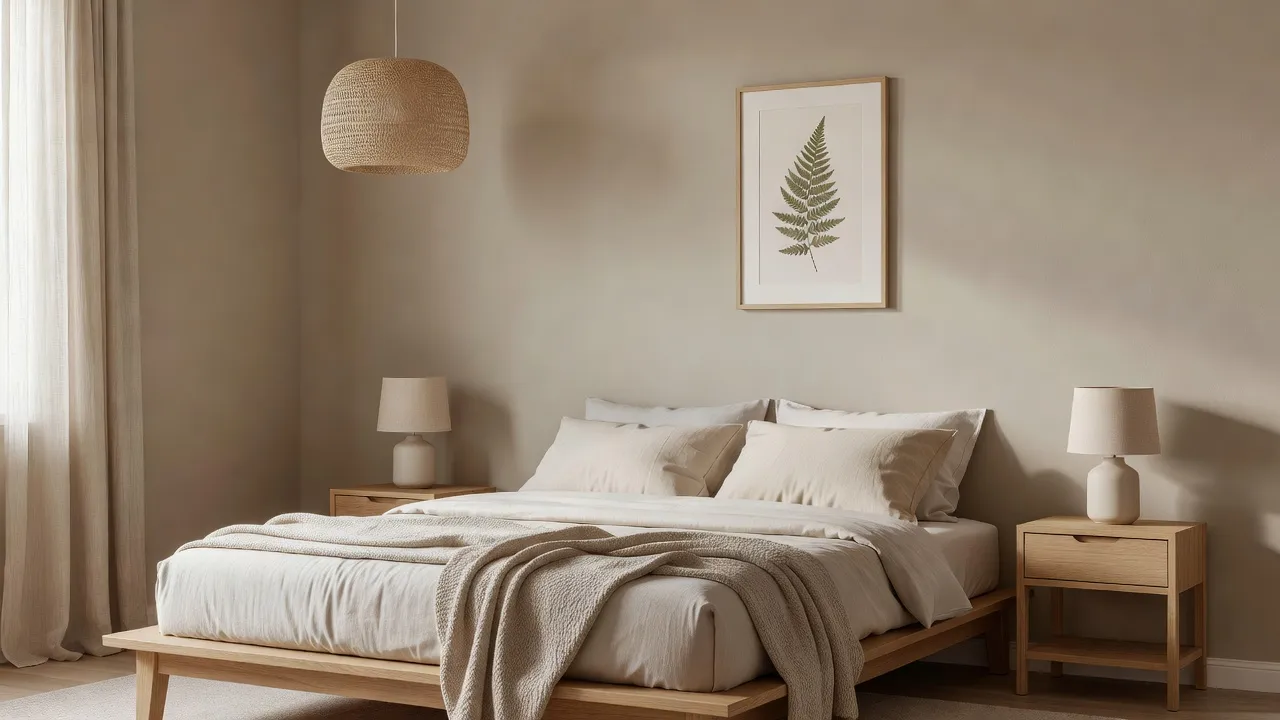
- Shape from one, texture from the other. Clean-lined furniture for the minimalist, layered textiles and a warm palette for the cozy-lover, as in the bedroom above.
- A shared base, personal accents. Agree the big, expensive and hard-to-change items (sofa, flooring, wall color), then let each person choose accents such as art, cushions and lamps.
- One zone each. A reading corner or a desk can carry a different mood from the rest of the room, as long as colors and wood tones connect them.
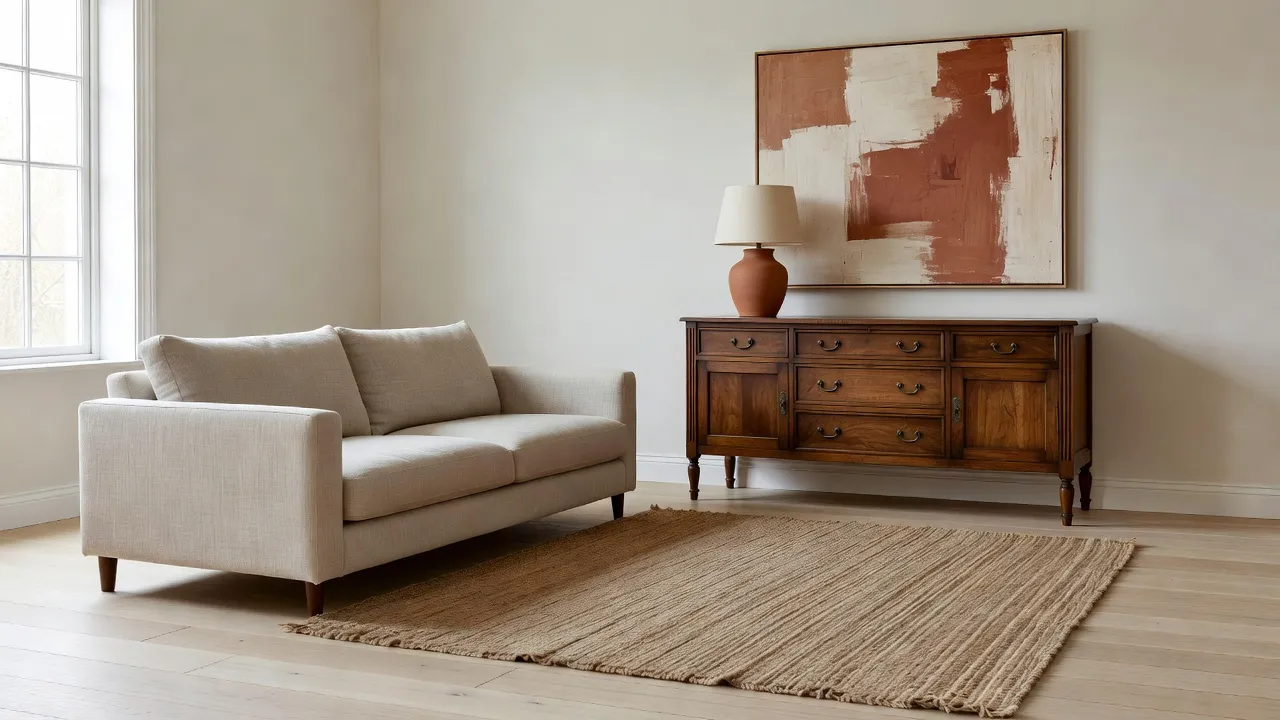
- Old meets new. A single vintage piece in a modern room, like the walnut sideboard in the opening photo, satisfies both camps. Our guide to how to mix interior design styles explains the rules that keep a blend looking intentional.
- Swap rules. Take turns: you choose the living room, your partner chooses the study. Preview each before committing.
How Do We Fine-Tune Without Starting Over?
Once you have a version you both mostly like, the last objections are usually about one item: the rug is too busy, the lamp is wrong, the sofa color is a bit cold. Redoing the whole room for a single object invites a new argument. The Inpainting editor changes only the area you paint over and leaves the rest of the picture as it was, so you can swap one lamp or one cushion color and look again.
If you disagree about practical questions rather than taste, such as whether a bigger sofa will leave enough walking space, the DecorAI chat assistants can act as a neutral third opinion. Milo, the room planner, helps with furniture sizing and traffic flow, and Risa focuses on colour, materials and mood. Chat conversations do not use up your daily design generations. They are advice, not measurements, so always check real dimensions with a tape measure.
How Do We Make the Final Decision?
Agree the rules before you look at the options. A simple scorecard keeps the decision about the room instead of about who wins:
- Pick four criteria together, for example mood, budget, comfort and upkeep.
- Score each option separately from 1 to 5, then compare. Disagreements on a single criterion are easier to talk through than disagreements about everything.
- Sleep on it. Look at the saved designs in History again the next day. The option that still looks right is usually the one.
- Write it down. A Project in DecorAI groups the designs, plan and checklist for one space, so the decision and the next steps live in one place. See our guide to Projects and History.
- Go further with a report. If the choice involves a real budget, a Design Report can turn the winning design into a written summary that can be exported as a PDF with Pro, which is handy for sharing with a contractor or a designer.
One more tip: if you plan to share the final design with friends or family for opinions, sharing is opt-in per design, and posting to the Community is separate and optional.
What Mistakes Make Design Disagreements Worse?
- Debating style names instead of looking at pictures of the actual room.
- Letting one person own every decision because they care more loudly. Quiet preferences still count.
- Buying first and previewing later. Preview on the real photo before ordering anything large.
- Mixing everything. A bit of each style in every corner usually looks accidental. Use a shared base and a few clear accents.
- Treating the AI preview as the final plan. It shows how a design could look; measurements, structure and budget still need checking.
Couples Design FAQ
How do we decorate when we have completely different styles?
Find the shared ingredients first: colors, materials, light and how much to display. Then use a shared base for the large items and give each person a few accents or one zone.
Can AI help us agree on a room design?
Yes. DecorAI lets you redesign a photo of your own room in different looks, so you can compare each person's idea and a blend of both before buying anything. It is a visual preview, not a measured plan.
Can we use one Moodboard together?
You can build one board with up to 10 images, but two separate boards make it easier to see each taste clearly before combining them. Boards are private to the account that created them.
Is it free to try DecorAI on our room?
DecorAI offers three free generations per day without requiring an account or credit card. Free generations are unlocked by watching a short rewarded video advertisement.
Conclusion
Agreeing on a room is easier when you swap arguments for evidence: name the feeling you both want, find the overlap in colors and materials, make each idea visible, and compare the options on one photo of the real room. A shared base with a few personal touches usually gives both of you something to love. When you are ready to see the options, upload a photo to DecorAI, generate a version for each of you and one in between, and keep the one that feels right. For more starting points, browse our living room design ideas or explore the full DecorAI feature directory.
Visualize Your Dream Home Instantly
Don't just read about it. Experience the power of AI interior design with DecorAI's free tool.
Start Designing for FreeWritten by
DecorAI Team
Editorial Team
Related Articles
How to Choose a Sofa for Your Living Room: Size, Fabric, Shape and a Preview Before You Buy
9 min read
How to Decorate a Fireplace Mantel: Balance, Layers and an AI Preview Before You Hang Anything
9 min read
How to Style a Bookshelf: Shelf-by-Shelf Ideas You Can Preview With AI
9 min read