How to Choose a Mirror: Size, Shape, Placement and Light
A practical guide to choosing a mirror: decide what it is for, size it to the wall or furniture below, pick a shape and frame, place it to catch light and a good view, and preview mirrors on a photo of your own room with AI.
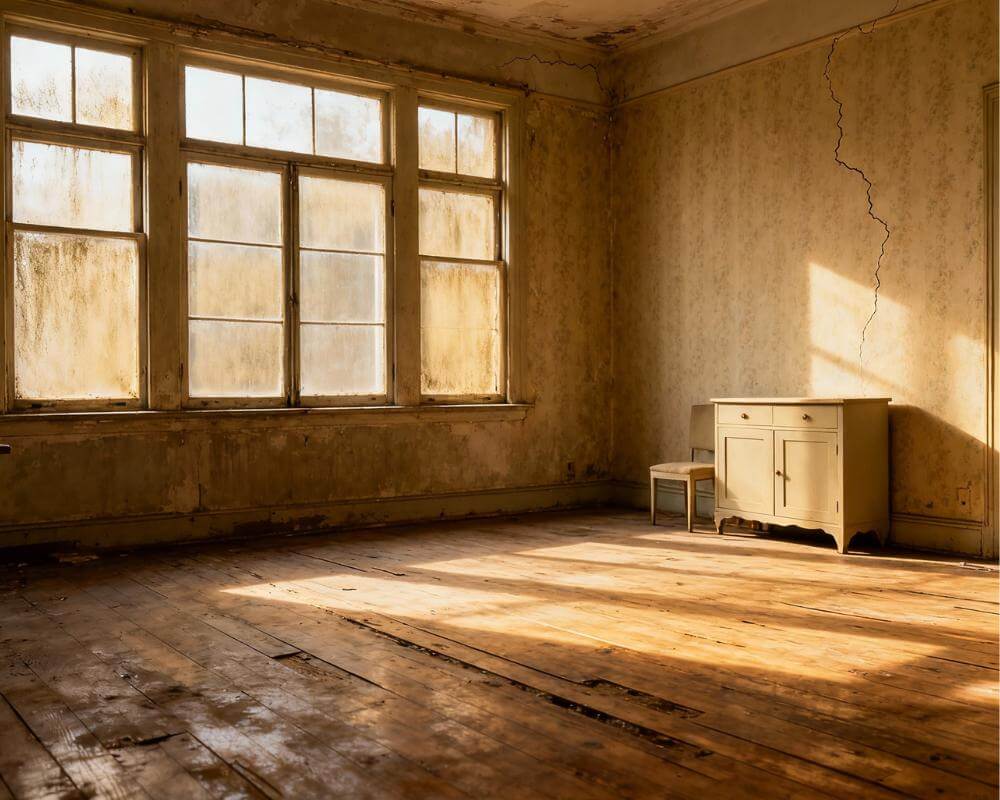
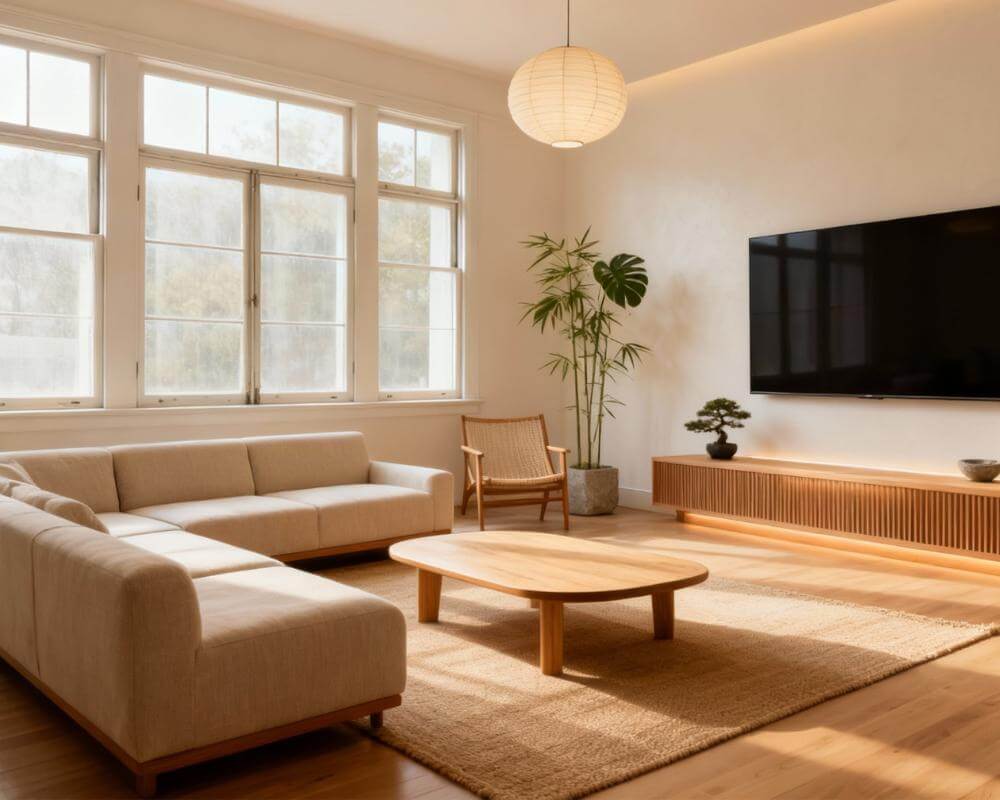
A mirror is one of the few pieces of decor that does two jobs at once. It is useful, because you check your outfit or your hair in it, and it changes how a room looks by bouncing light and views around. It is also easy to get wrong. A mirror that is too small looks lost, one that is too big can overwhelm a wall, and one that faces the wrong direction reflects a bin or a bare wall instead of the window. Choosing a mirror comes down to a few practical questions: what it is for, how big it should be, what shape and frame suit the room, and where it should hang. DecorAI is an AI interior design app that lets users transform photos of existing rooms into realistic redesign concepts. With it you can see a mirror on your own wall before you drill a hole.
This guide explains how to decide what the mirror is for, work out the right size, choose a shape and frame, place it for light and view, and preview your shortlist with DecorAI.
Key Takeaways
- Start with the job. A mirror for checking your outfit, one that brightens a dark corner and one that finishes a console table all need different sizes and heights.
- Size it to what is below. A common rule of thumb is a mirror about two thirds to three quarters the width of the sofa, console or vanity under it.
- Check what it will reflect. Hang a mirror opposite a window or a pleasant view, not opposite clutter or a blank wall.
- Let the room choose the shape. Round mirrors soften a room full of straight lines, while tall rectangles add height and suit narrow walls.
- Preview before you buy. DecorAI generates designs from your own room photo in usually under 10 seconds, and offers three free generations per day without requiring an account or credit card.
- Try DecorAI on a photo of the wall you have in mind.
What Do I Need the Mirror For?
Decide the job before you look at a single frame. Most mirrors fall into one of four roles, and each one points to different choices.
- Getting ready. A full-length mirror in a bedroom or hallway where you check your whole outfit. Height matters most here, so look for one that shows you from head to toe.
- Grooming. A bathroom or dressing mirror at face height with even light on both sides.
- Light and space. A mirror placed to catch a window and make a dark or narrow room feel wider and brighter.
- Decoration. A feature piece above a console, fireplace or bed, chosen for shape and frame as much as for reflection.
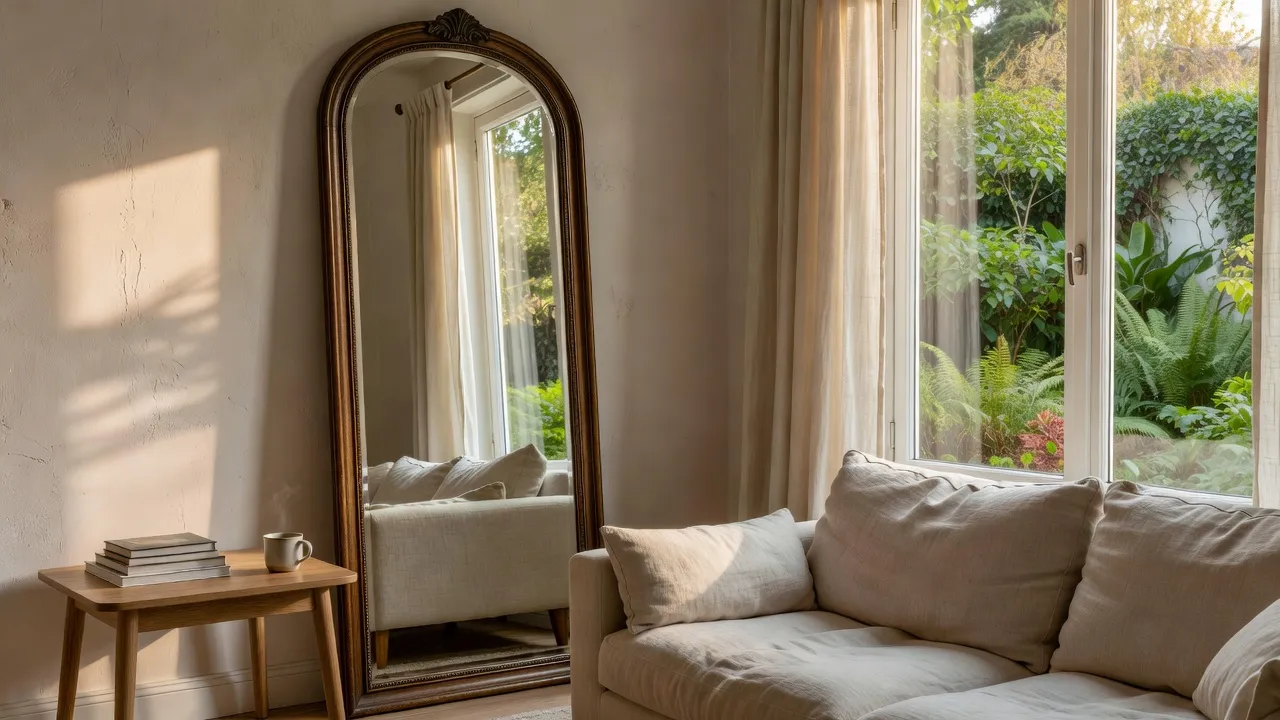
Many mirrors do two of these. A large leaning mirror, for example, can be both an outfit check and a way to spread daylight. If the room feels gloomy, our guide to making a dark room feel brighter covers mirrors alongside lighting and colour.
How Big Should a Mirror Be?
Size is where most mirror mistakes happen. These are general design rules of thumb, so adjust them to your own wall and measure before you buy.
- Relate it to the furniture. Over a sofa, console, dresser or vanity, a mirror about two thirds to three quarters of the furniture width looks balanced. Narrower looks timid and wider can look top-heavy.
- Leave breathing room. Keep roughly 4 to 8 inches (10 to 20 cm) between the bottom of the mirror and the top of the furniture, so the two read as a pair without touching.
- Hang it at eye level. The centre of a wall mirror usually sits around 57 to 60 inches (145 to 152 cm) from the floor. Adjust for the people who use it most.
- Go tall for outfit checks. A full-length mirror around 60 inches (150 cm) or taller lets most adults see themselves head to toe.
- Be bold in big spaces. An oversized mirror can look intentional on a large wall. In a small room, one big mirror often works better than several small ones.
Cut a piece of paper or cardboard to the mirror's size, tape it to the wall and live with it for a day. If it still looks right, you have your size.
Which Mirror Shape Suits My Room?
Shape sets the mood. Think about the lines already in the room and choose a shape that either complements or gently contrasts with them.
- Round and oval. They soften rooms full of right angles, such as a boxy hallway or a kitchen with square cabinets. They work well above a console or a bedside table.
- Rectangular. The classic choice for a vanity or a mantel. Horizontal rectangles widen a wall, and vertical rectangles add height.
- Arched. A tall arch adds a touch of architecture and suits a leaning full-length mirror.
- Square. Tidy and modern, and a good fit for compact spaces and as part of a grouping.
- Irregular or organic. Wavy edges and asymmetrical shapes work as sculptural accents in modern and wabi-sabi rooms.
What Frame and Finish Should I Choose?
The frame ties the mirror to the rest of the room. Match one existing element rather than everything.
- Thin metal. Brass, black or brushed nickel suit modern and minimalist rooms. Echo the finish of a lamp, a tap or a curtain rail.
- Wood. Natural oak or walnut warms a Scandinavian or Japandi room. Dark carved wood suits traditional and eclectic spaces.
- Ornate and gilded. A statement piece for a classic room, or a deliberate contrast in a plain one.
- Frameless. Clean and light, and a good option when you want the reflection to take centre stage. Check the edge finish and how it is fixed.
- Glass quality. Look at the mirror in person if you can. Poor glass can distort your reflection, and some antique-style glass is intentionally spotted.
Where Should I Hang a Mirror?
Placement decides what the mirror actually does. Before you pick a spot, stand where the mirror would be and look at what it would reflect.
- Opposite or beside a window. This bounces daylight into the room and doubles a pleasant view of trees or sky.
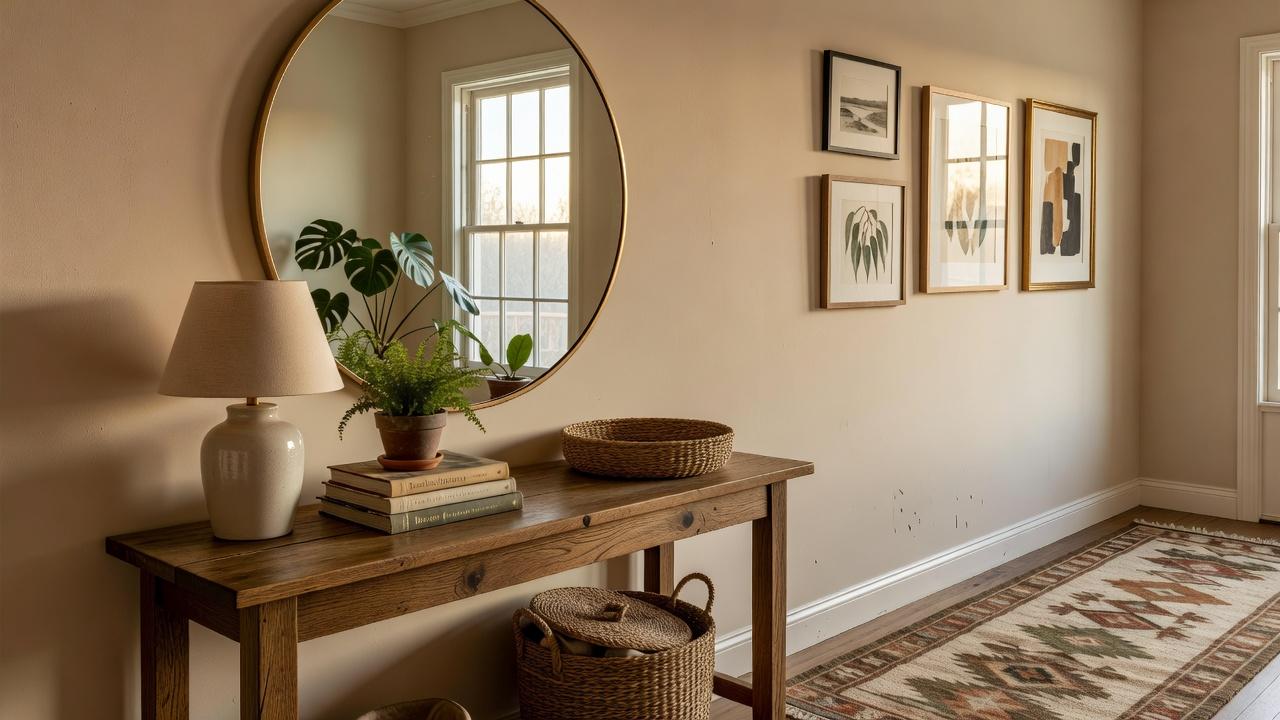
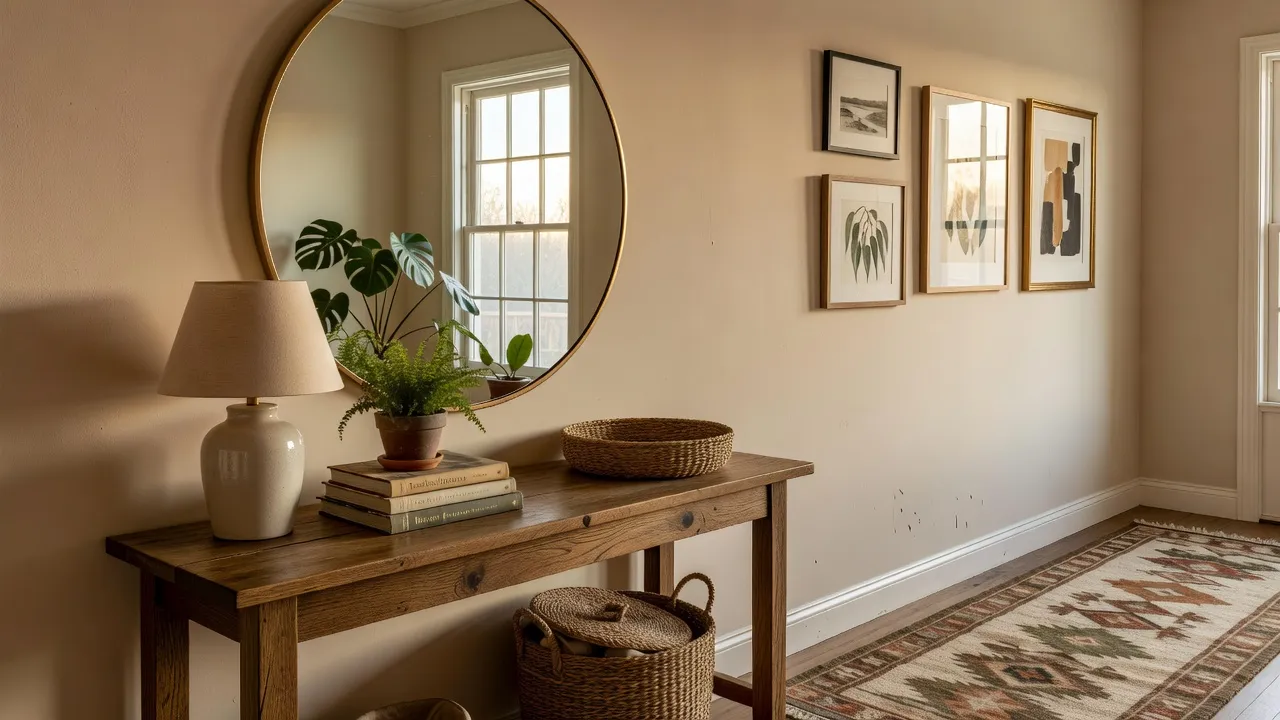
- In an entryway. A mirror above a console gives a last check before you leave and makes a narrow hall feel wider. Our guide to entryway and foyer design shows layouts, and the one on styling a console table shows what to put underneath.
- Above a fireplace or sofa. Keep it centred on the piece below, and make sure it does not reflect a glaring light or the TV.
- Behind or near a lamp. Light reflected in a mirror gives a soft glow in the evening, but avoid direct glare from bare bulbs.
- In the dining room. A mirror on a side wall adds depth and reflects candlelight. Keep it where you will not be looking at your own plate.
- Avoid the bin view. Check what the mirror would show from the main seat in the room, and move it if the answer is clutter.
If you want a group of mirrors or a mix with art, plan the layout first. The guide to planning a gallery wall with AI works for mirrors too.
See a Mirror on Your Wall Before You Buy
Upload a photo of your room and try different mirror shapes, sizes and frames in place. Compare the options in seconds before you order anything.


How Do I Choose a Bathroom or Vanity Mirror?
Bathroom mirrors work hardest, and the details matter. The wall and the light around the mirror matter as much as the glass.
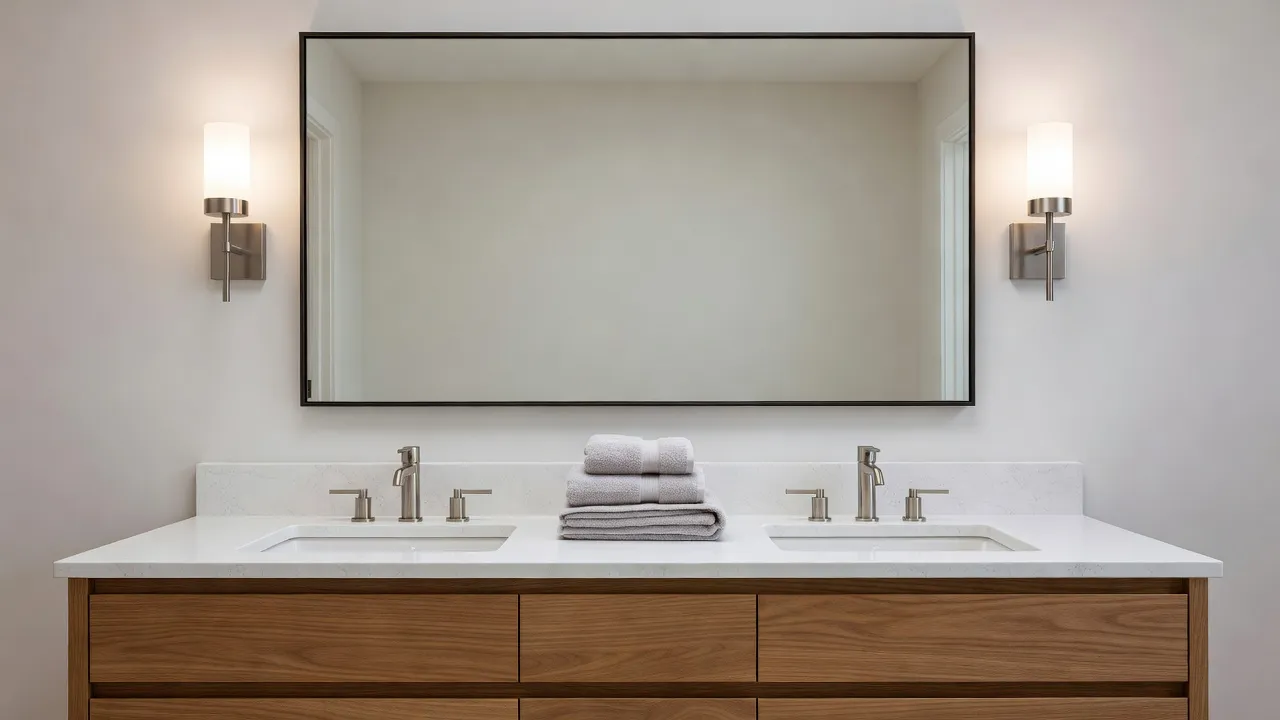
- Match the vanity width. A mirror slightly narrower than the vanity looks tidy. Over a double vanity, use one wide mirror or two matching ones, one over each basin.
- Light the face, not the ceiling. Wall lights on both sides of the mirror at about face height give more even light than a single fixture overhead. See our guide to AI lighting design for more.
- Pick a moisture-friendly finish. Look for a sealed back and a frame that suits damp rooms, such as coated metal or sealed wood.
- Think about height. Hang the mirror so that the shortest and tallest user can both see their face comfortably.
How Can I Preview a Mirror Before I Buy It?
Mirrors are awkward to return and tricky to judge from a product photo, because the result depends on your wall, your light and what the glass would reflect. A visual preview solves most of that.
- Photograph the wall. Take a straight, well-lit photo of the wall and the furniture below it, with a bit of the room around it.
- Upload it to DecorAI. Choose a style that matches your room, and generate a redesign concept. DecorAI generates designs in usually under 10 seconds.
- Try several versions. Compare a round and a rectangular mirror, a thin brass frame and a dark wood one, and a large and a medium size. Keep the winner.
- Use it as a guide. The result is a visual preview, not a measured plan. Tape your chosen size on the wall and check the real dimensions before you order.
What Are the Most Common Mirror Mistakes?
- Hanging it too high. The mirror should relate to the furniture and to eye level, not to the ceiling.
- Choosing too small. A small mirror on a big wall looks like an afterthought.
- Ignoring the reflection. What the mirror shows matters as much as the mirror itself.
- Forgetting the weight. Large glass is heavy. Use fixings rated for the weight and the wall type, and secure leaning mirrors where children or pets may knock them.
- Mirroring everything. One or two well-placed mirrors do more than a wall of them.
Mirror FAQ
How big should a mirror above a console table be?
As a rule of thumb, choose a mirror about two thirds to three quarters of the console's width, hung a few inches above it. Always check the measurements against your own wall.
How high should I hang a wall mirror?
A common guide is to centre the mirror at around 57 to 60 inches (145 to 152 cm) from the floor. If it hangs above furniture, leave a gap of a few inches between the two.
Does a mirror make a small room look bigger?
It can. A mirror that reflects a window or a pleasant view spreads light and adds a sense of depth. It does not change the real size of the room, and a mirror that reflects clutter makes the room feel busier.
Can AI help me choose a mirror?
Yes. DecorAI takes a photo of your actual room and generates redesign concepts in different styles, so you can compare mirror shapes and sizes before you buy. It is a visual preview, not a measured plan.
Is it free to try DecorAI on my room?
DecorAI offers three free generations per day without requiring an account or credit card. Free generations are unlocked by watching a short rewarded video advertisement.
Conclusion
The right mirror has a clear job, a size that matches the wall or furniture below it, a shape and frame that suit the room and a spot where it reflects something worth seeing. Start by deciding what it is for, tape the size on the wall and check what it would reflect. Before you buy, upload a photo of your room to DecorAI, try your shortlist and keep the mirror that looks right in your own light. For more ideas, explore the full DecorAI feature directory.
Visualize Your Dream Home Instantly
Don't just read about it. Experience the power of AI interior design with DecorAI's free tool.
Start Designing for FreeWritten by
DecorAI Team
Editorial Team