AI Moroccan Interior Design: The Complete Style Guide
A complete guide to AI Moroccan interior design — the riad-inspired look built on hand-cut zellige tile, tadelakt plaster, carved wood, and jewel-toned textiles layered over a neutral Beni Ourain rug. Learn the palette, materials, and layout rules that define the style, then preview it on your real room with AI.
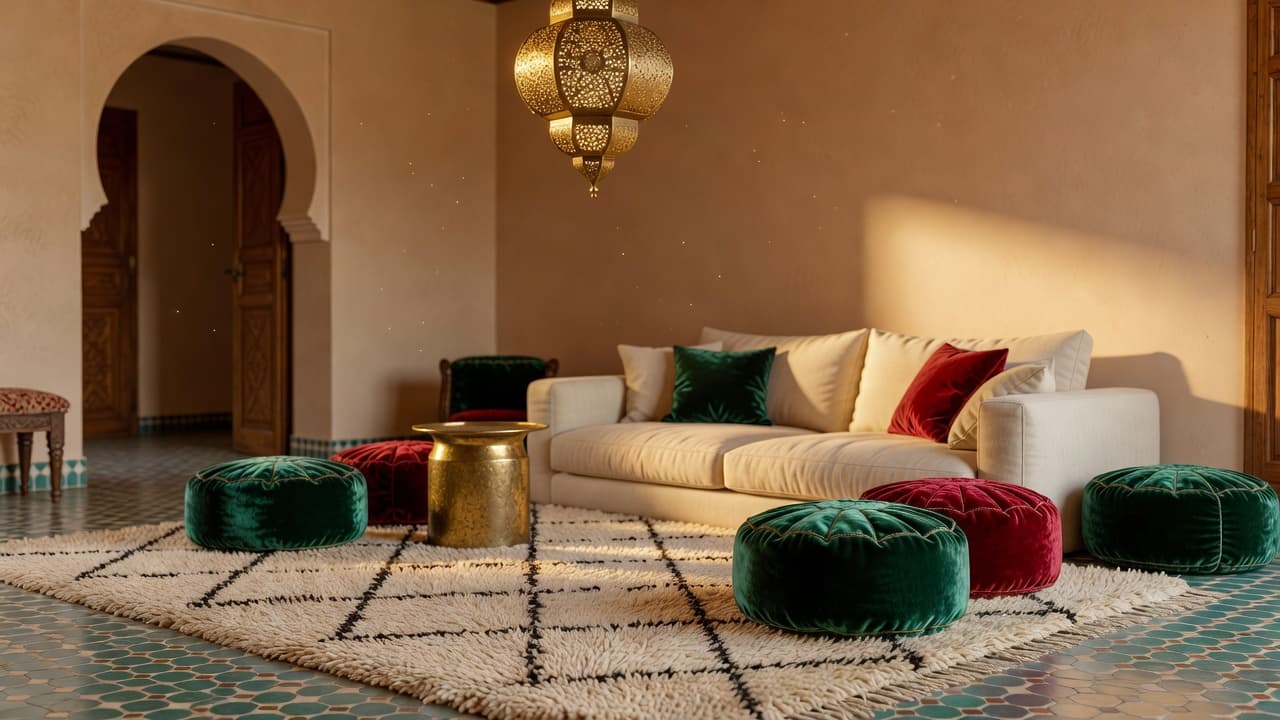
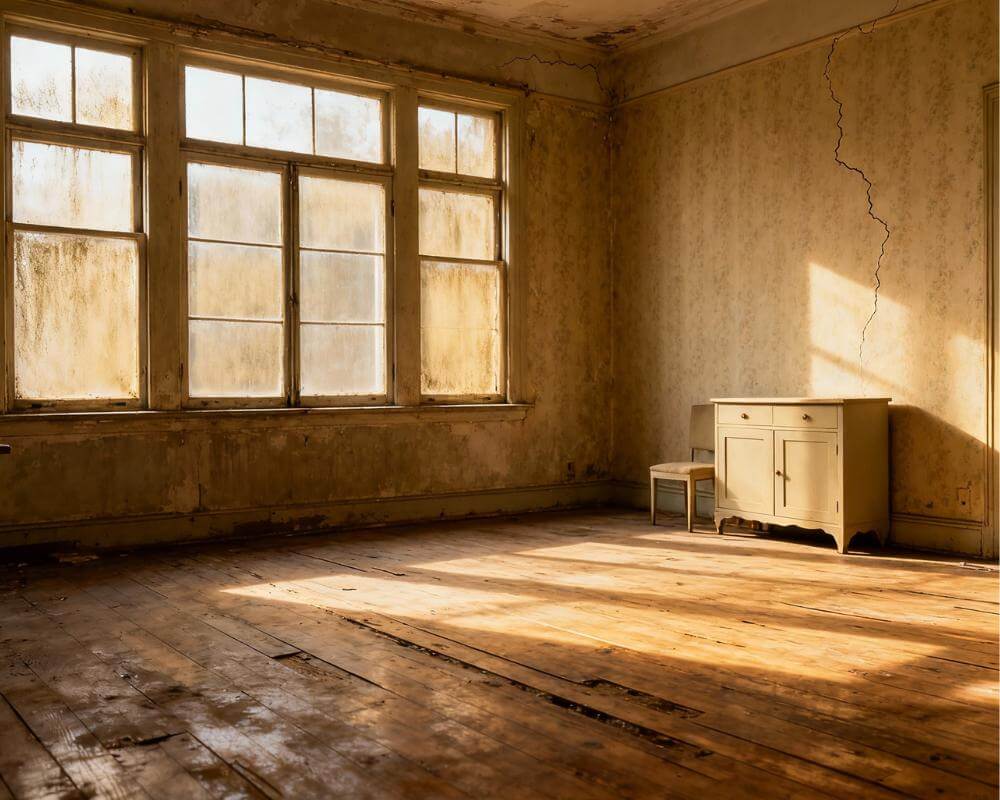
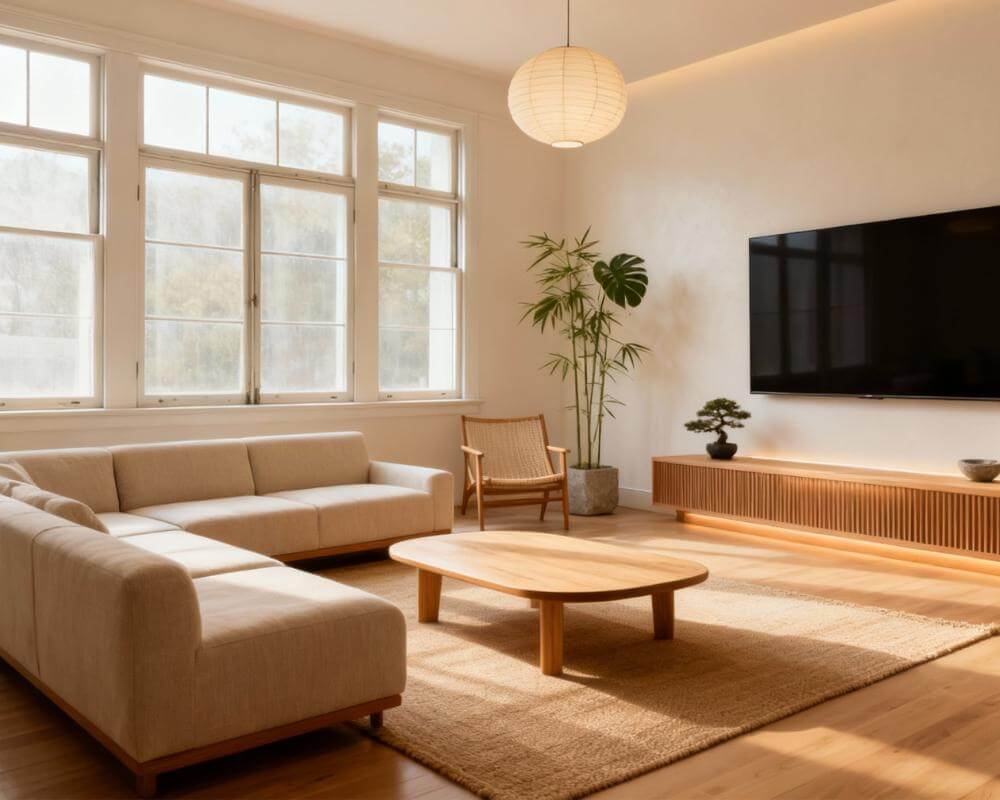
AI Moroccan interior design takes the layered, jewel-toned look of a riad courtyard — hand-cut zellige tile, brass lanterns, carved wood, and a stack of patterned textiles — and lets you preview it on your own room before buying a single lantern. DecorAI is an AI interior design app that lets users transform photos of existing rooms into realistic redesign concepts. Instead of guessing whether a deep emerald pouf and a brass filigree lamp will actually work with your real walls and window light, you upload a photo and see the whole room rendered in Moroccan style in seconds.
Moroccan design draws on centuries of riad and kasbah interiors — hand-cut geometric zellige tile, hand-troweled tadelakt plaster, carved cedar screens, and jewel-toned textiles layered over a neutral Beni Ourain rug — and it reads as rich and collected rather than chaotic when the pattern has a plain surface to rest against. It's become one of the most Pinterest- and TikTok-searched global styles for exactly that reason: the mix of pattern, worked metal, and saturated color photographs beautifully. This guide covers what actually defines the look, the palette and materials that make it convincing, how it differs from bohemian and Mediterranean style, how to apply it room by room, and how to preview the whole thing on your own room with AI before buying anything.
Key Takeaways
- Moroccan interior design pairs intricate pattern — zellige tile, carved wood, patterned textiles — with a plain neutral base, usually an ivory Beni Ourain rug, so the room reads as rich rather than cluttered.
- Jewel tones carry the color: deep emerald, sapphire, ruby, and saffron, set against warm neutral walls and aged brass metalwork.
- It's not the same as bohemian or Mediterranean — Moroccan is more architecturally specific and North African than bohemian's loose global mix, and warmer and more ornamented than Mediterranean's breezy coastal palette.
- Arches and brass do the architectural signaling: a horseshoe or keyhole arch shape and a pierced brass lantern read as Moroccan faster than any single fabric.
- AI lets you preview pattern-heavy furniture and tile on your real room before buying pieces that are hard to picture from a product photo alone.
- Try DecorAI free to test the Moroccan look in your own room before buying anything.
What Is Moroccan Interior Design?
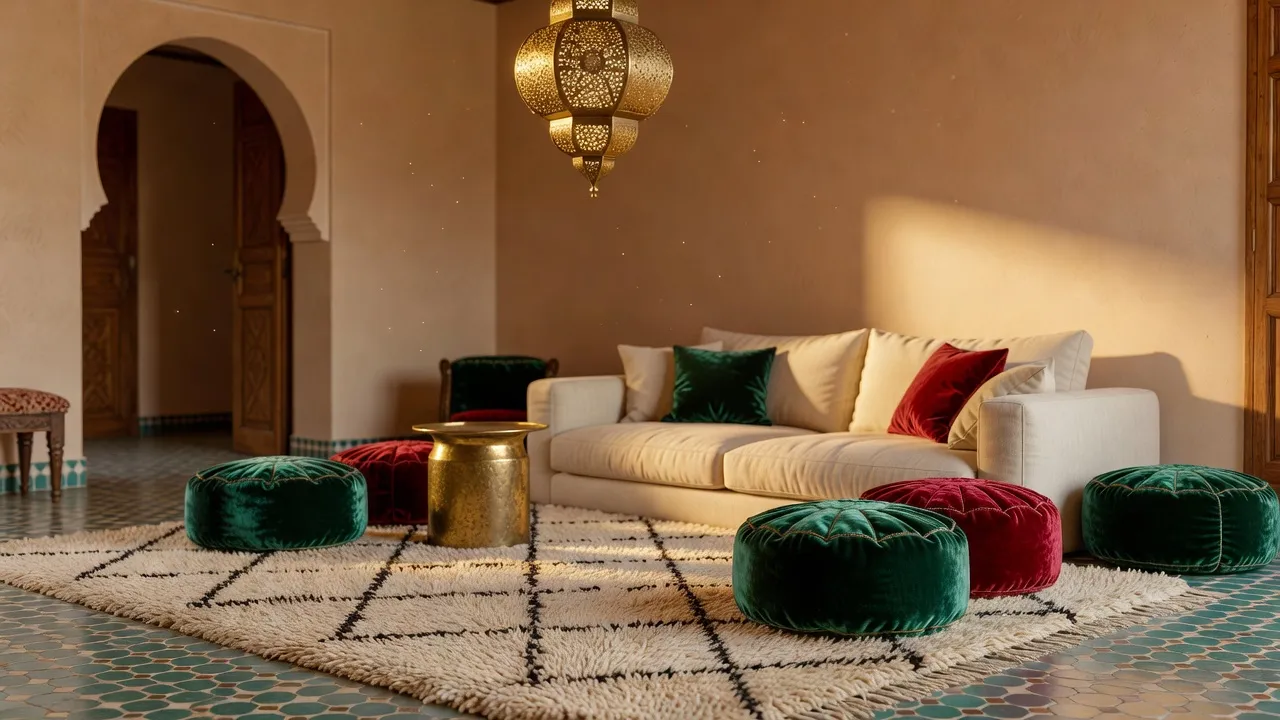
Moroccan interior design takes its cues from riads — traditional Moroccan homes built around a central courtyard — and kasbahs, where hand-cut geometric zellige tile covers floors and low walls, carved cedar wood forms doorways and screens, and hand-troweled tadelakt plaster gives walls a soft, slightly reflective sheen. Furniture stays low: floor cushions, poufs, and low banquette seating built for a courtyard climate, layered with patterned textiles in jewel tones and topped with hammered brass or wrought-iron lanterns that scatter cut-out light across the walls after dark.
It shares its love of pattern and texture with bohemian design and its warm, sun-drenched palette with Mediterranean design, but it isn't doing either job exactly: it's more architecturally specific than bohemian's loose, souvenir-shop mix of global patterns, and more ornamented and jewel-toned than Mediterranean's breezy, mostly-white coastal look. Moroccan's specific signature is the combination — a horseshoe arch, hand-cut tile, and a pierced brass light working together, with a plain neutral rug underneath to keep the pattern from competing with itself.
What Colors Work in a Moroccan Palette?
The palette runs warm and saturated, with one or two jewel tones doing the work against a neutral base. For a broader guide to building a room-wide scheme, see our AI color palette room design guide.
- Ivory and warm white: the base wall and rug tone in almost every genuine Moroccan room — a plain canvas the pattern and jewel tones sit on top of.
- Deep emerald and sapphire: the two most common jewel accents, used on cushions, a single upholstered piece, or a run of tile.
- Saffron and terracotta: warm accent tones pulled from spice markets, used sparingly on textiles or a painted niche.
- Ruby and burgundy: a deeper red accent, often carried by a single rug or a stack of floor cushions.
- Brass, copper, and aged gold: the metal finish that carries through lanterns, trays, and hardware — never chrome or brushed steel.
The rule that keeps a Moroccan palette from feeling chaotic: pick one or two jewel tones plus brass, keep the walls and the main rug neutral, and let the pattern in the tile and textiles carry the rest of the color.
What Furniture and Materials Define Moroccan Style?
Pattern and hand-worked material do the job architecture does in other styles — a piece earns its place by looking hand-made rather than mass-produced.
Zellige tile
Hand-cut, glazed geometric tile — traditionally a single saturated color per piece, laid so the irregular edges and slight color variation show — covers floors, backsplashes, and low courtyard walls. It's the clearest single material signal of the style; a printed tile-look vinyl gets close, but a hand-cut, slightly uneven surface is what makes the real thing convincing.
Tadelakt plaster walls
A hand-troweled, waterproofed lime plaster finish traditionally used in Moroccan hammams and courtyards, tadelakt gives a wall a soft, slightly reflective sheen with visible hand-applied texture — a look flat modern paint can't fully fake, though a warm, low-sheen paint in a similar tone gets closer than anything high-gloss.
Carved wood and mashrabiya screens
Cedar or walnut carved into geometric lattice screens (mashrabiya), arched doorways, and low tables inlaid with mother-of-pearl or metal add texture and, in the case of screens, a way to filter light and privacy without a solid wall.
Layered Beni Ourain rugs
An ivory wool rug with a bold black geometric diamond pattern, traditionally hand-woven by Morocco's Beni Ourain tribes, is the style's most important neutral: it anchors a jewel-toned, pattern-heavy room the same way a plain rug does for Scandinavian design — by giving the eye one calm surface to land on.
Hammered brass and wrought-iron lanterns
Pierced brass or wrought-iron lanterns, hung singly or clustered at different heights, throw cut-out light patterns across the walls after dark and do more to signal the style than almost any other single object. See our AI lighting design guide for more on choosing and placing statement fixtures.
See Your Room Go Moroccan — Free
Upload one photo and watch DecorAI restyle your actual room with zellige tile, brass lanterns, and a layered Beni Ourain rug in seconds, keeping your real windows and layout. Test the pattern and color before you commit to furniture that's hard to picture from a product photo.


How Is Moroccan Different From Bohemian or Mediterranean Style?
All three styles share warmth, pattern, and a global point of view, but they land in different places. Bohemian design mixes patterns and textiles from many cultures at once with no single architectural anchor, where Moroccan stays specific — zellige tile, carved arches, and Beni Ourain rugs, all from one visual tradition. Mediterranean design shares Moroccan's warm climate and whitewashed walls but stays breezier and lighter — blue and white, linen, and minimal pattern — where Moroccan leans into saturated jewel tones and dense ornament. The simplest way to tell them apart in a photo: bohemian reads as eclectic and collected from everywhere, Mediterranean reads as coastal and airy, Moroccan reads as architectural and jewel-toned — tile, arches, brass, and one calm neutral rug holding it all together.
How Do I Apply Moroccan Style Room by Room?
The core ingredients — pattern, jewel tones, brass, and a neutral rug to anchor it all — stay constant. Only the anchor pieces change by room.
Moroccan living room
A low sofa or banquette, a cluster of jewel-toned floor poufs, a pierced brass lantern, and a Beni Ourain rug give the room its layered, courtyard feel. Our AI living room design ideas guide has more ways to layer a room like this.
Moroccan bedroom
A carved wood headboard, jewel-toned bedding layered over crisp white linens, a single patterned rug, and a small brass pendant keep the room rich without feeling heavy. See our AI bedroom design guide for more layout and lighting options.
Moroccan bathroom
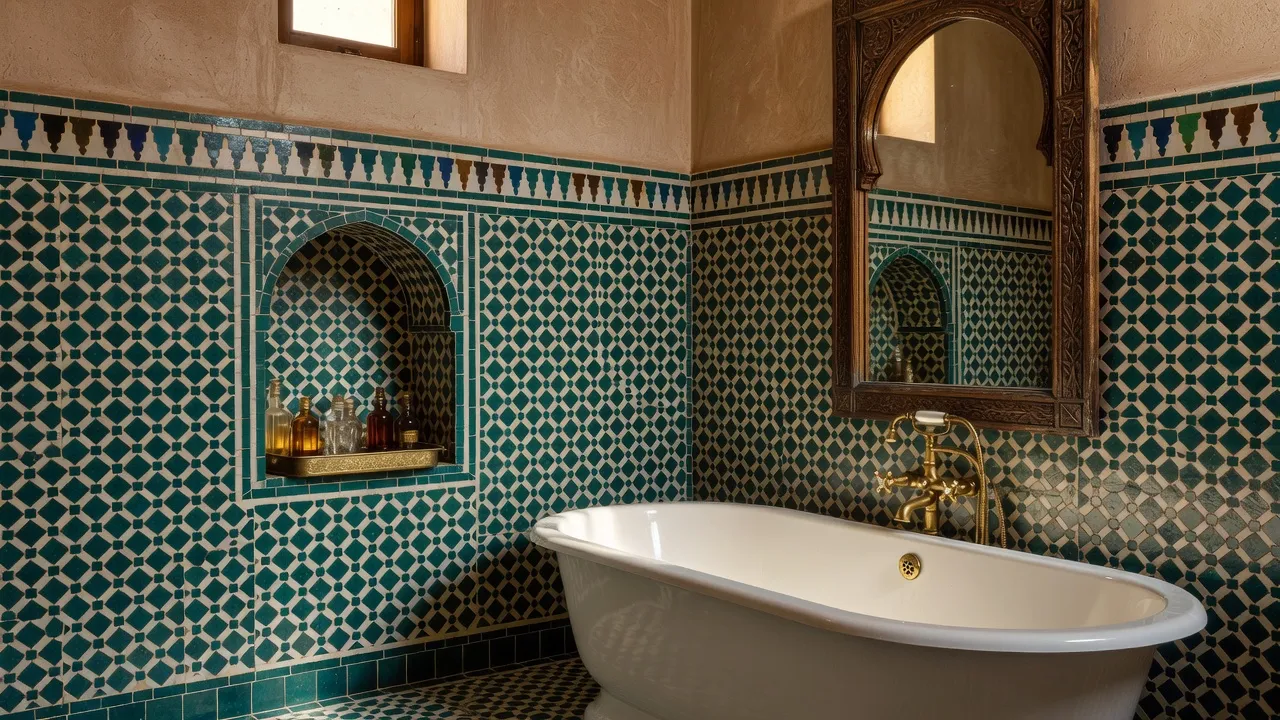
Zellige tile on the walls or floor, a carved wood mirror frame, and brass fixtures turn an ordinary bathroom into the style's most convincing room, since tile and water were always central to a real hammam. Our AI bathroom design guide covers more layout options for tiled, wet-area spaces.
What Are Common Moroccan Design Mistakes to Avoid?
- Skipping the neutral rug. A room with jewel-toned textiles, patterned tile, and a patterned rug all at once reads as chaotic rather than rich — an ivory Beni Ourain rug is what lets the rest of the pattern work.
- Using too many jewel tones at once. Four or five saturated colors fighting for attention reads as random rather than intentional — one or two jewel tones plus brass is the rule.
- Skipping the arch or carved detail entirely. A room with jewel-toned cushions but no horseshoe arch, carved screen, or brass lantern reads as generic global-eclectic rather than specifically Moroccan.
- Using printed tile-look vinyl everywhere. It's a reasonable substitute in one place, but relying on it throughout loses the hand-cut, slightly uneven texture that makes zellige convincing.
- Skipping the preview. Pattern-heavy tile and furniture are hard to judge from a single product photo — visualize it on your real room with AI before buying anything large or hard to return.
Moroccan Interior Design FAQ
What is Moroccan interior design?
Moroccan interior design is a style built on riad and kasbah architecture — hand-cut zellige tile, tadelakt plaster, carved wood arches and screens — furnished with jewel-toned textiles and brass lanterns, layered over a neutral rug such as a Beni Ourain.
What colors are used in Moroccan rooms?
An ivory or warm white base with one or two saturated jewel tones — commonly emerald, sapphire, saffron, or ruby — plus aged brass and copper metalwork throughout.
Is Moroccan interior design the same as bohemian or Mediterranean style?
No. Bohemian mixes patterns and textiles from many cultures with no single architectural anchor. Mediterranean is breezier and lighter, built on blue, white, and linen. Moroccan is more architecturally specific — zellige tile, carved arches, and jewel tones from one visual tradition.
Can AI design a Moroccan room from my photo?
Yes. Upload a photo of your room to DecorAI, choose the Moroccan style, and the AI redesigns your real space photorealistically in seconds — keeping your actual windows and layout while applying the zellige tile, brass lanterns, and jewel-toned textiles the style depends on.
Does Moroccan style work without real architectural features like arches or tile?
Yes — the look translates without them. A patterned rug and jewel-toned cushions carry much of the effect on their own, a framed mirror or wall hanging can stand in for a carved arch, and a single pierced brass lantern can carry the style even in a plain rental with no architectural bones at all.
Conclusion
AI Moroccan interior design takes one of the most visually rich looks in decorating — hand-cut tile, carved wood, and confident jewel tones — and lets you see it on your actual room instead of guessing from an inspiration photo taken in someone else's riad. Start with one anchor move — a pierced brass lantern or a Beni Ourain rug — and let AI show you how the pattern and color actually look on your walls before you spend on furniture that's hard to return. Upload a photo to DecorAI to see your room transformed for free, browse the full styles gallery, or head back to the DecorAI homepage to get started.
Visualize Your Dream Home Instantly
Don't just read about it. Experience the power of AI interior design with DecorAI's free tool.
Start Designing for FreeWritten by
DecorAI Team
Editorial Team