AI Countertop Visualizer App: See New Countertops on Your Real Kitchen First
A complete guide to using an AI countertop visualizer app to preview quartz, granite, marble, or butcher block directly on a photo of your real kitchen island or counters before you order a single sample — how the technology works, comparing countertop materials, matching a countertop to your cabinets and backsplash, and the most common countertop mistakes.
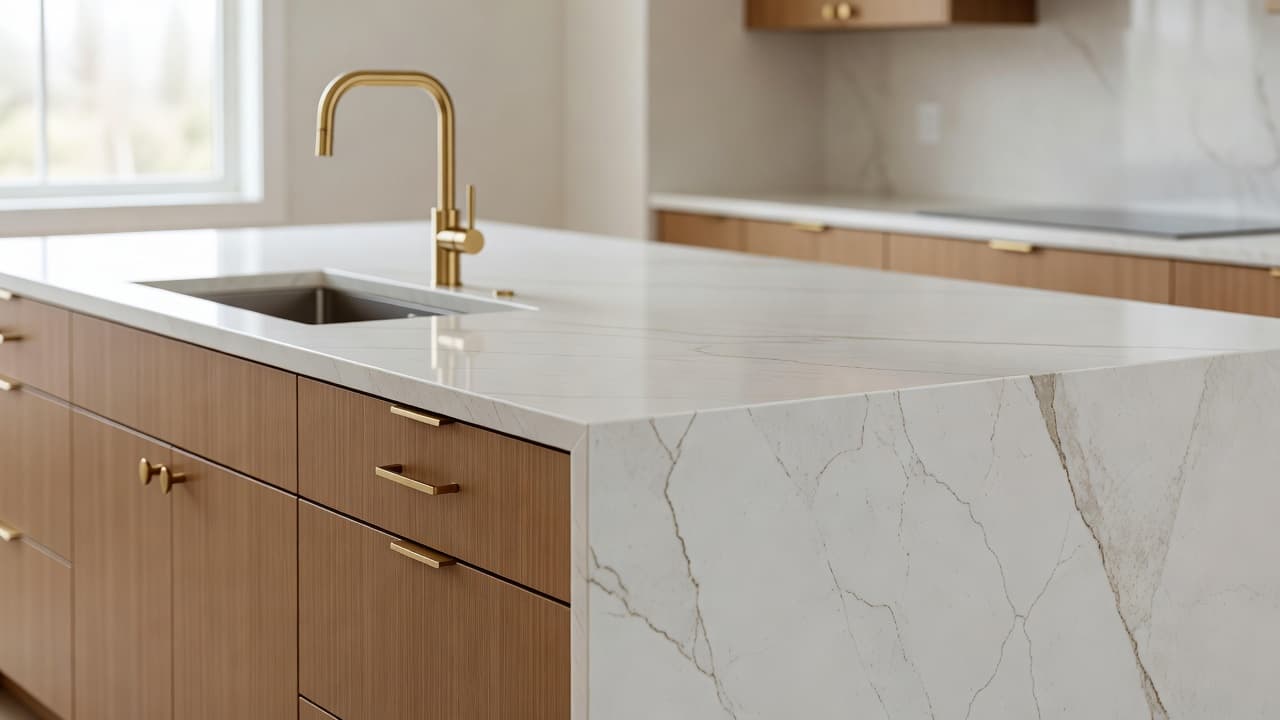
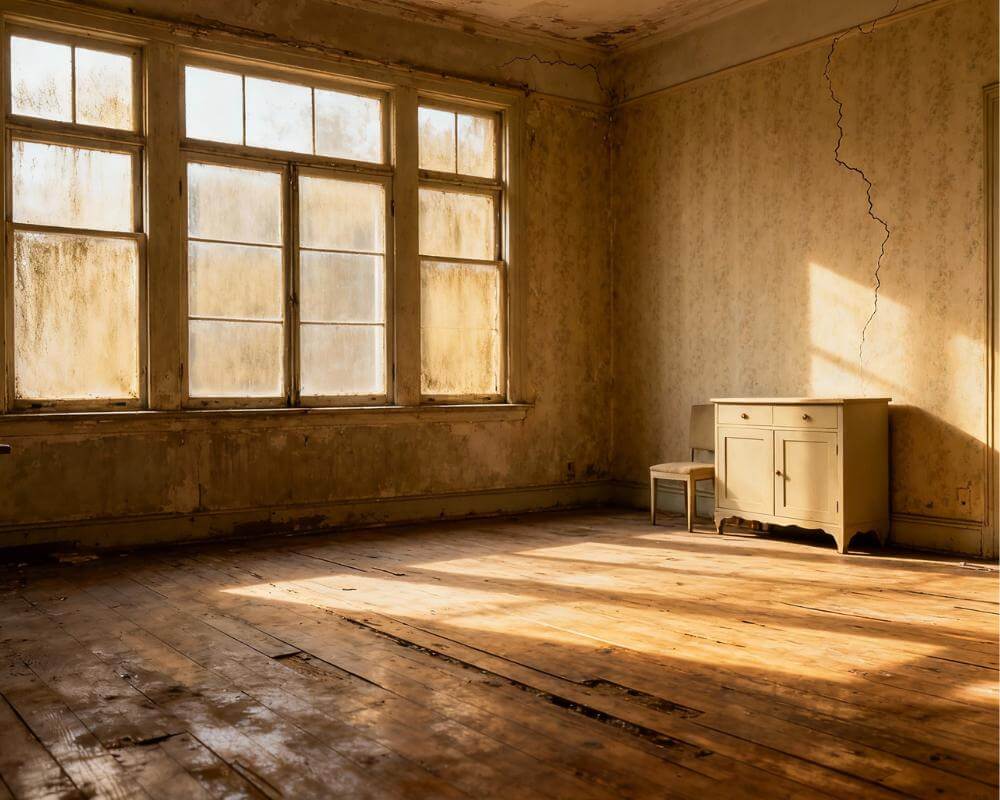

An AI countertop visualizer app lets you upload a photo of your actual kitchen island or counters and preview a new countertop material and color rendered directly onto your real surfaces, before you order a single sample or commit to a slab. A countertop is one of the most expensive single finishes in a kitchen, priced by the square foot and installed in one irreversible cut, which is exactly why a palm-sized sample chip held under showroom lighting is such an unreliable way to judge how a material will actually read across an entire island under your own kitchen's light. With DecorAI, you can test a bright white quartz against your existing cabinets, compare a warm granite to a cooler marble-look surface, or see how a dark countertop would actually read next to your real backsplash and flooring, all on a photo of the kitchen you already have. This guide covers how an AI countertop visualizer app works, planning a countertop update step by step, comparing the countertop materials people choose between most often, matching a countertop to your cabinets and backsplash, and the most common countertop mistakes.
Key Takeaways
- Countertops are priced and cut once, with almost no room to reverse a decision — previewing a material before you order is far more valuable here than for almost any other kitchen finish.
- Undertone matters more than color name — a "white" quartz can read warm or cool depending on its veining, and that undertone needs to work with your cabinets and floor, not fight them.
- Sample chips lie about scale — a pattern that looks balanced on a 4-inch chip can look busy or washed out across a 6-foot island.
- Match the countertop to what's already fixed — cabinets, flooring, and an existing backsplash you're keeping should drive the countertop choice, not the other way around.
- AI lets you preview a countertop material on your actual kitchen before you order a sample, pay for a template visit, or commit to a slab you can't send back.
What Is an AI Countertop Visualizer App, and How Does It Work?
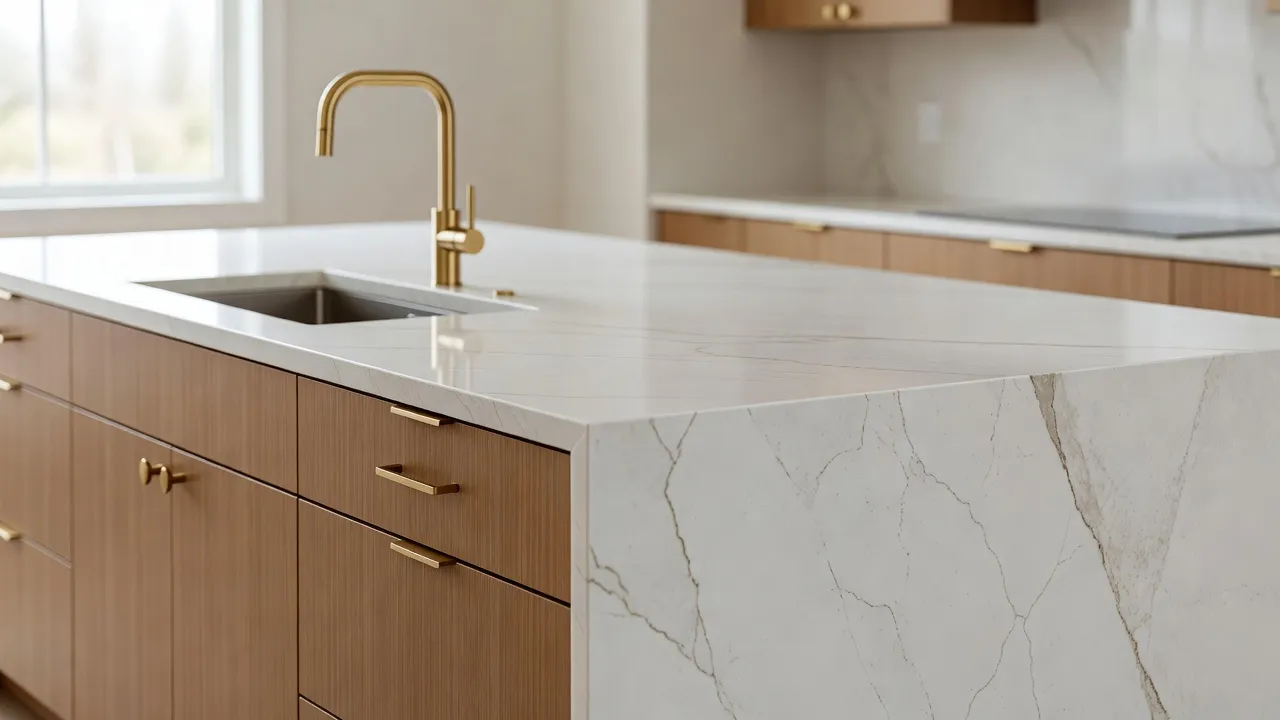
An AI countertop visualizer app works from a photo of your actual kitchen and generates a photorealistic version of that same island or counter run with a new material and color applied at true scale, matched to your kitchen's real cabinets, backsplash, and the way light actually falls across the surface. This matters more for a countertop than for most finishes, because a countertop is judged over a large, continuous, mostly horizontal surface that catches light very differently than a vertical wall or a small sample slab propped against a cabinet door. A good visualizer keeps your cabinets, flooring, and appliances untouched and only changes the countertop surface, so what you're previewing is genuinely close to what a fabricator would deliver.
How Do You Plan a Countertop Update Step by Step?
Planning a countertop update well comes down to starting from what's already fixed in your kitchen, then narrowing a shortlist of materials before a single sample gets ordered.
Start With What's Already Fixed in Your Kitchen
Before browsing a single slab yard or sample wall, take stock of everything in your kitchen that isn't changing alongside the countertop: cabinet color and finish, flooring, and any backsplash tile you plan to keep. These fixed elements carry their own undertones, and a countertop chosen in isolation, however good it looks on its own, tends to fight with the rest of the kitchen once it's installed. Warm wood cabinets pull best with countertop colors that lean warm or neutral, while cool gray or white cabinetry gives you more room to go crisp and bright.
Shortlist Materials Before You Order Samples
Narrowing your options to two or three materials before requesting physical samples saves a surprising amount of time and money, since large-format samples and fabricator visits both cost money and take weeks to schedule. Deciding on paper, or on a preview of your real kitchen, which one or two materials are worth pursuing turns sample-ordering into confirmation rather than exploration. Our AI kitchen remodel guide covers the same shortlist-first approach for a full kitchen renovation, and it applies just as directly to a countertop-only update.
Which Countertop Materials Should You Compare?
The countertop materials homeowners compare most often each trade off differently on maintenance, cost, and appearance, and the right choice depends on how you actually use your kitchen, not just how a material photographs.
Engineered Quartz
Engineered quartz blends crushed natural stone with resin binders to produce a non-porous surface that resists staining and never needs sealing, which makes it the lowest-maintenance option for a kitchen that sees heavy daily use. It comes in an enormous range of colors and veining patterns, including convincing marble-look options, but it can't be repaired as invisibly as natural stone if it chips, and very light colors can show scorch marks from hot pans set directly on the surface.
Natural Stone: Granite and Marble
Granite is durable, heat-resistant, and naturally unique slab to slab, since it's a natural igneous rock rather than a manufactured product, but it's porous enough that it needs periodic resealing to resist staining. Marble has an unmatched soft, veined look prized in traditional and classic kitchens, but it's noticeably softer and more porous than granite or quartz, which means it etches from acidic spills like lemon juice or wine far more easily and suits homeowners who accept some visible aging as part of the material's character.
Butcher Block and Laminate
Butcher block brings warmth and a lower price point than stone or quartz, and minor scratches can often be sanded out, but it requires regular oiling and isn't a good fit near a sink unless it's well-sealed. Laminate is the most budget-friendly option and has improved dramatically in realistic stone-look printing, making it a reasonable choice for a rental or a starter kitchen, though it can't be resurfaced the way butcher block can and shows wear at seams over time.
Preview New Countertops — Free
Stop guessing how a new quartz, granite, or butcher block countertop will look in your actual kitchen. Upload a real photo to DecorAI and preview the redesign before you order a single sample.


How Do You Match a Countertop to Your Cabinets and Backsplash?
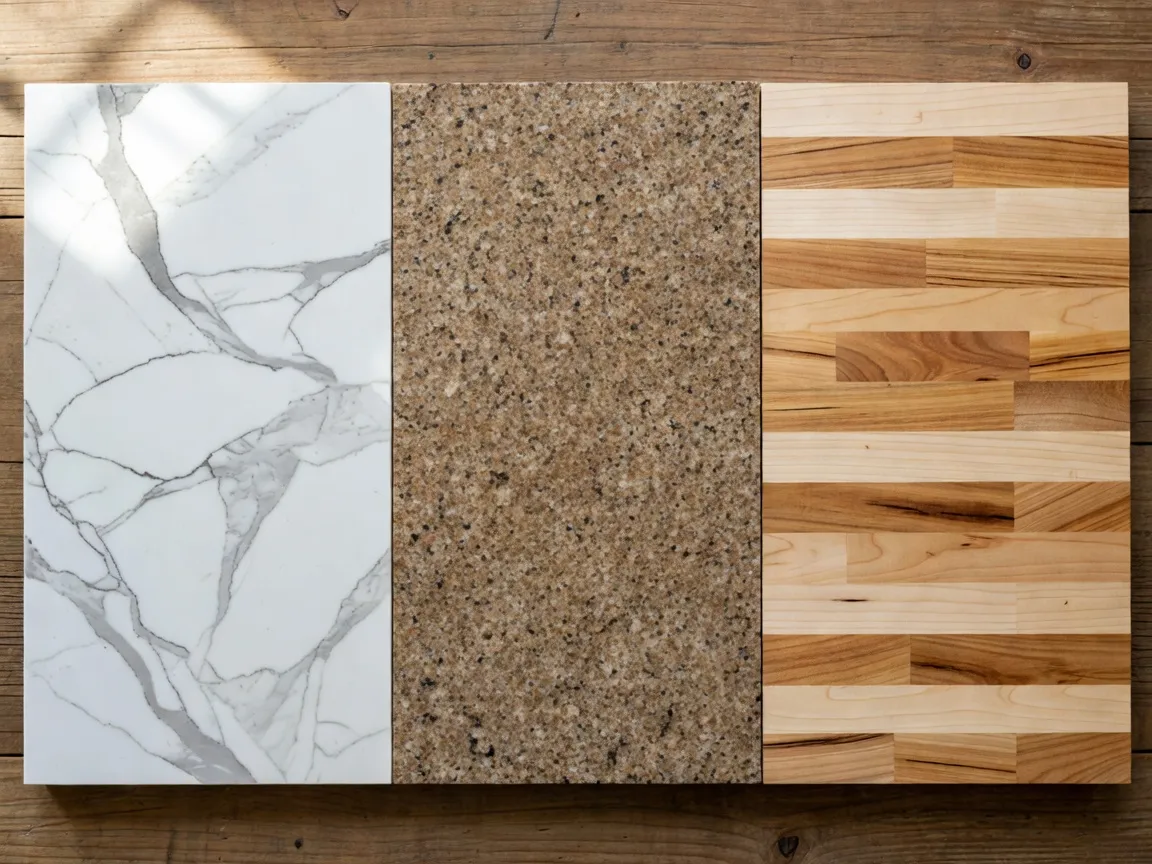
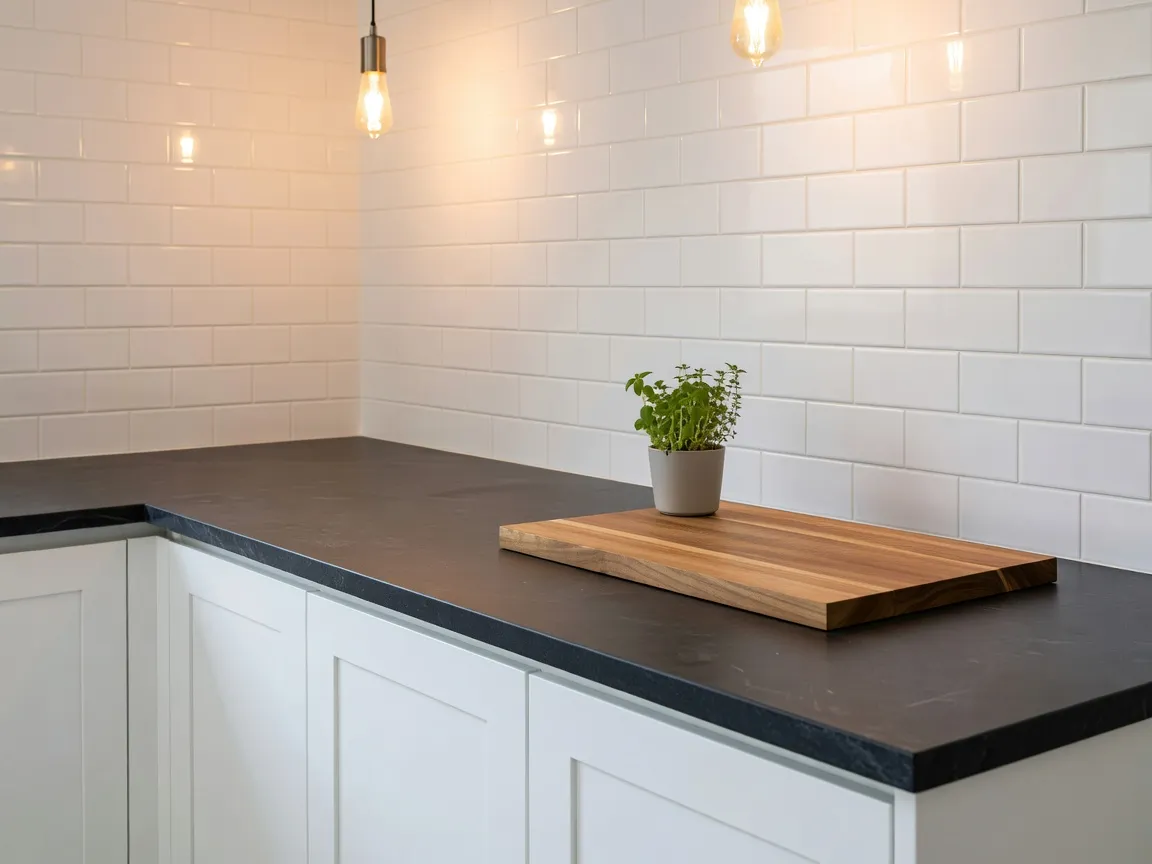
Matching a countertop to your cabinets and backsplash comes down to picking one dominant undertone across all three surfaces and letting only one of them carry strong pattern or veining at a time. A busy, high-veining countertop next to a heavily patterned backsplash usually competes for attention rather than complementing each other, while pairing a bold countertop with simpler cabinetry and a quieter backsplash — or the reverse — keeps the eye moving smoothly around the room. Our AI backsplash visualizer guide covers the same undertone-matching logic from the tile side, and reading both together makes it much easier to plan a countertop and backsplash as one coordinated decision instead of two separate ones.
What Mistakes Do People Make Choosing a Countertop?
- Deciding from a small sample chip instead of a full-scale preview. Veining and pattern read completely differently across a full island than they do on a 4-inch chip under showroom lighting.
- Ignoring undertones in the cabinets and floor. A countertop chosen in isolation, however good it looks alone, often clashes once it sits between fixed warm or cool surfaces.
- Choosing a high-maintenance material without accounting for lifestyle. Porous natural stone near a busy family kitchen sink needs realistic sealing habits, not just an appealing showroom sample.
- Letting the countertop and backsplash compete for attention. Two heavily patterned surfaces installed side by side usually read as visual noise rather than a coordinated design.
- Skipping a full-scale preview before an irreversible cut. A countertop is templated and cut once, which makes an accurate preview worth far more here than for finishes that are easier to redo.
AI Countertop Visualizer App — FAQ
Can AI show me my actual kitchen with a new countertop?
Yes — uploading a photo of your kitchen to an AI countertop visualizer app lets you preview a new countertop material and color rendered at true scale on your real island or counters, rather than on a generic stock kitchen photo.
Is quartz or granite better for a kitchen countertop?
Quartz is non-porous and needs no sealing, making it lower-maintenance overall, while granite is a natural stone that's equally heat-resistant but needs periodic resealing to resist staining — the better choice depends on how much upkeep you're willing to do.
Does marble stain and scratch easily?
Yes — marble is softer and more porous than granite or quartz, so it etches from acidic spills like lemon juice or wine more easily and shows wear over time, which suits homeowners who accept some visible aging as part of the material's character.
How do I match a countertop color to my existing cabinets?
Identify whether your cabinets lean warm or cool, then choose a countertop with a matching undertone and let only one of the two surfaces — cabinets or countertop — carry strong pattern or veining, rather than pairing two busy surfaces together.
Is butcher block a good countertop choice near a sink?
Butcher block can work near a sink if it's well-sealed and maintained with regular oiling, but it's more vulnerable to water damage than quartz, granite, or laminate, so many homeowners reserve it for an island or a section away from constant water exposure.
Conclusion
A countertop is one of the most expensive, most permanent decisions in a kitchen, which is exactly why previewing it accurately matters more here than for almost any other finish. Starting from your kitchen's fixed cabinets and flooring, shortlisting materials before ordering samples, and matching undertones across your countertop and backsplash turns a stressful, irreversible decision into one you can commit to with confidence. DecorAI lets you see exactly how a new countertop material and color will look in your real kitchen before you order anything. Read our AI kitchen remodel guide for the full space your countertop sits in, explore our AI backsplash visualizer guide for the surface right above it, browse the styles gallery for more design directions, or start from the DecorAI homepage to try it on your own kitchen. A well-chosen countertop is also one of the details buyers notice most when a kitchen is eventually resold.
Visualize Your Dream Home Instantly
Don't just read about it. Experience the power of AI interior design with DecorAI's free tool.
Start Designing for FreeWritten by
DecorAI Team
Editorial Team