AI Cottagecore Interior Design: The Romantic Style Guide
A complete guide to AI cottagecore interior design — the romantic, pastoral style built on vintage furniture, floral prints, dried botanicals, and warm natural wood rather than anything sleek or modern. Learn the palette, materials, and room-by-room details that define the look, then preview it on your real room with AI.
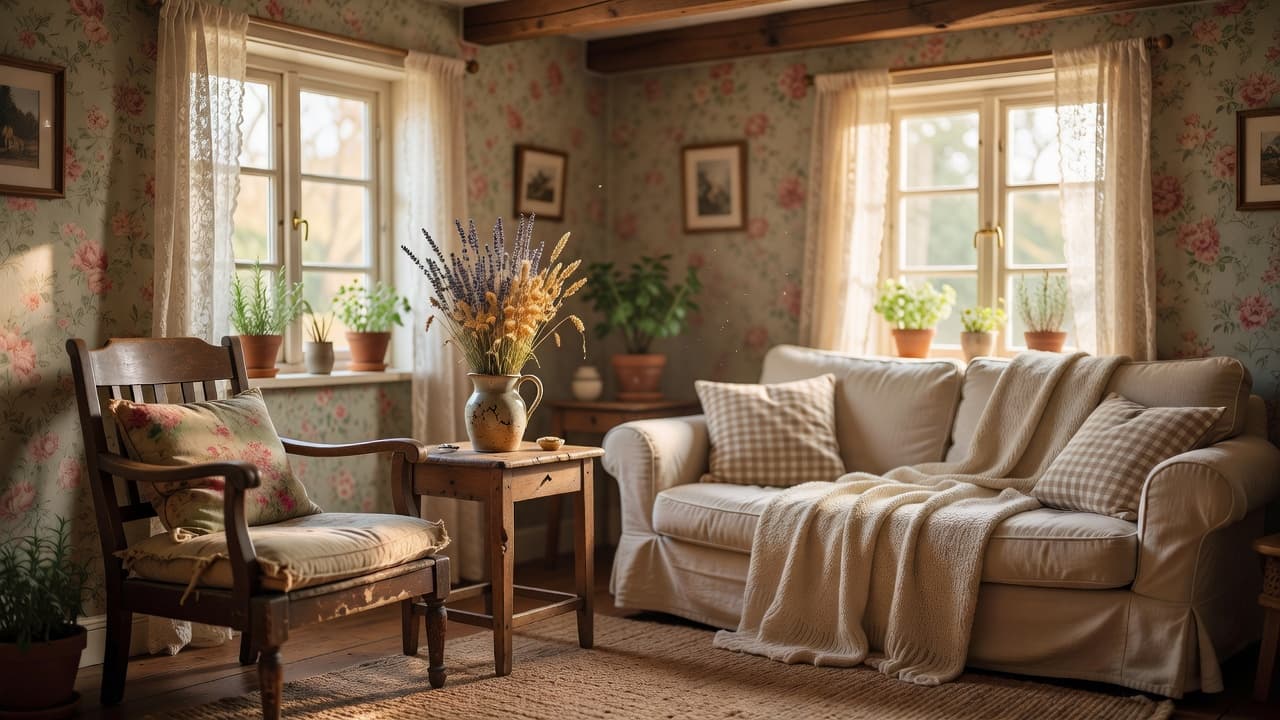
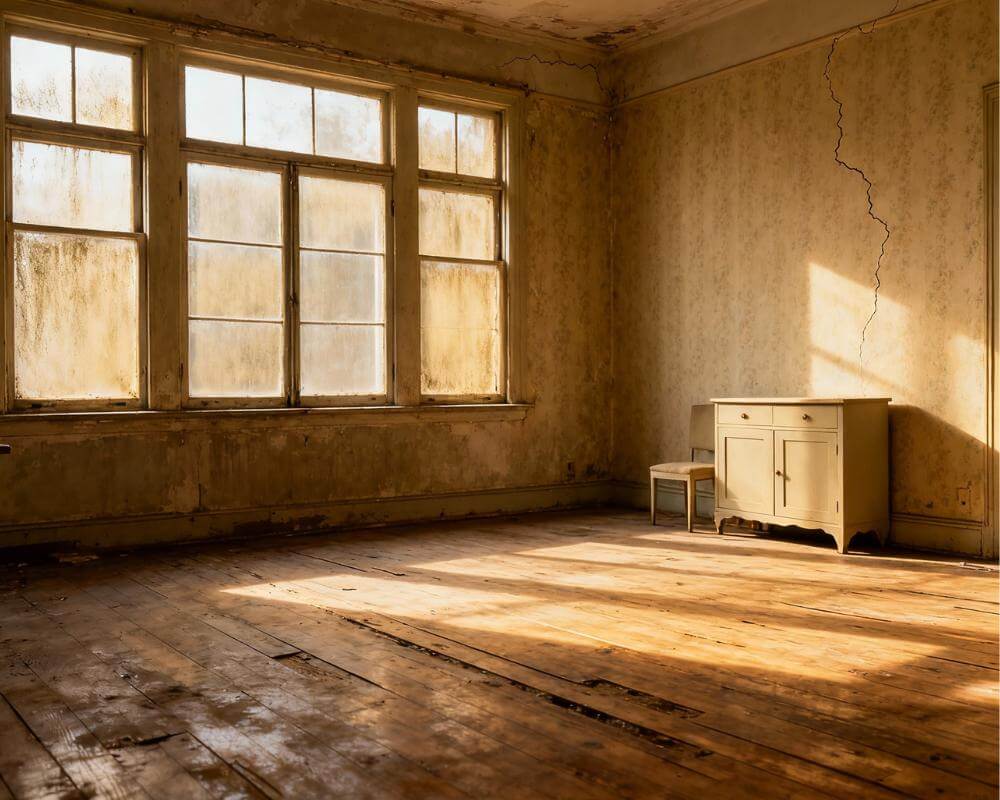
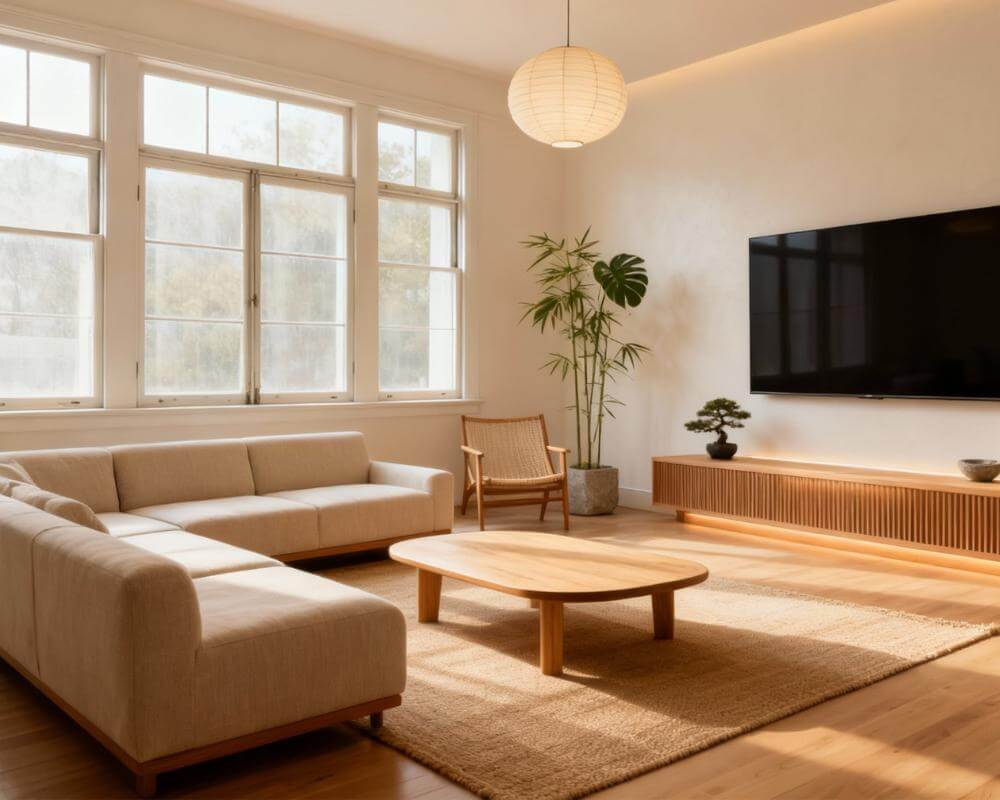
AI cottagecore interior design takes the romantic, unhurried idea of rural, storybook living and applies it to a real room: vintage and secondhand furniture, hand-me-down florals, dried botanicals, gingham and lace, and warm natural wood in place of anything sleek, glossy, or mass-produced. DecorAI is an AI interior design app that lets users transform photos of existing rooms into realistic redesign concepts, so instead of hunting flea markets and guessing whether a floral armchair will actually work with your existing cabinets or wall color, you upload a photo and see the whole look rendered on your real space in seconds.
The aesthetic grew out of an online movement romanticizing pastoral, simple living — think a kitchen garden, a windowsill of drying herbs, a quilt someone actually made — and it carried that DIY, lived-in warmth straight into home decor. It reads as soft and a little imperfect on purpose: nothing in a cottagecore room looks brand new, and that's the point. This guide covers what actually defines the style, the palette and materials that make it convincing, how it differs from the modern farmhouse and French country looks it's often confused with, how to apply it room by room, and how to preview the whole thing on your own room with AI before buying anything.
Key Takeaways
- Cottagecore interior design is a romantic, pastoral style built on vintage or secondhand furniture, florals, dried botanicals, and natural materials rather than anything sleek or new-looking.
- Nothing matches perfectly on purpose — mismatched vintage chairs, hand-me-down china, and worn wood are the point, not a flaw to fix.
- The palette stays soft and muted: buttery cream, sage, dusty rose, and faded florals rather than bold or saturated color.
- Cottagecore is not the same as modern farmhouse or French country — it's warmer, busier, and more DIY than either, with far less black-and-white contrast and none of the polished symmetry.
- AI lets you preview vintage-heavy, pattern-heavy rooms on your real space before committing to florals and secondhand pieces that are hard to picture from a listing photo.
- Try DecorAI free to test the cottagecore look in your own room before buying anything.
What Is Cottagecore Interior Design?
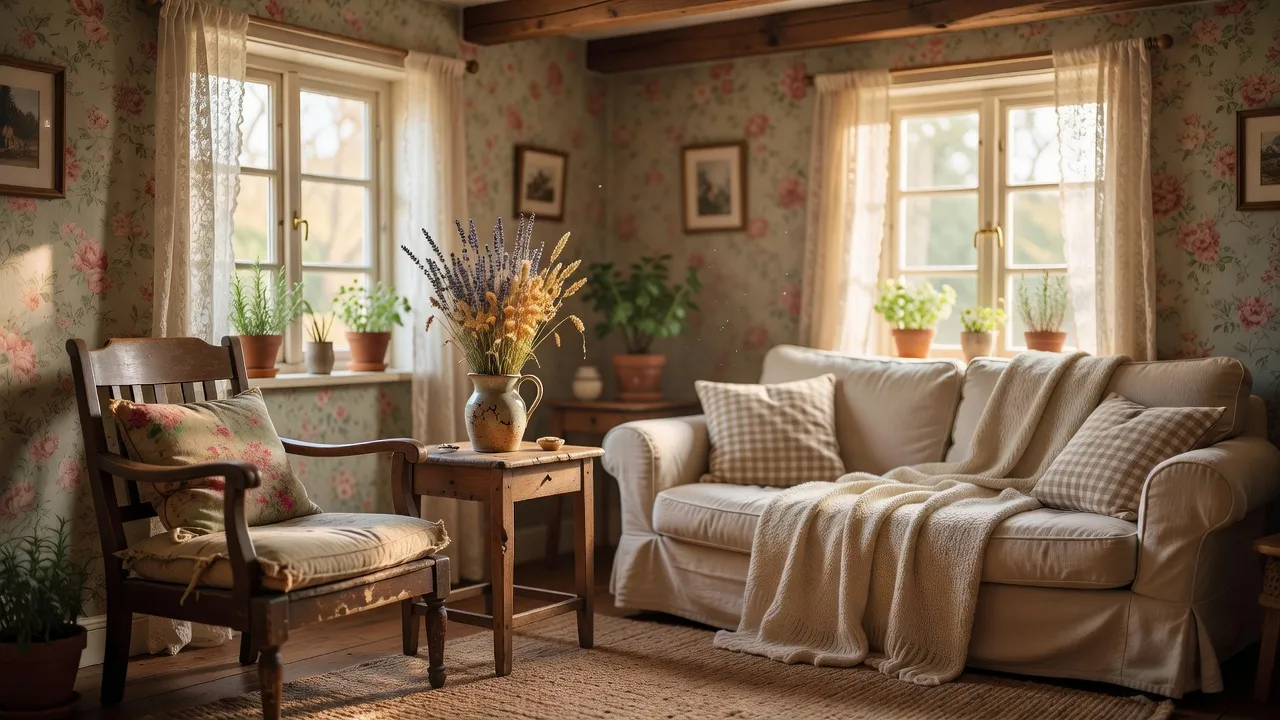
Cottagecore interior design is a romantic, nostalgic style that recreates the feeling of a small rural cottage — herbs drying in the kitchen, a quilt on the back of a chair, a garden visible through the window — inside a modern home, whether that home is an actual cottage or a city apartment. The look grew out of cottagecore, an online aesthetic and lifestyle movement that romanticizes pastoral simplicity, and it carries that same DIY, unhurried warmth into furniture and decor choices rather than staying purely a fashion or social-media trend.
It shares its warm, layered instincts with bohemian interior design and its love of natural wood with French country, but it's distinctly softer and more domestic than either — closer to a well-loved family kitchen than a curated boho gallery wall or a formal countryside estate.
What Colors Work in a Cottagecore Palette?
The palette leans soft, warm, and a little faded, as if everything has spent a few summers in the sun. For a broader guide to building a room-wide scheme, see our AI color palette room design guide.
- Buttery cream and warm white: the base tone for walls and larger furniture pieces, never a stark or cool white.
- Sage and moss green: the most common accent color, echoing the garden and herb-drying theme the style is built on.
- Dusty rose and faded pink: used in florals, linens, and small accent pieces rather than as a dominant wall color.
- Warm wheat and honey wood tones: unfinished or lightly stained wood furniture and trim, never a dark or high-gloss finish.
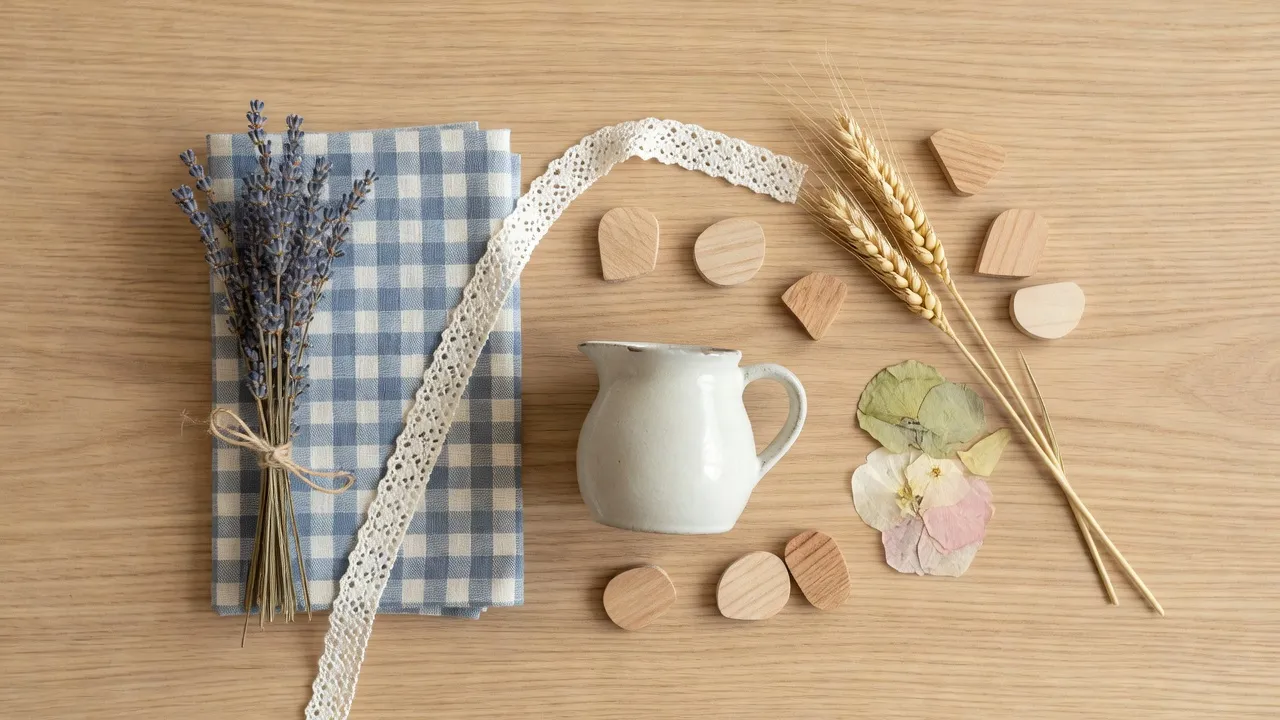
- Soft blue gingham: a classic accent pattern for curtains, tablecloths, and upholstery, usually paired with cream rather than white.
The rule that keeps it from feeling twee: let one or two colors dominate a room and treat the rest as small accents in pattern — a wall of solid sage or cream with floral curtains and a gingham cushion reads as considered; five competing florals in five different colors reads as cluttered.
What Furniture and Materials Define Cottagecore?
Material and history do the work in a cottagecore room — a piece is chosen because it looks like it has a story, not because it matches anything else in the room.
Vintage and secondhand furniture
Estate-sale chairs, a repainted dresser, a chipped enamel pitcher repurposed as a vase — cottagecore treats secondhand and inherited pieces as the whole point rather than a budget compromise. Mismatched dining chairs around one table read as more authentic to the style than a matching set ever could.
Florals, gingham, and lace
Small-scale floral prints on curtains and upholstery, gingham check on tablecloths and cushions, and lace or crochet trim on linens and shelf edges carry most of the visual texture. Pattern mixing is expected here in a way it isn't in most other styles, as long as the colors stay within the same soft, faded family.
Dried and fresh botanicals
Dried lavender, wheat, and eucalyptus in a ceramic jug or hung in small bundles, a windowsill herb garden, and fresh-cut garden flowers in mismatched vases bring the outdoors in and are one of the fastest, cheapest ways to make a room read as cottagecore.
Natural wood and wicker
Unfinished or lightly stained pine and oak, wicker baskets used for storage instead of plastic bins, and woven rugs in jute or rag-rug patterns keep the materials feeling handmade and natural rather than manufactured.
See Your Room Go Cottagecore — Free
Upload one photo and watch DecorAI restyle your actual room in a warm, floral, vintage-inspired cottagecore look in seconds, keeping your real windows and layout. Test the pattern mix and palette before you commit to furniture and linens that are hard to picture from a listing photo.


How Is Cottagecore Different From Modern Farmhouse or French Country?
All three share a love of natural wood and a rejection of sleek modern finishes, but they land in very different places. Modern farmhouse leans on high black-and-white contrast, shiplap, and clean lines — it's rustic but tidy and fairly symmetrical. French country is warmer and more ornamental, built around toile, wrought iron, and a more formal countryside-estate feeling. Cottagecore is the softest and busiest of the three: more pattern, more mismatched vintage pieces, more visible botanicals, and none of farmhouse's crisp symmetry or French country's formality. The simplest way to tell them apart in a photo: farmhouse reads as tidy-rustic, French country reads as elegant-rustic, cottagecore reads as lived-in and a little wild.
How Do I Apply Cottagecore Room by Room?
The core ingredients — vintage furniture, soft floral or gingham pattern, natural wood, and botanicals — stay constant. Only the anchor pieces change by room.
Cottagecore kitchen
Open shelving with mismatched vintage plates, a windowsill herb garden, a gingham or linen tablecloth, and a few glass jars of dried goods on the counter turn an ordinary kitchen into the style's most iconic room. Woven baskets for produce storage read better here than closed plastic containers.
Cottagecore bedroom
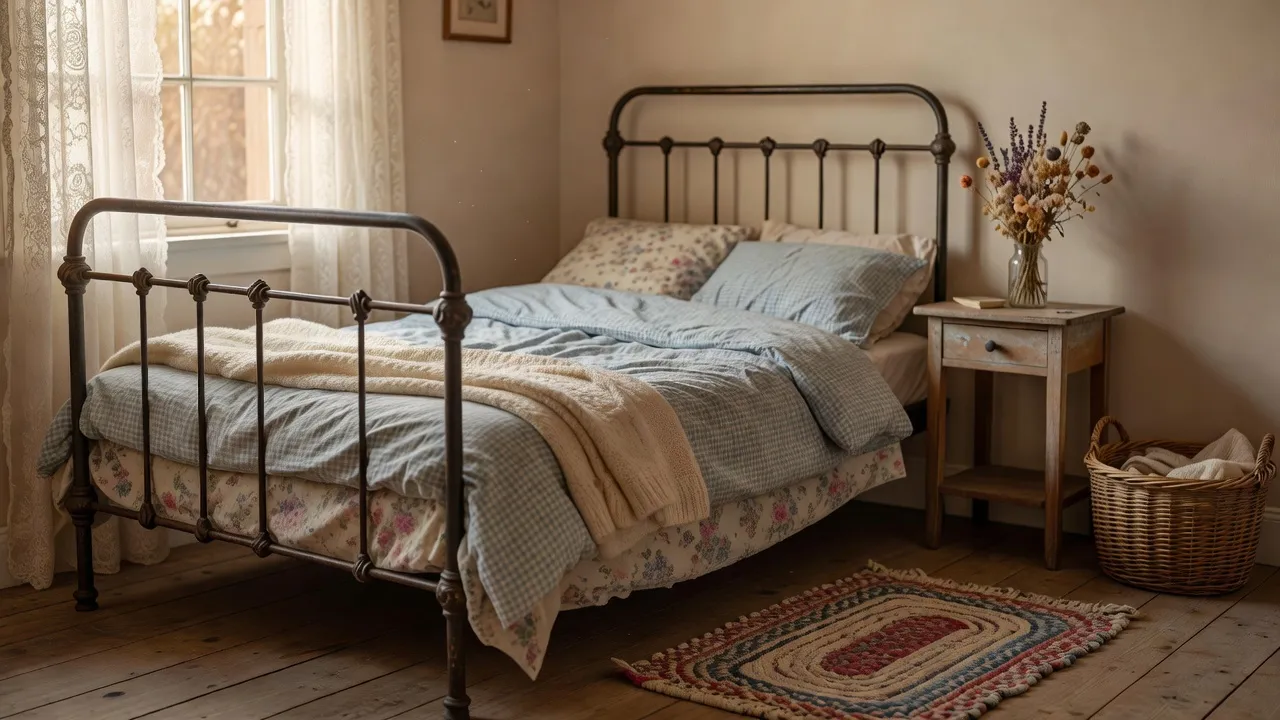
A vintage iron or carved wood bed frame, layered floral or gingham bedding in soft cream and sage, a lace curtain that filters rather than blocks the light, and a small dried-flower arrangement on the nightstand build the room around softness and pattern rather than symmetry. See our AI bedroom design guide for more layout and lighting options.
Cottagecore living room
A worn or reupholstered vintage armchair, a hand-knit throw over the back of the sofa, floral or gingham cushions in two or three coordinating patterns, and a wood coffee table with visible grain and a few nicks keep the room feeling collected over time rather than furnished all at once. Our AI living room design ideas guide has more ways to layer a room like this.
What Are Common Cottagecore Mistakes to Avoid?
- Buying everything new. Brand-new "vintage-style" furniture with no wear reads as a costume rather than the real, collected-over-time look the style depends on.
- Matching too perfectly. A full matching floral bedding set with matching curtains in the same print tips into generic rather than eclectic — mix two or three coordinating patterns instead.
- Going too dark or too polished. High-gloss wood, black metal fixtures, and stark white walls fight the soft, faded, sun-worn feeling the whole palette is built on.
- Skipping the botanicals. A room with the right furniture but no dried or fresh flowers, herbs, or greenery reads as generic vintage rather than specifically cottagecore.
- Skipping the preview. Pattern-heavy, vintage-heavy rooms are hard to picture from a single furniture listing photo — visualize the mix on your real room with AI before buying anything secondhand or hard to return.
Cottagecore Interior Design FAQ
What is cottagecore interior design?
Cottagecore interior design is a romantic, pastoral style built on vintage or secondhand furniture, floral and gingham pattern, dried botanicals, and natural wood, drawn from an online aesthetic that romanticizes simple rural living.
What colors are used in cottagecore rooms?
A soft, warm palette — buttery cream, sage or moss green, dusty rose, and honey-toned wood — kept muted and slightly faded rather than bold or saturated, with soft blue gingham as a common accent pattern.
Is cottagecore the same as modern farmhouse or French country?
No. Modern farmhouse is tidy and high-contrast (black-and-white, shiplap, clean lines), French country is warmer but more formal and ornamental, and cottagecore is the softest and busiest of the three — more pattern, more mismatched vintage pieces, and more visible botanicals than either.
Can AI design a cottagecore room from my photo?
Yes. Upload a photo of your room to DecorAI, choose a romantic or cottage-inspired style, and the AI redesigns your real space photorealistically in seconds — keeping your actual windows and layout while applying the florals, vintage furniture, and warm natural materials the style depends on.
Does cottagecore work in a small apartment?
Yes — the style doesn't require a literal cottage. A few vintage or secondhand pieces, a windowsill herb garden, gingham or floral textiles, and dried flowers translate the look into a city apartment just as well as a rural home; the botanicals and pattern do most of the work regardless of room size.
Conclusion
AI cottagecore interior design takes a style built on pattern, vintage character, and natural materials and lets you test the mix before you commit: florals, gingham, dried botanicals, and warm wood, previewed on your real room instead of guessed from secondhand listing photos. Start with one or two anchor pieces — a vintage armchair or a floral bedding set — and let AI show you how the pattern and palette actually look on your walls before you spend on furniture that's hard to return. Upload a photo to DecorAI to see your room transformed for free, browse the full styles gallery, or head back to the DecorAI homepage to get started.
Visualize Your Dream Home Instantly
Don't just read about it. Experience the power of AI interior design with DecorAI's free tool.
Start Designing for FreeWritten by
DecorAI Team
Editorial Team