
AI Nursery Design: Create a Calm Baby Room with AI
Design a calm, functional nursery with AI. Test layouts, color palettes, and styles on your real baby-room photo before you buy anything for the new arrival.
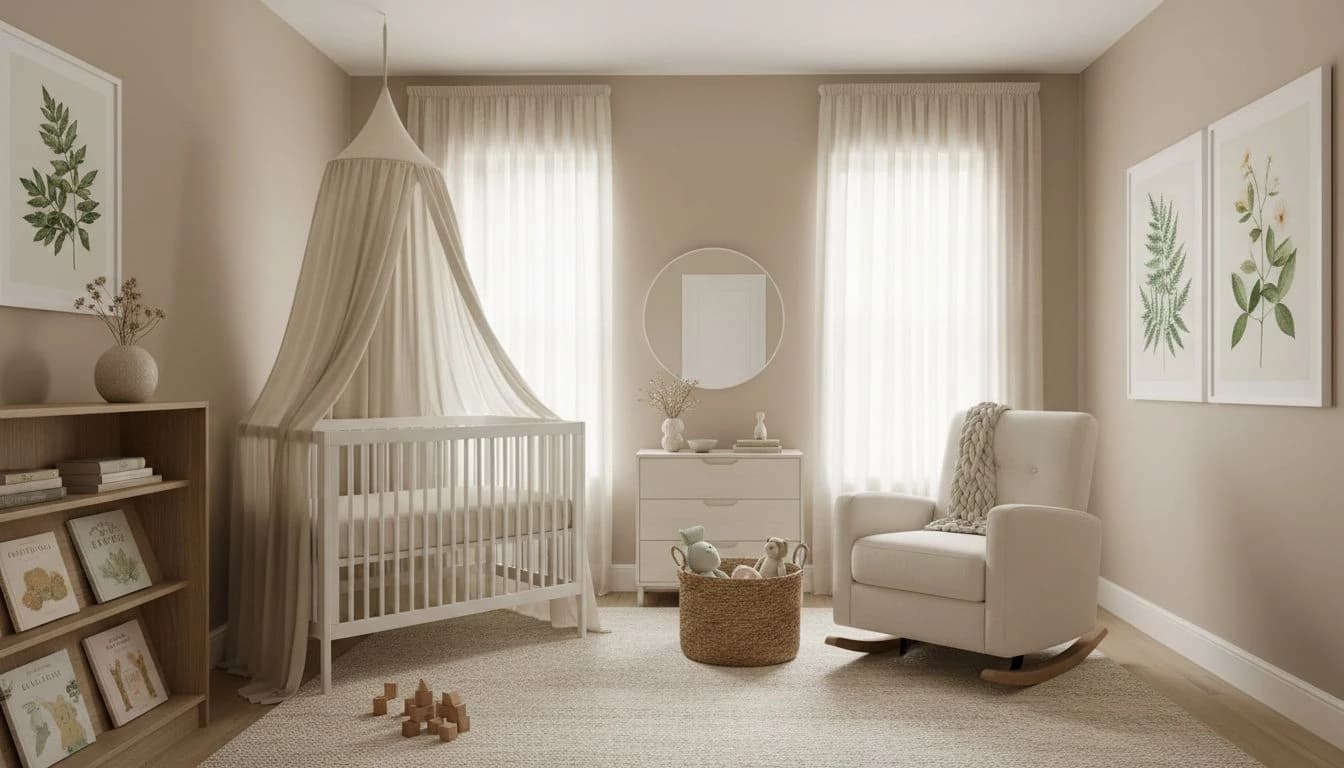

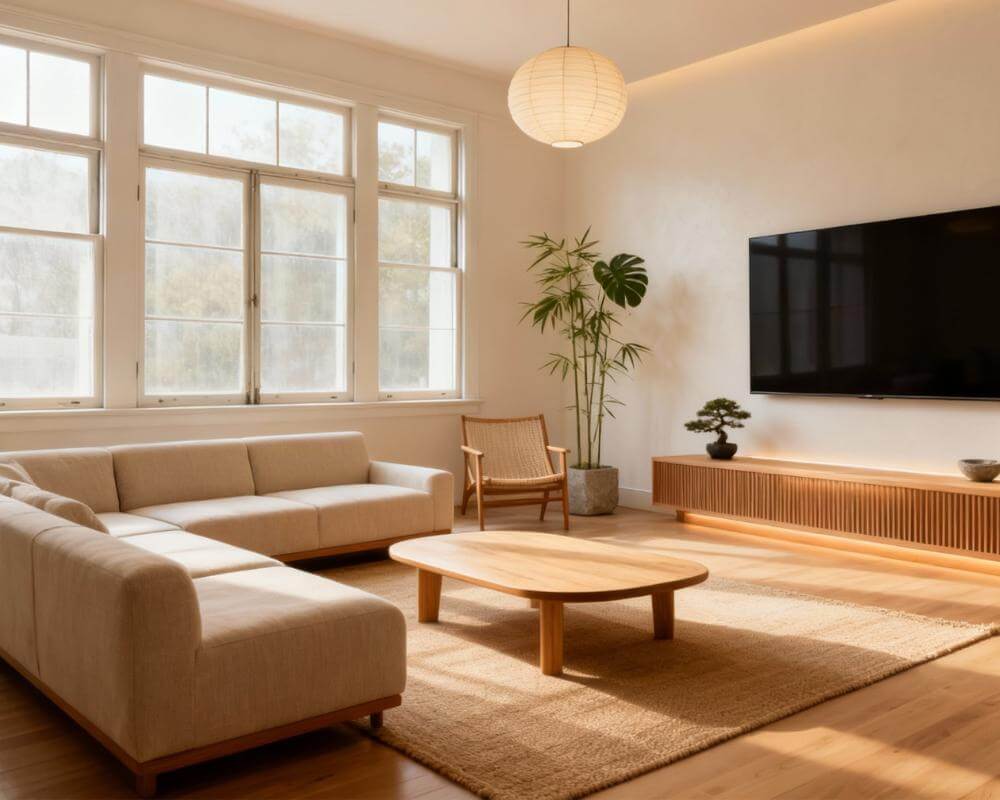
Expecting parents design a nursery the way travelers pack for a long trip — they keep adding "just one more thing" until the room is crowded, noisy, and vaguely stressful. A nursery should do the opposite. It should calm the baby, quiet the parent, and survive the messy reality of feeds, naps, and 3 a.m. rockabyes. AI nursery design helps you get there by letting you test layouts, palettes, and storage choices on a photo of your real room before a single thing is ordered.
This guide covers the calm-nursery checklist that most Pinterest boards miss, how DecorAI - AI Interior Design helps parents iterate before they buy, and the style, layout, and palette directions that actually work when a real baby is using the room. The goal is not a perfect nursery photo. The goal is a nursery you love at 2 a.m. in the dark.
What Makes a Calm, Practical Nursery Actually Work
A nursery only works if it does three things well at once: soothes the baby, supports the caregiver, and survives daily use. Those three jobs quietly disagree all the time. The baby wants low stimulation and a dark room. The caregiver wants enough light to see during night feeds without waking anyone. Daily use wants durable finishes, deep storage, and zero fragile glass anywhere near reach.
Most nursery regret comes from choosing primarily for the photo moment. A dramatic wallpaper print reads beautifully on the camera roll and badly at 4 a.m. A statement chandelier adds charm in daylight and creates harsh shadows during night feeds. AI nursery design helps expose those trade-offs before you ship a heavy box to the house.
How AI Helps Parents Avoid Nursery Regrets
The fastest way to burn money on a nursery is to buy the crib, the glider, the rug, and the dresser before checking whether they even fit comfortably in the room. AI is particularly useful here because new parents rarely have the time or attention for complex 3D planning. You upload a photo of the room, ask for the nursery in a few different directions, and see which layouts actually fit before you place any orders.
Three pre-purchase checks are worth doing through AI first. Layout check: can the crib, dresser/changing table, and glider all coexist without blocking a window or a door swing? Palette check: does the proposed color story still feel calm at 2 a.m. under a low warm lamp, not just in daytime Instagram light? Growth check: will the room still feel right six months in, when you add more books, toys, and storage baskets than you currently plan?
AI-generated nursery previews are not tiny details. They are decisions about whether the room will read as restful. That is the single most important thing a nursery has to do.
Nursery Design by Style: Scandinavian, Boho, Modern, Classic
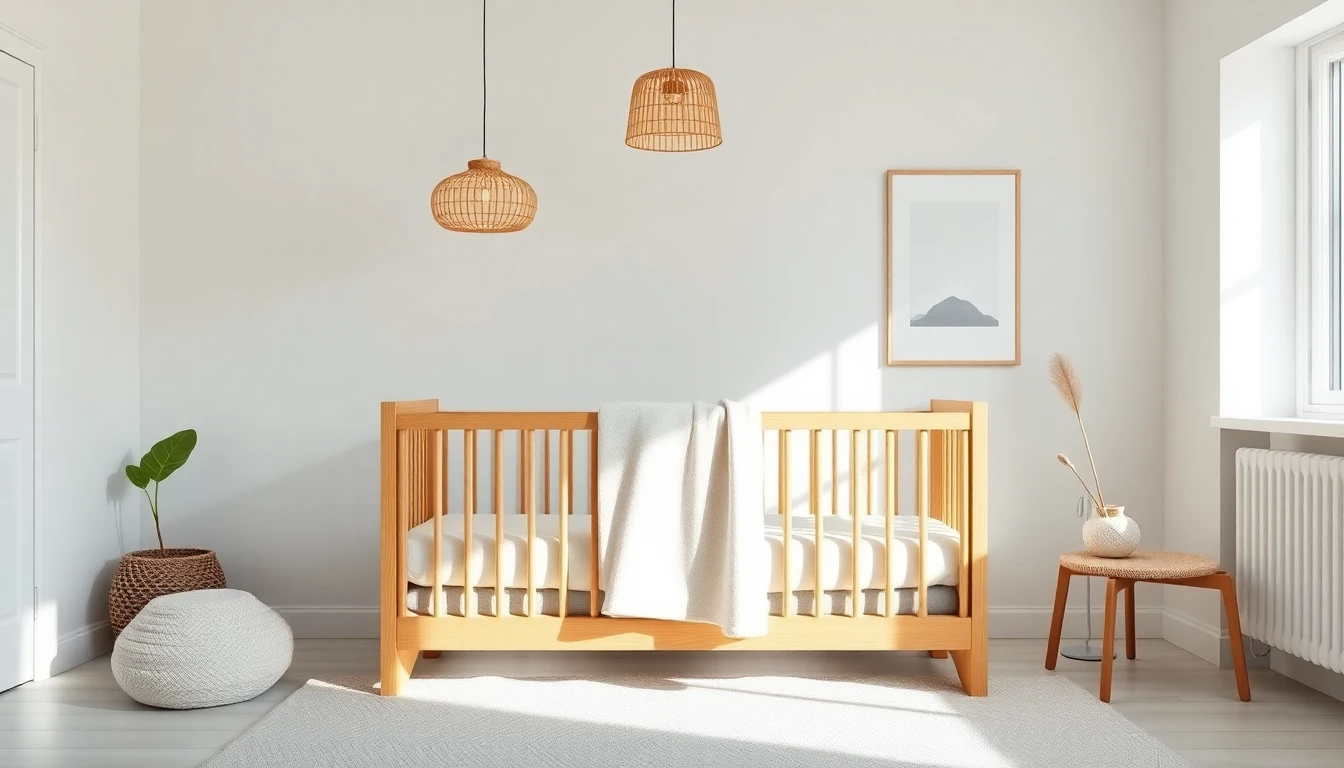
Scandinavian nurseries work because they are disciplined. Light oak crib, white or oatmeal walls, soft linen bedding, a woolen throw on the glider, a single paper pendant lamp, one indoor plant. The restraint is the point. Babies are tiny humans with still-developing visual systems — low visual noise supports better sleep and calmer feeding.
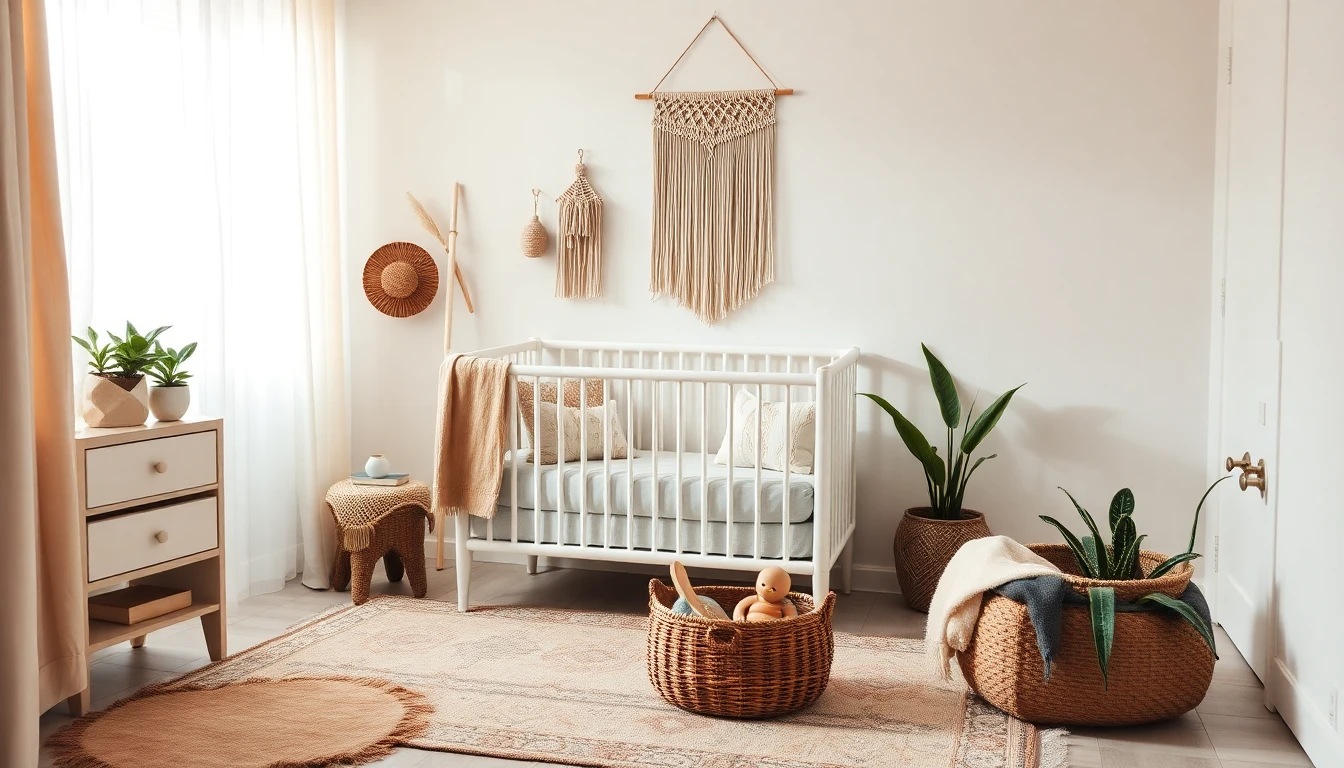
Bohemian nurseries are warm and textural. Macrame wall hangings, woven mobiles, layered natural rugs, rattan storage baskets, earth-tone bedding. The trap is clutter disguised as style. A good boho nursery keeps the warmth while editing hard: two texture moments, not five. AI helps you see whether you have crossed that line before the room actually exists.
Modern nurseries rely on clean geometry, pale neutral walls, and a single bold element — a large graphic print, a black-framed crib, a tall bookshelf wall. Modern does well in smaller rooms because it reads as uncluttered even with the inevitable storage load.
Classic nurseries lean into craftsmanship: solid wood crib, upholstered glider, tailored curtains, a gentle wallpaper, warm brass accents. AI is particularly useful here because classic details can easily tip from timeless to fussy.
Gender-Neutral Nursery Palettes, Visualized
Gender-neutral is no longer a compromise — it is the current default in most modern nurseries. The palettes that dominate 2026: warm oatmeal with sage green accents, soft terracotta with cream, greige with warm brass, and pale butter yellow with natural wood. All four read calm in daylight, friendly under lamplight, and photograph well at any stage of the baby's first year.
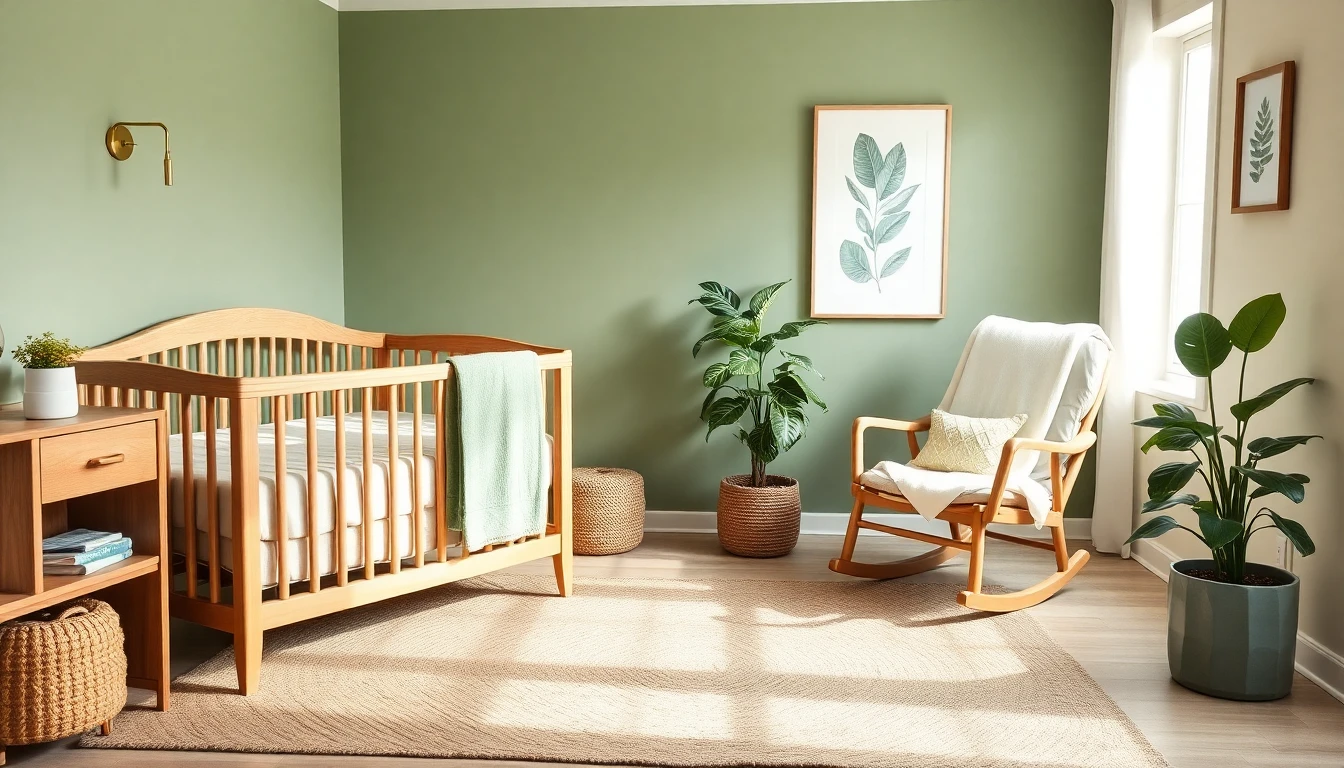
AI is especially helpful for palette testing because nursery palettes have a second life. The room typically evolves into a toddler room within two to three years, and a timeless base palette makes that transition cheap — you swap bedding, art, and storage instead of repainting. Publications like Better Homes & Gardens regularly emphasize this "grow-with-them" philosophy, and AI lets you preview how the same palette reads across both life stages.
Small-Nursery Solutions AI Can Test for You
Apartment nurseries and converted-closet nurseries are common and workable — but only if the layout is right. The three best small-nursery moves: a convertible crib that grows with the baby, a dresser that doubles as a changing table, and wall-mounted storage instead of floor-standing shelves. Each of those choices has knock-on layout effects that AI can preview.
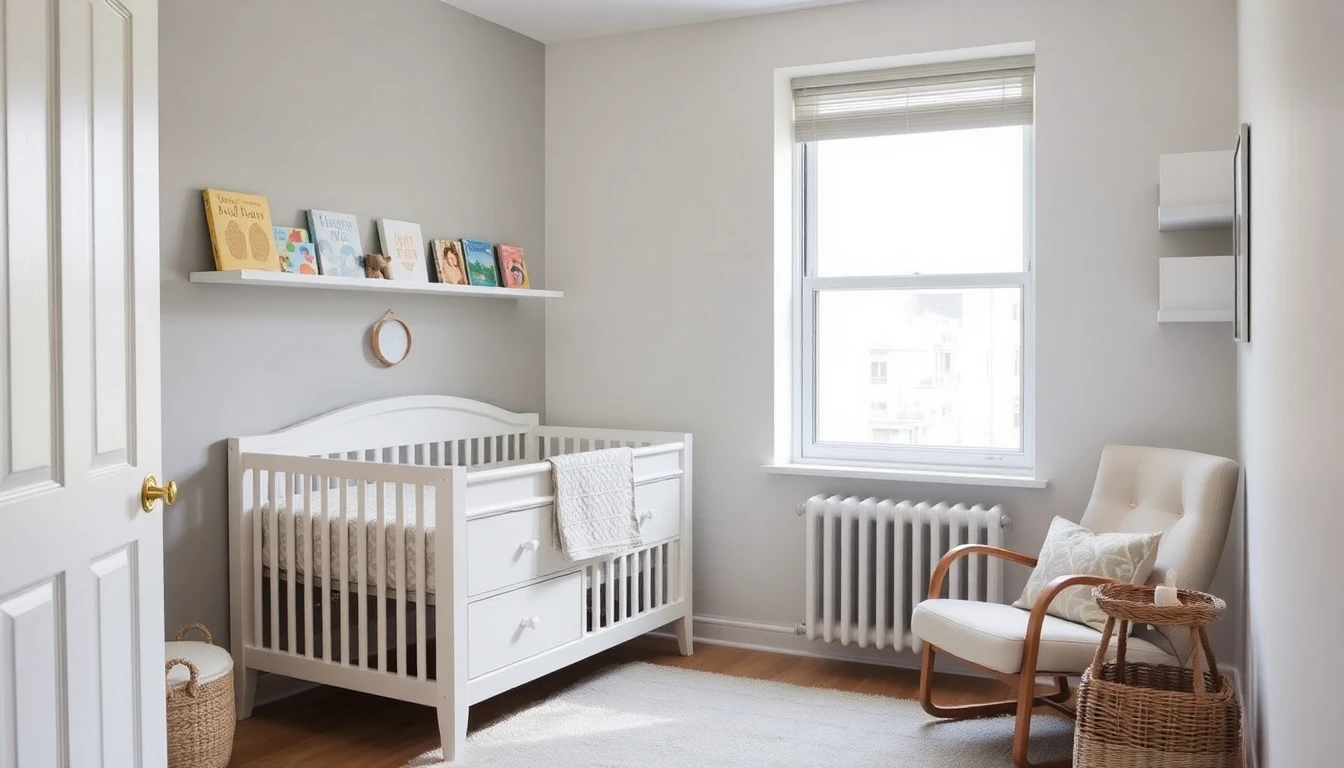
For broader small-space strategy beyond nurseries, our AI design for small spaces guide has direct application. Many of the same principles — vertical storage, multi-function furniture, restrained palette — transfer to nursery planning.
From Nursery Concept to Shopping List
Once a nursery direction is settled through AI, the translation to a shopping list is straightforward. You know the crib style, the glider silhouette, the dresser proportion, the palette, the art direction, and the type of lighting you need. That clarity alone prevents the three most expensive nursery mistakes: buying furniture that does not fit, buying furniture that does not match, and re-buying things in the first three months because the initial choice felt wrong.
A practical sequence: upload the empty nursery photo to DecorAI, generate three style directions, pick the winner, then translate it into a specific shopping list in a shared document. Family and partners can comment on the visual, not on abstract descriptions. For broader design-idea inspiration across rooms, our AI design ideas article is a useful companion.
Baby-Safe Finishes and Storage That Grows With the Room
A good nursery looks calm and reads safe. Both come from a few quiet choices. Low-VOC paint is the default for walls because babies spend a huge share of their early days breathing the air in that room. Closed storage with rounded edges is safer than open shelving once the baby starts crawling. Anchored furniture — especially dressers and bookcases — is non-negotiable. Rugs should be either flat-weave or well-anchored with a non-slip pad underneath.
AI can preview the layout and aesthetic, but safety details belong in the shopping stage. References like The Spruce regularly publish practical baby-room safety checklists that pair well with an AI-designed layout. The combination is strong: AI for the decision, trusted guides for the safety detail.
Storage is the other quiet success factor. The nursery accumulates inventory faster than any other room in the house — diapers, wipes, bottles, outfits, toys, books. Plan from the start for at least one large closed dresser, one closet with inserts, and one basket-style overflow zone. AI helps you confirm that those three storage moves fit your layout without crowding the glider or the crib.
Designing the Nursery for Years 1 Through 3
Nurseries are transitional by nature. A room designed only for a newborn starts feeling wrong by month nine and is cramped by year two. The best AI-designed nurseries plan for that arc. The crib converts to a toddler bed. The glider moves to a corner and gets reupholstered if needed. The dresser keeps working for a decade. The palette stays calm but adaptable. Art rotates rather than dominating.
This is where AI is particularly useful: you can generate the same room at two ages — the newborn phase and the toddler phase — using the same base palette and see whether the decisions you are making today will still work in 18 months. If the toddler version feels off, the newborn plan needs adjustment. That kind of forward-check is almost impossible to do with a physical mood board, and it is what separates a well-designed nursery from one that gets re-done at every growth stage.
FAQ: AI Nursery Design
At what point in the pregnancy should I start AI nursery design?
Second trimester is ideal. Early enough to plan without rushing, late enough that the pregnancy feels real and your priorities are clear. Most parents benefit from 6–8 weeks of iteration before committing, and AI shrinks that iteration cycle dramatically.
What lighting color temperature works best in a nursery?
Warm, around 2700K, for ambient light. Add a dimmable or low-lux lamp for night feeds that does not wake the baby. Avoid cool white bulbs — they read clinical and make night feeds harder.
Is a changing table really necessary?
A dedicated changing table is optional. A changing pad on top of a sturdy dresser is typically a better long-term choice. The dresser survives past the diaper stage, while a dedicated changing table becomes awkward storage once the diaper phase ends.
Can AI help with a shared baby-parent room?
Yes. AI handles combined bedroom-plus-nursery layouts especially well because the key decision — where the crib fits without dominating — is a layout problem best solved visually.
How do I keep the nursery calm when family members bring gifts?
A well-designed nursery has a small "incoming items" basket or bin where new gifts land. Decide what stays and what rotates in storage on a quiet day, not in the middle of a visit. AI-designed rooms tend to survive this better because the intended direction is clear — everyone can see what belongs.
Plan the Calm Nursery Before the Baby Arrives
Use DecorAI to test layouts, palettes, and styles on a photo of your actual nursery space. Make confident decisions before the registry, not after a return trip to the store.
Try DecorAI Free

Visualize Your Dream Home Instantly
Don't just read about it. Experience the power of AI interior design with DecorAI's free tool.
Start Designing for FreeWritten by
DecorAI Team
Editorial Team
Related Articles
AI Dorm Room Design: How to Style a Small Shared Space Without Breaking the Rules
9 min read
AI Studio Apartment Design: How to Zone, Furnish and Style One Room That Does Everything
9 min read
AI Playroom Design: How to Plan a Playroom That Stays Tidy and Grows With Your Kids
9 min read