AI Interior Design Statistics 2026: Key Facts and Trends
The key AI interior design statistics for 2026 — market size and growth, homeowner renovation spending and planning habits, and how fast AI tools are becoming a normal part of home design — sourced from Grand View Research, the Harvard Joint Center for Housing Studies, Houzz, and Visual Capitalist, with what these trends mean for how you plan a renovation.


The AI interior design category has moved from novelty to mainstream fast — the market is growing at a double-digit rate, homeowners are renovating with tighter budgets and more careful planning, and AI tools are becoming a normal part of how people make home design decisions before they spend money. This guide rounds up the key AI interior design statistics for 2026, sourced from market research firms, the Harvard Joint Center for Housing Studies, and Houzz, and explains what these trends actually mean for how you plan your next renovation with a tool like DecorAI.
Key Takeaways
- The AI in interior design market was estimated at roughly $3.28 billion in 2025, projected to grow at a 20.9% compound annual rate through 2033.
- US residential renovation spending is projected to reach $524 billion in 2026, even as the median planned project budget has dropped to $15,000, down from $20,000 in 2025.
- Half of homeowners plan a renovation project in 2026, and 91% of them hire a professional at some point in the process.
- Consumer spending on generative AI apps is forecast to exceed $10 billion in 2026, putting the category among the top five mobile app segments.
- Smaller budgets and bigger AI adoption point the same direction: homeowners want more certainty before they spend, which is exactly what previewing a redesign before you buy anything is built to solve.

The AI Interior Design Market Is Growing Fast
The global AI in interior design market was estimated at USD 3.28 billion in 2025, with Grand View Research projecting it will grow at a compound annual growth rate of 20.9% from 2026 to 2033. North America led the market with a 38.6% share in 2025, and software/solution offerings — the AI tools themselves, rather than services around them — accounted for 60.1% of global revenue that same year. That growth is driven by a simple, practical benefit: generative AI and visualization tools are cutting planning costs and shortening the back-and-forth that used to happen before a design decision got made.
Homeowners Are Renovating — With Smaller, More Careful Budgets
Renovation activity itself remains large: the Harvard Joint Center for Housing Studies projects US residential renovation spending will reach $524 billion in 2026. But the way homeowners are approaching that spending is changing. According to the 2026 Houzz & Home Study, 50% of homeowners plan a renovation project in 2026, with a median planned spend of $15,000 — down from $20,000 in 2025. Of those planning to renovate, 91% still hire a professional at some point, and the most common projects remain painting (43%), outdoor living (39%), bathroom remodels (38%), and landscaping (34%). Time (cited by 40% of homeowners) and financing (36%) are the two biggest motivators for finally starting a project.
AI Tools Are Becoming a Normal Part of Home Design Decisions
The renovation numbers above are happening alongside a much broader shift toward AI as an everyday tool. Visual Capitalist reports that consumer spending on generative AI apps is forecast to exceed $10 billion in 2026, placing the category among the top five mobile app segments by downloads, revenue, and time spent, while more than 1 billion people now use standalone AI tools each month — a figure that climbs to roughly 1.5 billion once AI features built into everyday apps are counted. Home design is following the same pattern as every other category AI has touched: a task that used to require specialized software or a professional's help is increasingly something people expect to be able to do themselves, from their phone, in a few minutes.
What These Trends Mean for How You Renovate
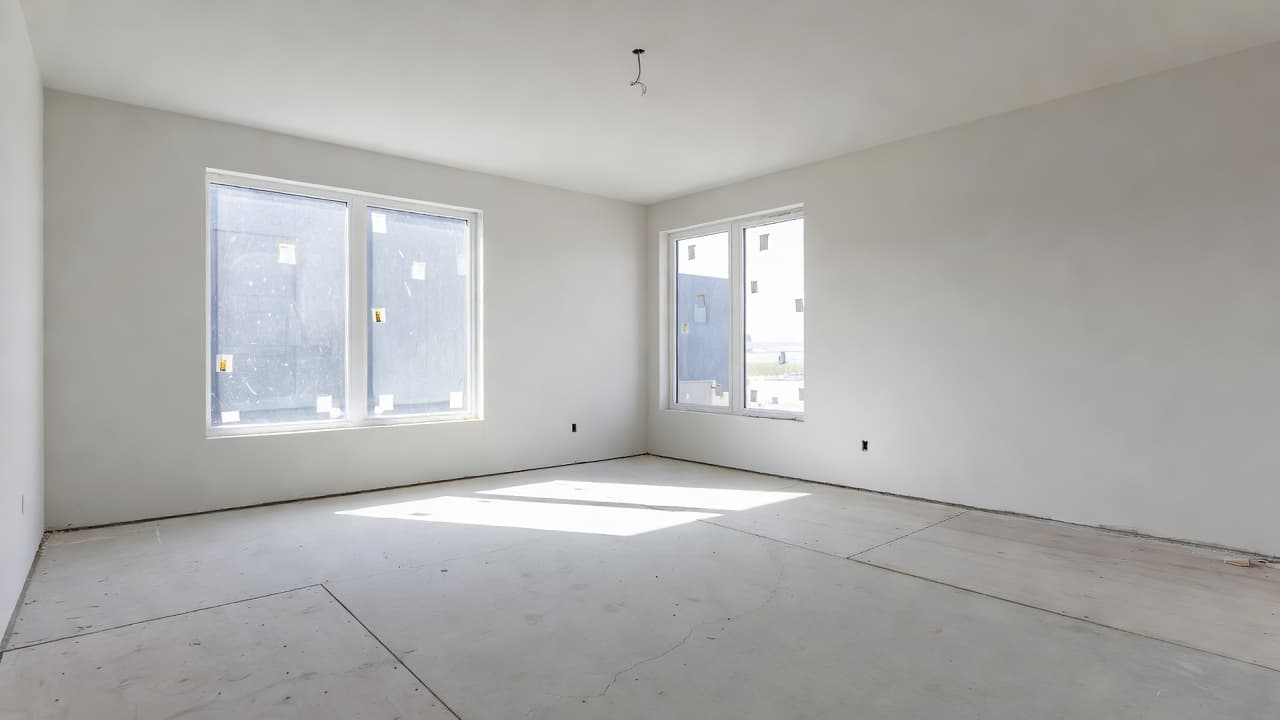
Put together, these numbers point to the same underlying shift: renovation budgets are tighter, homeowners are more cautious about big purchases, and AI tools are increasingly where people turn to get certainty before they spend money. Previewing a redesign on a photo of your actual room — rather than guessing from a paint chip or a showroom display — directly addresses the smaller-budget, no-room-for-mistakes reality these statistics describe. Our budget-friendly AI decorating guide covers how to plan a renovation around exactly this kind of tighter budget.
Plan Your Renovation With Confidence — Free
Upload a photo of your real room and preview a redesign in 60+ styles before you spend a dollar.


FAQ
How big is the AI interior design market in 2026?
The AI in interior design market was estimated at roughly $3.28 billion in 2025 and is projected to grow at a 20.9% compound annual rate from 2026 to 2033, according to Grand View Research.
How much are homeowners spending on renovations in 2026?
US residential renovation spending is projected to reach $524 billion in 2026, though the median individual project budget has fallen to $15,000, down from $20,000 in 2025, according to Houzz.
What percentage of homeowners plan to renovate in 2026?
50% of homeowners plan a renovation project in 2026, and 91% of those planning a renovation hire a professional at some point in the process.
How fast is AI app adoption growing?
Consumer spending on generative AI apps is forecast to exceed $10 billion in 2026, and more than 1 billion people now use standalone AI tools each month.
How does AI interior design fit into these trends?
With smaller renovation budgets and less room for costly mistakes, more homeowners are using AI tools like DecorAI to preview a redesign on their real room before spending money on materials or furniture.
Conclusion
The data points in one direction: renovation budgets are getting tighter, homeowners are planning more carefully, and AI is quickly becoming a normal part of that planning process. DecorAI lets you put that shift to work on your own home — upload a photo of your real room and preview a redesign in 60+ styles before you spend anything. Read our budget-friendly AI decorating guide for more on planning around a tighter budget, browse the styles gallery for inspiration, or start from the DecorAI homepage to try it on your own space.
Visualize Your Dream Home Instantly
Don't just read about it. Experience the power of AI interior design with DecorAI's free tool.
Start Designing for FreeWritten by
DecorAI Team
Editorial Team