General AI Tools vs Dedicated Interior Design Apps: Why Purpose-Built Wins
Can general AI image tools match dedicated interior design apps? Compare results, ease of use, and accuracy — and see why purpose-built apps like DecorAI deliver real home-design decisions.

If you have tried creating interior design images with a general AI image generator or text-to-image tool, you already know the experience is uneven. Some results are stunning and unusable at the same time. The rooms look dramatic, but the windows are impossible, the furniture does not fit any real dimension, and nothing resembles your actual space. That is not a flaw in the AI — it is a mismatch between what those tools were built for and what interior design actually requires.
Dedicated AI interior design apps like DecorAI - AI Interior Design solve a different problem entirely. They analyze your real room, respect its structure, and propose redesigns that could genuinely exist. This article explains the practical differences between general AI art tools and purpose-built interior design apps, and why the purpose-built category wins when you want real results in your home.
The Problem with Using General AI Image Generators for Interior Design
General AI image generators are remarkable machines. They can invent beautiful scenes from text descriptions, blend artistic styles, and generate visually striking compositions in seconds. They were designed for creative freedom, not architectural accuracy, and that shows the moment you try to design your real home with them.
The first problem is no room understanding. Most text-to-image tools do not take your actual room as input. They generate an idealized scene from scratch based on your text prompt. The result might look beautiful, but it is not your living room. There is no way to tell the tool "keep this wall, this window, this fireplace" and get a reliable answer back.
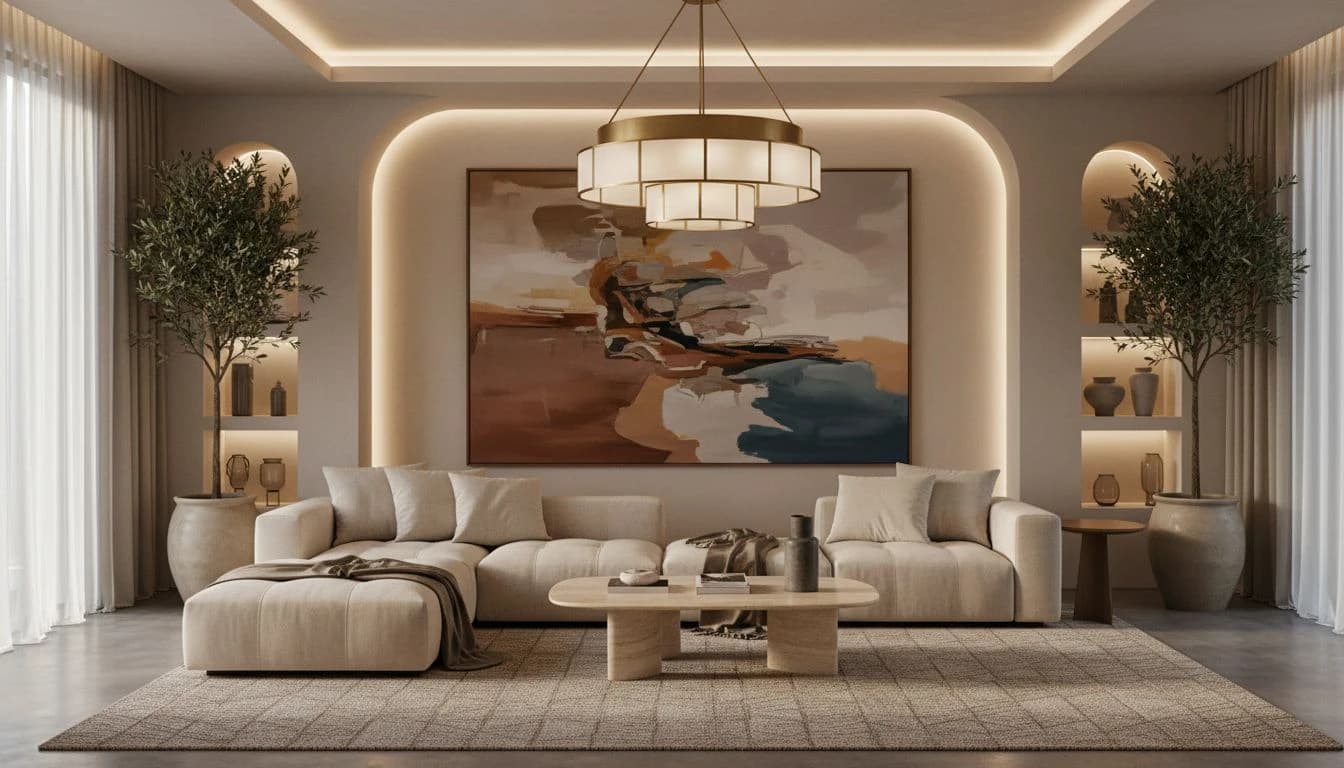
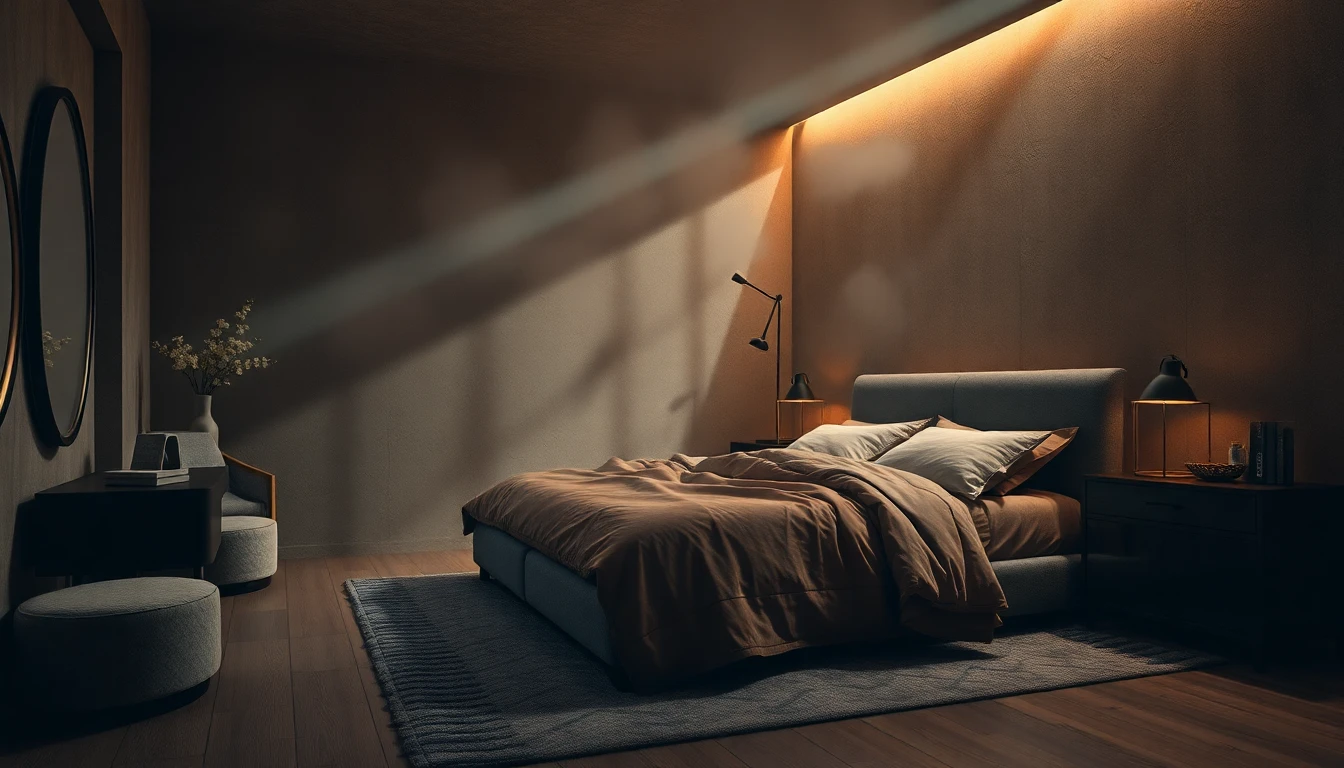
The second problem is impossible geometry. Because general AI tools optimize for visual appeal rather than real-world proportion, they routinely produce rooms with doorways in the wrong place, ceilings at physically implausible heights, or furniture that could never fit through a standard door. For a piece of concept art that is fine. For planning a renovation, it is expensive.
The third problem is poor iteration control. When you change the prompt slightly to ask for a different style, a general tool usually generates a completely different room rather than the same room with a new look. That makes it almost impossible to compare styles meaningfully. You end up with a gallery of unrelated fantasy rooms instead of a decision you can act on.
The design publication Architectural Digest regularly points out that strong residential design depends on proportion, material continuity, and spatial flow. Those are exactly the things general AI image tools cannot reliably maintain.
What Dedicated AI Interior Design Apps Do Differently
A dedicated AI interior design app treats your room as the starting point. Instead of generating a new fantasy, it redesigns the one you already have. That single shift changes everything downstream.
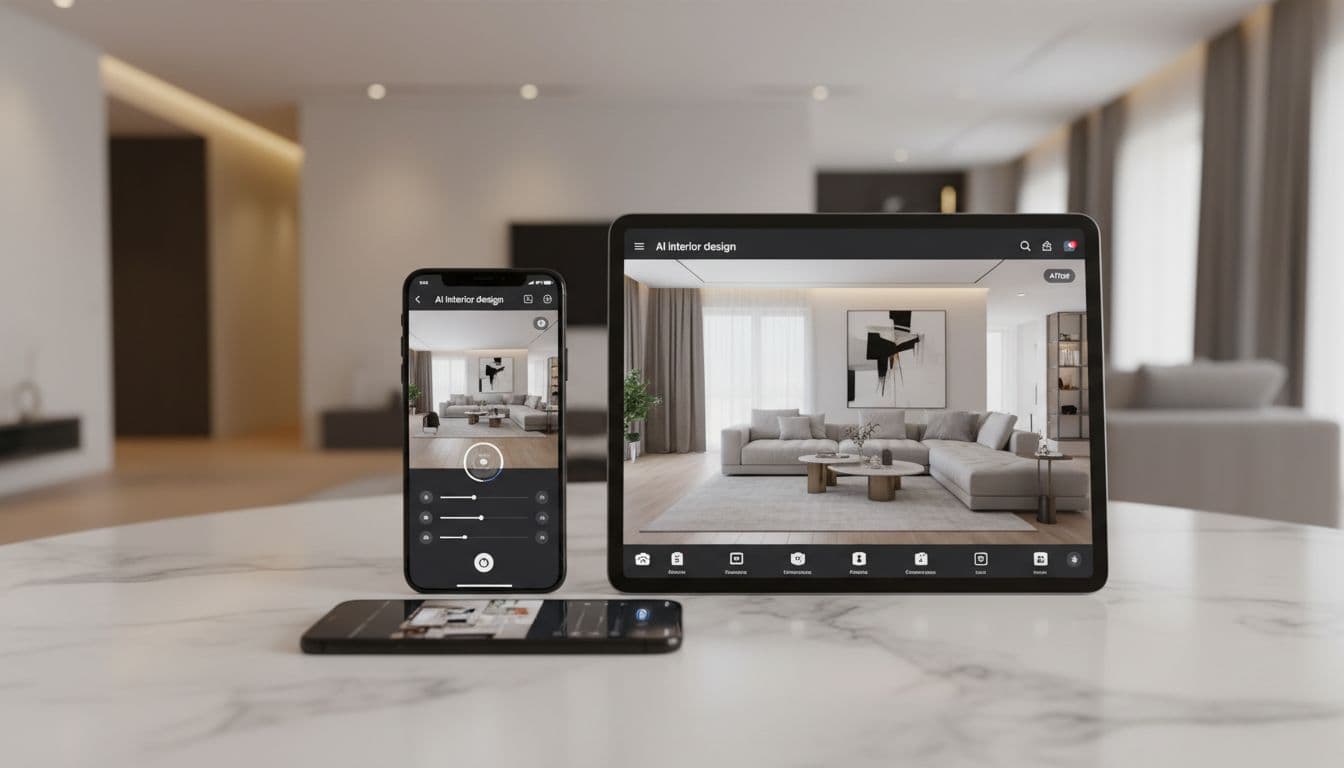
Dedicated tools begin with room analysis. They use computer vision to detect walls, floors, windows, doors, and major existing elements. That architectural understanding becomes the scaffold for every subsequent suggestion. The room can be restyled, but it cannot be replaced with a different room just because the style changed.
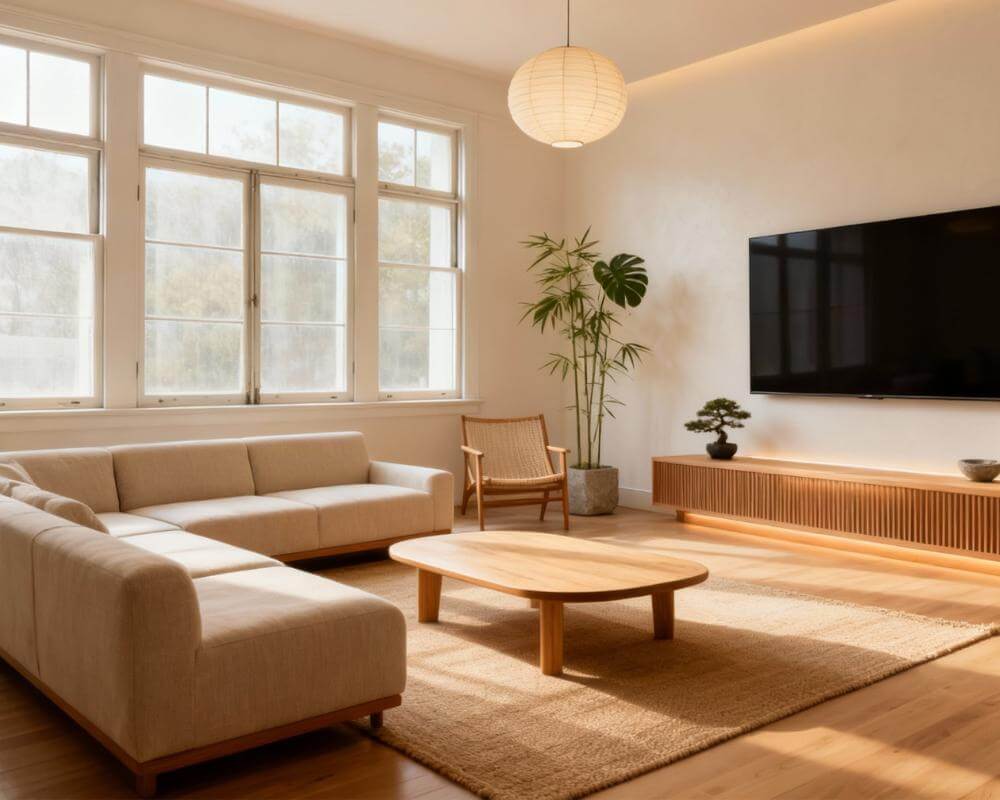
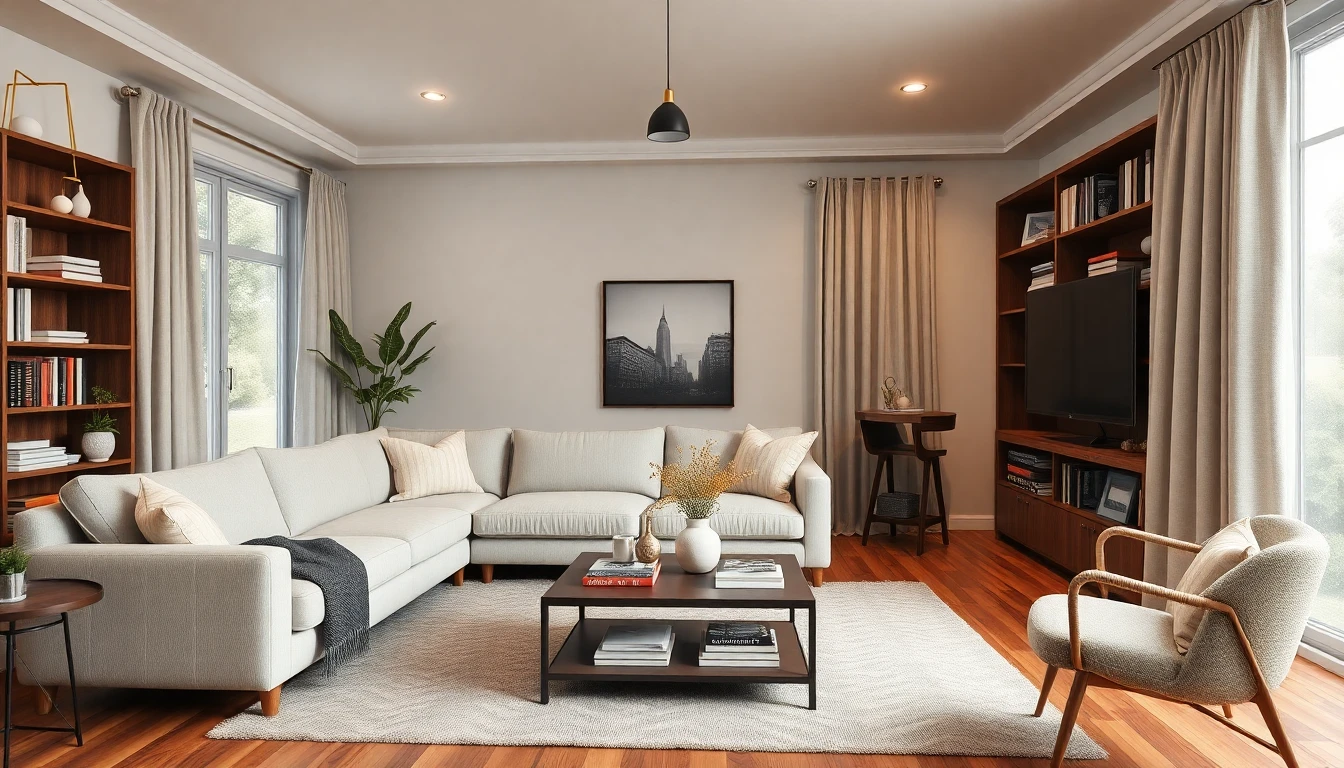
They also support style-by-style comparison. You can generate the same room in Scandinavian, Japandi, Mid-Century Modern, and Bohemian styles and actually see what each direction would feel like in your actual space. This is the core decision-making benefit of dedicated AI design — the consistency across variations lets you choose confidently.
Dedicated apps also understand practical constraints. They tend to respect real furniture scale, realistic lighting, and a plausible material palette. Results are often closer to what a design professional would propose than to an art piece, and that is exactly the point if you actually plan to live in the result.
Finally, they integrate into a real workflow. Many dedicated AI design apps let you save designs, organize them by room, share them with family or contractors, and take action based on what you see. That bridge from visualization to decision is the piece general AI tools almost never provide.
Why DecorAI Outperforms General AI Tools for Home Design
DecorAI was built from the ground up for one problem: helping real people redesign real rooms. That focused scope is exactly why it outperforms general AI art tools when the goal is actually improving your home.
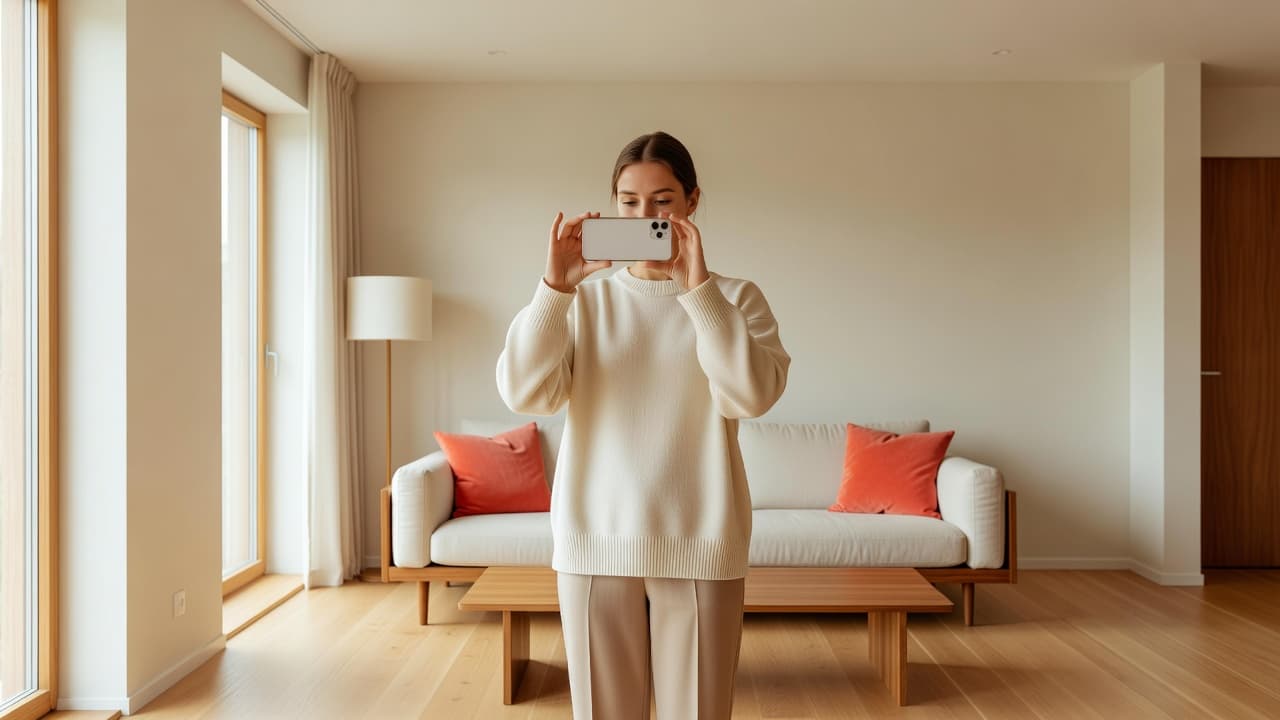
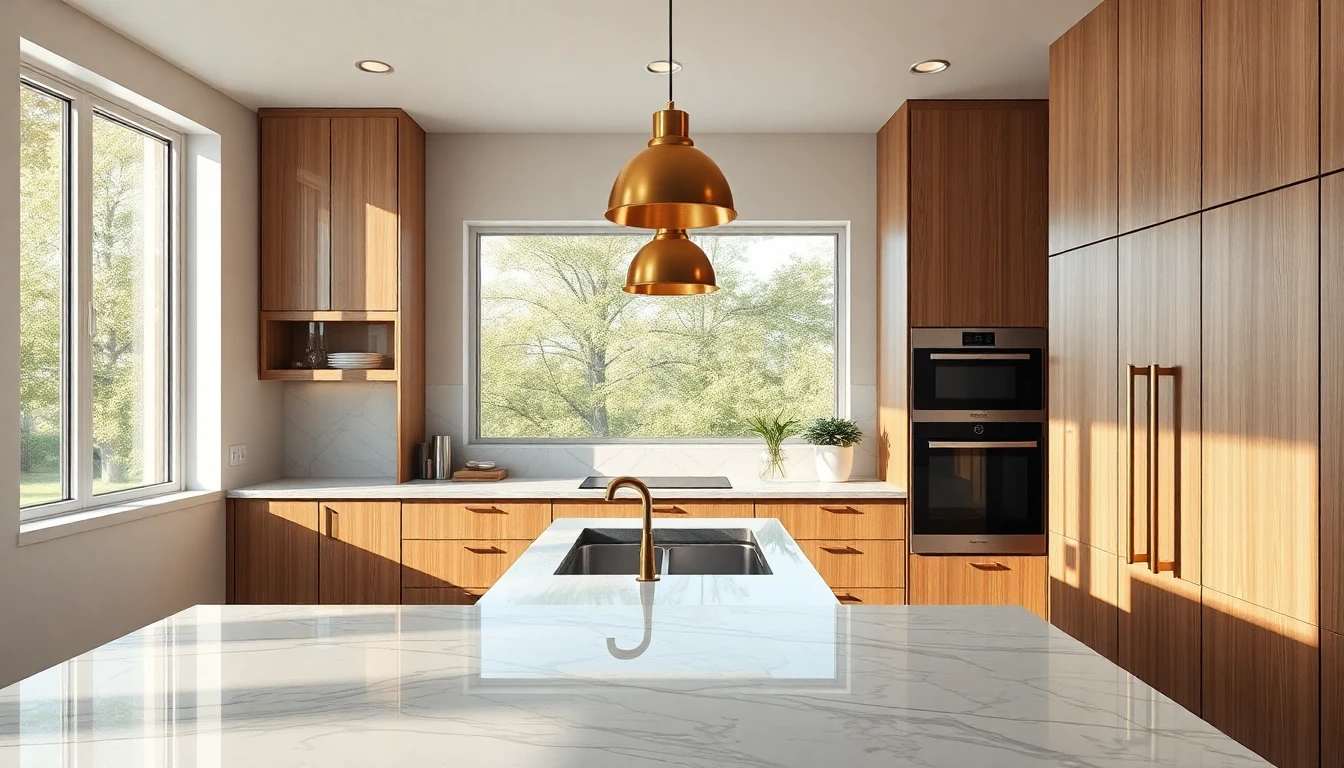
First, DecorAI uses room-aware generation. You upload a photo of your actual space and the AI treats that photo as the structural source of truth. Walls stay where walls belong. Windows stay where windows belong. Ceiling heights stay realistic. The only things that change are the design choices — the style, the furniture, the finishes, and the atmosphere.
Second, DecorAI provides consistent multi-style comparison. If you generate your living room in five different styles, all five look like versions of the same real room. You can make a decision because the options are comparable, not random.
Third, DecorAI is honest about its scope. It is not pretending to be an architect or structural engineer. It is designed to help you make better interior design and furnishing decisions. That clarity of scope is part of why it delivers practical results instead of flashy, unbuildable renderings.
And fourth, DecorAI fits into the actual workflow of redesigning a room. You upload a photo, choose a style, generate variations, save what you like, and use those visuals to brief professionals, talk to your partner, or plan your next purchases. It is built for real decisions, not for showcases. For a broader view of that workflow, our Best AI interior design tools guide is a useful companion.
General AI vs Purpose-Built Interior Design AI
| Factor | General AI Image Generator | Dedicated AI Interior Design (DecorAI) |
|---|---|---|
| Starts from your real room | No | Yes |
| Respects room geometry | Rarely | Consistently |
| Consistent style variations | Difficult | Built-in |
| Practical furniture scale | Unreliable | Reliable |
| Decision-ready output | Rarely | Primary goal |
When to Use Which Type of Tool
General AI image generators still have a role. They are excellent for creating mood boards, concept art, conceptual style exploration, and purely artistic interiors that you have no intention of building. If you simply want beautiful inspirational imagery for a vision board or pure creative play, they are fun and fast.
Dedicated AI interior design apps are the right tool the moment the question shifts from "what does this style look like in the abstract" to "what would this style look like in my actual home." Once you are thinking about real purchases, real renovations, or real changes to your space, you need a tool that respects your actual room. That is where purpose-built apps like DecorAI become essential.
For a closer look at the dedicated AI category and how to evaluate different options, our complete AI interior design guide walks through what "purpose-built" really means when your real room is on the line.
How to Tell If You Need Purpose-Built AI or General AI
If you are unsure which type of tool to reach for, a few quick questions usually clarify the right choice. They cut through the feature lists and focus on what the result will actually be used for.
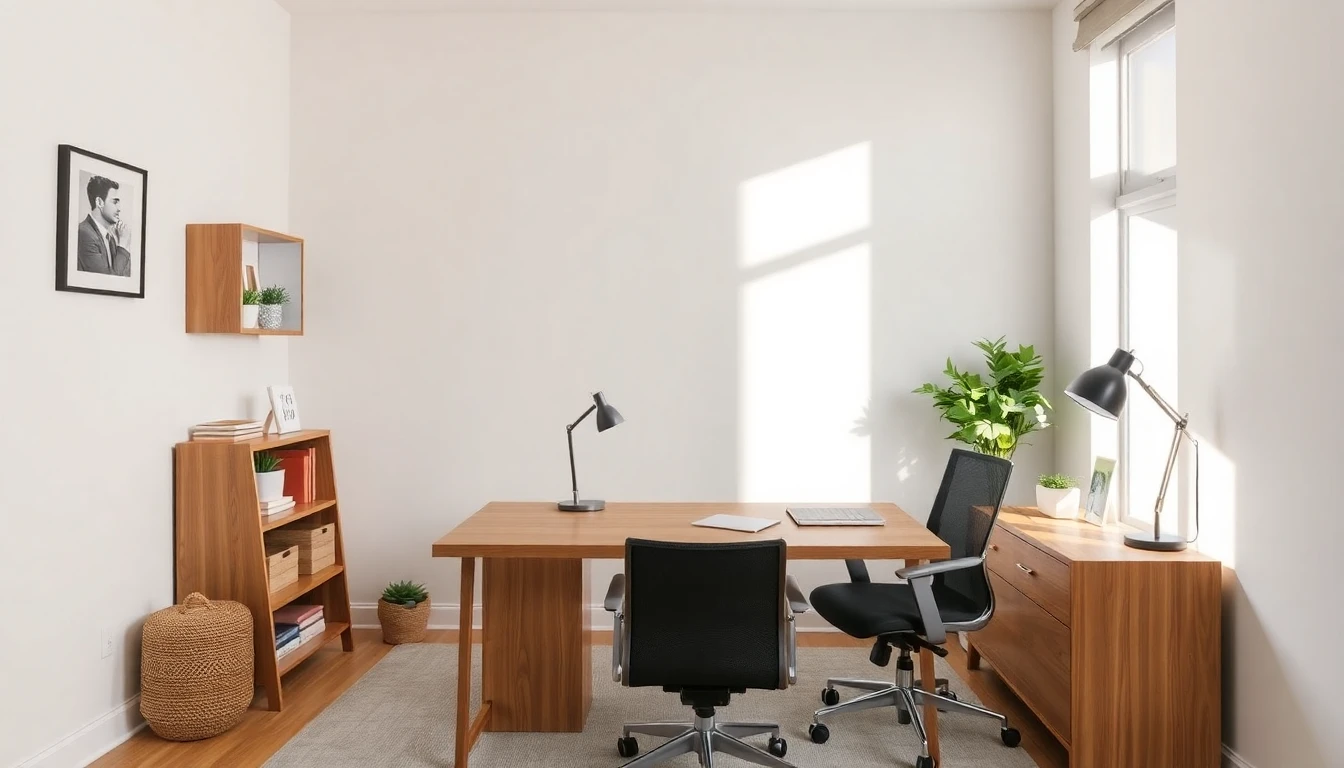
Do you have a photo of the real room you want to design? If yes, you need an AI that can ingest and preserve that photo. That is the dedicated category. If you are designing for a fictional or imaginary room, a general tool can be more flexible.
Do you plan to buy or change something based on the result? Purchases and renovations require practical, believable designs. Inspirational concept art is fine for mood boards, but you should not buy a sofa based on a fantasy rendering that may not fit through your door. Dedicated apps tie every output back to real scale.
Do you need to compare multiple versions of the same room? Dedicated tools make this consistent. General AI image tools produce a new room for every prompt variation, which makes meaningful comparison difficult. Consistency is the quiet superpower of purpose-built design AI.
Will you share the output with a contractor, partner, or family member? Dedicated AI design apps produce visuals that read as practical proposals, which is what most professionals and households actually want to discuss. Artistic AI outputs look beautiful in isolation but can be harder to use as a shared reference point for decisions.
If you answered "yes" to even two of the questions above, a dedicated AI interior design app is almost certainly the better fit. That is the gap DecorAI was built to fill.
What to Expect in Your First 10 Minutes With DecorAI
A well-designed purpose-built app should feel effortless in the first session, and that is the bar DecorAI holds itself to. You upload a photo, pick a style, and see a photorealistic redesign of your actual room in a few seconds. That first output is usually good enough to form a real opinion about direction.
The next step is comparison. Generate the same room in two or three contrasting styles, review them side by side, and notice which one feels like a home you want to come back to. That is the moment where AI design becomes useful rather than just entertaining — when the decision about direction starts to feel obvious.
From there, iteration refines the winner. You keep the direction that resonates and explore variations in color, lighting, or furniture type. Within 10 minutes you usually have a clear, saved concept that functions as a brief for your next purchase, your contractor, or your own weekend project. That is something a general AI image tool, however impressive on a single render, almost never delivers.
See Your Real Room in a Dozen Styles
DecorAI starts from your actual room and gives you photorealistic style variations you can act on. No fantasy rooms, no impossible proportions — just practical redesigns.
Try DecorAI Free

Visualize Your Dream Home Instantly
Don't just read about it. Experience the power of AI interior design with DecorAI's free tool.
Start Designing for FreeWritten by
DecorAI Team
Editorial Team