
AI Interior Design for Airbnb & Short-Term Rentals: Stage Like a Pro
Use AI interior design to stage Airbnb and short-term rental listings in minutes. See the styling choices that boost bookings and get photo-ready ideas for your real space.
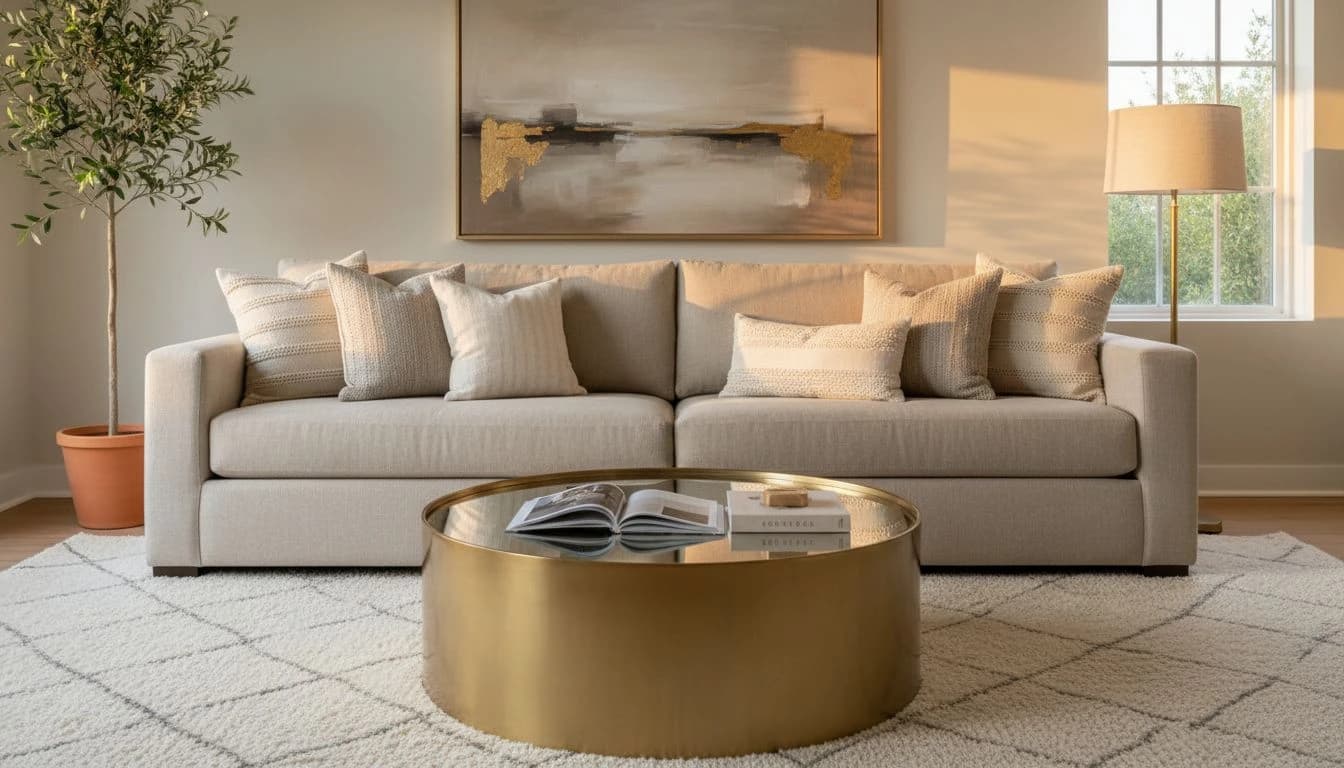
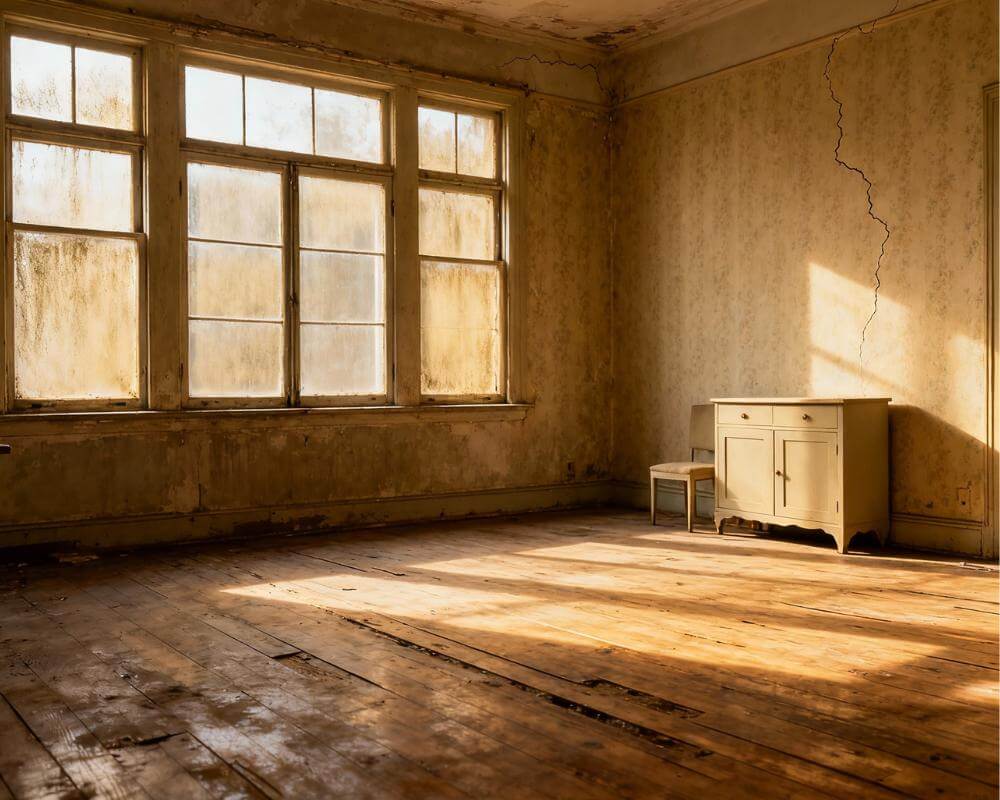
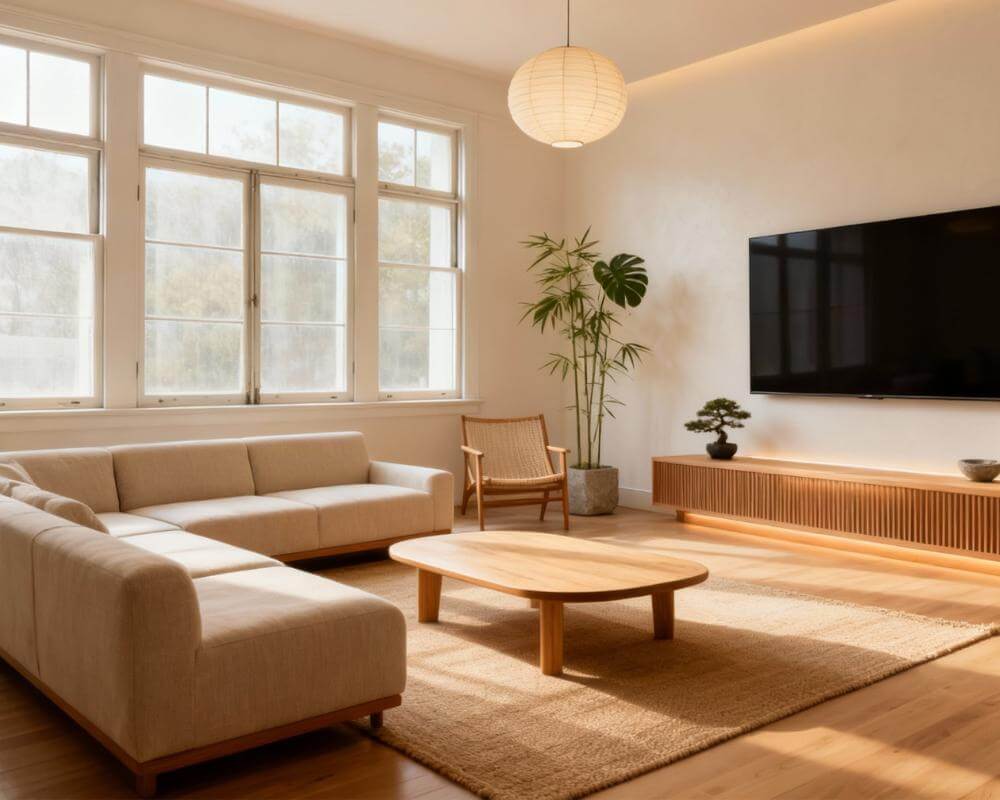
Short-term rental guests make a booking decision in less than 15 seconds. They swipe through photos on a phone, feel something (or not), and tap either the "Reserve" button or the next listing. Every design choice in the rental is either helping that decision or hurting it. AI interior design is increasingly the fastest way for hosts to test styling decisions at that crucial photo-scroll level, without doing a full real-world redesign first.
This guide walks through how Airbnb and short-term rental hosts can use DecorAI - AI Interior Design to stage listings in minutes, raise booking rates, and avoid the expensive mistake of buying furniture that does not photograph well. The approach is different from full-time-home design, and a few specific moves can materially change how a listing performs.
Why STR Design Matters More Than Ever in 2026
The short-term rental market has matured. Guests now expect more than clean sheets and a passable kitchen. They expect a listing that looks like the hero image of a magazine article — warm, intentional, slightly aspirational. The hosts who invest in that aesthetic are the ones winning the nightly-rate premiums and the five-star streaks.
At the same time, platforms have become relentless at ranking listings by booking conversion. A listing that has gorgeous photography but no bookings will sink. A listing with slightly weaker photography but a strong styling hook that converts will climb. That feedback loop rewards hosts who design for the photo moment first, and the guest moment second. AI makes that first moment much easier to plan for.
What Separates a Bookable Airbnb from a Beautiful Home
A full-time family home is designed for daily friction: where coats land, how kids eat, how laundry moves. A short-term rental is designed for a narrow window of use — a few days, sometimes a week — and for a very specific emotional arc: arrival, decompression, social moments, and sleep. That changes the design priorities.
Bookable STR interiors tend to be photographable from multiple angles, visually uncluttered, emotionally specific, and easy to reset between guests. They are usually lighter on personal objects and heavier on intentional "mood pieces" — a single sculptural lamp, a stack of coffee-table books, a curated bookshelf. Every item has to earn its place for both photos and easy turnover.
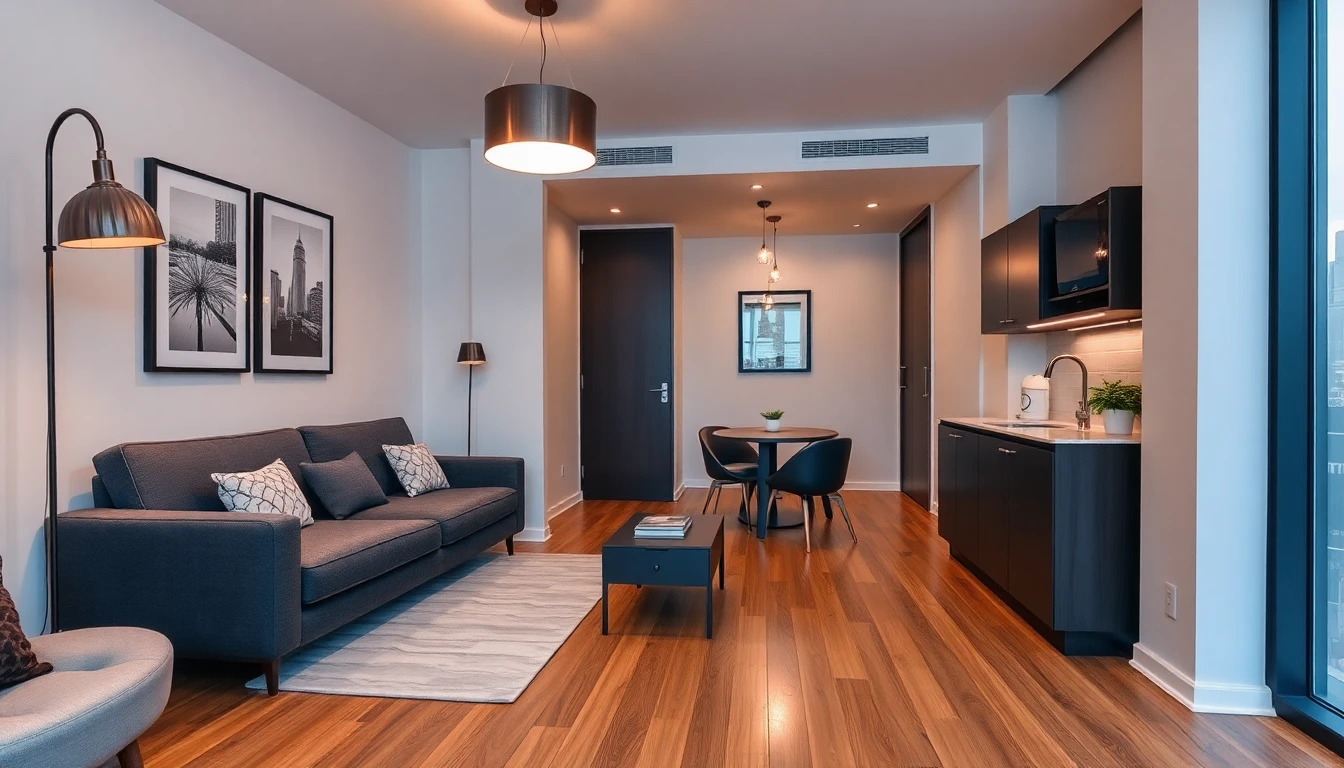
Using AI to Test Different "Vibes" for the Same Rental
The most underrated STR design move is deliberately deciding what the listing is competing as. A rental can be positioned as a boutique city escape, a coastal weekend, a mountain retreat, a design-forward lofty apartment, or a warm family base. Each positioning attracts a different guest, drives different nightly rates, and photographs very differently.
AI lets you test those positionings fast. You upload a photo of the real space and ask the AI for the same room staged in multiple different directions. Compare the "city boutique" version next to the "warm and relaxed" version, and notice which one photographs more cleanly at a quick scroll. That is the direction most likely to convert on the booking platform.
Photography-Ready Styling: What AI Can and Cannot Help With
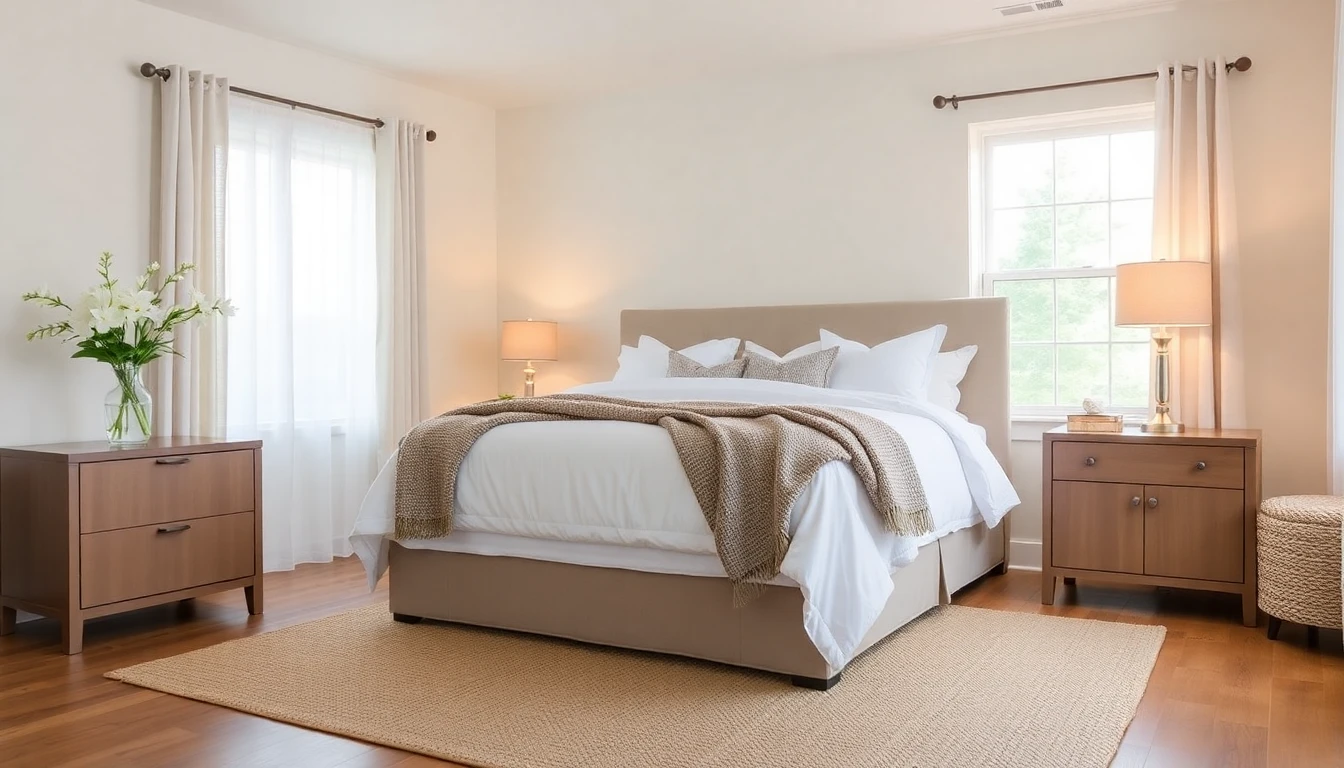
AI is excellent at suggesting the composition that photographs well: the textile layers on the sofa, the objects on the coffee table, the proportion of the rug to the seating, the type of pendant over the dining area, the dressed-bed styling. Those are the moves that make a professional photograph feel staged rather than lived-in.
AI is less helpful with the physical photography itself — camera angle, lighting balance, lens choice, and on-site shooting adjustments. Those still benefit from a real photographer or, at minimum, a careful phone setup with strong natural light. The right workflow is: use AI to nail the styling, then photograph it properly. The photographer saves time on-site because the set is already dialed in.
Style Direction by Rental Type
Different rental types lean toward different styling sweet spots. A few directions that consistently perform:
City studios usually convert best on neutral, slightly design-forward styling. Guests are often business travelers or couples on city weekends. The rental should feel like a boutique hotel room — considered, easy, not overly personal. Warm neutrals, one sculptural lamp, a well-dressed bed, a small curated bookshelf.
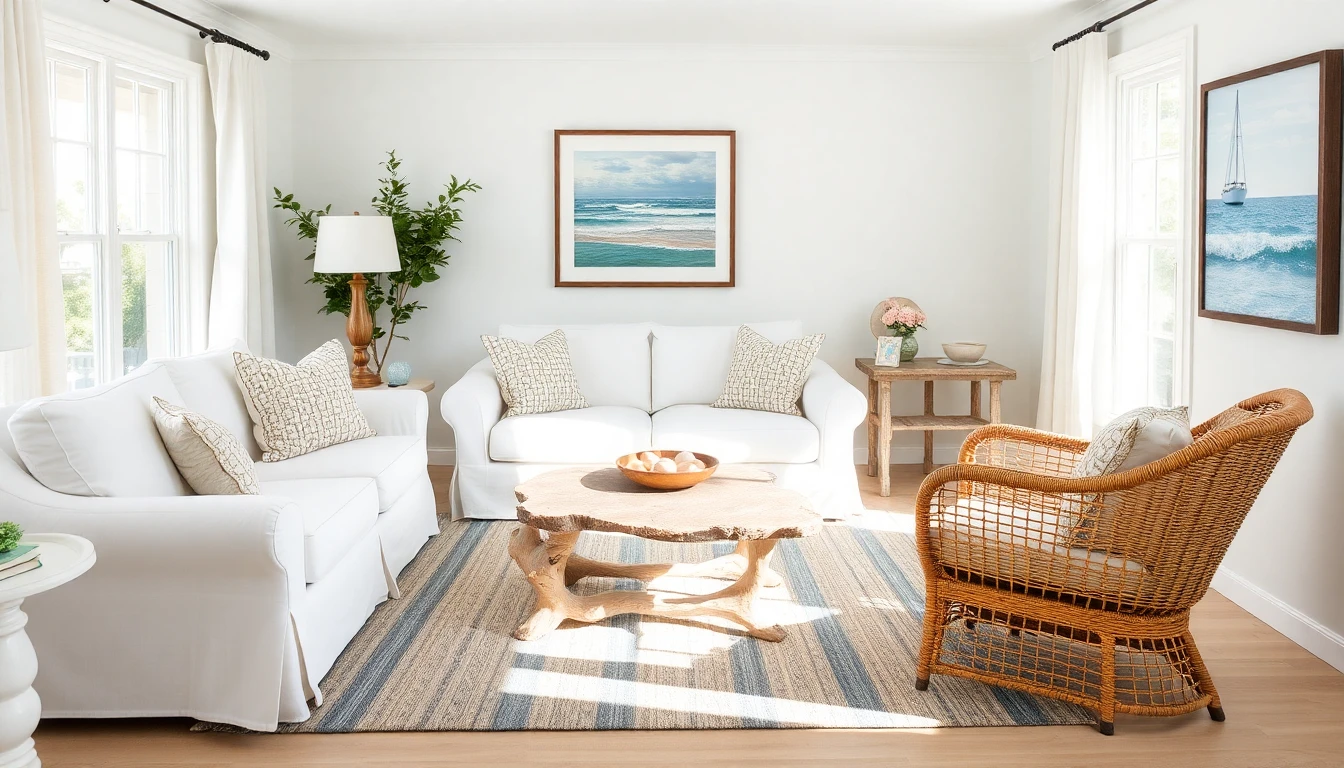
Beach cottages perform best on relaxed coastal warmth, not on clichéd beach signage. Slipcovered sofas, rattan accents, a driftwood coffee table, layered neutral textiles, framed ocean art. Let the destination tell the story without needing to spell it out.
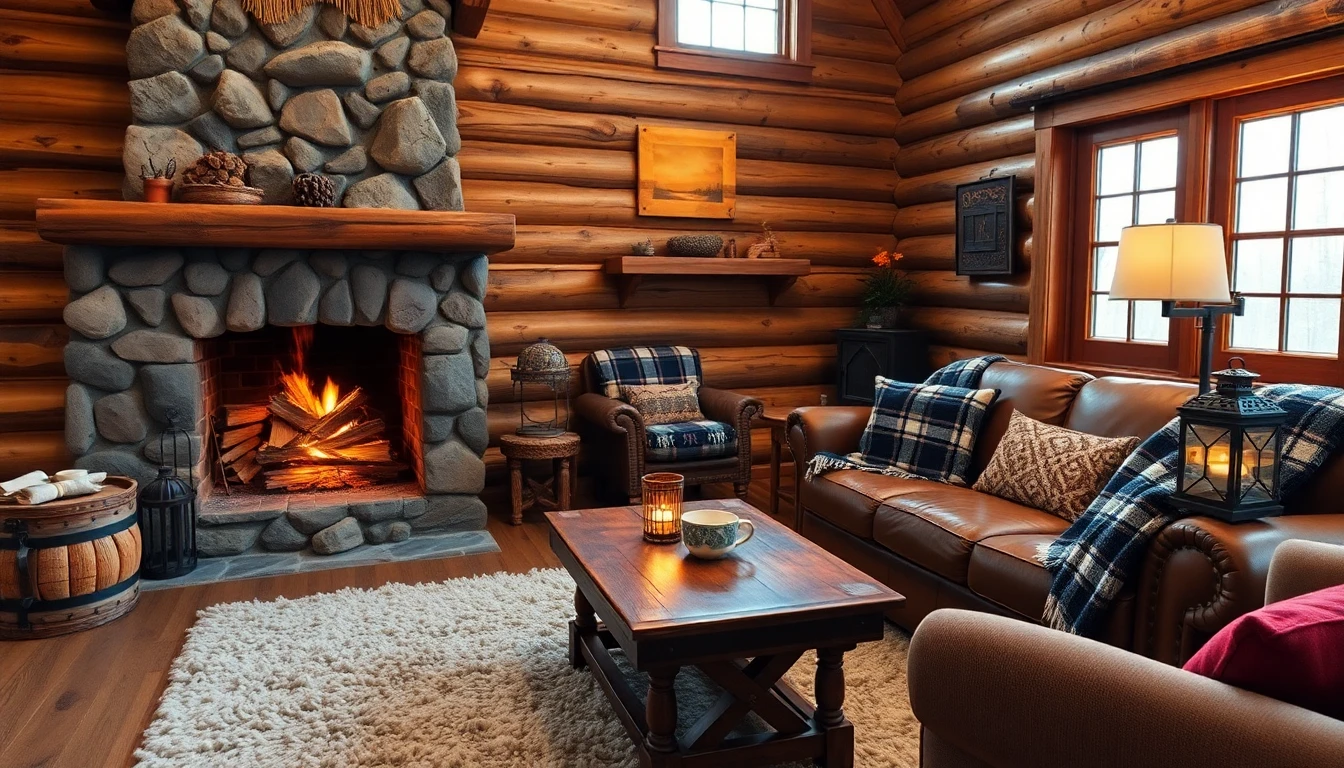
Mountain cabins convert strongly on warmth signals: wood, stone, plaid, leather, lantern lighting, a fireplace. Guests are booking an emotional experience. The styling should back that emotion, not compete with it. Cleaner lines and less clutter beat excessive rustic decoration.
Design-forward lofts win on architectural specificity: a dramatic light fixture, a strong artwork, curated furniture with recognizable silhouettes, an uncluttered surface story. This is where short-term rentals start competing directly with boutique hotels.
Using DecorAI to Iterate Before the Next Photo Shoot
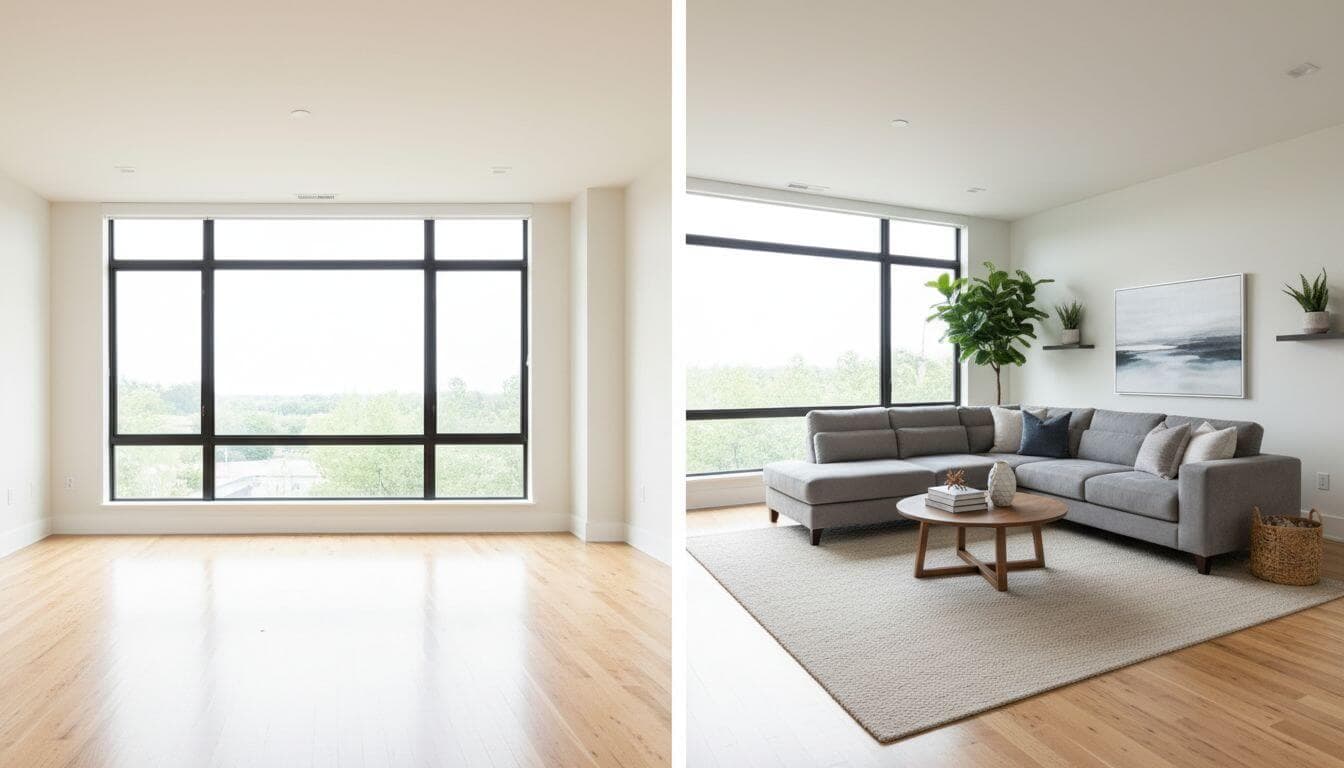
For hosts, the most efficient use of DecorAI is right before a photography session or right after a guest review points out a weak room. Upload a photo of the space, try three to five styling directions, pick the strongest, and use that as the brief for your styling work. The real-world work then becomes execution — buying pillows, swapping art, reframing the bed, adjusting the rug — rather than design.
That shift from "designing blind" to "executing a confirmed direction" is the unlock. You stop buying pillows that do not photograph well. You stop cluttering the mantel with a dozen objects. You start styling with intent, for a specific photograph you have already seen. For related positioning and ROI thinking, our AI home staging guide is a useful companion read — the real-estate-staging perspective complements the short-term-rental one.
Common STR Design Mistakes AI Helps You Avoid
A few mistakes consistently show up in under-performing listings. AI makes each of them easier to spot in advance.
Overbought sofa, underbought everything else. The photo is dominated by a single expensive piece of furniture that makes the rest of the room look cheap. AI helps visualize the room as a composition, not as a sofa plus filler.
Wrong rug size. The rug is too small, the furniture floats, and the room reads as unfinished. AI shows you that immediately, and helps you test larger rugs before you order one.
Overly themed decoration. "Beach cottage" becomes a parade of nautical signs. "Mountain cabin" becomes a collection of bear figurines. AI helps you keep the emotional direction while removing the clichés that actually depress booking rates.
Cold lighting. Cool-temperature lightbulbs make rental photos look clinical. Warm-temperature lighting — typically around 2700–3000K — almost always photographs better and reads warmer to guests. AI visualizes this clearly when you compare lighting directions.
For more practical styling strategies that apply directly to STR rooms, Better Homes & Gardens consistently has strong small-space styling advice, and Architectural Digest is one of the most useful style references for aspirational direction-setting. If the rental is compact, our AI design for small spaces guide has direct application for studios and one-bedrooms.
The ROI of STR Design: Where AI Pays Off Most
For hosts, every design decision eventually resolves into two numbers: average nightly rate and occupancy. Both are influenced directly by how a listing photographs and indirectly by how guests describe the stay in reviews. That makes interior design one of the highest-leverage investments an STR host can make — and it makes AI one of the highest-leverage tools in the planning stage.
The clearest ROI moments come from three specific interventions. A new sofa styling plus a rug upgrade can lift a mid-tier listing into premium territory without a renovation. A fresh bedroom refresh that photographs cleanly can pull the booking photo into the "hero" slot and change the scroll-past rate. And a consistent palette across all common rooms makes the listing feel professionally designed — a signal guests read even unconsciously.
Each of those interventions is difficult to plan blind. With AI visualization, you can test the specific intervention before you buy, style it once, photograph it professionally, and let the refreshed listing perform for years. That is the move most successful STR hosts quietly make every photo-shoot cycle.
FAQ: AI Interior Design for Short-Term Rentals
Does AI-designed styling really increase bookings?
Better styling raises click-through and conversion on listing photos, which in turn lifts rankings on booking platforms. AI does not do the styling work itself, but it makes the styling decisions much faster and more confident — that is where the booking lift comes from.
Can AI help if my listing is already performing well?
Yes, especially between photo shoots. A well-performing listing still decays over time as new competitors upload fresher photography. AI lets you plan a refresh that keeps your listing looking current without a full redesign.
What rooms matter most for STR listings?
The living room is usually the hero photo and sets the first impression. The master bedroom is typically the second most-clicked photo. The kitchen and primary bathroom round out the top four. Focus your AI styling work on those four spaces before spending energy on the rest of the listing.
Should I change styling seasonally?
Minor tweaks help — a throw blanket swap, different pillow covers, a different vase. Major restyles only make sense if the listing performance drops or the market expectation shifts. AI is particularly good for testing the subtle seasonal adjustments without overcommitting.
Stage Your Rental Before the Next Photo Shoot
Use DecorAI to test styling directions on a photo of your short-term rental. Find the positioning that converts, then execute with intent.
Try DecorAI Free

Visualize Your Dream Home Instantly
Don't just read about it. Experience the power of AI interior design with DecorAI's free tool.
Start Designing for FreeWritten by
DecorAI Team
Editorial Team
Related Articles
AI Home Staging: Sell Your Property Faster with Virtual Staging in 2025
14 min read
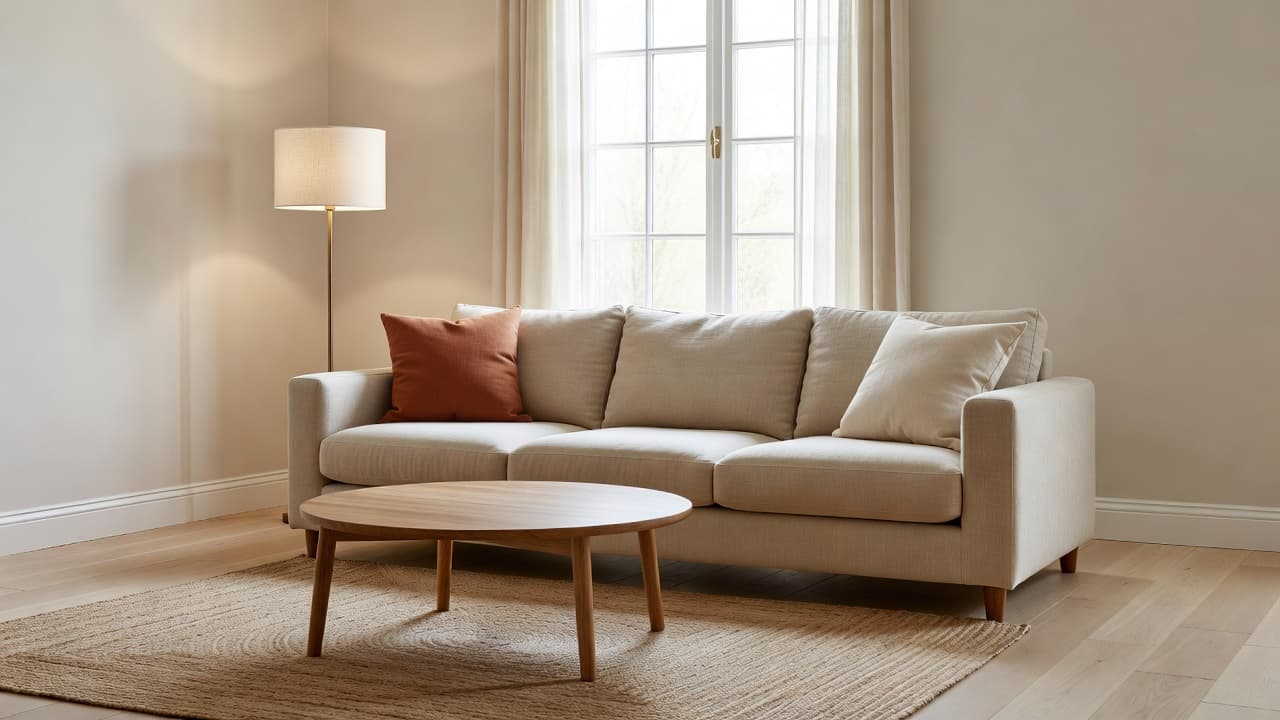
How to Choose a Sofa for Your Living Room: Size, Fabric, Shape and a Preview Before You Buy
9 min read
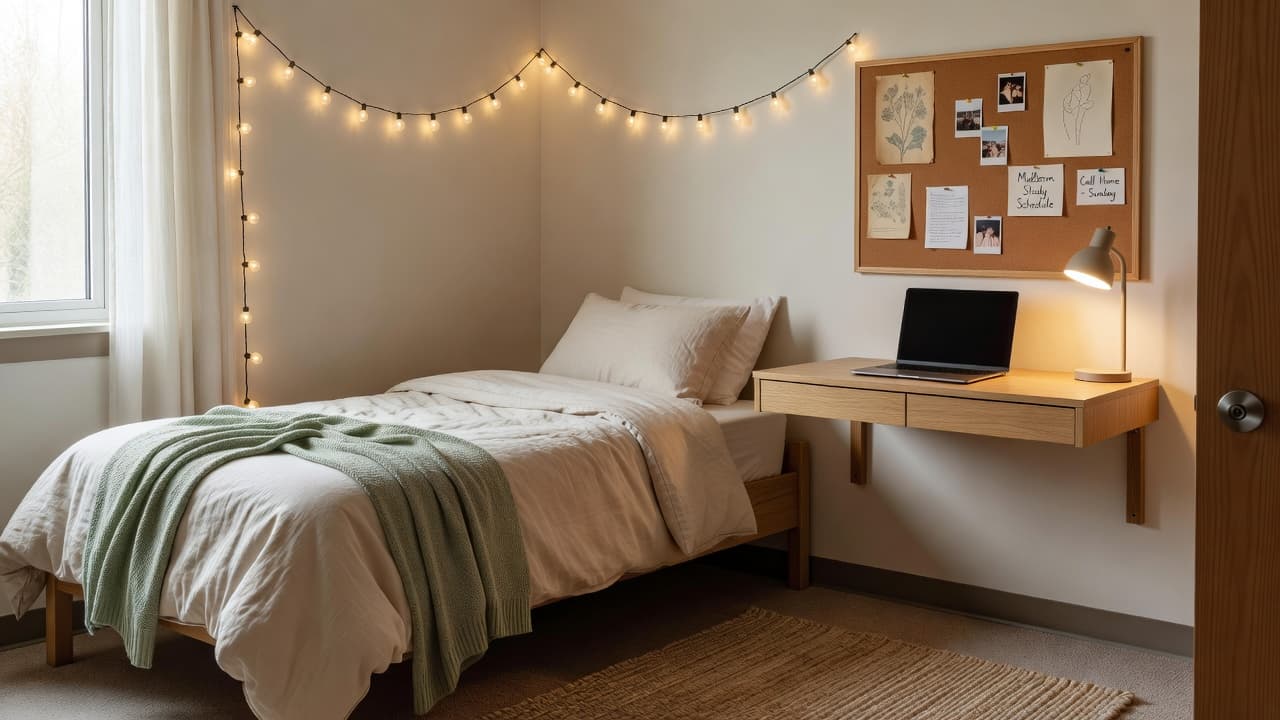
AI Dorm Room Design: How to Style a Small Shared Space Without Breaking the Rules
9 min read