AI Interior Design vs Human Designers: Which is Right for You in 2025?
Compare AI interior design tools with human designers. Discover when to use AI, when to hire a professional, and how to combine both for the best results. Honest cost and quality comparison.
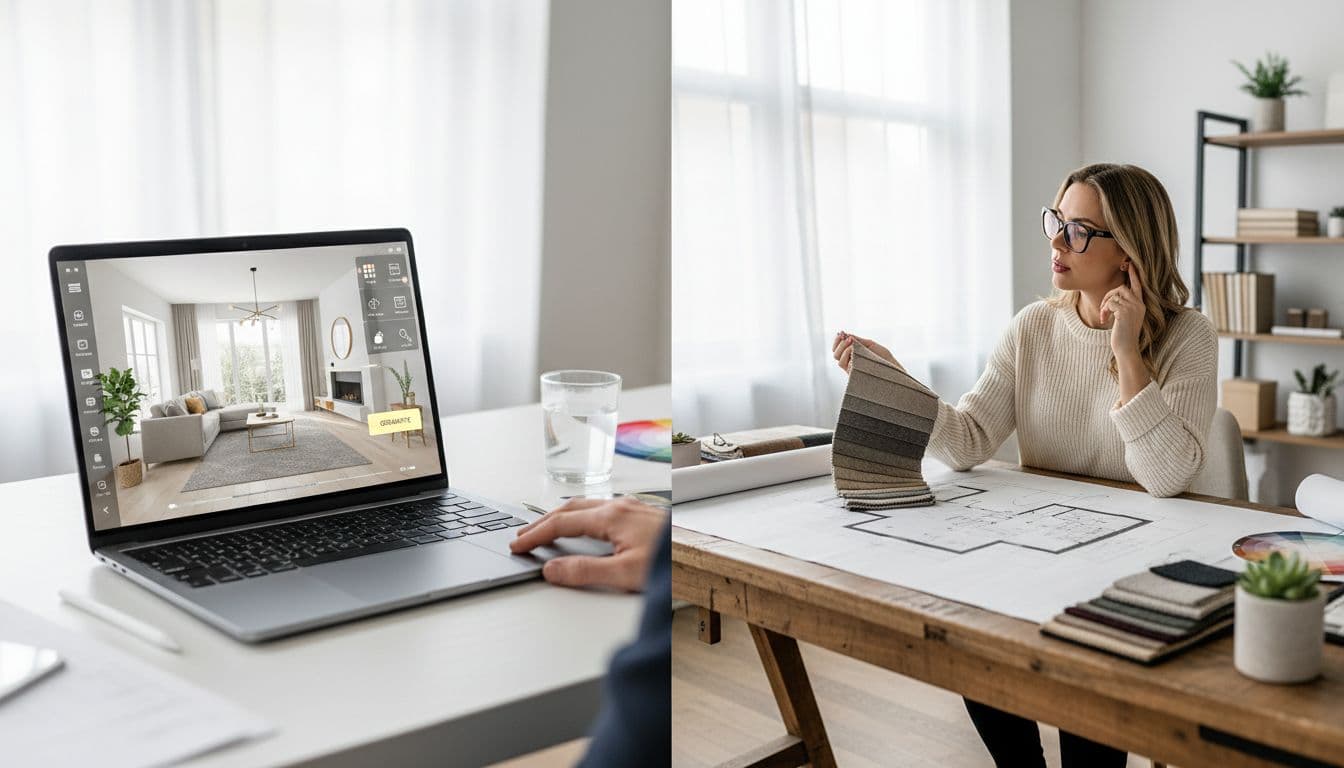

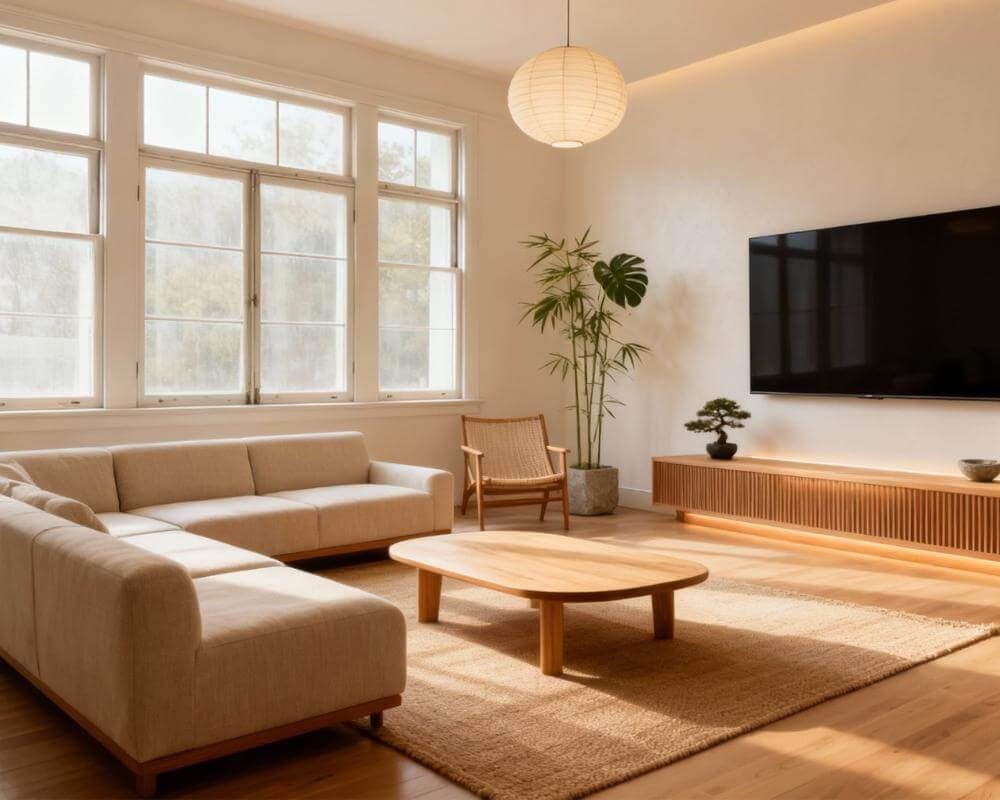
You're staring at your living room, knowing something needs to change. The space feels dated, the layout is awkward, and you're ready for a transformation. But here's the modern dilemma: should you fire up an AI interior design tool and get instant results, or invest in hiring a professional designer? It's a question more homeowners are asking than ever before—and the answer isn't as simple as "one is better than the other."
The truth is, AI interior design vs human designers isn't really a competition. They're different tools for different situations. This guide breaks down exactly when each option shines, where each falls short, and how to make the right choice for your specific project.

The Real Cost Comparison
Let's start with what most people care about first: money. The cost difference between AI and human designers is significant—but perhaps not in the way you'd expect.
AI Interior Design Costs
Most AI interior design tools fall into these pricing tiers:
- Free Tier: Basic visualizations, limited to 1-3 designs per month
- Subscription ($10-30/month): Unlimited designs, multiple styles, higher resolution
- Premium ($50-100/month): Advanced features, commercial use, priority rendering
For a typical home project, you might spend $30-100 total on AI design tools. Check out our guide to free AI interior design tools if you want to start without any investment.
Human Designer Costs
According to the American Society of Interior Designers (ASID), professional interior design services typically cost:
- Hourly Rate: $100-500/hour depending on experience and location
- Flat Fee (per room): $1,500-12,000 for a complete room design
- Percentage of Project: 10-30% of total renovation budget
- Online Design Services: $300-1,500 for virtual consultations with design plans
For a single room redesign, expect to pay $2,000-5,000 for a mid-range professional designer. A whole-home project can easily reach $20,000-50,000+.
What AI Interior Design Does Best
AI design tools have genuine strengths that even expensive human designers can't match:
Speed and Volume
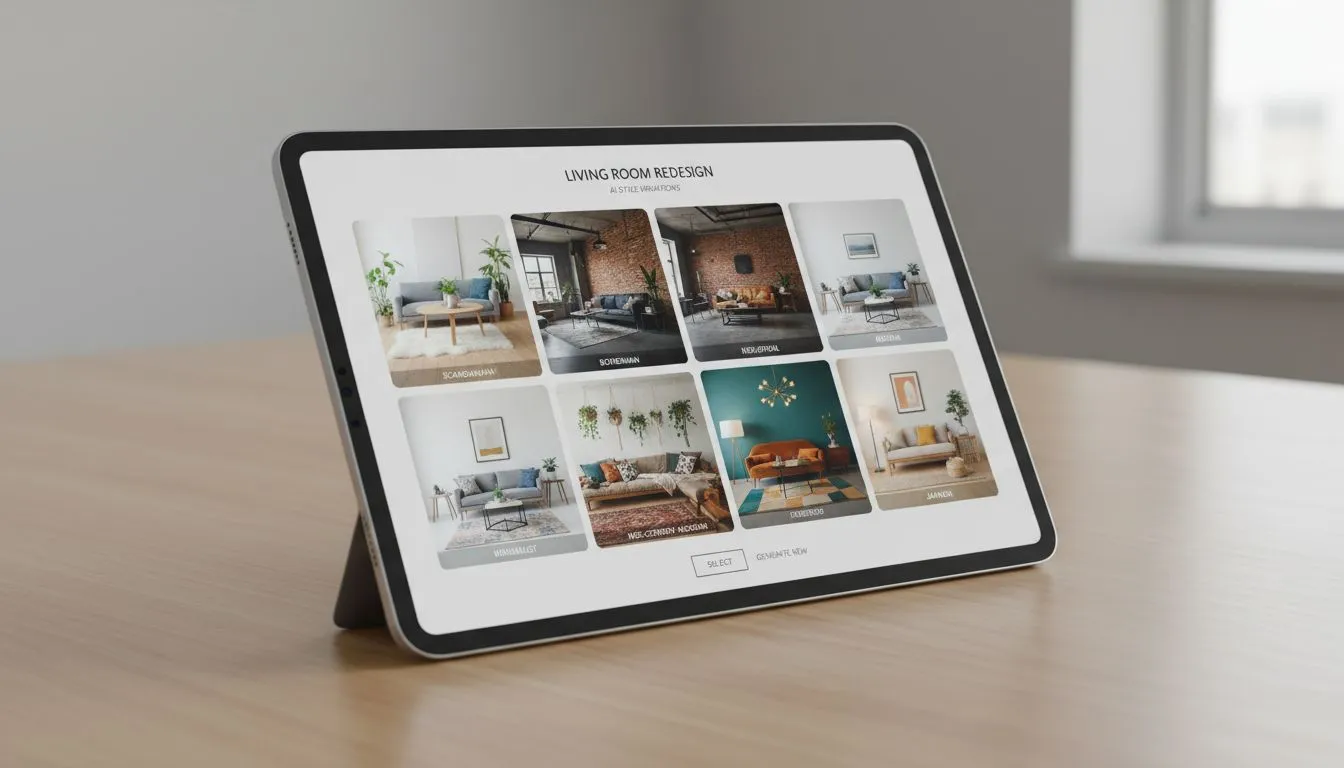
AI interior design generates multiple complete room visualizations in seconds. Want to see your living room in 10 different styles? That takes 2 minutes with AI. A human designer might take days to create the same variety of concepts.
Low-Risk Experimentation
AI lets you try wild ideas without judgment or wasted consultation hours. Wondering how a neon pink accent wall would look? AI will show you instantly—and won't raise an eyebrow when you immediately abandon the idea.
Visualization Before Commitment
This is where AI truly shines. Seeing your actual room transformed with different paint colors, furniture arrangements, or styles helps you make confident decisions. Our color scheme guide explains how AI visualization prevents expensive color mistakes.
Accessibility
Not everyone lives near qualified interior designers. Not everyone can afford consultation fees. AI democratizes design expertise, giving anyone access to professional-looking results regardless of location or budget.
Starting Point Generation
Even if you plan to hire a designer, AI visualizations make excellent conversation starters. Showing a designer "I want something like this" is far more productive than trying to verbally describe your vision.
What Human Designers Do Best
Professional interior designers bring capabilities that AI simply cannot replicate—at least not yet:
Understanding Your Lifestyle
A good designer asks questions AI never will: How do you actually use this room? Do you have pets that scratch furniture? Do you host large gatherings or prefer intimate spaces? These nuances shape designs that truly work for your life.
Problem-Solving Complex Spaces
Awkward room shapes, structural limitations, poor natural light, heating vents in inconvenient places—human designers excel at working around real-world constraints. AI sees your room as pixels; designers see it as a three-dimensional puzzle with physical limitations.
Project Management
Full-service designers coordinate contractors, manage timelines, handle ordering, and solve problems that arise during implementation. They're accountable for results in ways AI tools aren't.
Access to Trade Resources
Designers have relationships with furniture showrooms, fabric houses, and artisans that the public can't access. They can source custom pieces, get trade discounts, and find items you'd never discover on your own.

Holistic Home Cohesion
When designing multiple rooms or an entire home, human designers ensure everything flows together. They consider sightlines between rooms, consistent color stories, and how your home feels as you move through it.
Emotional Intelligence
Sometimes clients don't know what they want—or think they want something that won't actually make them happy. Experienced designers read between the lines, ask probing questions, and guide clients toward solutions they didn't know they needed.
When to Choose AI Interior Design
Based on hundreds of user experiences, here's when AI interior design makes the most sense:
- Budget under $500: Professional design isn't economically feasible for small projects
- Single room refresh: Updating furniture, paint, and decor without structural changes
- Style exploration: You're unsure what aesthetic you want and need to visualize options
- Color decisions: Testing paint colors, accent walls, or color schemes before buying
- Furniture shopping: Visualizing how specific pieces will look in your space
- Rental properties: Temporary spaces where heavy investment doesn't make sense
- DIY projects: You plan to do the work yourself and just need direction
For room-specific AI design guidance, explore our guides for living rooms, bedrooms, and kitchens.
When to Hire a Human Designer
Professional designers are worth the investment in these scenarios:
- Major renovations: Structural changes, custom built-ins, or complete overhauls
- Whole-home projects: Ensuring cohesion across all rooms and spaces
- Complex architectural features: Unusual layouts, historic homes, or challenging spaces
- High-end investments: When you're spending $50,000+ and need it done right
- Time constraints: You can't manage the project yourself and need someone accountable
- Commercial spaces: Offices, restaurants, or retail where design impacts business
- Resale optimization: Strategic design choices to maximize property value
The Hybrid Approach: Best of Both Worlds
Here's what smart homeowners are increasingly doing: using AI and human designers together. According to Houzz research, many professional designers now incorporate AI tools into their own workflow.
How the Hybrid Model Works
- Start with AI: Generate multiple design concepts and discover your preferences
- Refine your vision: Use AI visualizations to understand what you actually want
- Consult strategically: Hire a designer for specific challenges or implementation guidance
- Execute with confidence: Use AI to preview changes during implementation
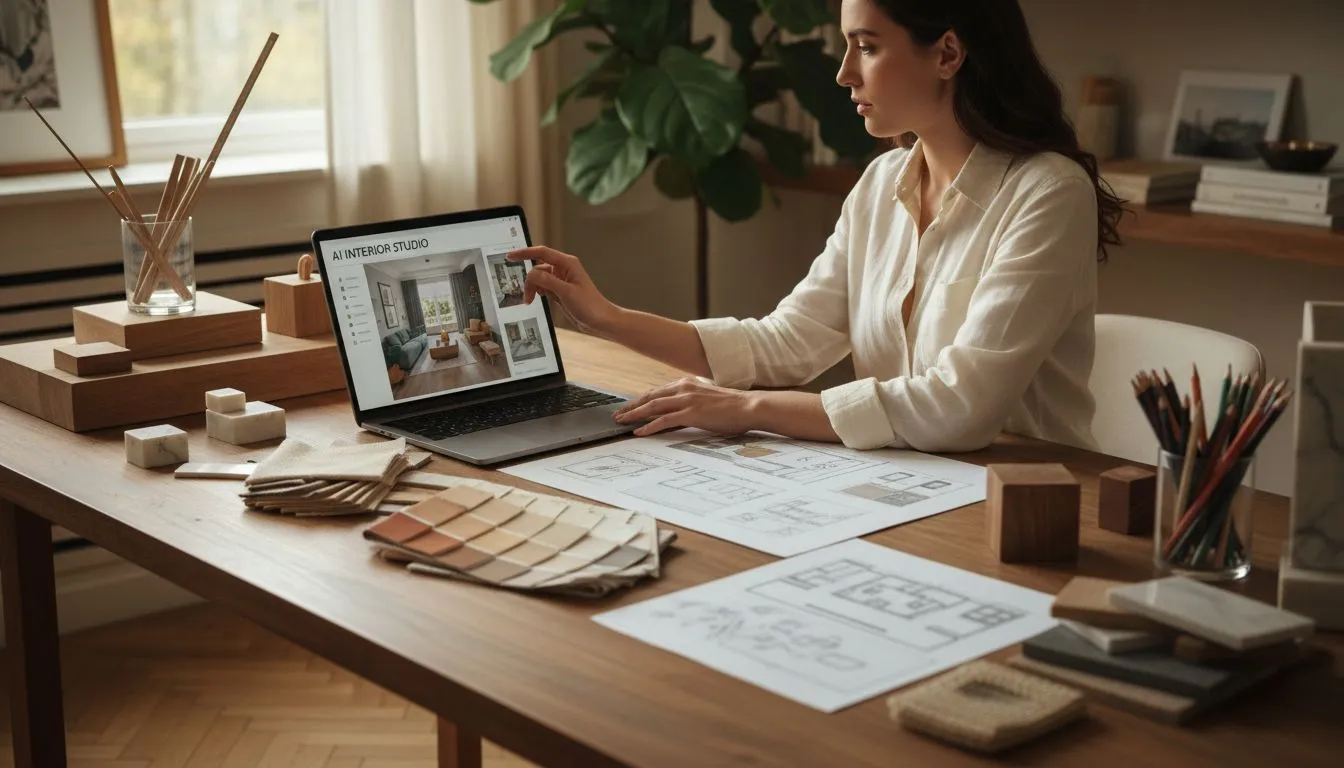
This approach gives you AI's speed and experimentation with human expertise where it matters most. You might spend 2-3 hours with a designer at $200/hour instead of a full $5,000 project—getting professional input without the full investment.
Quality Comparison: Can You Tell the Difference?
Let's be honest about quality. In 2025, AI interior design produces impressive visualizations—but there are still differences:
AI Strengths
- Photorealistic renderings of style transformations
- Consistent application of design rules (color theory, proportion)
- Access to thousands of furniture and decor combinations
AI Limitations
- May suggest furniture that doesn't exist or isn't purchasable
- Doesn't account for real-world lighting variations throughout the day
- Can't assess comfort, texture, or material quality
- Sometimes generates physically impossible arrangements
Human Designer Edge
- Every recommendation is sourced and purchasable
- Considers how spaces feel, not just how they look
- Accounts for practical concerns (durability, maintenance, lifestyle fit)
- Provides accountability for results
Making Your Decision
Ask yourself these questions to determine the right approach:
- What's your budget? Under $1,000 = AI. Over $5,000 = consider professional help.
- How complex is the project? Paint and furniture = AI. Renovation = human expertise.
- Do you enjoy the process? Love designing = AI tools are fun. Hate decisions = hire help.
- What's your timeline? Need it fast = AI. Can wait for perfect = professional design.
- How permanent is this space? Rental = AI. Forever home = invest in expertise.
Conclusion
The AI interior design vs human designer debate misses the point. Both have legitimate roles in modern home design. AI has made professional-looking design accessible to everyone, while human designers continue to provide irreplaceable expertise for complex projects.
For most homeowners, the answer isn't either/or—it's knowing when to use each tool. Start with AI to explore, visualize, and experiment. Bring in human expertise when the stakes are high, the problems are complex, or you need someone accountable for results.
The best part? You don't have to decide right now. Try AI design tools for free, see what they can do, and you'll quickly understand whether your project needs more. The technology has gotten good enough that for many rooms and many budgets, AI delivers results that would have required thousands in professional fees just a few years ago.
Your dream room is closer than you think—whether AI helps you find it or a designer brings it to life.
See What AI Design Can Do for Your Space
Try AI interior design free and discover if it's right for your project. No commitment, instant results.
Try AI Interior Design Free
Professional Design Results
Without the Price Tag
Join millions using AI to transform their homes. See your space reimagined in seconds.


Visualize Your Dream Home Instantly
Don't just read about it. Experience the power of AI interior design with DecorAI's free tool.
Start Designing for FreeWritten by
DecorAI Team
Editorial Team